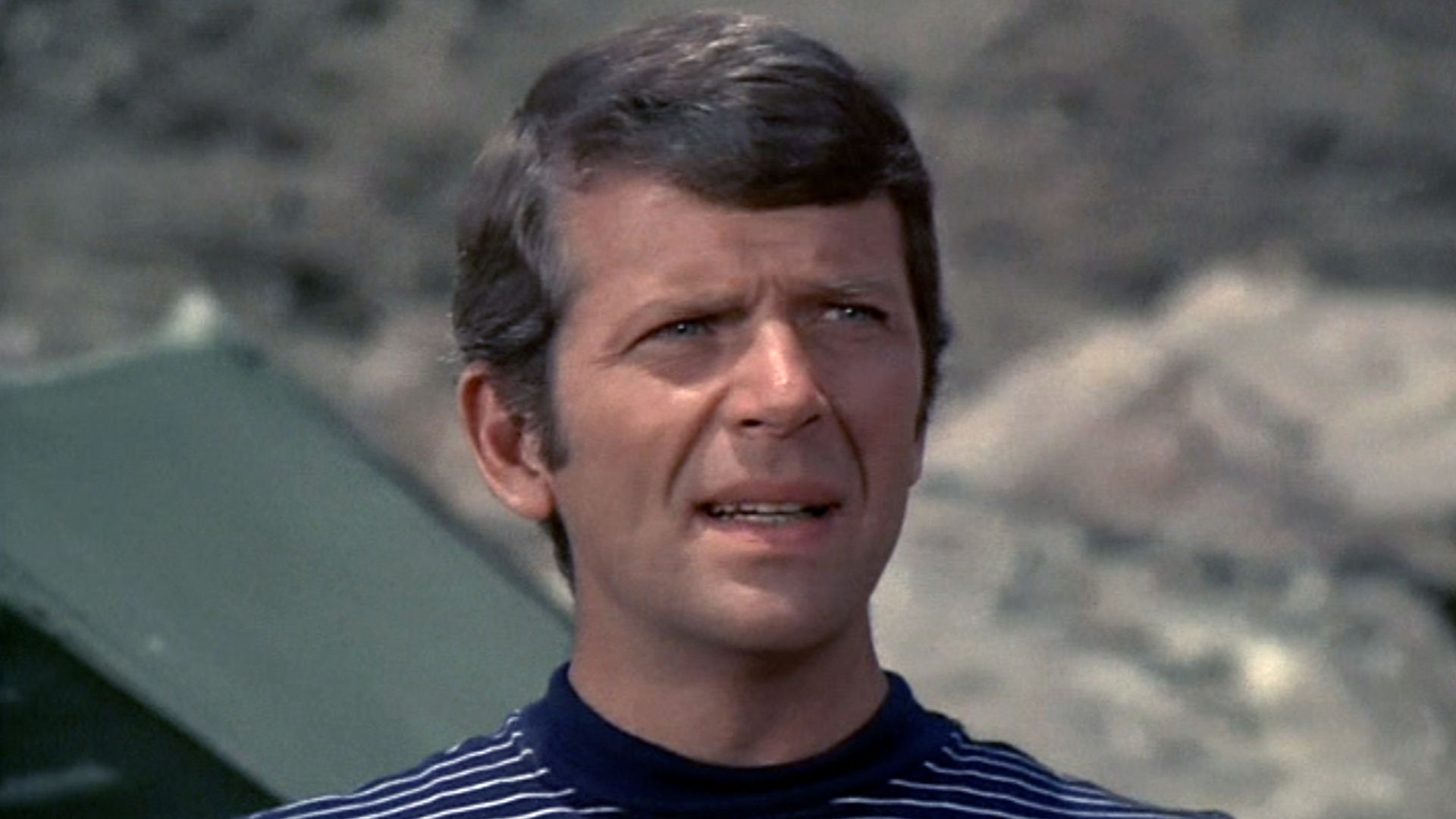
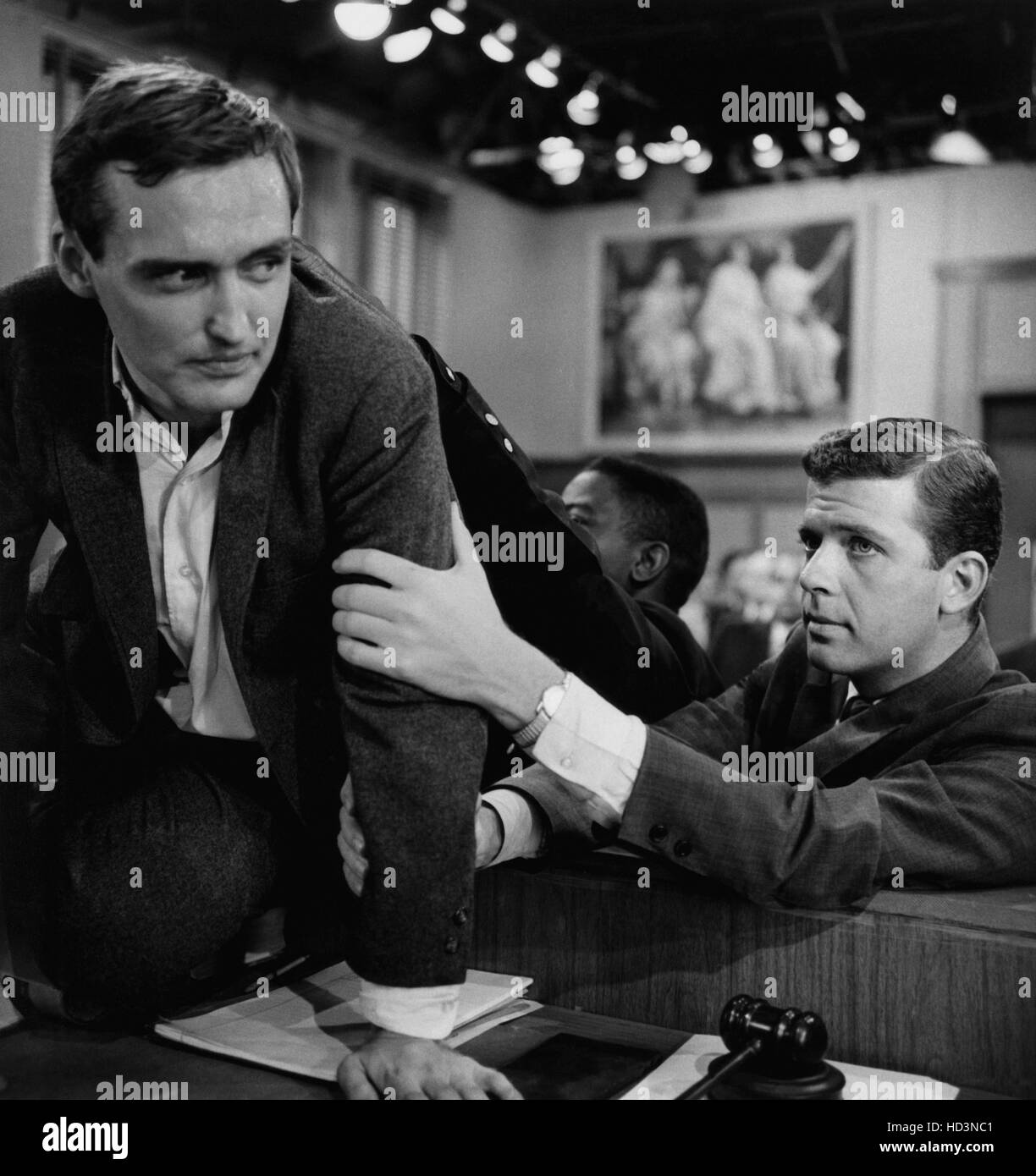
Understanding Robert Reed: The Historical Context of a Closeted TV Icon
Robert Reed was a classically trained actor best known as the patriarch Mike Brady on the iconic sitcom The Brady Bunch. Throughout his career, Reed remained a closeted gay man, navigating a professional landscape in the mid-20th centu...
Robert Reed was a classically trained actor best known as the patriarch Mike Brady on the iconic sitcom The Brady Bunch. Throughout his career, Reed remained a closeted gay man, navigating a professional landscape in the mid-20th century that was largely hostile toward LGBTQ+ individuals. His life reflects the profound tension between public performance and private identity during Hollywood's conservative era.
Contents
The Dual Identity of Mike Brady
To understand Robert Reed’s experience, one must first recognize the cultural weight of his most famous role. From 1969 to 1974, Reed portrayed Mike Brady, the architect and father of a blended family that became the gold standard for American domesticity. In the eyes of the public, Mike Brady was the ultimate moral authority—wise, patient, and traditionally masculine.
However, the man behind the character, born John Robert Rietz Jr. in 1932, lived a life that was fundamentally at odds with the "family values" his character represented. Reed was a gay man during an era when such a revelation would have been catastrophic for a television career. This dichotomy created a high-stakes environment where Reed had to meticulously curate his public persona to protect his livelihood and the security of his castmates.
The Professional Stakes of the 1970s
In the late 1960s and early 1970s, the television industry was governed by strict social norms and advertiser-driven morality. While the Stonewall Uprising of 1969 had signaled the beginning of the modern gay rights movement, these changes had not yet reached the executive suites of major networks like ABC.
For an actor playing the lead in a family-oriented sitcom, a scandal regarding sexual orientation was not just a personal matter; it was viewed as a commercial liability. Contracts often included "morality clauses" that allowed studios to terminate employment for any behavior deemed to bring public disrepute. Consequently, Reed’s "secret" was a professional necessity that required constant vigilance and the maintenance of a traditional social image.
The Social and Political Climate: The Lavender Scare and Beyond
Robert Reed’s formative years as an actor occurred in the shadow of the "Lavender Scare," a period of intense persecution of gay men and women in the United States government and private sectors. This historical context is essential for understanding the psychological toll of remaining closeted.
The Legacy of Erasure
During the 1950s and 60s, being gay was often conflated with mental illness or political subversion. The American Psychiatric Association did not remove homosexuality from the Diagnostic and Statistical Manual (DSM) until 1973—nearly four years after The Brady Bunch began its run.
For Reed, this meant that his identity was not merely a private preference but a legally and medically stigmatized condition. The fear of being "outed" was a fear of total social and economic erasure. This explains why Reed, despite his often-cited frustrations with the show’s writing, remained a consummate professional and never publicly acknowledged his orientation during his lifetime.
The "Beard" and Public Perception
Like many gay actors of his generation, Reed engaged in social behaviors designed to deflect suspicion. He had been married to Patrecia Bennett from 1954 to 1959, and they had a daughter, Karen. While the marriage ended long before his television stardom, his status as a father and a former husband provided a protective shield of heteronormativity. In the eyes of the 1970s public, he was simply a divorced man, a narrative that was far more acceptable than the reality of his life.
Artistic Frustration and the Perfectionist’s Shield
One of the most well-documented aspects of Robert Reed’s time on The Brady Bunch was his constant friction with creator Sherwood Schwartz. Reed was a Shakespearean-trained actor who viewed the sitcom’s lighthearted and often illogical plots with disdain. He frequently sent long, detailed memos to Schwartz criticizing the scripts for their lack of realism.
In historical context, many biographers suggest that Reed’s professional rigidity was a byproduct of his closeted life. By demanding artistic excellence and realism, Reed may have been attempting to regain a sense of control and authenticity that was missing from his personal life. If he had to hide his true self, he at least wanted the character he portrayed to be grounded in some form of truth, rather than "silly" sitcom tropes.
Mentorship and the Cast Dynamic
Despite his internal struggles and his battles with producers, Reed was deeply loved by his on-screen children and his co-star, Florence Henderson. Henderson, who played Carol Brady, was one of the few people who knew the truth about Reed’s sexuality during the show's production.
The cast’s protection of Reed is a testament to his character and the "work family" they built. Henderson often spoke of the unspoken agreement among the cast to respect Reed’s privacy. They recognized that while the world might not be ready for the "real" Robert Reed, they valued his presence as a mentor and friend.
Comparative Evolution of Social Contexts
The following table illustrates the shift in social, medical, and professional environments regarding LGBTQ+ identity from the peak of Reed's career to the present day in 2026.
| Feature | 1970 (The Brady Era) | 2026 (Modern Context) |
|---|---|---|
| Legal Protections | None; widespread discrimination. | Robust anti-discrimination laws in many jurisdictions. |
| Medical Status | Homosexuality was a listed disorder in the DSM. | Celebrated as a natural variation of human identity. |
| Media Representation | Closeted leads; "coded" gay characters only. | Openly LGBTQ+ leads in all genres, including family media. |
| Industry Risk | "Outing" meant immediate career termination. | Authenticity often enhances an actor's brand and connection. |
| Public Acceptance | High levels of stigma and social ostracism. | Widespread cultural integration and support. |
The 1992 Disclosure and the AIDS Crisis
Robert Reed passed away on May 12, 1992, at the age of 59. While his death was initially attributed to colon cancer, his death certificate later revealed that he was HIV-positive and that his condition was a contributing factor.
The Media Response in the Early 90s
The revelation of Reed’s HIV status and his sexuality occurred during the height of the AIDS crisis, a time when the disease was still heavily stigmatized and associated primarily with the gay community. The public reaction was a mix of shock and sympathy. For many fans of The Brady Bunch, the news forced a reconciliation between the "perfect father" they grew up with and the reality of the AIDS epidemic.
A Legacy Redefined
In the years following his death, Reed’s legacy transitioned from that of a "secretive" actor to a symbol of the heavy burden carried by LGBTQ+ individuals in the 20th century. By viewing his life through a historical lens, we can appreciate the immense pressure he was under to maintain a facade for the sake of the audience's comfort.
The Psychological Impact of Living "The Lie"
Living a double life for decades carries significant psychological weight. For Reed, the necessity of the closet meant that he could never fully celebrate his successes with his true partners in the public eye. Every interview, every red-carpet appearance, and every fan interaction was a calculated performance.
The Cost of Silence
The historical context of the 1970s didn't just demand silence; it demanded the active participation in an alternative reality. When Reed portrayed Mike Brady, he wasn't just acting; he was participating in a cultural reinforcement of the very norms that excluded him. This "internalized conflict" is a recurring theme in the biographies of closeted stars of that era, highlighting a level of sacrifice that modern audiences may find difficult to fully grasp.
Common Misconceptions About Robert Reed
To accurately assess Robert Reed's place in history, it is necessary to address several common myths that have persisted since his death.
- Myth: Reed hated The Brady Bunch because he was gay.
- Reality: His issues with the show were strictly professional and artistic. He took his craft seriously and felt the writing was often beneath his training.
- Myth: His castmates didn't know he was gay.
- Reality: Most of the adult cast and eventually the older child actors were aware or suspected, but they maintained a "circle of silence" out of respect and professional necessity.
- Myth: He lived a lonely, isolated life.
- Reality: While he was private, Reed had a robust circle of friends and was known for being a generous host and an avid traveler.
Frequently Asked Questions
Was Robert Reed "outed" by the media during his life?
No. Robert Reed remained private about his sexuality throughout his entire life and career. It was only after his death in 1992, when details of his death certificate became public, that his HIV status and sexual orientation were widely discussed in the media.
Why didn't Robert Reed come out during the 1980s?
The 1980s were a particularly dangerous time for gay men due to the emergence of the HIV/AIDS epidemic and the subsequent rise in homophobia. Furthermore, Reed continued to work in "family-friendly" television, including Brady Bunch spin-offs and TV movies, where coming out would likely have ended his ability to secure those roles.
Did Florence Henderson support Robert Reed?
Yes. Florence Henderson was one of Reed's closest friends and fiercest protectors. She frequently stated in interviews that his sexuality was irrelevant to his talent as an actor and his quality as a human being. She advocated for his privacy both during the show's run and after his death.
How did the public react to the news in 1992?
The reaction was a turning point in celebrity culture. While some tabloids focused on the "scandal" of his HIV status, much of the general public felt a sense of sadness that such a beloved figure felt he had to hide his true self for so long. It contributed to a broader conversation about the need for compassion during the AIDS crisis.
What is Robert Reed's lasting impact on the LGBTQ+ community?
Reed is often cited as a prime example of the "professional sacrifice" made by an earlier generation of gay performers. His life serves as a historical benchmark for how far the industry has come in terms of visibility and the acceptance of diverse identities in mainstream entertainment.
Practical Recommendation for Further Study
To gain a deeper understanding of Robert Reed and the historical context of gay actors in Hollywood, readers should look toward academic journals focusing on Media Studies and LGBTQ+ History. The book Growing Up Brady by Barry Williams (Greg Brady) offers firsthand accounts of Reed’s professionalism and the cast’s internal dynamics, while biographies of Sherwood Schwartz provide insight into the industry pressures of the era. Understanding Reed requires looking past the Mike Brady archetype to the complex, talented, and resilient man who successfully navigated one of the most restrictive periods in television history.
Image Gallery