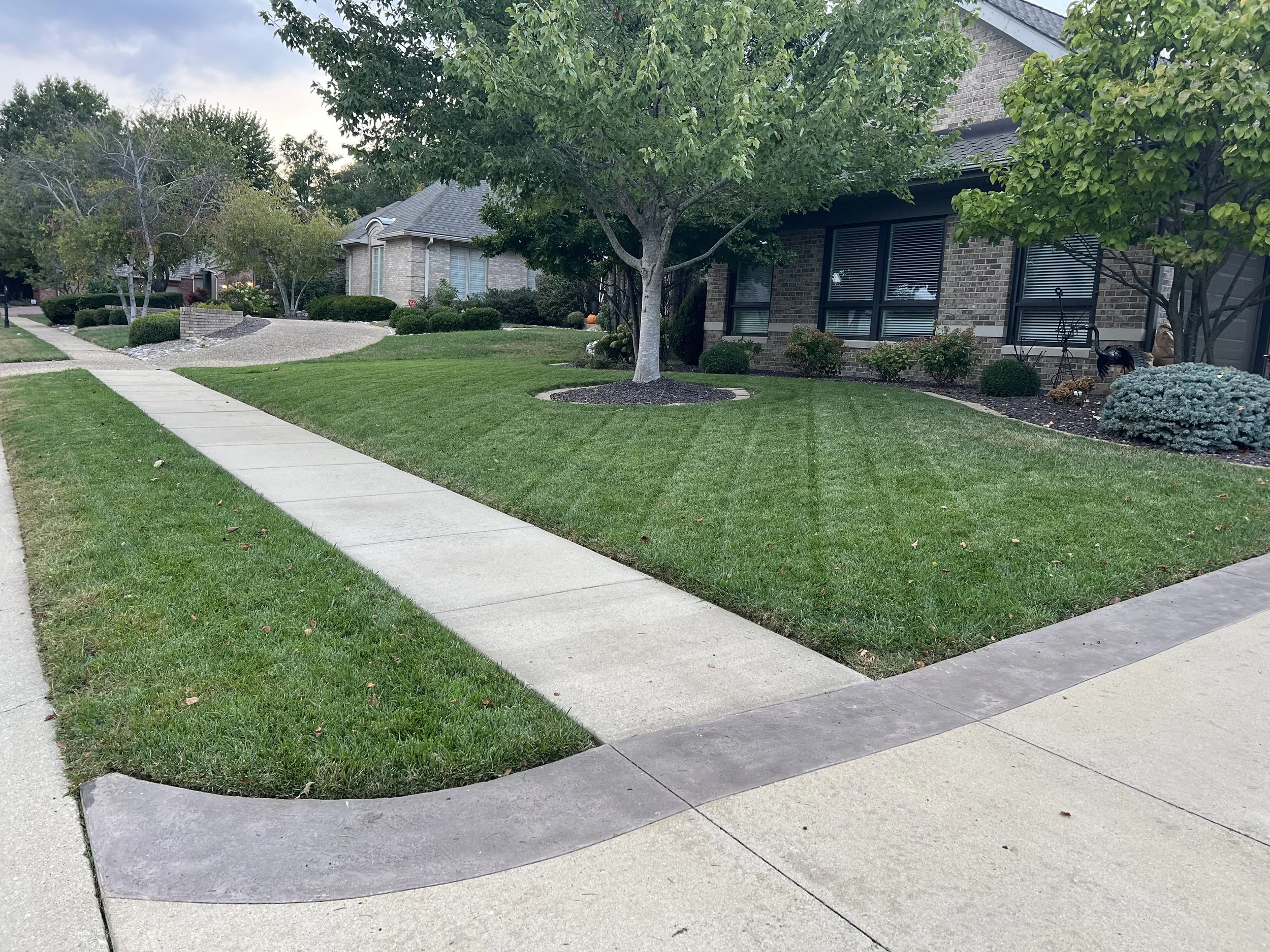
Professional Lawn Care and Soil Management with Freedom Lawns Hampstead NC
Freedom Lawns Hampstead NC provides science-based lawn maintenance, specializing in soil health, weed control, and turf nutrition for the unique coastal climate of Pender County. As of 2026, they continue to offer customized programs f...
Freedom Lawns Hampstead NC provides science-based lawn maintenance, specializing in soil health, weed control, and turf nutrition for the unique coastal climate of Pender County. As of 2026, they continue to offer customized programs for Centipede, St. Augustine, and Bermuda grasses, emphasizing environmentally friendly solutions tailored to the local sandy soil and high-humidity environment.
Contents
The Agronomic Approach to Coastal Turf Management
In Hampstead, North Carolina, maintaining a lush, green lawn is not merely a matter of regular watering and occasional mowing. The region’s proximity to the coast, characterized by sandy soils, high humidity, and salt-laden air, presents a unique set of challenges that standard "big box" lawn treatments often fail to address. Freedom Lawns Hampstead NC differentiates itself through an agronomic philosophy—a science-first approach that prioritizes the health of the soil as the foundation for turf performance.
Instead of relying on heavy applications of high-nitrogen synthetic fertilizers that can lead to rapid, weak growth and nutrient runoff into local waterways like the Intracoastal Waterway, the focus is on soil biology. By improving the soil's ability to retain nutrients and water, the grass becomes naturally more resilient against the stressors of the NC climate. This method, often referred to as "Integrated Plant Management" (IPM), reduces the total volume of chemicals needed by ensuring the plants are healthy enough to compete with weeds and resist pests.
Understanding the Hampstead, NC Soil Profile
The soil in Hampstead and surrounding areas like Surf City and Holly Ridge is predominantly sandy. While sand offers excellent drainage, it has a very low Cation Exchange Capacity (CEC). This means the soil is poor at holding onto essential nutrients like potassium, calcium, and magnesium. Without a professional management plan, fertilizers applied by homeowners often leach through the sand before the roots can absorb them, wasting money and potentially harming the local ecosystem.
Soil pH and Nutrient Availability
In 2026, soil testing remains the critical first step in any Freedom Lawns program. Coastal North Carolina soils often lean toward the acidic side, which can "lock" nutrients in the soil, making them unavailable to the grass. For common local turfs like Centipede grass, a slightly acidic pH is preferred, but for St. Augustine or Bermuda, adjustments with lime are often necessary to move the pH closer to neutral. Freedom Lawns utilizes these tests to create a prescription-based application schedule rather than a generic one-size-fits-all approach.
Comprehensive Services for Residential and Commercial Properties
Freedom Lawns Hampstead NC provides a suite of services designed to cover the entire lifecycle of the lawn, from spring green-up to winter dormancy. These services are categorized based on the specific needs of warm-season grasses which dominate the Southeastern NC landscape.
Professional Fertilization and Nutrition
The 2026 fertilization programs use slow-release, organic-based products. These materials break down over time, providing a steady "spoon-feeding" of nutrients rather than a spike in growth. This is particularly important for coastal lawns where "surge growth" from cheap fertilizers can lead to increased thatch buildup and higher susceptibility to fungal diseases like Large Patch (Brown Patch).
Advanced Weed Control Strategies
Weed management in Hampstead requires a proactive approach. The mild winters in North Carolina mean that winter weeds can establish themselves early, while summer weeds like Crabgrass and Goosegrass thrive in the heat.
- Pre-emergent Barriers: These are applied in early spring and late fall to stop weed seeds from germinating.
- Post-emergent Targeting: Selective herbicides are used to treat existing weeds without harming the specific turf variety. This is crucial because a product safe for Bermuda might be lethal to Centipede grass.
Pest and Insect Mitigation
Coastal lawns are frequently under attack from sub-surface and surface-feeding insects.
- Mole Crickets: These are a significant threat in sandy Hampstead soils, as they tunnel through the root zone, causing the grass to dry out and die.
- Chinch Bugs: Often found in St. Augustine lawns, these tiny pests suck the moisture out of grass blades, leading to yellowing patches that are often mistaken for drought stress.
- Grub Control: Targeting the larvae of beetles before they can destroy the root system is a core component of the Freedom Lawns protective strategy.
Seasonal Treatment Schedule for 2026
The timing of applications is just as important as the products used. Warm-season grasses have specific windows of vulnerability and growth.
| Season | Primary Focus | Key Actions |
|---|---|---|
| Late Winter / Early Spring | Dormancy Break & Prevention | Pre-emergent weed control; Soil pH adjustment; Light potassium application. |
| Late Spring | Root Development | Balanced fertilization; Broadleaf weed spotting; Initial insect inspection. |
| Summer | Stress Management | High-potassium "summer stress" feeds; Chinch bug and Mole Cricket monitoring; Irrigation audits. |
| Late Summer / Fall | Recovery & Protection | Fall pre-emergent for winter weeds; Recovery fertilization; Disease prevention (Large Patch). |
| Winter | Soil Conditioning | Lime applications (if needed); Equipment maintenance; Planning for the upcoming year. |
The Impact of Core Aeration in Coastal Environments
One of the most overlooked aspects of lawn care in the Hampstead area is core aeration. Over time, the soil—even sandy soil—can become compacted due to foot traffic, lawn equipment, and the natural settling of fine particles. Compacted soil prevents oxygen, water, and nutrients from reaching the root zone.
Freedom Lawns utilizes mechanical core aerators to remove small plugs of soil and thatch. This process:
- Reduces Thatch: Breaks up the organic layer that can harbor insects and disease.
- Improves Drainage: Helps water penetrate deeper, encouraging deeper root growth.
- Enhances Oxygen Exchange: Allows the soil "breathe," which is vital for the beneficial microbes that support plant health.
For warm-season grasses, this is typically performed during the peak growing season (May through July) when the grass is aggressive enough to fill in the aeration holes quickly.
Environmental Stewardship and Local Water Quality
As a coastal community, Hampstead is deeply connected to the health of its water. Runoff from poorly managed lawns is a primary contributor to nitrogen and phosphorus pollution in local sounds and marshes. Freedom Lawns Hampstead NC emphasizes environmental stewardship by:
- Using Phosphorus-Free Fertilizers: Most NC soils already have adequate phosphorus; adding more only leads to runoff and algae blooms.
- Targeted Spraying: Instead of "blanket spraying" the entire property with pesticides, technicians often use spot-treatment methods to reduce the total chemical footprint.
- Education: Providing homeowners with proper mowing and watering instructions, as even the best professional program can be undermined by improper DIY maintenance.
Common Lawn Diseases in Pender County
The high humidity of the North Carolina coast creates a breeding ground for fungal pathogens. Freedom Lawns technicians are trained to identify these issues before they become catastrophic.
- Large Patch (Rhizoctonia solani): Formerly known as Brown Patch, this affects Centipede and St. Augustine most severely in the spring and fall when temperatures are moderate and moisture is high.
- Gray Leaf Spot: A common summer disease for St. Augustine grass, often triggered by excessive nitrogen and high humidity.
- Dollar Spot: Small, silver-dollar-sized spots that indicate a nitrogen deficiency or excessive leaf wetness.
Why Professional Management Outperforms DIY in 2026
While many homeowners attempt to manage their own lawns, the complexity of the North Carolina environment often leads to suboptimal results or expensive mistakes.
- Equipment Calibration: Professional spreaders and sprayers are calibrated to deliver the exact amount of product required. DIY equipment often results in uneven application, leading to "striping" or chemical burns.
- Product Access: Professionals have access to commercial-grade products and biological stimulants that are not available in retail stores.
- Diagnostic Expertise: Knowing the difference between a fungal infection and a chinch bug infestation can save a lawn from total failure. Applying a fungicide when the problem is actually an insect (or vice versa) is a common and costly DIY error.
Frequently Asked Questions
Is the lawn treatment safe for my pets and children?
Yes, Freedom Lawns uses products that are safe for pets and children once they have dried. Technicians typically recommend staying off the lawn for 1-2 hours after an application. In 2026, the company continues to prioritize low-toxicity, organic-based solutions that minimize environmental risks while maintaining efficacy.
How often will a technician visit my property?
Most standard programs consist of 6 to 8 visits per year, spaced roughly 6 to 8 weeks apart. This frequency ensures that pre-emergent barriers remain effective and that the grass receives nutrients at the specific stages of its growth cycle.
Why is my Centipede grass turning yellow in the summer?
In the Hampstead area, yellowing (chlorosis) in Centipede grass is often a sign of iron deficiency or an improper soil pH. Because Centipede prefers more acidic soil, a high pH can prevent the plant from absorbing iron. Freedom Lawns addresses this by testing the soil and applying chelated iron treatments to restore the green color without forcing excessive growth.
Do I need to water my lawn immediately after a treatment?
It depends on the specific treatment. Most granular fertilizers and certain weed controls benefit from light watering to "activate" the product. However, some liquid weed treatments need time to dry on the leaf blade to be effective. Your technician will provide specific post-application instructions after every visit.
Can Freedom Lawns help with a lawn that is mostly weeds?
Absolutely. However, it is important to have realistic expectations. A lawn that is 70% weeds may require a "reset" or a multi-year plan to transition back to healthy turf. In some cases, the team may recommend a combination of aggressive weed control and aeration/seeding to establish a new stand of grass.
Recommendation for Next Actions
For residents in Hampstead, NC, looking to improve their property's curb appeal and health, the first step should always be a professional soil analysis. Rather than purchasing generic fertilizers, contact Freedom Lawns Hampstead NC for a site evaluation. This allows for a customized plan that accounts for your specific turf type, shade levels, and soil conditions. Maintaining a consistent mowing height (around 2 inches for Centipede, 3-4 inches for St. Augustine) and watering deeply but infrequently will further enhance the results of any professional treatment program.
Image Gallery