Understanding the Wicked Poster Drama: Fan Edits, Actor Reactions, and Marketing Controversies
The Wicked poster drama refers to the viral 2024 controversy surrounding the promotional poster for Universal Pictures' feature film adaptation of the hit musical Wicked. When a fan digitally altered the film's poster to match the orig...
The Wicked poster drama refers to the viral 2024 controversy surrounding the promotional poster for Universal Pictures' feature film adaptation of the hit musical Wicked. When a fan digitally altered the film's poster to match the original 2003 Broadway graphic by hiding actor Cynthia Erivo’s eyes, Erivo publicly condemned the edit as insulting and erasing. The incident ignited global debate over artistic integrity, fan culture boundaries, and digital image manipulation in film marketing.
Contents
The Origin of the Wicked Poster Controversy
The visual identity of Wicked has been iconic since the musical’s Broadway debut in 2003. The original stage illustration, created for the show's marketing by advertising agency Serino Coyne, depicted a stylized graphic illustration: Glinda in a white dress whispering into the ear of Elphaba, the Wicked Witch of the West. Elphaba was rendered in silhouette beneath a wide-brimmed witch hat, with her eyes completely obscured by shadow and her face featuring a bold, crimson smile.
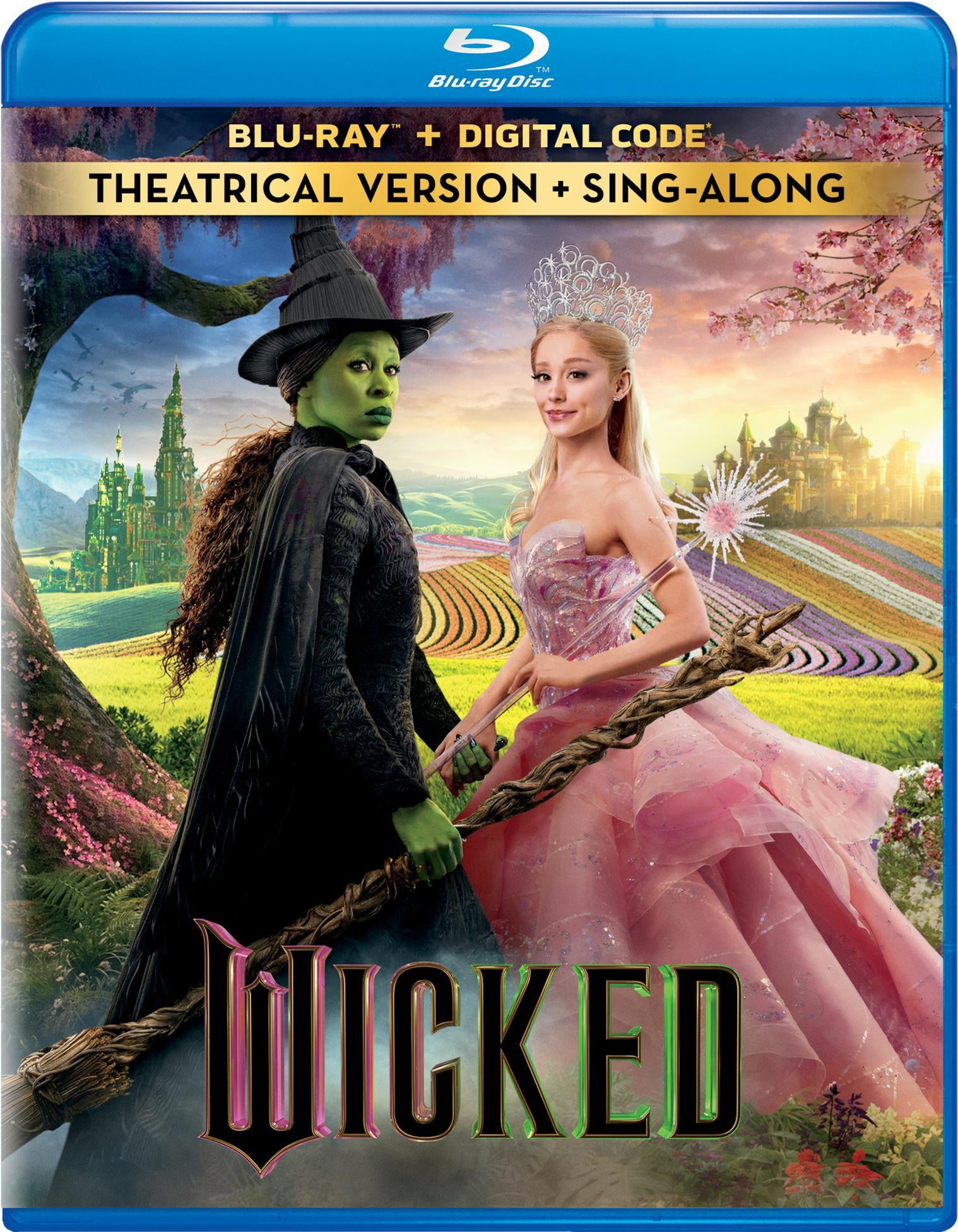
When Universal Pictures began its marketing campaign for director Jon M. Chu’s 2024 cinematic adaptation starring Cynthia Erivo as Elphaba and Ariana Grande as Glinda, the studio released a live-action theatrical poster designed as a direct homage to that Broadway artwork. However, because the film poster featured real actors in live-action photography rather than flat graphic illustrations, key visual adjustments were made:
- Visibility of the Eyes: Cynthia Erivo’s eyes were clearly visible beneath the brim of her hat, looking directly at the viewer with vulnerability and determination.
- Lipstick Palette: Rather than the theatrical red lipstick of the stage illustration, Erivo’s Elphaba wore a subtle, natural lip color consistent with her character's live-action look in the film.
- Pose and Lighting: The lighting was bright and cinematic, emphasizing the physical presence of both lead actors in three-dimensional space.
Shortly after the official poster was released in October 2024, a fan digitally altered the image using graphic software. The user pulled the brim of Elphaba’s hat lower to completely obscure Erivo's eyes, changed her lipstick to bright red, and adjusted the color balance to mimic the flat, graphic look of the 2003 stage poster. The edit quickly circulated across social media platforms including X (formerly Twitter), TikTok, and Instagram, championed by some theatre fans who preferred exact visual fidelity to the original Broadway art.
Cynthia Erivo’s Response and the Artistic Integrity Debate
The situation escalated dramatically when Cynthia Erivo shared the fan edit on her personal Instagram account, expressing deep offense at the alteration. In a detailed statement published to her Instagram Stories, Erivo articulated why the edit went far beyond harmless fan enthusiasm:
"This is the wildest, most offensive thing I have seen... None of this is funny. None of it is cute. It degrades me. It degrades us."
Erivo emphasized that as an actor, her eyes and facial expressions are primary instruments for conveying emotion, humanity, and narrative depth. By obscuring her eyes and digitally altering her face, the fan edit effectively erased her physical performance from the poster. She questioned why an artist's real face and acting performance should be erased simply to satisfy visual nostalgia for a two-dimensional stage drawing.
Key Concerns Raised by Cynthia Erivo:
- Erasure of Acting Performance (hiding eyes and facial nuance)
- Devaluation of Live-Action Adaptation vs. Stage Graphics
- Context of Marginalization (erasing the physical features of a Black lead actor)
The response split online commentators into distinct camps. Supporters of Erivo emphasized the historical context of Black actors having their features minimized or altered in media marketing, arguing that replacing an actor's live performance with a digital mask strips away agency and artistic work. Opponents and casual onlookers argued that the fan edit was merely an innocent homage to the original stage branding, asserting that the studio's official poster should have matched the Broadway original from the start.
The creator of the fan edit subsequently issued a public apology, explaining that the edit was created out of nostalgic passion for the musical's original visual identity without any malicious intent toward Erivo or the cast.
Timeline of Events: From Poster Reveal to Global Discourse
To understand how a single image edit developed into a landmark discussion on modern media marketing, it helps to examine the sequence of events as they unfolded during the film's promotional campaign leading up to its late 2024 theatrical release.
- October 9, 2024 — Official Poster Release: Universal Pictures releases the main theatrical poster featuring Erivo and Grande recreating the iconic Broadway pose in live action.
- October 10–12, 2024 — Fan Edits Emerge: Fans on social media platforms begin editing the poster to match the 2003 Broadway graphic, obscuring Erivo's eyes and recoloring her lips.
- October 15, 2024 — Erivo Speaks Out: Cynthia Erivo posts a critique on her Instagram Story, calling out the edit as offensive and calling for respect toward her performance and image.
- October 16, 2024 — Fan Editor Responds: The original editor deletes the post and releases a statement taking responsibility, apologizing for causing distress to Erivo.
- October 17–20, 2024 — Industry-Wide Reaction: Co-stars including Ariana Grande, as well as film industry observers and commentators, weigh in on the delicate balance between fan nostalgia, studio marketing, and performer respect.
Comparing Visual Identifications: Stage Art vs. Film Poster vs. Fan Edit
The structural differences between graphic illustration and live-action photography played a central role in the controversy. The table below breaks down the technical and creative distinctions among the three versions of the Wicked promotional artwork:
| Visual Feature | Original Broadway Art (2003) | Official Film Poster (2024) | Viral Fan Edit (2024) |
|---|---|---|---|
| Medium | Graphic illustration | Live-action photograph | Digitally altered photograph |
| Elphaba’s Eyes | Fully shaded / Hidden | Fully visible and expressive | Fully shaded / Erased |
| Lip Color | Bright crimson red | Natural green / Muted tone | Digitally painted bright red |
| Glinda’s Pose | Stylized whisper gesture | Cinematic live-action pose | Modified shadow overlay |
| Primary Design Intent | Abstract theatrical branding | Character-driven film promotion | Exact Broadway homage |
| Cast Reaction | N/A (Original art) | Approved by studio and cast | Strongly criticized by lead actor |
Wider Marketing Context: The Retail Packaging Incident
While the poster controversy generated intense discussions regarding visual art and performance, it was not the only promotional hurdle encountered during the Wicked marketing rollout in late 2024. A separate, high-profile packaging error involving official movie merchandise added to the public interest surrounding the film's promotional assets.
Mattel, the toy manufacturer producing official Wicked singing dolls, accidentally printed an incorrect URL on the back of product packaging. Instead of directing consumers to the official film website (WickedMovie.com), the packaging printed a link to an adult entertainment site with a similar domain name.
Mattel quickly issued a formal apology, advised parents to discard the packaging or obscure the misprinted URL, and pulled affected units from store shelves. While completely separate from the digital poster controversy, this logistics error contributed to a heightened media focus on the complex, highly scrutinized marketing operations of large-scale Hollywood blockbusters.
Broader Implications for Digital Fan Art and Movie Marketing
The Wicked poster drama highlights a fundamental shift in how promotional material is consumed, dissected, and altered in the age of generative AI and accessible photo-editing tools. Digital media creation has democratized photo manipulation, allowing fans to alter promotional materials within minutes of their release.
Evolution of Fan Interaction with Marketing Materials:
- Passive Consumption (Pre-Digital)
- Active Critique & Discussion (Web 1.0/2.0)
- Real-Time Digital Alteration & Redistribution (Modern Social Media)
This structural evolution presents unique challenges for film studios and performers:
- Preserving Human Performance in Visual Media: Live-action film marketing relies on the emotional connection established through human facial expressions. Obscuring an actor's face in live photography can disconnect audiences from the narrative performance.
- Navigating Intellectual Property and Fan Culture: While fan art is traditionally viewed as a sign of audience engagement, direct edits to an actor's physical face can cross into personal boundary violations.
- Cultural Sensitivity in Character Portrayals: The representation of diverse casts requires thoughtful consideration of how features are depicted, lit, and shaded, particularly when modifying imagery of Black actors.
Frequently Asked Questions
What was the Wicked poster drama?
The Wicked poster drama was a 2024 viral controversy sparked when a fan digitally modified the live-action promotional poster for the film adaptation of Wicked. The edit obscured actor Cynthia Erivo's eyes and altered her facial features to match the original 2003 Broadway musical illustration, prompting Erivo to publicly criticize the edit as offensive and reductive toward her performance.
Why did Cynthia Erivo object to the fan-edited poster?
Cynthia Erivo objected to the edit because it erased her eyes and facial expressions, which are essential components of her acting performance. She voiced frustration over having her real physical features hidden and altered to satisfy graphic nostalgia, noting that removing an actor's gaze diminishes their humanity and emotional presence on screen.
Who created the original Broadway Wicked poster artwork?
The iconic 2003 Broadway Wicked graphic artwork was created by advertising agency Serino Coyne, with illustrations designed to establish a striking, high-contrast visual brand for the theatrical production.
Did Ariana Grande comment on the poster controversy?
Ariana Grande expressed support for Cynthia Erivo, affirming that transitioning a beloved stage property to a live-action film requires honoring the real human performances behind the characters rather than treating actors as flat graphics.
How did the editor of the fan poster respond?
The fan who posted the altered image publicly apologized for causing distress. They clarified that the edit was intended purely as an homage to the original Broadway poster design and expressed regret for failing to consider how altering Erivo's face would affect the actor.
Key Takeaways and Best Practices for Digital Creators
The fallout from the Wicked poster controversy offers clear guidance for graphic designers, film marketers, and fans engaging with promotional media:
- Respect the Human Element in Live Action: Understand that live-action marketing serves to highlight an actor's performance, whereas graphic design for stage productions often relies on abstraction.
- Recognize the Impact of Image Manipulation: Modifying an artist's physical face—especially when removing eyes or altering skin tones—can carry unintended cultural and personal implications.
- Separate Nostalgia from Adaptation: Cinematic adaptations naturally require unique visual identities distinct from their stage predecessors to fit the medium of film.
Image Gallery