The Rise of Fortnite in Modern Gaming
Fortnite transformed modern gaming by popularizing the free-to-play battle royale model, pioneering widespread cross-platform play, and evolving into a persistent virtual social space through continuous live-service updates and high-pr...
Fortnite transformed modern gaming by popularizing the free-to-play battle royale model, pioneering widespread cross-platform play, and evolving into a persistent virtual social space through continuous live-service updates and high-profile brand collaborations.
Contents
Introduction to the Phenomenon
When Epic Games launched Fortnite in 2017, the industry landscape looked vastly different. Premium-priced, linear titles dominated traditional console and PC spaces, while multiplayer games typically required separate purchases and walled gardens for each device. Initially introduced as a cooperative tower-defense game subtitled Save the World, the title shifted trajectory with the September 2017 release of its 100-player PvP mode, Battle Royale.
This pivot catalyzed an unprecedented cultural shift. By combining accessible building mechanics, vibrant visual styling, and a distribution model that removed upfront financial barriers, Epic Games captured a massive global audience. Over the years, the platform expanded far beyond its shooter roots. It evolved into a digital ecosystem hosting virtual concerts, interactive narrative events, and user-generated content spaces, fundamentally altering how entertainment companies market intellectual property and how players socialize online.
The Foundation of Free-to-Play and Cross-Platform Play
At the core of the rise of Fortnite is a structural disruption of traditional video game monetization and distribution. Understanding this growth requires examining the technical and economic pillars that enabled its widespread adoption.
The Zero-Barrier Economic Model
Traditional game releases relied heavily on box-office sales or mandatory season passes that fragmented player bases. Epic Games adopted a free-to-play framework supported entirely by optional cosmetic microtransactions and seasonal Battle Passes. This approach eliminated the financial friction of entry, allowing friends to join matches instantly without coordinating purchases. The Battle Pass system subsequently became an industry standard, rewarding sustained player engagement with tiered rewards over a set timeframe.
Breaking Down Hardware Barriers
Before 2018, playing online multiplayer games with friends on competing console ecosystems was rare. Epic Games engineered infrastructure that enabled seamless cross-platform play between PlayStation, Xbox, Nintendo Switch, PC, mobile devices, and cloud-streaming services. This technical achievement pressured platform holders to open their networks, permanently shifting consumer expectations regarding digital ownership and multiplayer interoperability.
| Feature / Element | Traditional Multiplayer (Pre-2017) | The Fortnite Model |
|---|---|---|
| Initial Cost | $60 upfront purchase required | Free-to-play across all supported devices |
| Platform Connectivity | Walled gardens (isolated by console or PC) | Universal cross-play and cross-progression |
| Monetization | Expansion packs, map DLC, loot boxes | Cosmetic microtransactions and seasonal Battle Passes |
| Content Lifecycle | Periodic patches and planned expansions | Weekly live updates, dynamic events, and UGC tools |
Evolution into a Live-Service Virtual World
Rather than treating Fortnite as a static product, Epic Games managed the title as an ongoing service. This operational shift redefined expectations for game longevity and content delivery speed.
Live Events and Narrative Integration
The game abandoned traditional storytelling methods in favor of synchronized, live in-game events. Millions of concurrent players would log in simultaneously to witness interactive narrative turning points, such as giant mecha battles, black hole screen wipes, and seasonal map transformations. These moments turned gameplay sessions into communal milestones, driving viral social media engagement and mainstream media coverage.
Brand Partnerships and Cultural Crossovers
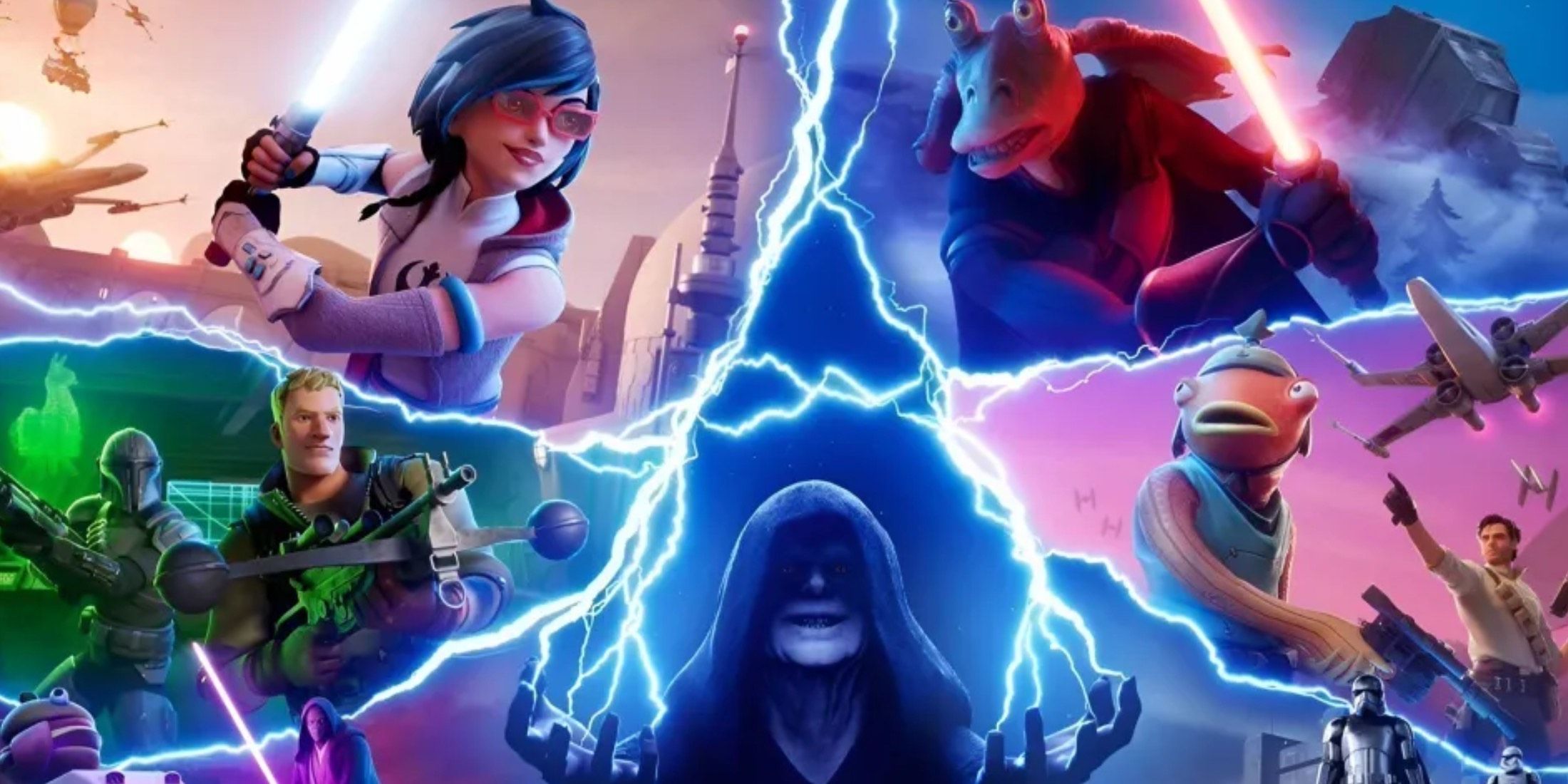
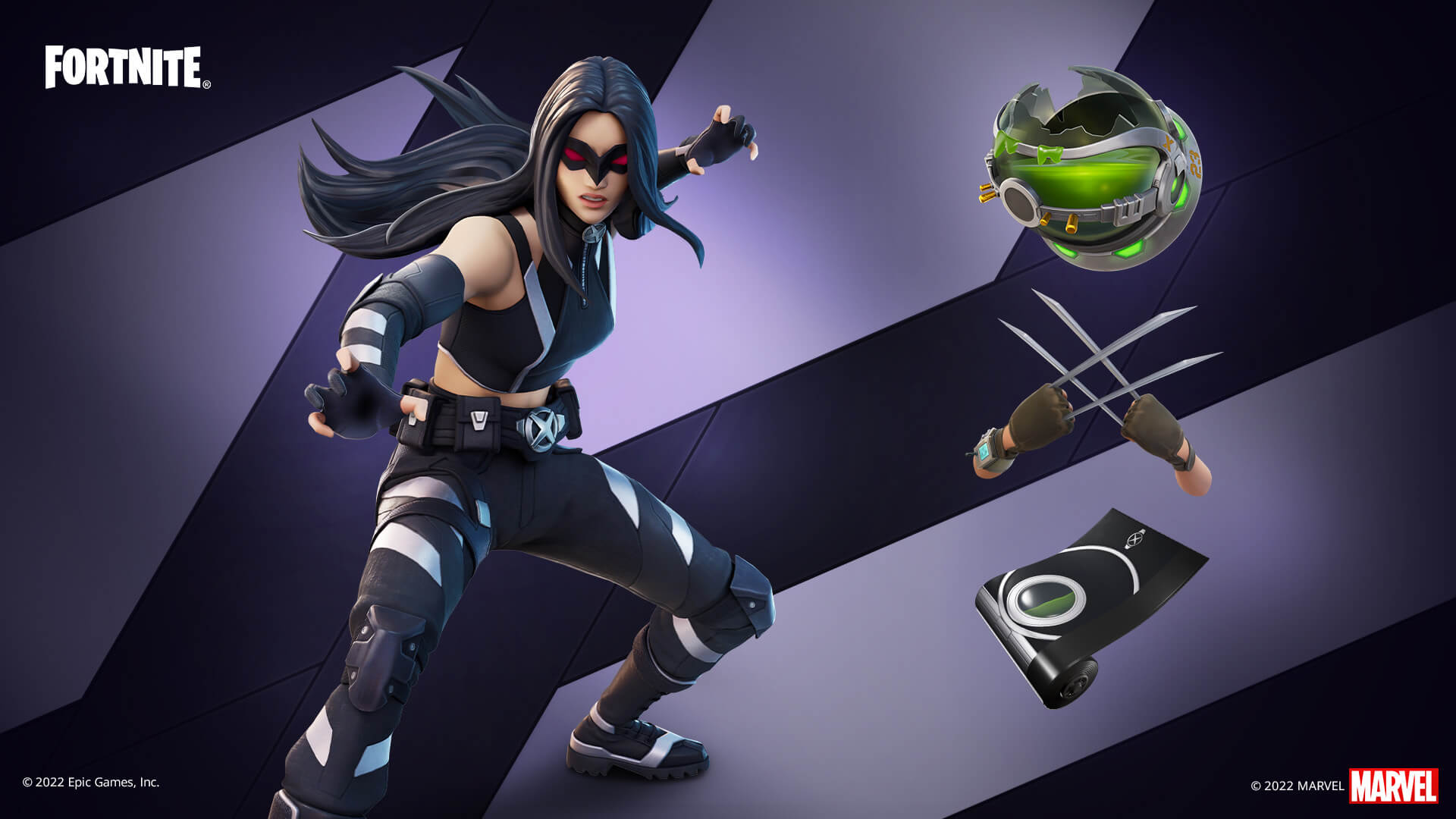
Epic Games systematically integrated major intellectual properties from film, music, anime, sports, and fashion into the game's universe. Collaborations with franchises like Star Wars, Marvel, and the National Football League, alongside virtual musical performances by artists such as Travis Scott and Ariana Grande, transformed the platform into a digital advertising and cultural intersection. Players could inhabit recognizable characters while participating in shared virtual spaces.
Technological Scaling and Unreal Engine Integration
Behind the cultural phenomena lies significant technical infrastructure. Epic Games leveraged its proprietary Unreal Engine to optimize performance across a staggering range of hardware configurations, from high-end gaming rigs to mobile phones and Nintendo Switch consoles.
Furthermore, the introduction of Unreal Editor for Fortnite (UEFN) marked a transition from a closed game to an open creation platform. UEFN gave developers and community creators professional-grade tools to build custom game modes, islands, and economies within the ecosystem. This shift mirrored user-generated content models seen in platforms like Roblox, expanding the game's functional scope from a single battle royale title into a multi-genre hub.
Common Criticisms and Industry Challenges
Despite its success, the rise of Fortnite generated significant debate within the gaming industry and mainstream discourse.
- Microtransaction Economy: Critics, particularly parent advocacy groups, raised concerns over the psychological impact of digital storefronts and FOMO (fear of missing out) marketing tactics targeting younger demographics.
- Crunch and Development Pace: The constant demand for weekly updates placed immense pressure on Epic Games' development staff, highlighting broader labor sustainability issues within the live-service sector.
- Gameplay Fatigue: Frequent weapon balancing adjustments, massive map overhauls, and shifting core mechanics occasionally alienated veteran players who preferred simpler, static gameplay iterations.
Frequently Asked Questions
When was Fortnite released?
Save the World launched in early access on July 25, 2017, followed by the release of Battle Royale on September 26, 2017.
Is Fortnite completely free to play?
Yes, the core Battle Royale, Zero Build, and community-created modes are free to download and play without a subscription. Optional purchases are restricted to cosmetic items, such as outfits, pickaxes, and the seasonal Battle Pass, which do not grant competitive advantages.
How did Fortnite change cross-platform gaming?
It forced major console manufacturers to relax restrictive online policies by demonstrating that technical cross-play between PlayStation, Xbox, Nintendo, and mobile platforms was stable, secure, and highly demanded by consumers.
What is Unreal Editor for Fortnite (UEFN)?
UEFN is a PC application that allows creators and developers to build custom games and experiences directly within the ecosystem, utilizing Unreal Engine assets and paying out revenue shares to eligible creators based on player engagement.
Can you play Fortnite without building structures?
Yes, Epic Games introduced Zero Build as a permanent game mode. This mode removes the harvesting and construction mechanics, focusing entirely on tactical gunplay, movement, and environmental cover.
Conclusion
The rise of Fortnite redefined modern gaming by establishing new benchmarks for cross-platform accessibility, live-service content delivery, and virtual socialization. By continuously adapting its technical infrastructure and expanding into an open creation platform, Epic Games turned a standard multiplayer shooter into a durable digital hub that continues to shape the trajectory of interactive entertainment.
Image Gallery