The Role of Asian Zoos in Modern Conservation
Asian zoos have evolved significantly over the past few decades, transitioning from traditional menageries focused primarily on public entertainment to vital centers for wildlife conservation, scientific research, and environmental edu...
Asian zoos have evolved significantly over the past few decades, transitioning from traditional menageries focused primarily on public entertainment to vital centers for wildlife conservation, scientific research, and environmental education. Across the continent, modern institutions face the complex challenge of balancing the needs of rapidly growing urban populations with the urgent imperative to protect increasingly threatened native biodiversity.
Contents
The Evolution of Asian Zoos: From Menageries to Conservation Hubs
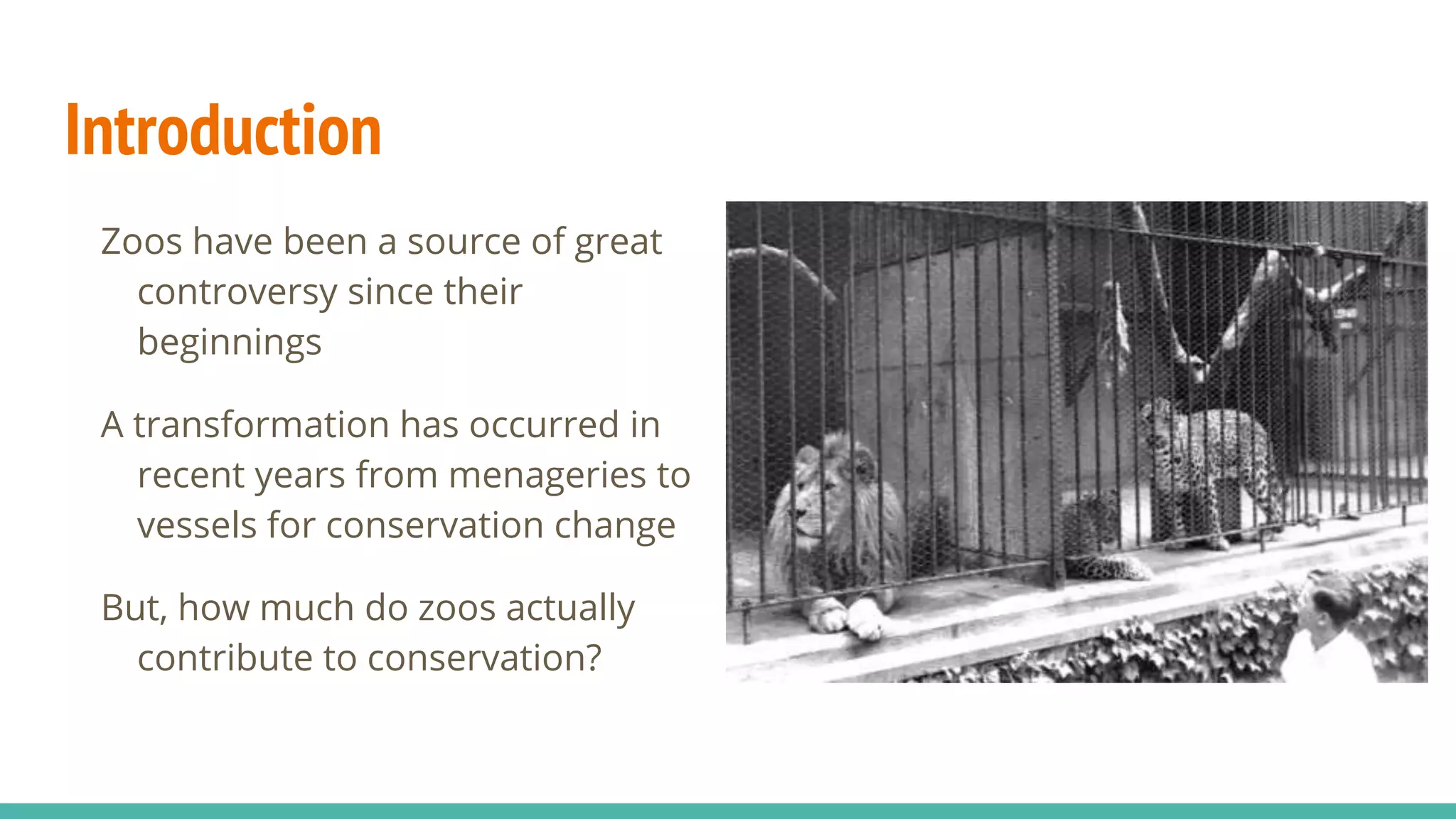
Historically, many zoological facilities across Asia functioned as static collections of exotic and native animals, housed in concrete and iron enclosures designed strictly for human viewing convenience. Animal welfare standards were frequently low, and educational programming was virtually nonexistent. However, a profound paradigm shift has taken place, driven by shifting public values, stricter international regulations, and a growing awareness of the severe ecological crises confronting the region.
Today, leading institutions in countries such as Singapore, Japan, Thailand, and China are members of regional and global professional networks, including the World Association of Zoos and Aquariums (WAZA) and the Southeast Asian Zoos and Aquariums Association (SEAZA). These memberships enforce rigorous standards regarding animal husbandry, enclosure design, veterinary care, and ethical operations. By shifting their primary focus from mere exhibition to species preservation, these modern facilities have transformed into active participants in global biodiversity protection strategies.
Species Preservation and Captive Breeding Programs
One of the most critical functions of contemporary Asian zoos is the execution of targeted captive breeding programs for critically endangered species. Asia encompasses multiple global biodiversity hotspots, many of which are under severe pressure from deforestation, habitat fragmentation, and the illegal wildlife trade. Zoos provide a vital insurance policy against extinction for species whose wild populations are on the brink of collapse.
Coordinated regional breeding networks utilize sophisticated demographic and genetic management tools, such as studbooks, to maintain healthy, genetically diverse captive populations. These programs ensure that animal populations retained under human care remain robust, reducing the need to capture animals from the wild.
| Species Focus | Primary Region | Conservation Strategy | Key Institutional Partner |
|---|---|---|---|
| Giant Panda (Ailuropoda melanoleuca) | China | Captive breeding, reintroduction research | China Conservation and Research Center for the Giant Panda |
| Sumatran Orangutan (Pongo abelii) | Indonesia / Southeast Asia | Rescue, rehabilitation, and release | Batu Secret Zoo, Taman Safari |
| Asian Elephant (Elephas maximus) | South and Southeast Asia | Welfare improvement, veterinary research | Singapore Zoo, Thai Elephant Conservation Center |
| Philippine Eagle (Piconophaga jefferyi) | Philippines | Captive breeding and habitat protection | Philippine Eagle Foundation |
Beyond breeding for internal collections, modern facilities increasingly participate in formal reintroduction and reinforcement programs. When secure natural habitat is identified and protected, captive-bred individuals can sometimes be returned to the wild to bolster declining populations or reestablish extirpated local groups. This intricate process requires meticulous behavioral conditioning, veterinary quarantine protocols, and long-term post-release monitoring to ensure survivability.
Scientific Research and Field Conservation Partnerships
Modern Asian zoos are not isolated islands; they serve as critical funding and logistical bases for field research and direct in-situ conservation initiatives. By channeling revenue generated from ticket sales and philanthropic donations directly into wild habitats, these institutions support anti-poaching patrols, ecological surveys, and community-based conservation education programs.
Collaborations between academic institutions and zoo veterinary teams have advanced the fields of reproductive physiology, behavioral ecology, and disease surveillance. For example, research into artificial insemination techniques and cryopreservation of gametes has yielded breakthroughs that help sustain dwindling populations of rare ungulates, large carnivores, and avian species. Furthermore, studying animal behavior under human care yields valuable data that aids field biologists in understanding wild counterparts, shedding light on habitat utilization, dietary needs, and social structures.
Education, Public Engagement, and Changing Human-Wildlife Dynamics
With hundreds of millions of visitors passing through Asian zoological facilities annually, these institutions hold an unparalleled platform for environmental education and public outreach. Urbanization across the continent has alienated many human populations from the natural world, fostering a disconnect from environmental issues. Zoos bridge this gap by offering immersive, close-up encounters with wildlife that foster empathy and ecological awareness.
Educational frameworks have evolved far beyond simple signage displaying scientific names. Modern exhibits employ immersive landscaping that mimics natural habitats, contextual interpretive graphics, and daily keeper talks that highlight broader conservation themes such as sustainable palm oil production, illegal wildlife trafficking, and climate change. By engaging younger generations through school programs and interactive workshops, Asian zoos cultivate a culture of environmental stewardship that extends far beyond the park boundaries.
Operational Challenges and Welfare Standards
Despite substantial progress, the zoological sector in Asia remains diverse, with significant disparities in standards between world-class facilities and smaller, underfunded roadside menageries or private collections. Ensuring consistent, high-level animal welfare across vast geographic regions with differing regulatory frameworks remains an ongoing challenge for international bodies and regional associations.
Financial sustainability is another critical factor. Many public institutions rely heavily on gate receipts, which can fluctuate wildly due to economic downturns, political instability, or public health emergencies such as pandemics. Maintaining state-of-the-art veterinary hospitals, specialized diets, and expansive, naturalistic enclosures requires continuous capital investment and skilled personnel. Striking the right balance between commercial entertainment demands and strict conservation science is a delicate balancing act that facility managers must navigate daily.
Frequently Asked Questions
Do Asian zoos still capture wild animals to stock their exhibits?
Reproductive self-sufficiency is a core tenet of modern accredited zoos. Reputed institutions belonging to networks like WAZA and SEAZA strictly prohibit the acquisition of animals from the wild unless it is part of a sanctioned rescue, rehabilitation, or government-approved conservation initiative for an injured or orphaned individual that cannot survive independently.
How do zoos contribute to stopping the illegal wildlife trade?
Zoos contribute by housing confiscated victims of the illegal pet and traditional medicine trades, providing long-term sanctuary, and funding law enforcement training and anti-poaching units in source countries. Additionally, public awareness campaigns educate consumers on the devastating impacts of purchasing protected wildlife products.
Are captive breeding programs successful at returning animals to the wild?
While reintroduction is complex and resource-intensive, there are notable successes, particularly with birds and smaller mammals. For large mammals and apex predators, reintroduction is significantly more challenging due to widespread habitat loss, human-wildlife conflict, and the psychological hurdles of transitioning from human care to the wild. Consequently, captive breeding is primarily viewed as an insurance population alongside habitat protection.
What is the difference between in-situ and ex-situ conservation?
In-situ conservation refers to the protection of species in their natural habitats, such as establishing national parks and wildlife reserves. Ex-situ conservation involves protecting species outside their natural habitats, such as in zoos, botanical gardens, or seed banks, typically utilized when wild habitats are severely degraded or populations face immediate extinction.
How can visitors ensure a zoo prioritizes animal welfare and conservation?
Visitors should look for accreditations from recognized bodies such as the World Association of Zoos and Aquariums (WAZA) or regional equivalents like SEAZA and the Japanese Association of Zoos and Aquariums (JAZA). These organizations mandate high standards of animal husbandry, enclosure enrichment, safety, and active participation in international conservation breeding programs.
Conclusion and Next Actions
Asian zoos have graduated from historical repositories of captive wildlife into essential anchors for regional biodiversity conservation, scientific discovery, and public education. For these institutions to fulfill their full potential in the face of escalating environmental pressures, ongoing support from governments, international conservation organizations, and the visiting public is essential. When planning a visit or supporting a wildlife facility, prioritize accredited institutions that transparently channel resources into field research, habitat protection, and high-standard animal welfare.
Image Gallery