How to Choose the Best Way to Cook Oysters: A Comprehensive Guide
Choosing the best way to cook oysters involves balancing the specimen’s size, salinity, and shell thickness against your desired texture. While petite, briny oysters excel raw or steamed, larger, meatier varieties are ideal for grillin...
Choosing the best way to cook oysters involves balancing the specimen’s size, salinity, and shell thickness against your desired texture. While petite, briny oysters excel raw or steamed, larger, meatier varieties are ideal for grilling, frying, or baking with rich toppings to complement their robust flavor profiles and higher fat content.
Contents
Understanding Your Oyster: The First Step in Selection
Before you even turn on a stove or light a grill, the "best" cooking method is dictated by the biological characteristics of the oyster in your hand. In 2026, with the advancement of restorative aquaculture, we have access to a wider variety of oysters than ever before. To choose a method, you must first identify the species and its origin, as these factors determine the meat-to-shell ratio and the salt content.
The Five Major Species
There are five primary species of oysters sold commercially, and each responds differently to heat:
- Atlantic Oysters (Crassostrea virginica): Found from Canada down to the Gulf of Mexico. They are typically briny and crisp. Their shells are teardrop-shaped and relatively sturdy. These are the versatile "all-rounders" that handle steaming and raw preparations perfectly.
- Pacific Oysters (Crassostrea gigas): These are often sweeter with notes of melon or cucumber. Their shells are jagged and fluted. Because they tend to be creamier and higher in glycogen, they hold up exceptionally well to the intense heat of a grill.
- Kumamoto Oysters (Crassostrea sikamea): Small, deep-cupped, and buttery. Because of their small size and high value, cooking them is often considered a waste of their delicate profile; they are almost exclusively served raw.
- European Flats (Ostrea edulis): Known as Belons, these have a powerful, metallic, and "coppery" taste. Their flat shape makes them difficult to cook without losing their precious liquor (the natural juice inside).
- Olympia Oysters (Ostrea lurida): Tiny and rare. Like Kumamotos, their diminutive size makes them poor candidates for the grill or fryer, as they overcook in seconds.
Assessing Shell Anatomy
The physical structure of the shell is a practical constraint on your cooking method. If the oyster has a deep cup, it can hold more "liquor" and toppings, making it ideal for baking (Oysters Rockefeller) or grilling. If the shell is shallow or flat, it is better suited for shucking and serving raw or quick-poaching, as the juices will spill out easily during the movement required for high-heat cooking.
Matching Flavor Profiles to Heat Sources
The chemical composition of an oyster—specifically its salinity and sweetness—should guide your choice of seasonings and heat.
High Salinity vs. High Sweetness
Oysters from colder, high-salinity waters (like those from the coast of Maine or Prince Edward Island) have a sharp, clean taste. These are best prepared with minimal heat. Steaming or very light poaching preserves that "ocean snap" without making the meat tough.
Conversely, oysters from warmer or less salty waters (like those from the Gulf Coast or certain Pacific estuaries) often have a milder, more "savory" flavor. These are the best candidates for frying or heavy baking. The milder meat provides a neutral canvas for bold ingredients like garlic butter, hot sauce, or breadcrumbs.
The Role of Oyster Liquor
The "liquor" is the filtered seawater found inside the shell. It is the lifeblood of the oyster’s flavor. When choosing a cooking method, ask yourself: Does this method preserve or enhance the liquor?
- Grilling: Preserves liquor if the oyster is kept level.
- Steaming: Dilutes liquor slightly but maintains the essence.
- Frying: Discards the liquor entirely, focusing only on the texture of the meat.
The Four Primary Cooking Methods Explained
To make the final decision, you must evaluate the equipment available and the desired complexity of the dish. Each method offers a different "end-state" for the oyster meat.
1. Steaming and Poaching (Gentle Heat)
This is the most conservative way to cook an oyster and is ideal for those who want to transition from raw to cooked. Steaming is a "low-risk" method because the shells act as individual pressure cookers, protecting the meat from direct flame.
- Best for: Large batches, beginners, and Atlantic varieties.
- Why choose it: It is the fastest way to open a large volume of oysters without a shucking knife. The heat causes the adductor muscle to relax, and the shells pop open naturally.
2. Grilling and Roasting (Dry High Heat)
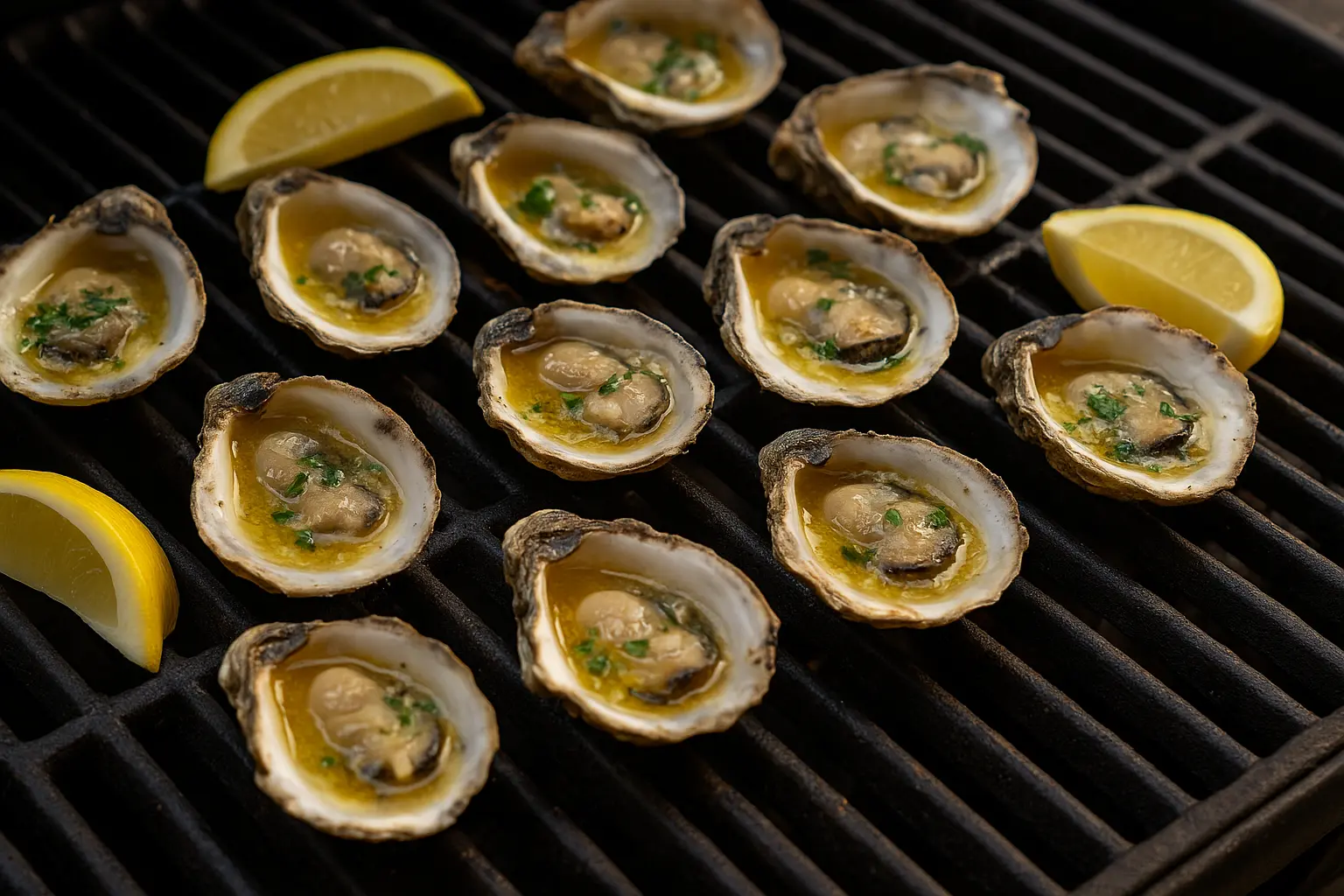
Grilling adds a smoky dimension that no other method can replicate. In 2026, wood-fired grilling remains the gold standard for Pacific oysters.
- Best for: Backyard gatherings, Pacific oysters, and deep-cupped varieties.
- Why choose it: The high heat caramelizes the proteins on the edges of the meat while the center remains tender. It allows you to add compound butters (garlic, herb, or chipotle) directly into the shell while it cooks.
3. Frying (High Fat and Texture)
Frying is less about the nuances of the oyster and more about the interplay between the crunchy coating and the soft interior.
- Best for: Gulf oysters, "standard" grade shucked meats, and those who are skeptical of oyster textures.
- Why choose it: It transforms the oyster into a decadent, savory snack. Using a cornmeal or panko crust provides a textural contrast that masks the "slimy" feel that some find off-putting.
4. Baking and Broiling (Topped and Complex)
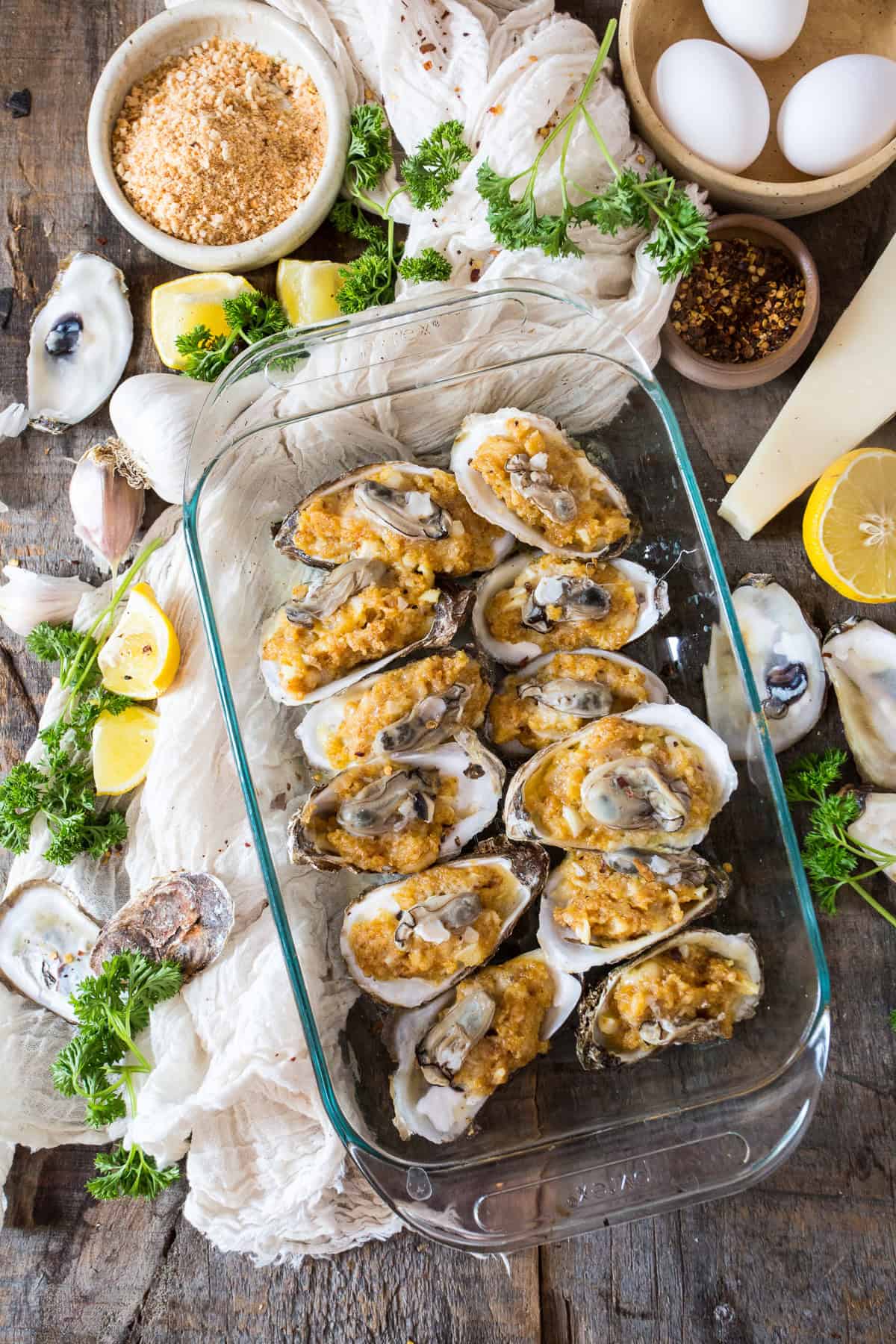
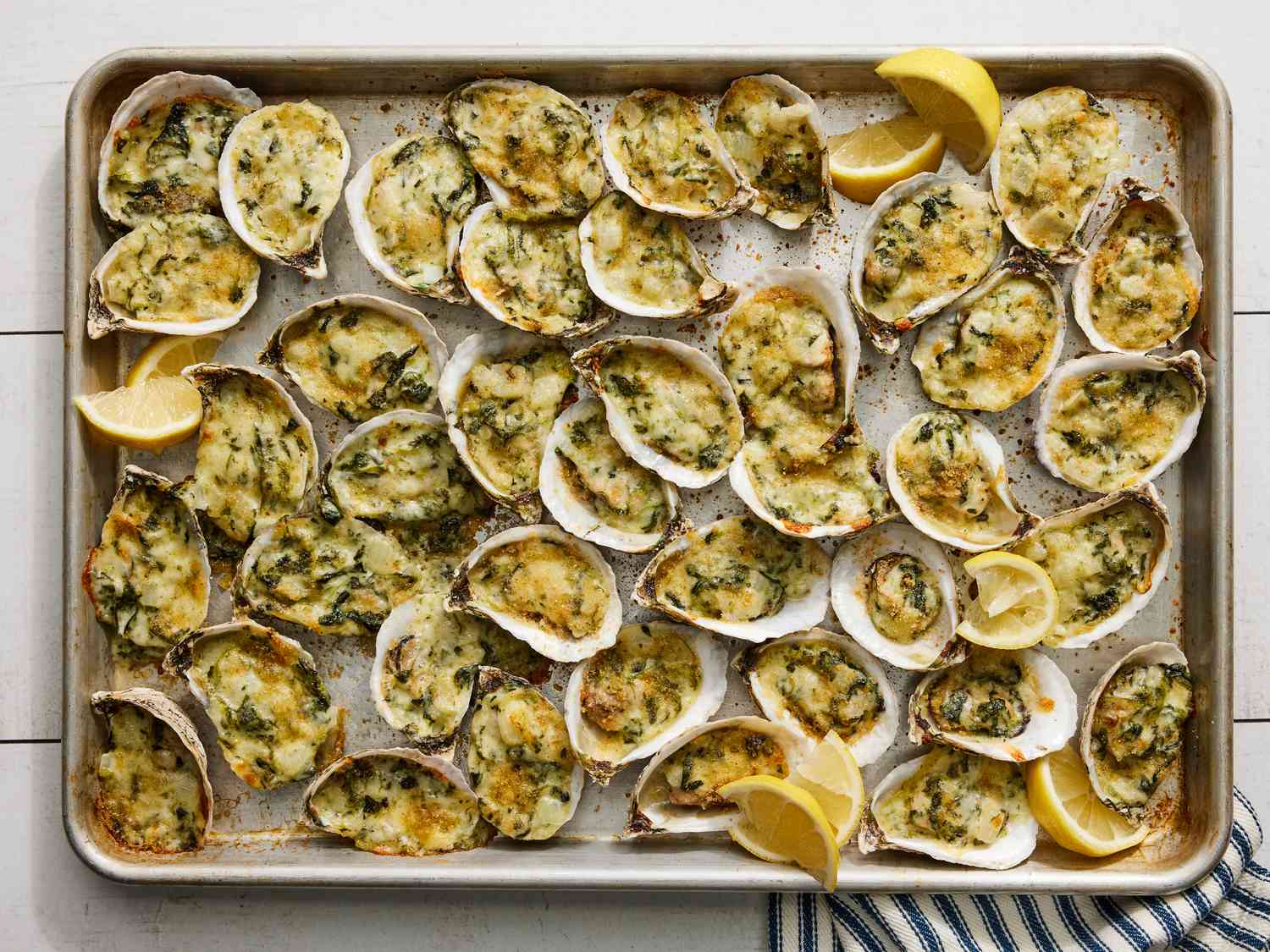
Dishes like Oysters Rockefeller, Oysters Bienville, or Oysters Kilpatrick fall into this category. These methods involve shucking the oyster first, then topping it with a mixture of greens, cheese, bacon, or breadcrumbs.
- Best for: Dinner parties and medium-to-large oysters with sturdy shells.
- Why choose it: It turns the oyster into a complete "mini-meal." The shell acts as a ramekin, and the broiler creates a bubbly, golden crust.
The Oyster Decision Matrix
The following table summarizes how to choose a method based on the specific attributes of your catch.
| Attribute | Recommended Method | Why? |
|---|---|---|
| Small & Sweet (e.g., Kumamoto) | Raw or Light Poach | Heat destroys the subtle fruity notes. |
| Large & Meaty (e.g., Gulf Virginica) | Frying or Grilling | Thick meat stays juicy even under high heat. |
| Thin/Brittle Shell | Steaming | Shucking brittle shells is dangerous; steam opens them safely. |
| Deep-Cupped Shell | Baking/Broiling | The cup holds sauces and toppings without spilling. |
| High Salinity (e.g., Maine/PEI) | Chilled or Steamed | Preserves the "taste of the place" (merroir). |
| Low Salinity/Creamy | Wood-Fired Grill | Smoke complements the creamier fat content of the meat. |
Common Selection Mistakes to Avoid
Choosing the wrong method can result in a rubbery, unappealing meal. Here are the most frequent errors:
- Overcooking the "Liquor": If you are grilling or baking, do not let the juices boil away entirely. The moment the liquor starts to bubble vigorously, the oyster is usually done.
- Using Delicate Oysters for Frying: Tiny oysters like Olympias will shrivel into nothingness in a deep fryer. Save the frying for the "Selects" or "Counts" (large shucked oysters).
- Ignoring the Adductor Muscle: When baking or grilling, some forget to sever the adductor muscle (the part that attaches the meat to the shell) before or after cooking. If you don't sever it, the diner will struggle to eat the oyster gracefully.
- Neglecting Temperature Control: According to FDA food safety standards, oysters should be cooked to an internal temperature of 145°F (63°C). Choosing a method that allows you to monitor this—like roasting—is safer than flash-frying if you are concerned about pathogens.
Sourcing and Preparation for 2026
By 2026, traceability in the seafood industry has reached a peak. When choosing your cooking method, check the harvest tag or the QR code on the packaging. This will tell you the specific "Harvest Area," which is your best indicator of salinity.
- Check the Date: Oysters are best within 7–10 days of the harvest date if kept at a constant 34–38°F.
- The Tap Test: Before choosing a cooking method, tap any open oysters. If they don't snap shut, they are dead and must be discarded.
- Cleanliness: Scrub the shells with a stiff brush under cold running water. This is especially important for grilling and steaming, as any grit on the shell will end up in your food.
Frequently Asked Questions
How can I tell if an oyster is dead before I start cooking?
An oyster that is "gaping" (open) and does not close when tapped is dead. Dead oysters should never be cooked or eaten raw, as they can harbor high levels of bacteria. Always ensure shells are tightly closed or snap shut immediately upon contact.
Do I need to wash oysters if I am going to fry them?
If you are using pre-shucked oyster meat, you should gently rinse the meat in a colander with cold water to remove any lingering bits of shell or sand. Pat them dry with a paper towel before dredging them in flour or cornmeal to ensure the coating sticks.
Is the "R month" rule still relevant in 2026?
While modern aquaculture allows for safe oyster consumption year-round, the "R month" (September–April) rule still has merit for wild oysters. In summer months, wild oysters spawn, which makes their meat thin, milky, and less flavorful. However, "triploid" farmed oysters, which do not spawn, remain delicious throughout the summer.
Should I save the liquid (liquor) from the shell?
Absolutely. If you are shucking oysters to fry or poach them, strain the liquor through a fine-mesh sieve and use it to flavor chowders, sauces, or even as a base for a "dirty" martini. It contains the concentrated essence of the oyster's environment.
What is the best method for someone who has never tried cooked oysters?
Steaming is the best introductory method. It creates a texture that is firm but tender, similar to a poached egg, and it doesn't introduce heavy fats or char that might mask the natural flavor. It allows the diner to appreciate the oyster in its simplest cooked form.
Practical Recommendation
To choose the best way to cook oysters today, start with a Steaming or Grilling approach if you have fresh, whole-shell Atlantic or Pacific varieties. These methods are the most forgiving and highlight the natural quality of the seafood. If you are working with large, shucked Gulf oysters, a Traditional Fry with a cornmeal crust will yield the most satisfying results. Always prioritize the "merroir" of the oyster; if it’s a high-quality, boutique specimen from a specific cold-water farm, less is always more.
Image Gallery