Arnold Schwarzenegger's First Mr. Olympia Title: History, Training, and Legacy
Arnold Schwarzenegger won his first Mr. Olympia title in 1970 in New York City, defeating the reigning three-time champion Sergio Oliva at the age of 23. This victory made him the youngest bodybuilder to ever claim the sport's most pre...
Arnold Schwarzenegger won his first Mr. Olympia title in 1970 in New York City, defeating the reigning three-time champion Sergio Oliva at the age of 23. This victory made him the youngest bodybuilder to ever claim the sport's most prestigious title, a record he still holds, establishing a dominant era in professional bodybuilding and launching his global crossover career.
Contents
The Historical Context of Bodybuilding in 1970
The professional bodybuilding landscape in 1970 looked vastly different from the multi-division spectacles seen in the modern era. Founded by Joe Weider in 1965, the Mr. Olympia contest was designed to pit past winners of the Mr. Universe and other major competitions against each other to determine the undisputed king of bodybuilding.
By 1970, the sport was transitioning from a niche subculture centered around gritty, dimly lit gym basements into a more organized, commercialized enterprise. Joe Weider recognized the promotional value of media exposure and actively cultivated the images of top athletes through magazines like Muscle Builder.
However, the physique standards of the era were evolving rapidly. While the 1950s and early 1960s favored classic proportions reminiscent of ancient Greek statues, the late 1960s introduced a shift toward immense muscular mass combined with tiny waists and sharp definition.
This evolution culminated in the legendary rivalry between Arnold Schwarzenegger and Sergio Oliva, a Cuban immigrant nicknamed "The Myth" due to his seemingly impossible proportions and lack of structural flaws.
The Road to the 1970 Contest
To understand the significance of Schwarzenegger's first Mr. Olympia win, one must examine his narrow defeat at the 1969 contest. In that competition, Sergio Oliva secured his third consecutive Sandow trophy, decisively beating Schwarzenegger through sheer mass, bone-crushing density, and an exceptionally wide V-taper.
Following the 1969 defeat, Schwarzenegger undertook a meticulous psychological and physical reassessment. Recognizing that Oliva possessed superior back width and lower-body mass, Schwarzenegger enlisted the help of his mentor, Joe Weider, and intensified his training focus.
He analyzed every aspect of his physique, working with training partner Franco Columbu to bring up his back thickness, calf size, and hamstring separation.
During the months leading up to the 1970 contest in New York, Schwarzenegger trained with relentless intensity at Gold’s Gym in Venice, California. He implemented a double-split routine, training twice a day, six days a week.
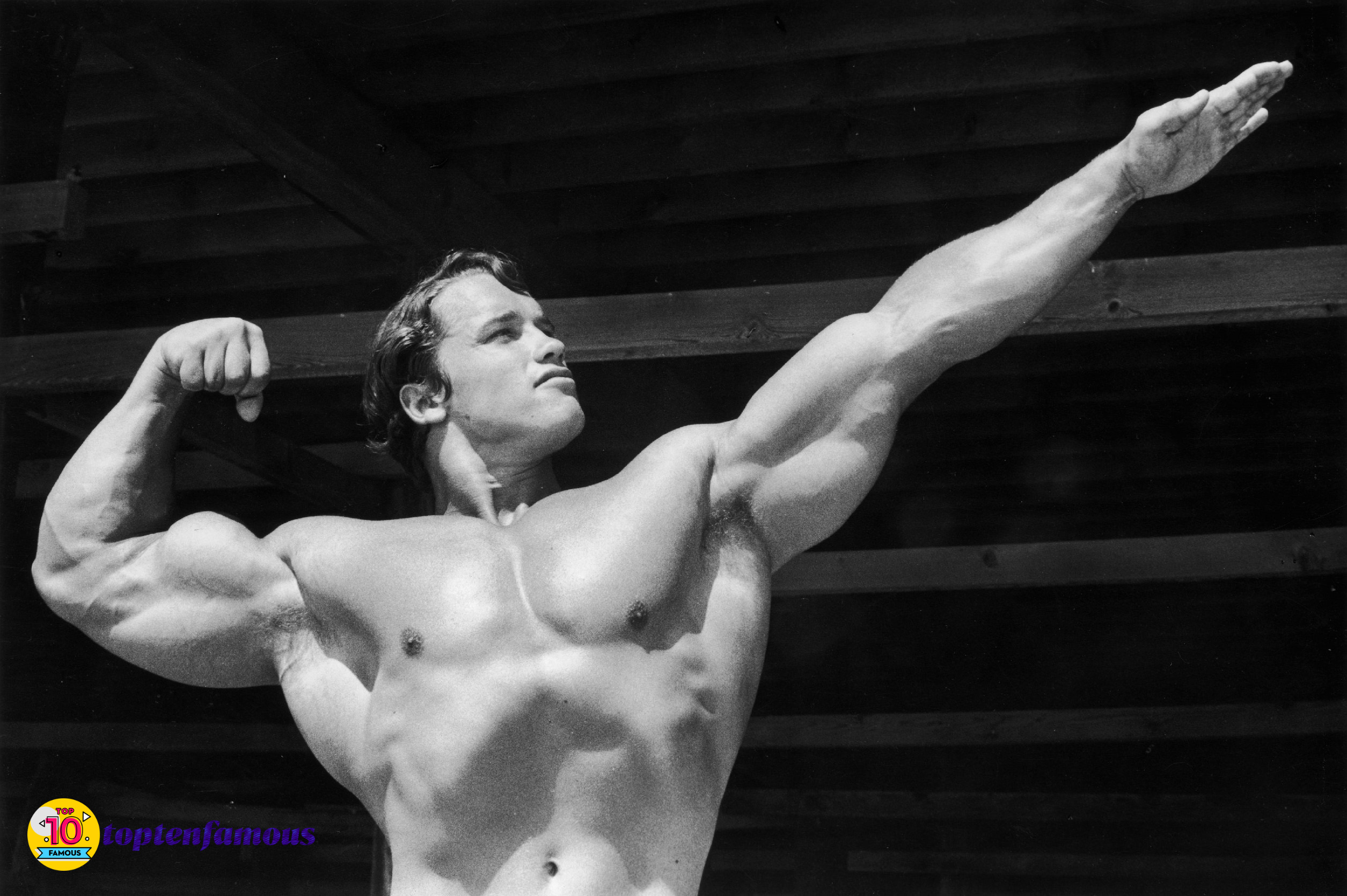
His mental approach also shifted; he understood that defeating Oliva required not only a physically superior package on stage but also unshakeable psychological warfare. Schwarzenegger mastered the art of stage presence, learning how to manipulate lighting, angles, and mandatory poses to mask minor weaknesses and highlight his massive chest and peak biceps.
The 1970 Mr. Olympia Competition Day
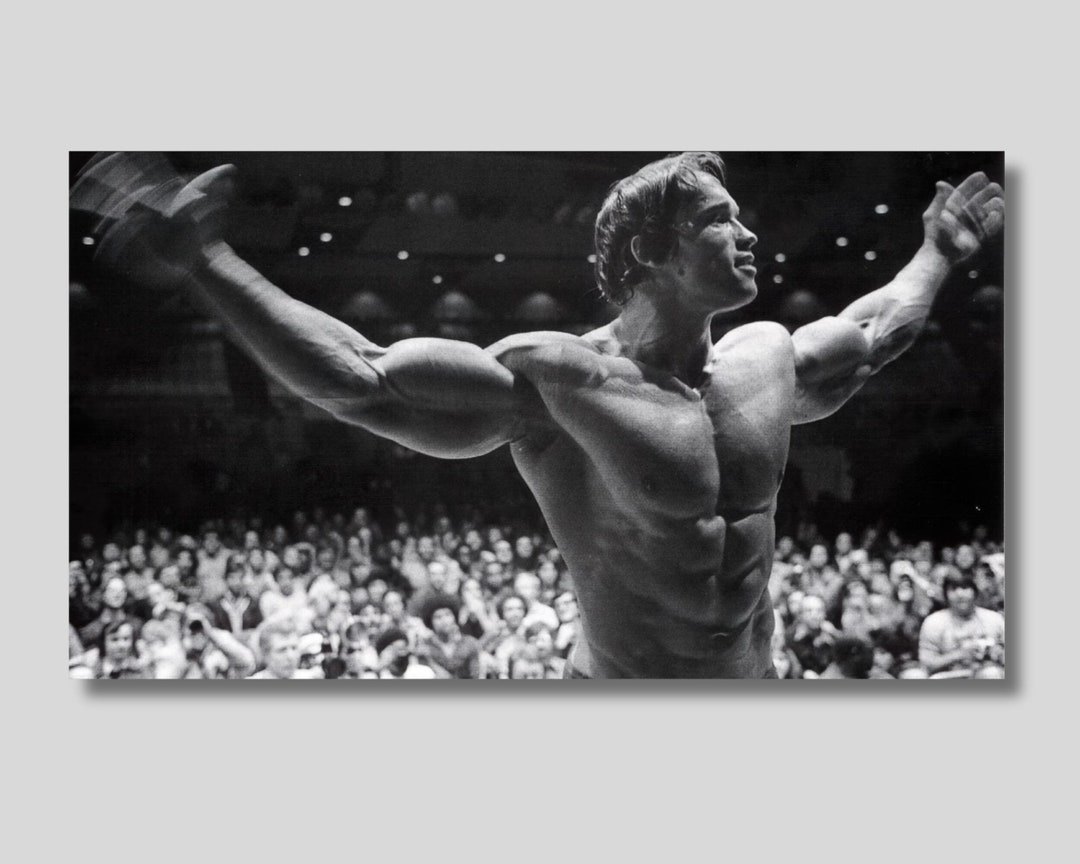
The 1970 IFBB Mr. Olympia took place at the Manhattan Center in New York City on September 19, 1970. The atmosphere backstage and in the auditorium was electric, characterized by immense tension between the two camps.
Sergio Oliva arrived in his trademark confident manner, but Schwarzenegger brought a level of conditioning, confidence, and mass that caught the defending champion off guard.
The competition format required athletes to perform mandatory relaxation and posedown rounds under harsh stage lights that exposed any lack of definition.
As Schwarzenegger and Oliva stood side by side, the contrast between their physiques mesmerized the judges and the audience. Oliva displayed his legendary arm size and structural width, but Schwarzenegger countered with superior chest development, sharper abdominal separation, and an unprecedented combination of size and aesthetic flow.
| Competitor | Age in 1970 | Previous Mr. Olympia Wins | Key Physique Advantage | Final Result |
|---|---|---|---|---|
| Arnold Schwarzenegger | 23 | 0 | Chest mass, bicep peaks, stage presence | 1st Place (Winner) |
| Sergio Oliva | 29 | 3 (1967, 1968, 1969) | Back width, skeletal proportions, forearm density | 2nd Place |
| Reg Park | 42 | 0 | Classic proportions, foundational mass | 3rd Place |
The judging panel, which included prominent figures in the bodybuilding community, engaged in intense deliberation. Ultimately, Schwarzenegger was awarded the victory by a narrow margin, making him the third man in history to hold the Mr. Olympia title, following Larry Scott and Sergio Oliva.
The decision sparked immediate debate among fans and critics, but history cemented the 1970 contest as a pivotal turning point in the sport's evolution.
Training Methodology and Nutrition of the Era
The physical transformation that allowed Schwarzenegger to secure his first Mr. Olympia title was built upon high-volume, high-frequency training principles commonly referred to as the "Golden Era" bodybuilding style.
Unlike modern bodybuilders who often rely on intricate periodization and precise hormone tracking, Schwarzenegger and his contemporaries focused on heavy compound movements combined with isolation work, driven by sheer grit and intuitive training.
Core Training Principles
- High Frequency: Major muscle groups were trained three times per week using a rotating three-day split (chest/back, shoulders/arms, legs).
- Supersets: To maximize workout density and maintain elevated heart rates, Schwarzenegger frequently paired antagonist muscle groups, such as bench presses with chin-ups.
- Volume Over Intensity Percentage: Rather than calculating precise one-rep max percentages, workouts consisted of 15 to 25 working sets per body part, pushing through muscular fatigue to failure.
- Mind-Muscle Connection: Every repetition was executed with strict form and conscious engagement of the target muscle fiber, a concept Schwarzenegger frequently emphasized in his later writings.
Nutrition in 1970 was considerably less scientific than contemporary dietary protocols. Protein intake was prioritized through whole foods such as steak, whole eggs, chicken, and milk, supplemented by basic milk-and-egg protein powders.
Carbohydrates served as the primary fuel source for their exhaustive training sessions, with caloric intake remaining high during the off-season and dropping strictly through whole-food adjustments rather than complex macro tracking during contest preparation.
Frequently Asked Questions
How old was Arnold Schwarzenegger when he won his first Mr. Olympia?
Schwarzenegger was 23 years old when he won the 1970 Mr. Olympia title. This achievement made him the youngest competitor in history to win the championship, a record that remains unbroken.
Who did Arnold Schwarzenegger defeat for his first title?
He defeated Sergio Oliva, a three-time consecutive Mr. Olympia champion known as "The Myth." Oliva placed second in the 1970 contest following a closely contested judging decision.
Where was the 1970 Mr. Olympia held?
The 1970 contest took place at the Manhattan Center in New York City. The venue was packed with bodybuilding enthusiasts, creating an intense atmosphere for the historical showdown.
How many total Mr. Olympia titles did Arnold Schwarzenegger win?
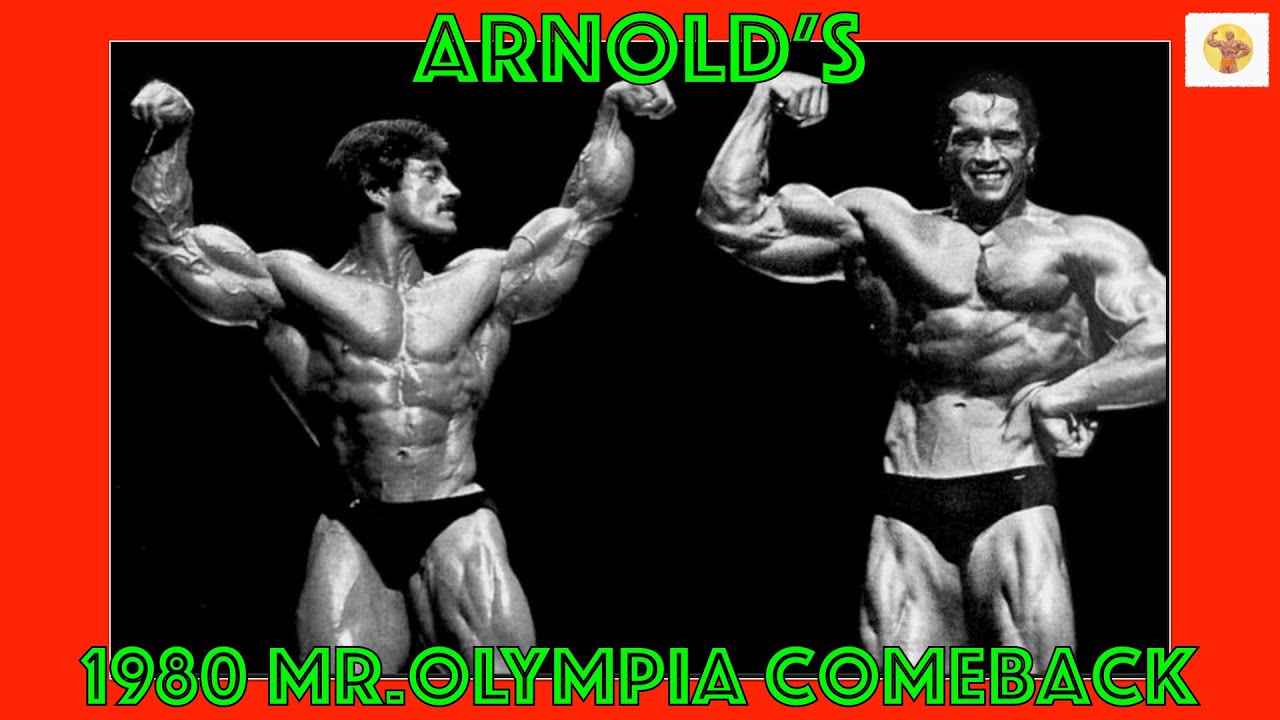
Schwarzenegger won seven Mr. Olympia titles in total. He claimed victories in 1970, 1971, 1972, 1973, 1974, 1975, and made a controversial comeback to win again in 1980.
What made Schwarzenegger's physique unique in 1970?
His combination of massive chest development, towering bicep peaks, and charismatic stage presence allowed him to offset Oliva's superior back width and create a new aesthetic standard for the sport.
Practical Next Steps for Bodybuilding Historians and Fans
For those seeking to explore this era further, examine primary sources such as Joe Weider’s historical archives, archival footage from the 1977 documentary Pumping Iron (which chronicles a later phase of his career), and Schwarzenegger's autobiographical training guides like The New Encyclopedia of Modern Bodybuilding.
Analyzing these materials provides a comprehensive view of how mid-century training philosophies transformed modern fitness culture.
Image Gallery