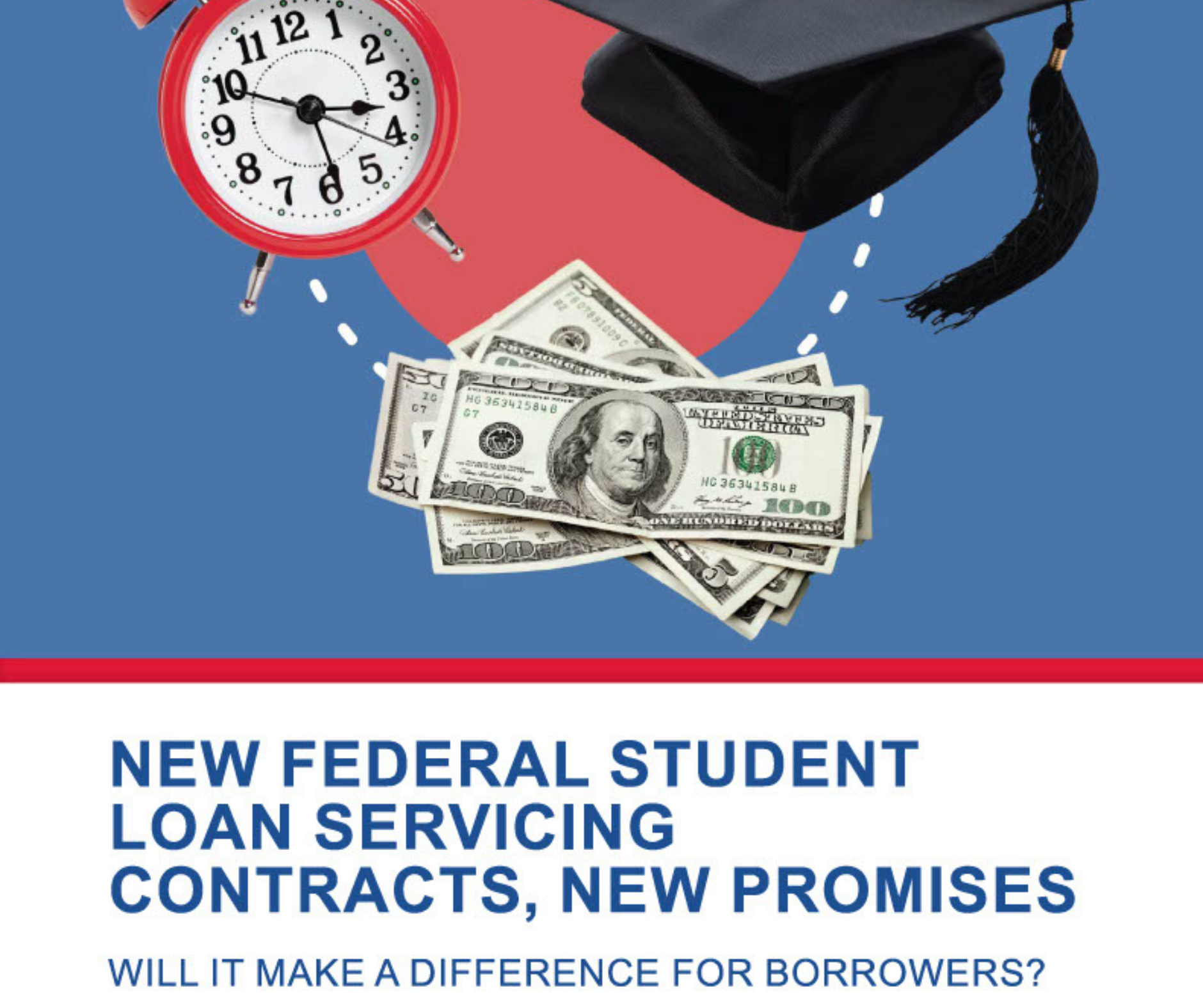
Understanding Student Loan Servicing Companies: Your Guide to Loan Management
Student loan servicing companies are the organizations contracted by the U.S. Department of Education or private lenders to manage the administrative aspects of your student debt. They handle monthly billing, process payments, manage d...
Student loan servicing companies are the organizations contracted by the U.S. Department of Education or private lenders to manage the administrative aspects of your student debt. They handle monthly billing, process payments, manage deferment and forbearance requests, and facilitate enrollment in income-driven repayment plans to ensure your loan accounts remain in good standing.
Contents
The Role of a Loan Servicer
When you take out a student loan, the entity that lends you the money—whether it is the federal government or a private bank—is rarely the same entity that sends your monthly statement. The loan servicer acts as the intermediary between the borrower and the lender.
Their primary function is operational. They track the balance of your loans, apply your payments to the principal and interest, and maintain the records necessary for federal programs like Public Service Loan Forgiveness (PSLF). Because servicers are responsible for the day-to-day maintenance of your account, interacting with them correctly is essential for maintaining your credit health and accessing specific repayment benefits.
Identifying Your Federal Loan Servicer
If you hold federal student loans, your account is assigned to a specific servicer by the Department of Education. As of 2026, the landscape of servicing has evolved through various contract transitions. To identify your servicer, you must log in to the official StudentAid.gov portal.
Once logged into your dashboard, the "My Aid" section will display the name and contact information for your current assigned servicer. It is common for your servicer to change periodically as government contracts are awarded and transitioned. Always verify your servicer through the official federal portal rather than relying on emails, which can occasionally be spoofed by phishing attempts.
Key Responsibilities of Servicers
Understanding what a servicer is—and what it is not—helps you manage your debt effectively. A servicer provides the platform for you to manage your financial obligations, but they do not set the laws governing interest rates or federal forgiveness programs.
- Payment Processing: Servicers are responsible for ensuring that payments are applied according to federal guidelines, prioritizing interest before principal unless otherwise directed.
- Repayment Plan Management: If you are struggling with standard monthly payments, your servicer is the first point of contact for enrolling in Income-Driven Repayment (IDR) plans or the SAVE (Saving on a Valuable Education) plan, depending on the current legislative status and availability.
- Administrative Record Keeping: They maintain the "paper trail" for your loan history. This is vital for borrowers tracking progress toward long-term forgiveness, as errors in servicer records can lead to gaps in your payment count.
- Communication: They provide notice of upcoming payment due dates, tax forms (such as the 1098-E for student loan interest deductions), and changes to your loan terms.
Comparing Federal vs. Private Loan Servicing
The experience of dealing with a student loan servicer varies significantly depending on whether your loans are federal or private.
| Feature | Federal Loan Servicing | Private Loan Servicing |
|---|---|---|
| Regulation | Governed by federal law and Dept. of Education | Governed by state law and loan contracts |
| Repayment Options | Standard, Graduated, Extended, and IDR plans | Primarily set by the original promissory note |
| Forgiveness | Access to PSLF and IDR-based forgiveness | Generally unavailable |
| Customer Support | Standardized through federal contracts | Varies by individual lender policy |
| Refinancing | Requires moving to a private lender | Flexible depending on lender products |
Borrowers should be aware that if they choose to refinance federal loans into private loans, they lose the protections inherent to federal servicing, such as the ability to utilize federal deferment or specialized forgiveness programs.
Navigating Common Challenges and Troubleshooting
Interactions with servicers are not always seamless. If you encounter an issue, such as an incorrectly processed payment or a denied application for a repayment plan, you must follow formal dispute procedures.
1. Document Everything
Always keep a record of your communications. When you call your servicer, note the date, time, the name of the representative you spoke with, and a reference number for the call. If you send documents, use certified mail or secure portals that provide a confirmation of receipt.
2. Utilize the Student Aid Ombudsman
If your servicer fails to resolve a legitimate issue, you have the right to escalate the matter. The Federal Student Aid Ombudsman Group exists to help borrowers resolve disputes regarding federal student loans. They serve as an impartial third party to investigate claims of administrative error.
3. Payment Disputes
If you believe a payment was applied incorrectly, submit a written request to your servicer specifically asking for an audit of your account. By law, they must investigate and provide a response within a reasonable timeframe. Do not assume that an automated system will correct a manual error without a formal inquiry.
Strategic Planning for Borrowers
Effective loan management goes beyond simply making payments. To optimize your financial position:
- Automate Payments: Most servicers offer an interest rate reduction (typically 0.25%) if you sign up for auto-debit payments. This also ensures you never miss a due date.
- Targeted Payments: If you have multiple loans with varying interest rates, contact your servicer to provide instructions on how to apply "excess" payments. By default, some systems apply payments proportionally; requesting that excess funds be applied specifically to the loan with the highest interest rate can save thousands over the life of the loan.
- Review Annual Updates: Every year, typically in 2026 and beyond, ensure your contact information and income data are current. Your servicer requires updated tax information to recalculate your payments for income-driven plans. Failure to recertify on time can result in your monthly payment defaulting to the standard, higher rate.
Frequently Asked Questions
Can I choose my student loan servicer? No. For federal student loans, the Department of Education assigns your account to a servicer. You cannot request to switch to a different one, even if you are dissatisfied with their service.
What should I do if my servicer goes out of business? Your loan will be transferred to a new servicer. You will receive multiple notifications by mail and email regarding the transfer. Your loan terms, interest rates, and progress toward forgiveness remain unchanged; only the entity handling the administrative side changes.
Is it possible for a servicer to make a mistake on my PSLF count? Yes. Servicers occasionally miscount payments or fail to record periods of qualified employment correctly. Always retain your own copies of Employment Certification Forms and payment history to cross-reference against the data provided by your servicer.
Are there fees for using a loan servicer? You should never be charged a fee to access your own loan information or to enroll in a federal repayment plan. Any organization claiming to provide "loan management" for a fee is likely a third-party debt relief company and is not affiliated with the government.
Does my servicer report to credit bureaus? Yes. Federal student loan servicers report your payment status, including late or missed payments, to the three major credit bureaus. Consistently meeting your obligations with your servicer is a primary factor in maintaining a healthy credit score.
Final Next Steps
If you have not logged into your student loan account recently, do so today. Verify that your contact information is correct and confirm that your current repayment plan aligns with your 2026 financial goals. If you identify any discrepancies in your account history, initiate a formal written inquiry with your servicer immediately. Managing your relationship with your servicer proactively is the most effective way to protect your financial standing.
Image Gallery