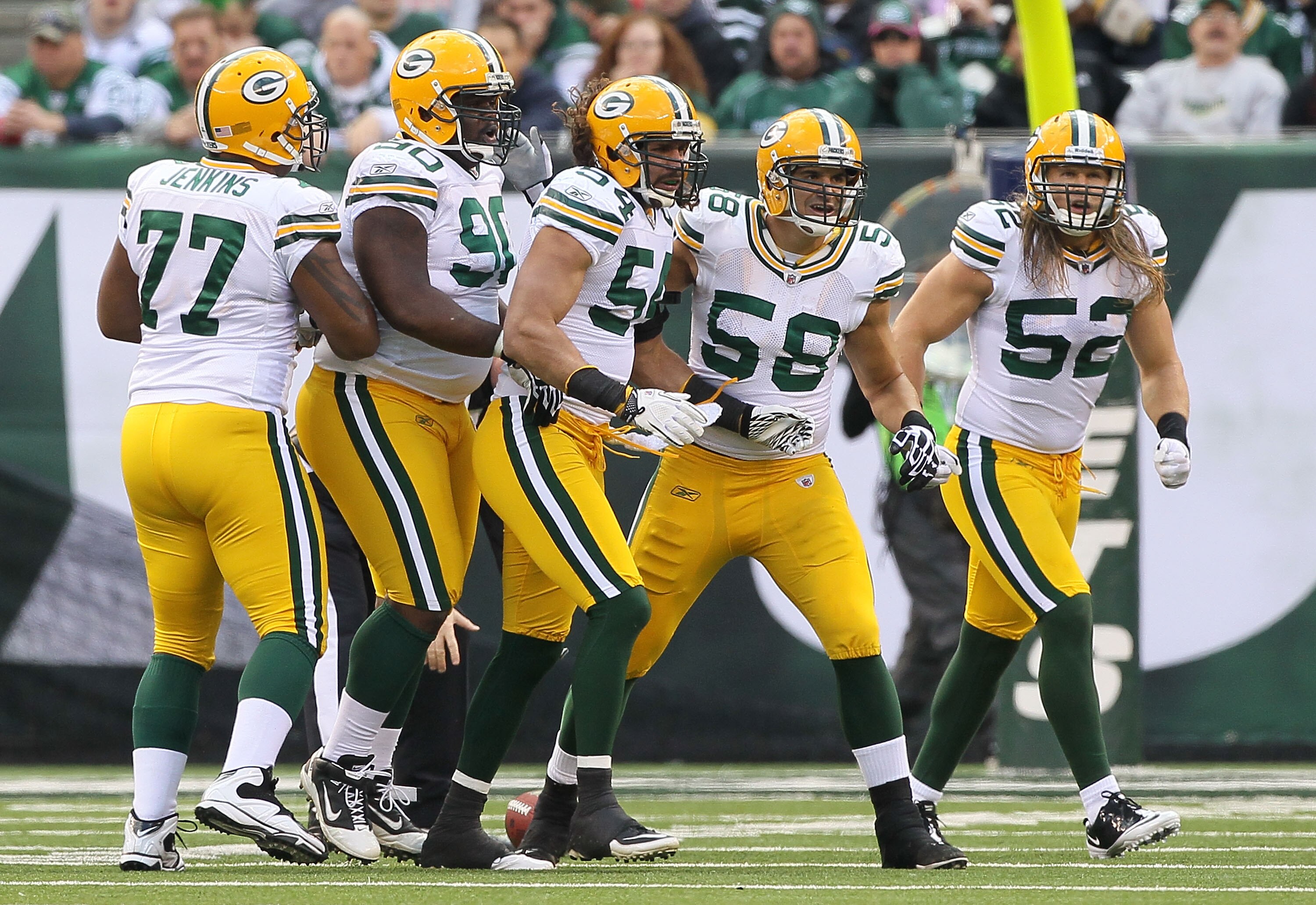
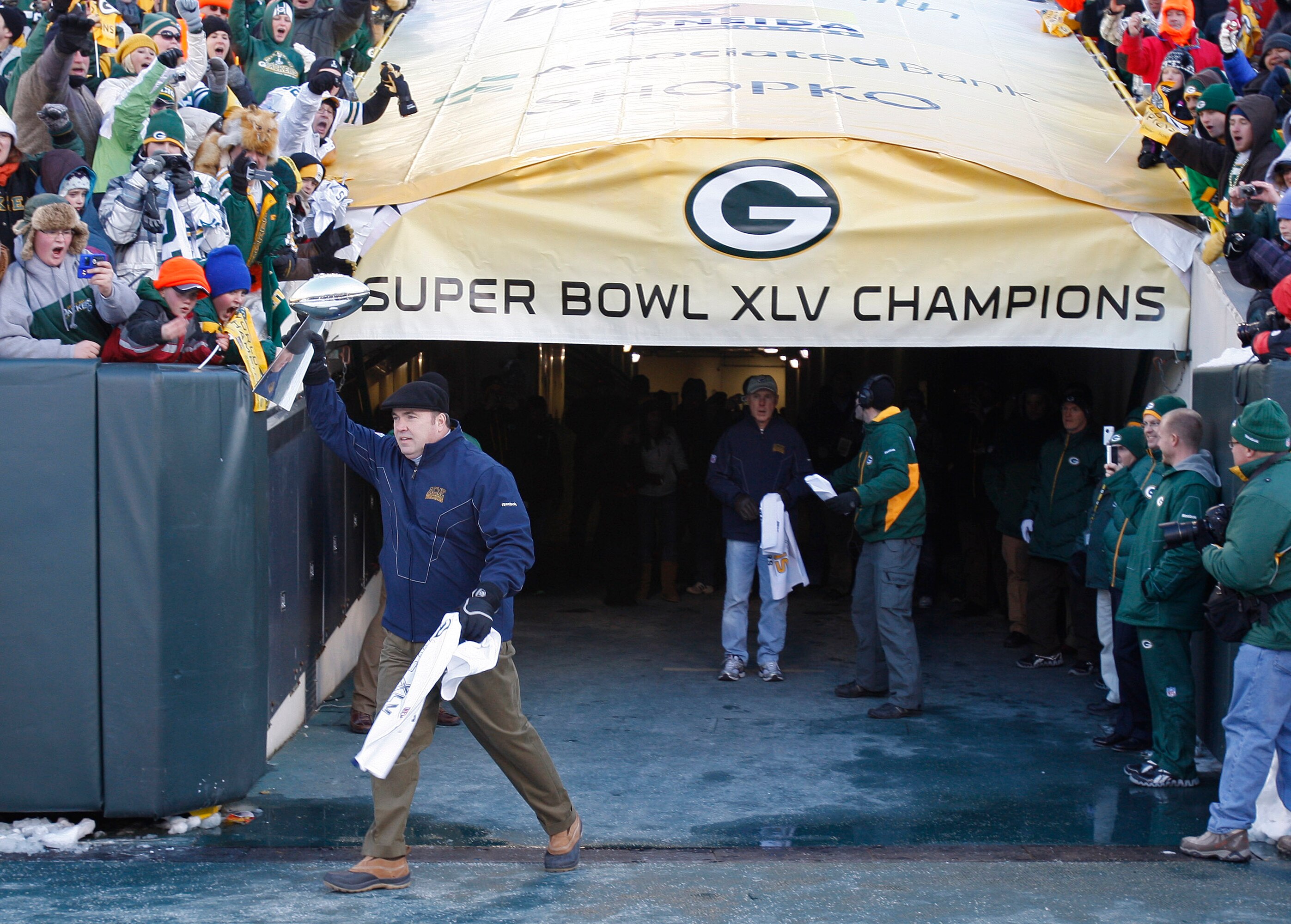
The Defining Moment: One Key Fact About the Green Bay Packers’ Super Bowl XLV Victory
The definitive fact regarding the Green Bay Packers' 2011 victory in Super Bowl XLV is that the team became the first number six seed in the National Football Conference (NFC) to win a Super Bowl, a feat they achieved by defeating the...
The definitive fact regarding the Green Bay Packers' 2011 victory in Super Bowl XLV is that the team became the first number six seed in the National Football Conference (NFC) to win a Super Bowl, a feat they achieved by defeating the Pittsburgh Steelers 31–25 at Cowboys Stadium. This championship run cemented the legacy of quarterback Aaron Rodgers and solidified the franchise’s status as a dominant force in the modern era of professional football.
Contents
The Context of the 2010 NFL Season
To understand the magnitude of the Packers' achievement in the 2010 season, one must analyze the precarious position the team occupied leading into the postseason. The Green Bay Packers finished the regular season with a 10–6 record, barely securing a wild-card berth. In the complex structure of the NFL playoff seeding, a wild-card team is ranked between seeds five and six, necessitating that they play every single postseason game on the road, against higher-ranked opponents with home-field advantages.
Entering the tournament as the lowest-ranked seed in the NFC, the Packers were tasked with an arduous path. They first defeated the Philadelphia Eagles, followed by a dominant performance against the top-seeded Atlanta Falcons, and finally a victory over their historic rivals, the Chicago Bears, in the NFC Championship Game. By the time the team arrived at Cowboys Stadium in Arlington, Texas, for Super Bowl XLV, they had already overcome the standard statistical probability of a post-season run by a lower seed.
Analyzing the Number Six Seed Achievement
In the history of the NFL, the seeding system is designed to reward regular-season performance. A number one seed enjoys a first-round bye and home-field advantage throughout the playoffs, while a number six seed is the last team admitted to the postseason bracket.
The Packers' victory was historic not only for the franchise but for the league’s record books. Before the 2010 season, very few teams had managed to reach the championship game from such a low entry point, and winning the final game against a seasoned team like the Pittsburgh Steelers—who were seeking their seventh championship—demonstrated a level of execution that defied conventional analytical expectations. This specific fact underscores the "run the table" mentality that defined the Packers' organization during that era.
Strategic Execution at Super Bowl XLV
The game itself, played on February 6, 2011, serves as the ultimate proof of this milestone. The Packers' offense, led by Aaron Rodgers, demonstrated surgical precision, while the defensive unit created critical turnovers that shifted the momentum of the contest.
Key Factors in the Victory
| Factor | Description | Impact on Game |
|---|---|---|
| Turnover Margin | The Packers forced two interceptions and a fumble. | Enabled short-field scoring opportunities. |
| Passing Efficiency | Aaron Rodgers completed 24 of 39 passes for 304 yards. | Stretched the Steelers' zone defense consistently. |
| Defensive Depth | Nick Collins’ interception returned for a touchdown. | Provided a 14-point swing in the first half. |
| Wide Receiver Core | Jordy Nelson and Greg Jennings combined for high yardage. | Capitalized on mismatches in the secondary. |
The efficiency of the Packers' coaching staff, led by Mike McCarthy, allowed the team to adapt to the Steelers' aggressive defensive pressure. By neutralizing the Steelers' pass rush early, the Packers established an early lead that forced Pittsburgh into a catch-up mode for the remainder of the evening.
The Significance of the Victory for the Franchise
For the Green Bay Packers, Super Bowl XLV was the fourth Super Bowl title in franchise history and their first since the 1996 season. The victory bridged the gap between the era of Brett Favre and the sustained success of the Aaron Rodgers years. It also served as a validation of the front office's decision to transition to a new offensive leader.
Beyond the numbers, the win solidified the team's reputation for consistency and grit. As a publicly owned, non-profit organization in the smallest market in major American professional sports, the Green Bay Packers’ ability to overcome the odds during the 2010 postseason remains a core element of their identity. The 2010 championship team is frequently cited by analysts and historians as one of the most resilient squads in professional football history.
Historical Impact on Postseason Standards
Since the 2010 season, the performance of the sixth seed has become a barometer for postseason unpredictability. While the Packers were not the first wild-card team to win a Super Bowl—the 2005 Pittsburgh Steelers were the first six-seed to accomplish this—the Packers’ path involved navigating an exceptionally difficult bracket, including multiple games against teams that had secured superior records during the regular season.
This victory changed how analysts approach wild-card teams. It reinforced the concept that momentum, injury status, and high-level quarterback play in January often outweigh the theoretical advantages of home-field status and regular-season win totals. Teams are now frequently measured against the "2010 Packers model" when evaluating their chances as late-entry playoff participants.
Expert Perspective: Why This Fact Remains Relevant
In 2026, the 2010 season is viewed as a masterclass in peak performance timing. Coaches and front offices study the tape of the 2010 NFC playoffs to understand how a team can maintain high morale despite being the underdog in every postseason matchup. The key fact—the six-seed status—is the central hook for this study because it highlights that the most important metric in the NFL is not the seed number, but the health and capability of the roster when the calendar turns to January.
For fans and observers, the memory of Super Bowl XLV is characterized by the poise shown by the team in the face of immense pressure. The ability to travel to hostile environments in Atlanta and Chicago before winning on a neutral field in Texas created a narrative of "the road warriors," a title that has since become synonymous with the 2010 roster.
Frequently Asked Questions
Did the Packers win more games as a six-seed than any other team?
Yes, the 2010 Green Bay Packers were the most successful six-seed in the league’s history at that point. By winning three consecutive road games followed by a Super Bowl victory, they essentially maximized the difficulty of the postseason path, proving that a lower seed can overcome every obstacle provided they maintain peak offensive efficiency.
Who was the MVP of Super Bowl XLV?
Aaron Rodgers was named the Most Valuable Player of Super Bowl XLV. He was recognized for his clinical performance, throwing three touchdowns and zero interceptions against one of the league's most formidable defenses, effectively controlling the tempo of the game from the opening kickoff until the final whistle.
Was the 2010 Packers team considered an underdog?
In terms of pure seeding, yes. Because they were the sixth seed, they were statistically the lowest-ranked team in the conference playoffs. While many analysts respected the talent of the roster, the reality of having to play three road games against high-ranking teams meant that the Packers were rarely favored by oddsmakers during the 2010 postseason.
How did the Packers' defense contribute to this historic win?
The defense was instrumental in the victory. Despite being overshadowed by the offense's scoring, the defense generated three turnovers, including an interception return for a touchdown by safety Nick Collins. This defensive scoring was vital in creating the cushion required to defeat a resilient Pittsburgh Steelers team.
Is the number six seed still considered a major disadvantage in 2026?
While the NFL expanded the playoff format in 2020 to include a seventh seed, the six-seed remains a difficult position. The 2010 Packers continue to serve as the gold standard for how a team can navigate this position, proving that tactical discipline and a lack of turnovers are more significant than the location of the games.
Recommendation for Further Research
For those interested in the tactical breakdown of this historic win, analyzing the official NFL Films footage of the 2010 NFC Championship and Super Bowl XLV provides the most comprehensive visual evidence of the team’s strategy. Additionally, reviewing the season-ending statistics from 2010 will illustrate how the Packers' defense was statistically elite in points allowed, which explains why the team was capable of surviving such a rigorous playoff schedule. Focusing on the turnover differential during that specific four-game stretch offers the best insight into how a team can successfully overcome the traditional disadvantages of lower-seed status.
Image Gallery