Choosing an Online Backup Service for Multiple Computers
Choosing an online backup service for multiple computers requires a balance between storage capacity, bandwidth management, and administrative simplicity. To select the right provider, you must assess the total volume of data across al...
Choosing an online backup service for multiple computers requires a balance between storage capacity, bandwidth management, and administrative simplicity. To select the right provider, you must assess the total volume of data across all machines, the speed of your internet connection for initial synchronization, and whether the service offers a centralized management console to monitor the health of backups across your entire fleet of devices.
Contents
Assessing Your Backup Requirements
Before committing to a subscription, you must audit the data footprint across your household or small business. Online backup services—also known as cloud backup or remote backup—are distinct from file synchronization services like Dropbox or Google Drive. While sync services are designed for file access and collaboration, dedicated backup services are engineered for disaster recovery. They continuously monitor your file system, capturing versions of files as they change, which is essential for recovering from ransomware attacks or hardware failure.
Start by calculating the total storage volume required. Count every computer you intend to back up and sum their primary drive capacities. Many providers offer "unlimited" plans, but these often come with limitations on how many devices you can connect under a single account. If you are backing up more than three computers, you must ensure your chosen plan supports multi-device licensing, as some services restrict a single account to one or two physical machines.
Key Considerations for Multi-Device Environments
When managing backup for multiple computers, the infrastructure becomes more complex than a single-user setup. You need a solution that minimizes the administrative burden while maximizing data security.
1. Centralized Management and Monitoring
For an individual with one laptop, a simple interface is sufficient. For a user managing three, five, or ten computers, a centralized dashboard is vital. Look for services that allow you to view the status of all backups from a single web portal. If one computer fails to back up for three days, you should receive an automated email alert. This "set it and forget it" capability is the primary differentiator between consumer-grade tools and those designed for multi-machine deployments.
2. Bandwidth Throttling and Scheduling
Backing up multiple computers simultaneously can saturate your internet connection, rendering other online tasks sluggish. A robust backup client will allow you to set specific bandwidth limits for each machine. For example, you might permit the main office desktop to utilize more upload bandwidth during the day while restricting the backup speed of secondary machines to prevent network congestion.
3. Security and Encryption Standards
Any reputable backup provider must employ "zero-knowledge" encryption. This means the encryption keys are held only by you, not the service provider. In a multi-computer scenario, managing these keys is critical. If you lose the encryption passphrase, you lose access to all your backups. Ensure that the service provides a secure, offline method for key recovery or a clear protocol for passphrase management that remains accessible to authorized users.
Comparison of Backup Approaches
| Feature | Sync Services (e.g., OneDrive) | Dedicated Backup Services |
|---|---|---|
| Primary Goal | Accessibility and Sharing | Disaster Recovery |
| Versioning | Limited (usually 30 days) | Extensive (unlimited or long-term) |
| System State | Files only | Files, settings, and OS fragments |
| Multi-PC Handling | Excellent for sync | Excellent for historical archive |
| Bandwidth Use | High (constant syncing) | Optimized (incremental blocks) |
Avoiding Common Implementation Pitfalls
One common mistake when configuring backup for multiple computers is failing to account for "data sprawl." Users often back up files located in their main user folder but neglect external hard drives or secondary partitions where large media files or archival data reside. Ensure your chosen software supports backing up external drives that are periodically connected to your machines.
Another frequent oversight is the initial backup window. If you have 5 terabytes of data spread across three computers, the initial upload will take days or even weeks depending on your upload speed. Some services offer "seed" programs where they send you an encrypted hard drive; you copy your data onto it, mail it back, and they ingest the data directly into their servers. This is highly recommended for multi-computer setups to avoid choking your home or office network for extended periods.
Verification: The Integrity of Your Backups
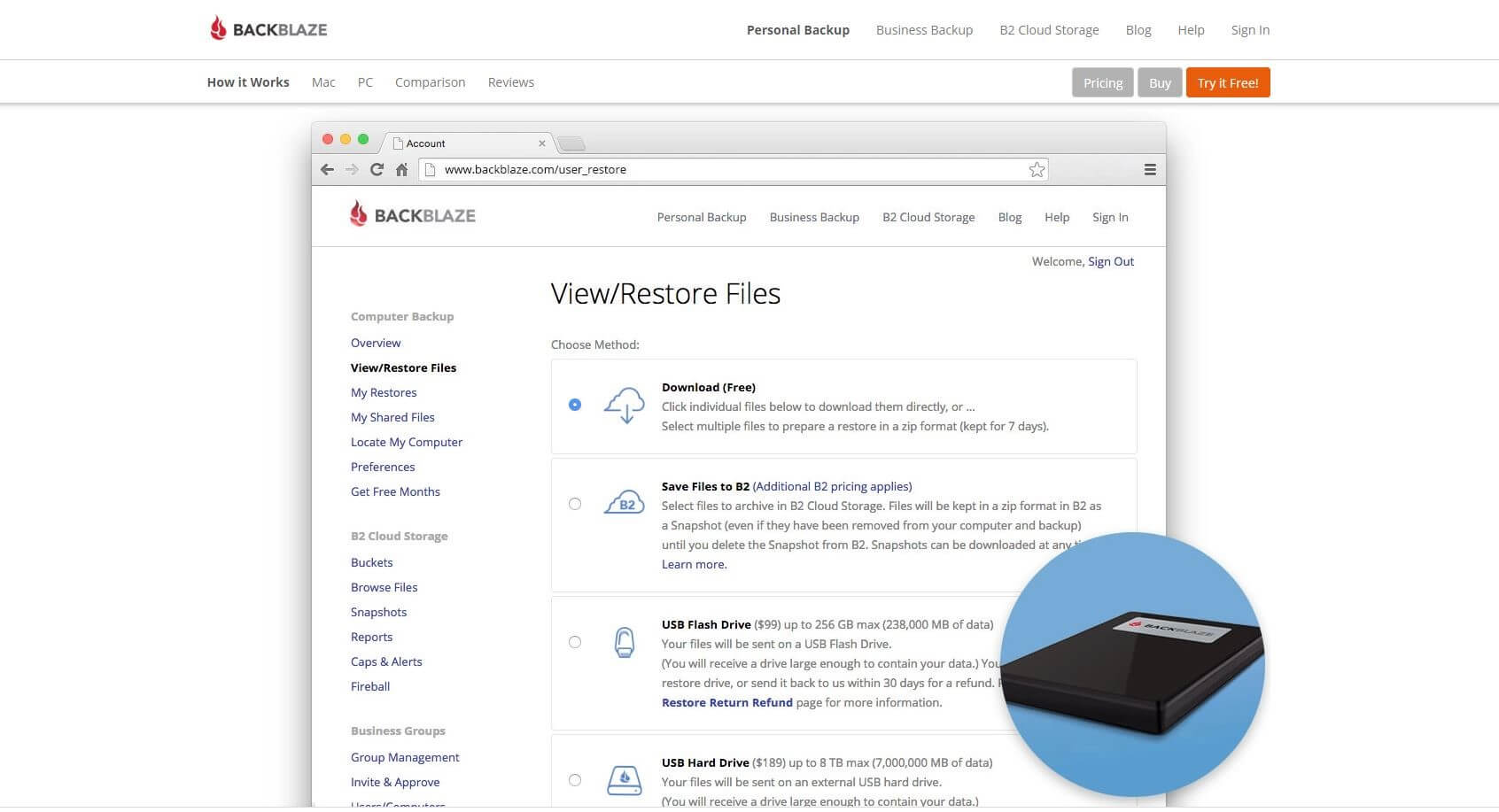
A backup is only as good as your ability to restore from it. In a multi-computer environment, it is easy to assume the backups are running smoothly without verification. You should conduct quarterly restore tests. Pick one file from a secondary computer and attempt to download it from the cloud interface to ensure the data is not corrupted and that your credentials remain active. Without these periodic checks, you may discover too late that a software update on one of your machines silenced the backup agent, leaving that specific computer unprotected.
Frequently Asked Questions
Does "unlimited" storage really mean unlimited? Usually, yes, but often with caveats regarding file type or file size. Some providers restrict certain file types or impose strict limits on the number of versions kept for each file. Always read the fine print in the Terms of Service regarding "fair use" policies.
Will my backup service slow down my other computers? It can if not configured correctly. Most professional-grade clients have "smart" settings that detect when a computer is being actively used and pause backups until the system is idle. Always verify that these settings are enabled on every machine you link to your account.
How do I handle backups for computers that are rarely turned on? If a computer is offline for an extended period, the backup service will eventually flag it as inactive. Check if your provider sends "inactivity alerts." If a machine is powered on only once a month, ensure your backup schedule is set to run immediately upon startup rather than waiting for a specific daily or weekly window.
Can I share one account across different households? Most terms of service strictly prohibit account sharing outside of a household or single business entity. Furthermore, sharing a single login/password for backups is a significant security risk. Look for "family" or "business" plans that provide individual logins for each user while maintaining a single billing and storage pool.
Next Steps
Before purchasing, identify the total data volume you need to secure and check the specific "per-device" constraints of the providers you are considering. Start by downloading the free trial version of your top-choice service and install it on your most critical machine. Monitor the upload speed and the ease of use of the management dashboard for at least one week. If the interface is intuitive and the background performance does not interfere with your work, proceed to roll out the installation to your remaining computers one by one. By staging the deployment, you ensure that network performance remains stable while you confirm that each machine's specific folder structure is being captured correctly.
Image Gallery