Understanding How the CIA is Defined: Mission, Mandate, and Legal Boundaries
The Central Intelligence Agency (CIA) is defined as an independent civilian intelligence agency of the United States government responsible for providing national security intelligence to senior policymakers. Established by the Nationa...
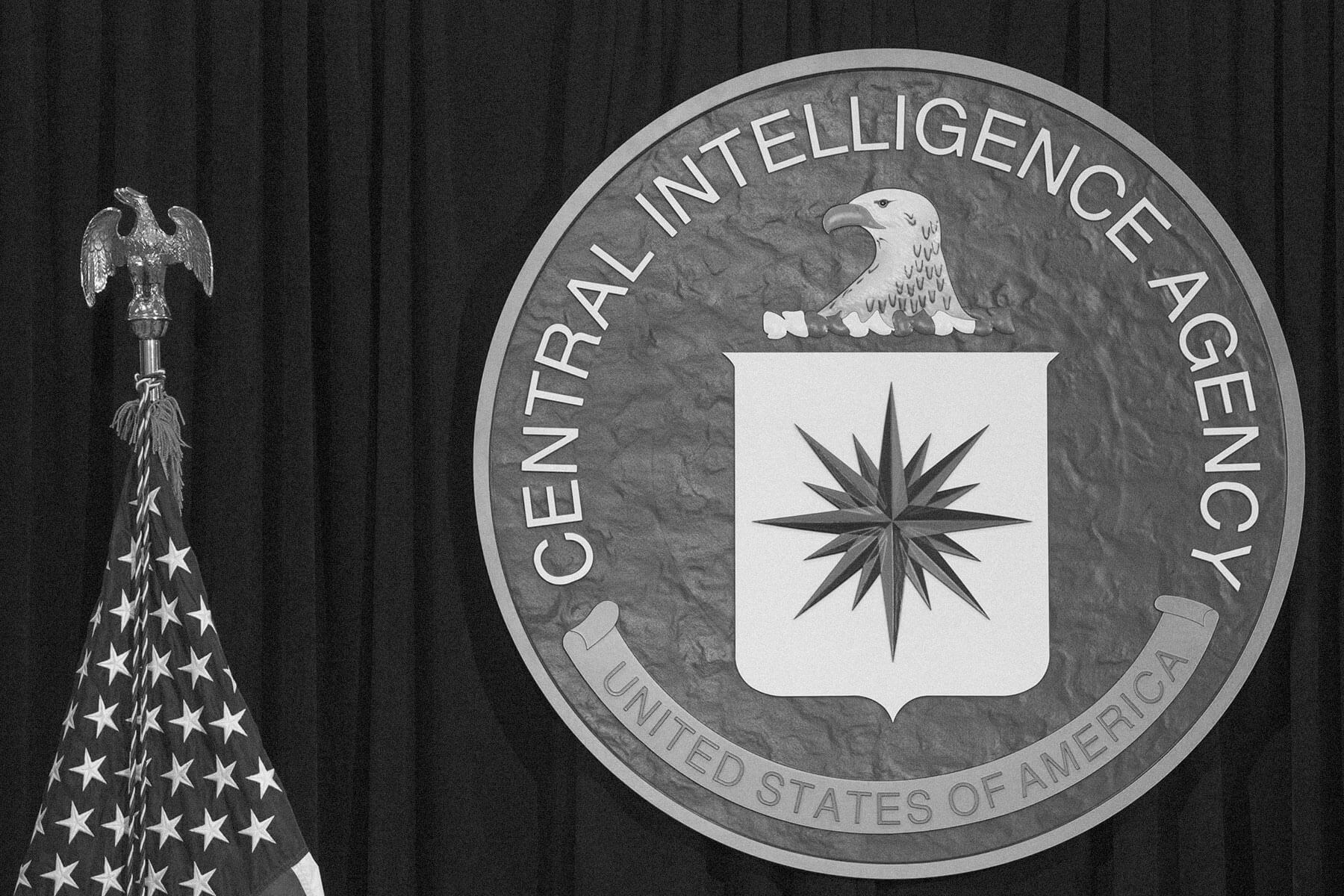
The Central Intelligence Agency (CIA) is defined as an independent civilian intelligence agency of the United States government responsible for providing national security intelligence to senior policymakers. Established by the National Security Act of 1947, its core mission centers on collecting, analyzing, evaluating, and disseminating foreign intelligence, as well as conducting covert operations as directed by the president.
Contents
Examining how the CIA is defined requires looking past popular culture representations to understand its actual statutory authorities, structural organization, and legal restrictions. Operating under specific oversight frameworks, the agency serves as an information conduit for the executive branch, balancing clandestine collection methods with strict limitations regarding domestic operations. Understanding these parameters clarifies the precise role the agency plays within the broader United States intelligence community.
Legislative Origins and the National Security Act of 1947
The foundational definition and mandate of the Central Intelligence Agency stem directly from the post-World War II restructuring of the United, States defense and intelligence apparatus. President Harry S. Truman signed the National Security Act of 1947 into law, which dissolved the wartime Office of Strategic Services (OSS) and formally established the CIA. Lawmakers designed the legislation to unify the nation's foreign intelligence activities under a single, centralized civilian authority.
During this era, policymakers recognized that decentralized intelligence gathering had contributed to strategic surprises, most notably the attack on Pearl Harbor. The 1947 act directed the newly formed agency to correlate and evaluate intelligence relating to national security and provide appropriate dissemination within the government. Subsequent legislative updates, such as the Intelligence Reform and Terrorism Prevention Act of 2004, modified the agency's reporting structures and placed it under the purview of the Director of National Intelligence (DNI), while preserving its core operational responsibilities.
Core Functions: Collection, Analysis, and Covert Action
The definition of the CIA encompasses three primary functional pillars: intelligence collection, all-source analysis, and the execution of covert operations. Each function operates under distinct administrative processes designed to inform national security decisions without directly involving the United States in unauthorized conflicts.
Human Intelligence and Clandestine Collection
A primary method by which the agency gathers information is through Human Intelligence, commonly abbreviated as HUMINT. This involves recruiting and managing foreign human sources who possess access to vital information concerning foreign governments, terrorist organizations, proliferation networks, and hostile intelligence services. Clandestine officers operate globally, often under official or unofficial cover, to acquire secrets that cannot be obtained through open-source research or technical means like signals intelligence.
All-Source Intelligence Analysis
Collecting raw data represents only part of the mandate. The agency employs thousands of regional and functional analysts who synthesize raw intelligence from multiple channels—including HUMINT, satellite imagery, intercepted communications, and public reports. These analysts produce objective, timely assessments, briefings, and finished intelligence reports for the president, the National Security Council, and other key policymakers. The objective is to provide unvarnished, policy-neutral insights that highlight emerging global threats and opportunities.
Covert Action Mandates
Beyond gathering and analyzing information, the CIA is legally authorized to conduct covert actions. Defined under United States law as activities intended to influence political, economic, or military conditions abroad where the role of the United States government is not intended to be apparent or publicly acknowledged, these measures require specific authorization. A covert action cannot proceed without a formal presidential finding signed by the president, followed by notification of the congressional intelligence committees.
Structural Organization and Leadership
The organizational hierarchy of the CIA reflects its diverse operational requirements. The agency is led by a Director (DIRCIA), who is nominated by the president and confirmed by the United States Senate. The Director manages the day-to-day activities of the agency and reports to the Director of National Intelligence, serving as a key advisor to the National Security Council.
Underneath the directorate level, the agency is partitioned into several core directorates, each specializing in a specific dimension of intelligence work:
- Directorate of Operations: Manages clandestine human intelligence collection and authorized covert actions worldwide.
- Directorate of Analysis: Evaluates all-source intelligence to produce strategic assessments and warnings for national security leaders.
- Directorate of Science and Technology: Researches, develops, and deploys technical collection platforms, secure communications tools, and advanced gadgetry.
- Directorate of Digital Innovation: Focuses on cyber intelligence, defending agency systems, and analyzing foreign digital threats.
- Directorate of Support: Provides essential infrastructure, security, logistics, medical services, and human resources support across global operations.
Legal Boundaries and Domestic Jurisdiction
A critical aspect of how the CIA is defined involves strict jurisdictional boundaries established by federal law. The National Security Act of 1947 explicitly prohibits the agency from exercising police, subpoena, or law enforcement powers, and forbids it from maintaining internal security functions within the United States.
| Dimension | Domestic Limitations (FBI / DHS) | Foreign Mandate (CIA) |
|---|---|---|
| Primary Focus | Domestic law enforcement, federal crime, and internal security. | Foreign intelligence collection and overseas national security. |
| Legal Authority | Federal statutes, criminal investigations, and domestic policing. | National Security Act of 1947 and presidential findings. |
| Jurisdiction | Operates primarily within the United States and its territories. | Operates outside the United States, targeting foreign entities. |
| Law Enforcement Powers | Possesses arrest, subpoena, and domestic detention powers. | Lacks all police, arrest, and domestic law enforcement powers. |
While the agency may collect foreign intelligence concerning international entities within the United States in coordination with domestic partners like the Federal Bureau of Investigation (FBI), its operational focus remains firmly overseas. This clear separation prevents the concentration of domestic police powers within a foreign intelligence organization, safeguarding civil liberties domestically.
Oversight and Accountability Frameworks
Because the CIA operates largely in secrecy, a comprehensive system of checks and balances governs its activities to ensure adherence to constitutional principles, federal statutes, and executive orders. Oversight is maintained across multiple branches of the United States government:
- Congressional Oversight: The Senate Select Committee on Intelligence (SSCI) and the House Permanent Select Committee on Intelligence (HPSCI) review the agency's budget, programs, and major operational plans. The agency must keep these committees fully and currently informed of all intelligence activities, including significant covert actions.
- Executive Oversight: The President's Intelligence Oversight Board (PIOB), housed within the President's Intelligence Advisory Board, reviews agency compliance with executive orders and federal law. Additionally, the Office of the Director of National Intelligence sets enterprise-wide standards and manages budget allocations.
- Internal Auditing: The Office of Inspector General (OIG) operates independently within the agency to investigate waste, fraud, abuse, and illegal or unauthorized activities, reporting findings directly to the agency director and Congress.
Frequently Asked Questions
What is the primary difference between the CIA and the FBI?
The CIA focuses exclusively on foreign intelligence collection, analysis, and overseas covert actions to protect national security. In contrast, the FBI operates as a domestic law enforcement agency and internal security service, investigating federal crimes, terrorism threats within the United States, and counterintelligence inside national borders.
Can the CIA arrest American citizens?
No. Under the National Security Act of 1947 and subsequent federal guidelines, the CIA has zero police or law enforcement powers. It cannot arrest individuals, execute search warrants, or enforce domestic laws, particularly regarding American citizens within the United States.
Who authorizes CIA covert operations?
Covert actions cannot be initiated unilaterally by the agency. They require a formal "presidential finding"—a legal document signed by the president determining that the action is necessary to support United States foreign policy and national security goals. Furthermore, the congressional intelligence committees must be notified.
Does the CIA create public policy?
No. The agency is strictly an intelligence-gathering and analytical body, not a policymaking institution. Its analysts provide objective, all-source assessments to help senior leaders understand foreign environments, but elected and appointed civilian policymakers decide how to use that information to form national strategy.
How does the CIA interact with the Director of National Intelligence?
Following intelligence reforms enacted in 2004, the Director of National Intelligence oversees the entire United States Intelligence Community. While the CIA maintains its own internal director and operational independence, it coordinates its budget, collection priorities, and cross-agency sharing through the DNI.
Next Actions for Further Research
Readers seeking a deeper understanding of how the intelligence community functions should examine primary legal texts such as the National Security Act of 1947 and public reports issued by the Congressional Research Service. Official publications from the Office of the Director of National Intelligence offer further documentation regarding interagency coordination, oversight mechanisms, and the historical evolution of American intelligence policy.
Image Gallery