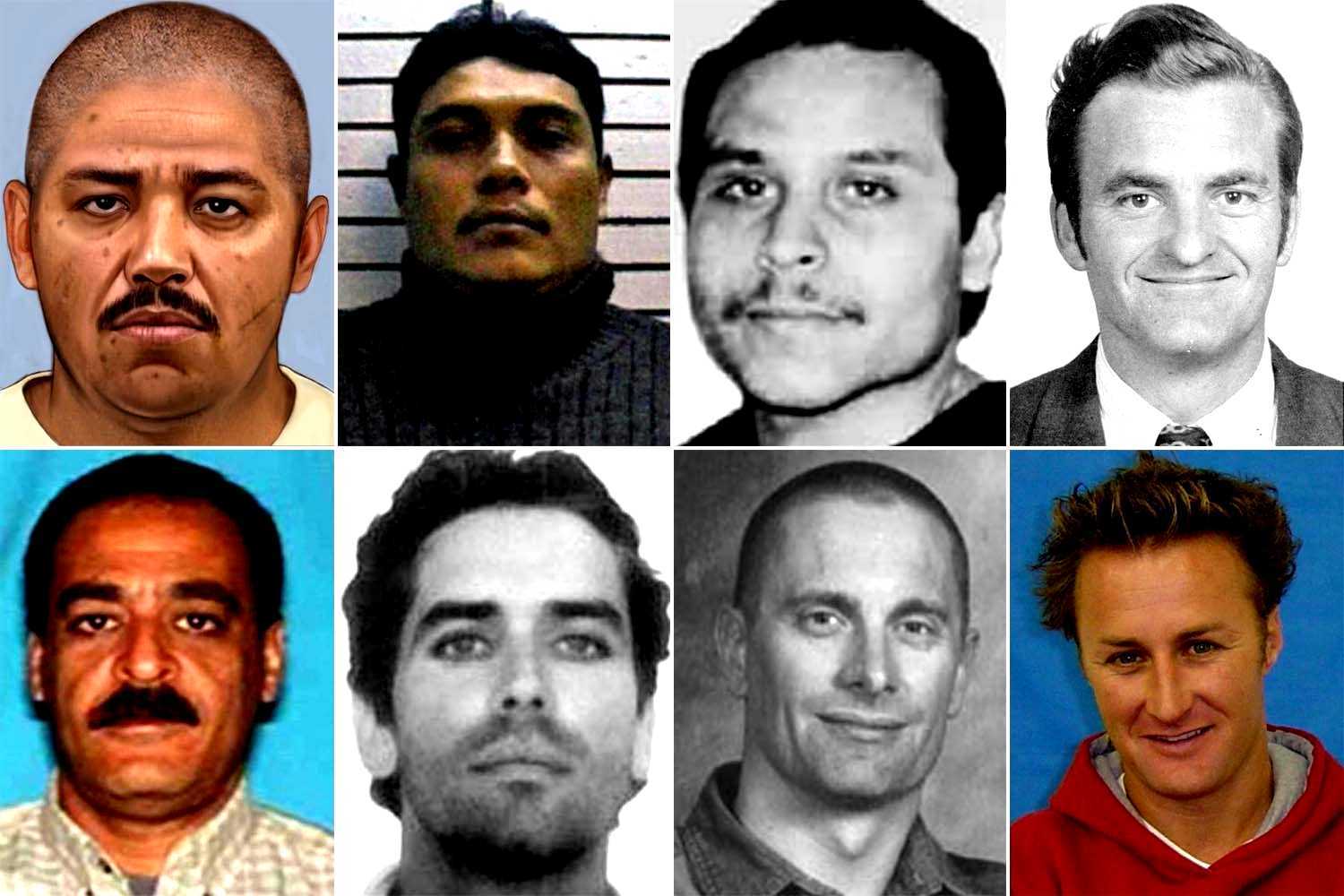
FBI Ten Most Wanted Fugitives: 2026 Selection Criteria, Rewards, and Public Safety Protocols
The FBI’s Ten Most Wanted Fugitives list is a critical public safety tool used to identify and apprehend the nation's most dangerous criminals through global collaboration. While primarily focused on the Federal Bureau of Investigation...
The FBI’s Ten Most Wanted Fugitives list is a critical public safety tool used to identify and apprehend the nation's most dangerous criminals through global collaboration. While primarily focused on the Federal Bureau of Investigation's specific roster, this guide also clarifies the distinctions between other federal lists, such as the U.S. Marshals' 15 Most Wanted, to ensure accurate reporting and public awareness in 2026.
Contents
The Evolution of the Ten Most Wanted Fugitives Program (1950–2026)
The inception of the Ten Most Wanted Fugitives list dates back to a 1949 request from a journalist who asked the FBI for the names and descriptions of the "toughest guys" the Bureau was tracking. On March 14, 1950, Director J. Edgar Hoover officially inaugurated the program. What began as a printed list distributed to post offices and newspapers has evolved into a sophisticated, multi-platform digital operation in 2026.
Over the decades, the program has successfully adapted to the changing landscape of crime. In the 1950s, the list was dominated by bank robbers and car thieves. By the 1970s, it shifted toward organized crime and domestic terrorists. In the early 21st century, international terrorism and cybercrime became primary focuses. As of 2026, the list reflects a diverse array of threats, including transnational organized crime, sophisticated financial fraud, and violent fugitives who pose an immediate threat to community safety.
The success of the program remains unparalleled in law enforcement history. Since its founding, over 500 fugitives have been placed on the list, and more than 160 of those captures were the direct result of citizen cooperation and public tips. This historical context underscores the program's foundational principle: law enforcement is most effective when it leverages the eyes and ears of the general public.
Selection Criteria: How a Fugitive is Named to the List in 2026
The process of placing a name on the FBI's Ten Most Wanted Fugitives list is rigorous and involves multiple layers of vetting. It is not merely a list of the "worst" criminals, but rather a strategic selection of individuals where public publicity is most likely to lead to an arrest.
Phase One: Field Office Recommendation A criminal investigation must be active within one of the FBI’s 56 field offices. The Special Agent in Charge (SAC) of that office identifies a fugitive whose case has gone "cold" despite exhaustive investigative efforts. The SAC then submits a formal recommendation to the Criminal Investigative Division (CID) at FBI Headquarters in Washington, D.C.
Phase Two: Criminal Investigative Division Review Senior agents within the CID review the candidate based on two primary criteria. First, the individual must be considered a particularly dangerous threat to society due to their past criminal record and the nature of the current charges. Second, the Bureau must determine if national and international publicity will significantly assist in the apprehension. If a fugitive is believed to be hiding in a remote area where media does not reach, they may not be a candidate for the Top Ten list.
Phase Three: Final Approval by Executive Leadership Once the CID vets the candidate, the recommendation is passed to the FBI Director or their designated deputy. In 2026, this process also involves a legal review to ensure that all indictments are current and that the fugitive's constitutional rights are balanced against the public's need for safety. Once signed, the new fugitive is officially announced to replace a vacancy left by a capture, a death, or a dismissal of charges.
Current 2026 Reward Structures and Financial Incentives
The financial incentive for providing information leading to an arrest is a hallmark of the Ten Most Wanted program. In 2026, these rewards have been adjusted for inflation and the increased complexity of modern fugitive tracking.
| Agency List | Minimum Reward (2026) | Maximum Potential Reward | Primary Target Profile |
|---|---|---|---|
| FBI Ten Most Wanted | $100,000 | $25,000,000+ (Case Dependent) | Dangerous federal fugitives and terrorists |
| USMS 15 Most Wanted | $25,000 | $100,000+ | Violent offenders and escaped prisoners |
| DEA Most Wanted | $50,000 | $5,000,000+ | Major drug traffickers and cartel leaders |
| INTERPOL Red Notice | Varies by Member State | N/A | International criminals moving across borders |
The minimum reward for a "Top Tenner" is currently $100,000. However, for fugitives involved in international terrorism, crimes against humanity, or large-scale cyber warfare, the Department of State’s "Rewards for Justice" program often supplements these amounts. In 2026, rewards for high-value targets can exceed $25 million. It is important to note that these rewards are only paid for information that leads directly to an arrest and successful identification; they are not paid for general locations that do not result in a capture.
Technological Advancements in Fugitive Tracking (2026)
In 2026, the FBI and its international partners utilize cutting-edge technology to maintain the visibility of the Ten Most Wanted Fugitives. The era of the "wanted poster" has been replaced by a dynamic, data-driven approach.
- AI-Driven Age Progression: For fugitives who have been on the run for years, the FBI uses advanced artificial intelligence to create highly realistic age-progression images. These models account for lifestyle factors, genetic predispositions, and environmental aging to give the public a current view of what the fugitive looks like today.
- Biometric Integration: The FBI’s Next Generation Identification (NGI) system allows for rapid cross-referencing of fingerprints, iris scans, and facial recognition data. In 2026, this system is integrated with many international databases, making it significantly harder for fugitives to cross borders using forged documents.
- Geo-Targeted Digital Billboards: When a credible tip places a fugitive in a specific region, the FBI can immediately deploy digital billboard campaigns in that localized area. This increases the likelihood that someone who has recently seen the fugitive will recognize them.
- Social Media Crowdsourcing: The Bureau’s 2026 social media strategy involves verified partnerships with major platforms to push high-priority alerts to users in specific demographics or geographic locations where the fugitive may have ties.
Comparative Analysis: FBI vs. U.S. Marshals vs. INTERPOL
It is a common misconception that the "Ten Most Wanted" is the only list of its kind. In 2026, several agencies maintain their own high-priority rosters, each with a different operational focus.
FBI Ten Most Wanted Fugitives The FBI focuses on fugitives who have committed federal crimes or whose crimes are of such a nature that they impact national security. This includes cyber criminals, terrorists, and serial violent offenders. The "Top Ten" list is specifically designed for high-level publicity.
U.S. Marshals Service (USMS) 15 Most Wanted The U.S. Marshals are the primary agency responsible for fugitive operations in the United States. Their 15 Most Wanted list typically features "career criminals" with long histories of violence, escaped federal prisoners, and individuals involved in high-profile state-level crimes where federal assistance has been requested.
INTERPOL Red Notices INTERPOL does not maintain a single "Top Ten" list for the world. Instead, they issue "Red Notices," which are requests to law enforcement worldwide to locate and provisionally arrest a person pending extradition. While the FBI often coordinates with INTERPOL, a Red Notice is a broader international tool rather than a public media campaign.
Public Safety Protocol: How to Safely Report Information
If you believe you have seen an individual on the Ten Most Wanted Fugitives list, your safety is the absolute priority. These individuals are considered armed and extremely dangerous.
- Do Not Attempt Apprehension: Under no circumstances should a member of the public attempt to detain or confront a fugitive.
- Observe and Document: From a safe distance, note the individual’s physical appearance, clothing, vehicle (make, model, and license plate), and the direction of travel.
- Contact the FBI Directly: In 2026, the fastest way to report a tip is via the official FBI tip line at 1-800-CALL-FBI (1-800-225-5324).
- Use the Online Portal: Tips can be submitted anonymously through the Bureau's secure online portal at tips.fbi.gov.
- International Contacts: If you are outside the United States, you should contact the nearest U.S. Embassy or Consulate and ask to speak with the Legal Attaché (Legat) office.
Removal from the List: When is a Fugitive Replaced?
A fugitive remains on the list until one of the following four conditions is met:
- Capture: The individual is apprehended by law enforcement. This is the most common reason for removal.
- Death: Verified proof is obtained that the fugitive has died.
- Dismissal of Charges: The underlying federal indictment is dismissed by the Department of Justice for legal or evidentiary reasons.
- No Longer Meets Criteria: In rare cases, a fugitive may be removed if they are no longer considered a "particularly dangerous threat" or if the publicity of the Top Ten list is no longer perceived as an effective tool for their capture.
Once a vacancy occurs, the selection process begins anew to find a suitable replacement. This ensures the list always contains ten active, high-priority targets.
Frequently Asked Questions (FAQ)
Who was the first person on the FBI's Ten Most Wanted Fugitives list?
The first person placed on the list was Thomas James Holden, wanted for the murder of his wife and two brothers-in-law. Holden was added on March 14, 1950, and was apprehended in Beaverton, Oregon, in 1951 after a citizen recognized his photo in a newspaper.
Can a fugitive be removed from the list if they are not caught?
Yes, a fugitive can be removed if they are no longer considered a significant threat or if the legal charges against them are dropped. However, most fugitives remain on the list for years, or even decades, until they are captured or confirmed deceased.
Are rewards for the Ten Most Wanted Fugitives taxable in 2026?
Yes, under current 2026 IRS regulations, rewards paid by the federal government for information leading to an arrest are generally considered taxable income. Recipients should consult with a tax professional regarding the reporting of these funds.
How often is the list updated?
The list is not updated on a set schedule. It is only updated when a vacancy is created due to a capture, death, or removal. This means a new name could be added within days of a capture, or the list could remain unchanged for several months.
Does the FBI really pay the full reward amount advertised?
The FBI honors all reward offers for information that leads directly to the apprehension of a Top Ten fugitive. The specific amount paid is determined by the value of the information provided and is typically coordinated through the field office overseeing the investigation.
For those interested in maintaining public safety and staying informed on the current roster, regularly visiting the official FBI website or utilizing the FBI’s mobile application is recommended. Your vigilance remains the most powerful tool in the pursuit of justice. If you have information regarding any individual on the Ten Most Wanted Fugitives list, contact your local FBI field office or the nearest U.S. Embassy immediately.
Image Gallery