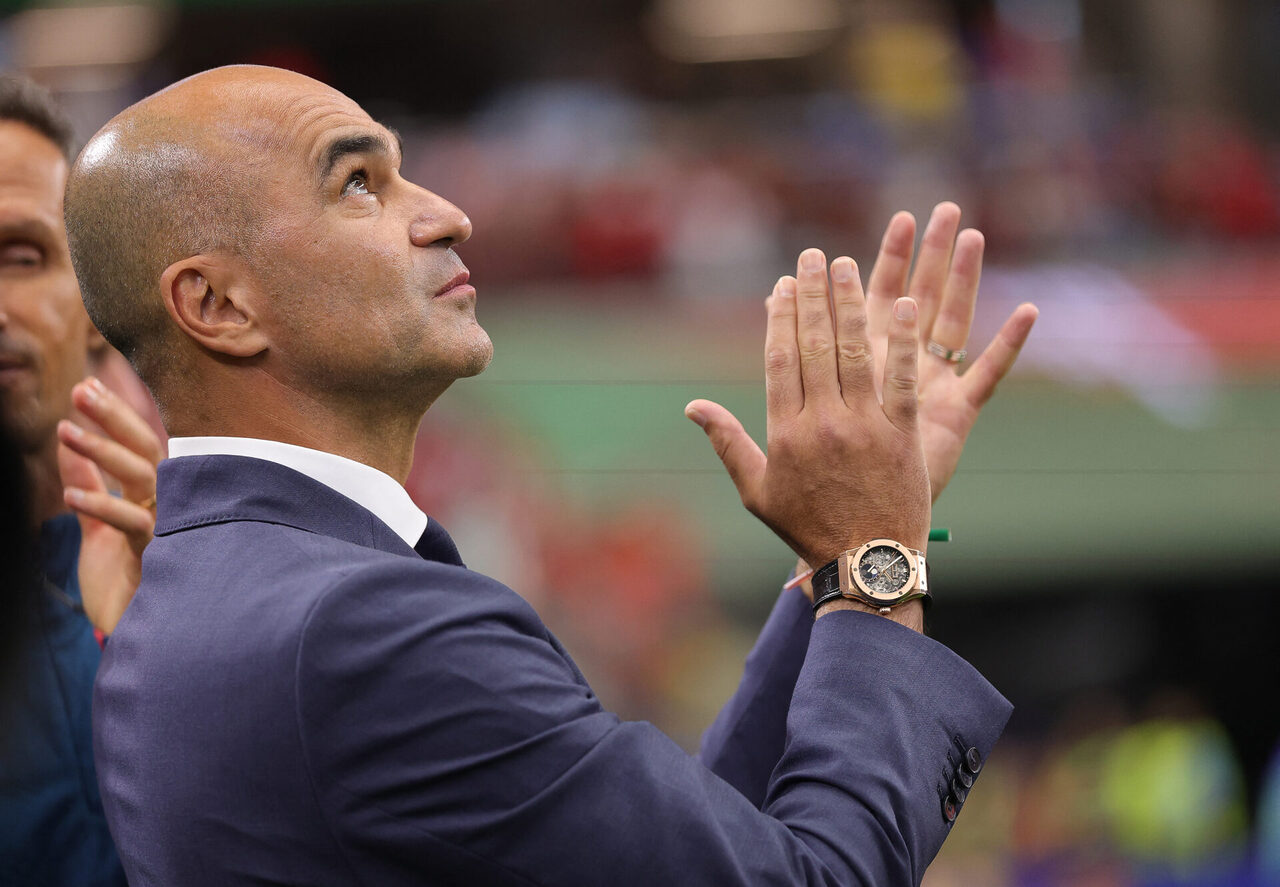
Roberto Martinez Net Worth: Career Earnings and Financial Profile
Roberto Martinez has accumulated an estimated net worth between $5 million and $15 million, primarily driven by his high-profile coaching career in European club and international football. His financial standing reflects long-term con...
Roberto Martinez has accumulated an estimated net worth between $5 million and $15 million, primarily driven by his high-profile coaching career in European club and international football. His financial standing reflects long-term contracts managing top-tier national teams like Belgium and Portugal, alongside successful tenures in the English Premier League.
Contents
Evaluating the net worth of professional sports figures requires looking past basic estimations to examine the mechanics of elite football management. Unlike professional players whose market values are heavily tied to transfer fees and playing contracts, a manager's financial portfolio is constructed through fixed-term managerial salaries, performance-based bonuses, commercial endorsements, and multi-year contract buyouts. Roberto Martinez has established himself as a fixture in international and club management over two decades. Understanding his financial evolution involves analyzing his playing background, his transition into the technical area, his major managerial appointments, and the structural economics of modern football coaching.
The Foundations: Playing Career and Early Management
Before building a reputation as a tactical innovator in the dugout, Roberto Martinez spent nearly two decades as a professional midfielder. Born in Balaguer, Spain, he came through the youth system at Real Zaragoza before moving to English football in 1995, joining Wigan Athletic alongside fellow Spaniards Jesús Seba and Isidro Díaz—a trio colloquially known as the "Three Amigos."
While playing careers in the lower tiers of English football during the late 1990s and early 2000s did not generate the astronomical wages seen in the modern Premier League, Martinez secured steady professional earnings. He represented clubs like Wigan Athletic, Swansea City, Chester City, and Walsall.
| Club | Years Active | Role |
|---|---|---|
| Real Zaragoza | 1993–1994 | Midfielder |
| Balaguer | 1994–1995 | Midfielder |
| Wigan Athletic | 1995–2001 | Midfielder |
| Swansea City | 2001–2003 | Midfielder / Player-Manager |
| Chester City | 2003–2006 | Midfielder |
| Walsall | 2006–2007 | Midfielder |
His transition into management began seamlessly at Swansea City in 2007, where he was appointed player-manager while still registered as a squad member. Shifting immediately from the playing staff to the technical area allowed him to begin accumulating managerial experience without a transitional layoff. Under his guidance, Swansea won the League One title in the 2007–08 season, establishing a possession-based style of play that drew widespread praise and laid the groundwork for his subsequent career advancement into higher-paying managerial positions.
Progression Through English Club Management
Martinez's financial trajectory shifted upward when he moved to higher-division clubs in English professional football. In June 2009, he was appointed manager of Wigan Athletic in the Premier League. Operating on one of the smallest budgets in the division, Martinez successfully kept the club in the top flight for four consecutive seasons—a notable financial achievement for the club's owners, given the immense broadcasting revenues associated with Premier League survival.
The pinnacle of his club career came in May 2013, when Wigan Athletic upset Manchester City to win the FA Cup. Although the club suffered relegation from the Premier League that same season, the achievement elevated Martinez's profile across Europe, leading to his appointment as manager of Everton FC in June 2013.
At Everton, Martinez signed a long-term contract that significantly increased his annual earnings. Premier League managers at established top-flight clubs during this era typically commanded base salaries ranging from £2 million to £4 million per year, supplemented by bonuses tied to league table positioning and European qualification. His three seasons at Goodison Park, followed by his departure via mutual agreement with a substantial compensation package, added considerably to his accumulated wealth.
The International Stage: Belgium and Portugal
The most lucrative chapter of Martinez's career involves his tenure in international management, where national football federations compensate elite managers to oversee golden generations of talent.
In August 2016, the Royal Belgian Football Association appointed Martinez as the head coach of the Belgium national team. Dubbed the "Red Devils," the squad featured world-class players such as Kevin De Bruyne, Eden Hazard, and Romelu Lukaku. Reports from European sports media outlets indicated that Martinez commanded a salary package competitive with top club managers, reflecting the high expectations of the Belgian federation. Under his leadership, Belgium achieved third place at the 2018 FIFA World Cup in Russia—the nation's best-ever finish in the tournament. This performance triggered contractual bonuses and cemented his status as an elite international coach.
Following the 2022 FIFA World Cup, Martinez stepped down from his role with Belgium. Within weeks, in January 2023, he was named the head coach of the Portugal national team, succeeding Fernando Santos. The Portuguese Football Federation secured his services on a long-term contract running through major international cycles. National team managers at this tier generally earn multi-million-euro annual base salaries, protected by guaranteed compensation clauses standard in professional sports contracts.
Additional Revenue Streams and Endorsements
Beyond his direct managerial salaries, high-profile football managers generate supplementary income through commercial partnerships, media punditry, and advisory roles:
- Media Punditry: During major international tournaments where his teams are not competing, or prior to taking high-profile jobs, Martinez has worked as a television analyst and guest pundit for major networks such as ESPN and BBC Sport. These appearances command substantial fees per match or tournament cycle.
- Commercial Endorsements: While managers rarely match the individual sneaker and lifestyle endorsement deals of star players, elite coaches frequently partner with sportswear manufacturers (such as Nike or Adidas) for technical gear, and feature in promotional campaigns for official tournament sponsors.
- Speaking Engagements and Tactical Consultations: Elite managers are often retained for corporate leadership seminars, coaching clinics, and FIFA technical study group panels, providing additional professional revenue.
Financial Management and Asset Preservation
Football managers of Martinez's stature typically employ wealth management firms, sports accountants, and legal advisors to structure their earnings across multiple jurisdictions. Because Martinez has worked professionally in Spain, the United Kingdom, and Belgium, and now operates under Portuguese tax residency parameters, his financial planning requires cross-border tax compliance and asset diversification.
Typical wealth preservation strategies for elite managers include:
- Real Estate Portfolios: Securing prime residential and commercial property assets in countries where they have lived and worked long-term, particularly in the UK and Spain.
- Private Equity and Investment Funds: Channeling liquid earnings into diversified portfolios managed by private banking institutions, mitigating the volatility inherent in short-term managerial contracts.
- Corporate Entities: Utilizing personal service companies and image rights corporations to manage endorsement revenues and operational expenses efficiently under applicable tax codes.
Frequently Asked Questions
What is Roberto Martinez's annual salary as Portugal manager?
Exact financial terms of national team contracts are occasionally kept confidential by football federations, but industry estimates and sports business reporting place Martinez's annual salary with the Portugal national team in the range of €3 million to €4 million, placing him among the highest-paid international head coaches.
How much did Roberto Martinez earn at Everton?
During his tenure at Everton FC from 2013 to 2016, Martinez reportedly earned a base salary of approximately £3 million per year. When his contract was terminated in May 2016, standard managerial severance and compensation clauses added a notable sum to his career earnings.
Does Roberto Martinez still manage at club level?
No. Following the conclusion of his spell with Wigan Athletic and Everton, Martinez transitioned exclusively to international management, leading the Belgium national team from 2016 to 2022 and taking charge of the Portugal national team in January 2023.
What are Roberto Martinez's career achievements as a manager?
His major managerial honors include winning the Football League One title with Swansea City (2007–08), winning the FA Cup with Wigan Athletic (2012–13), and leading the Belgium national team to a third-place finish at the 2018 FIFA World Cup.
How do football managers handle taxes across different countries?
Elite football managers operate across multiple international tax jurisdictions. They typically utilize specialized international tax attorneys and wealth management advisors to structure their earnings legally, accounting for differing income tax rates in countries like the UK, Belgium, and Portugal.
Next Actions and Further Research
For those tracking the financial and professional developments of football managers, monitoring official federation announcements, verified sports business publications (such as The Athletic or SportBusiness), and annual football financial reviews provides the most accurate data. Contract renewals, tournament bonuses, and commercial partnerships continually alter the net worth trajectories of elite technical staff.
Image Gallery