Defining Elegance: Analyzing the Most Beautiful First Ladies in US History
While beauty is inherently subjective, historical consensus and cultural impact often highlight Jacqueline Kennedy, Melania Trump, and Frances Cleveland as the most visually striking and fashion-forward First Ladies. Their influence ex...
While beauty is inherently subjective, historical consensus and cultural impact often highlight Jacqueline Kennedy, Melania Trump, and Frances Cleveland as the most visually striking and fashion-forward First Ladies. Their influence extended beyond aesthetics, shaping the public’s perception of the presidency through a combination of personal grace, style, and media presence.
Contents
The role of the First Lady of the United States (FLOTUS) is unique in global politics. It is an unelected position that carries immense symbolic weight. For over two centuries, the American public has looked to the First Lady not just as the President's spouse, but as a cultural barometer, a fashion icon, and a representative of American womanhood. As of 2026, the fascination with the "most beautiful" First Lady remains a blend of appreciation for physical grace and the enduring legacy of their individual styles.
The Evolution of the "Most Beautiful" Standard
To understand why certain First Ladies are remembered for their beauty, one must first recognize that the definition of beauty has shifted alongside the evolution of media. In the 19th century, "beauty" was often associated with youth and a gentle, Victorian demeanor. By the mid-20th century, the advent of color television and photojournalism transformed beauty into a brand of "glamour" and "sophistication."
In the modern era, beauty is frequently analyzed through the lens of fitness, high fashion, and the ability to maintain a poised image under the 24-hour news cycle. Consequently, any discussion regarding the most beautiful First Lady must account for the era in which she served and the technology available to document her presence.
Jacqueline Kennedy: The Gold Standard of Grace
Jacqueline Kennedy, who served as First Lady from 1961 to 1963, remains the most cited example of beauty and elegance in the White House. At just 31 years old upon her husband's inauguration, she brought a youthful, European-influenced aesthetic to Washington D.C. that had never been seen before.
The "Jackie Look" and Couture Diplomacy
Jackie Kennedy’s beauty was inextricably linked to her style. Working closely with designer Oleg Cassini, she created a wardrobe that prioritized clean lines, bold colors, and the iconic pillbox hat. This was not merely about vanity; it was "couture diplomacy." Her appearance during the 1961 state visit to France was so impactful that President John F. Kennedy famously introduced himself as "the man who accompanied Jacqueline Kennedy to Paris."
Cultural Restoration and Legacy
Her beauty was also reflected in her surroundings. She spearheaded the historical restoration of the White House, arguing that the building’s interior should reflect the majesty of the American spirit. By the time her tenure was tragically cut short, she had established a blueprint for the modern First Lady: a figure who was as much a cultural leader as she was a political spouse. Her image, characterized by large sunglasses and perfectly tailored suits, continues to influence fashion designers in 2026.
Melania Trump: The Arrival of High Fashion
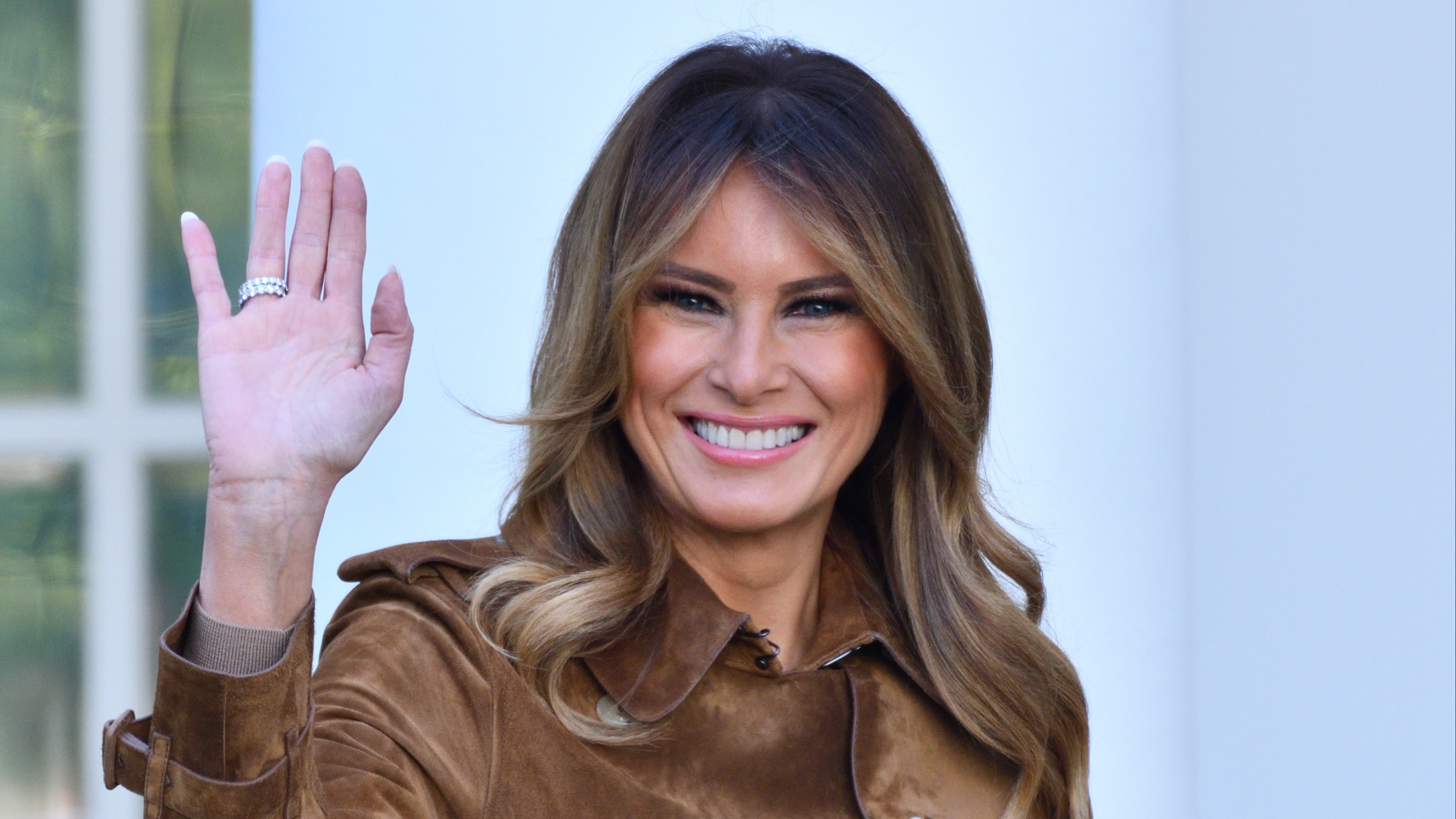
Melania Trump, the First Lady from 2017 to 2021, represents a distinct shift in the aesthetic history of the White House. As a former professional model who had graced the covers of Vogue and Harper’s Bazaar, her physical presence was defined by a sculptural, high-fashion sensibility.
Professional Poise and Architectural Style
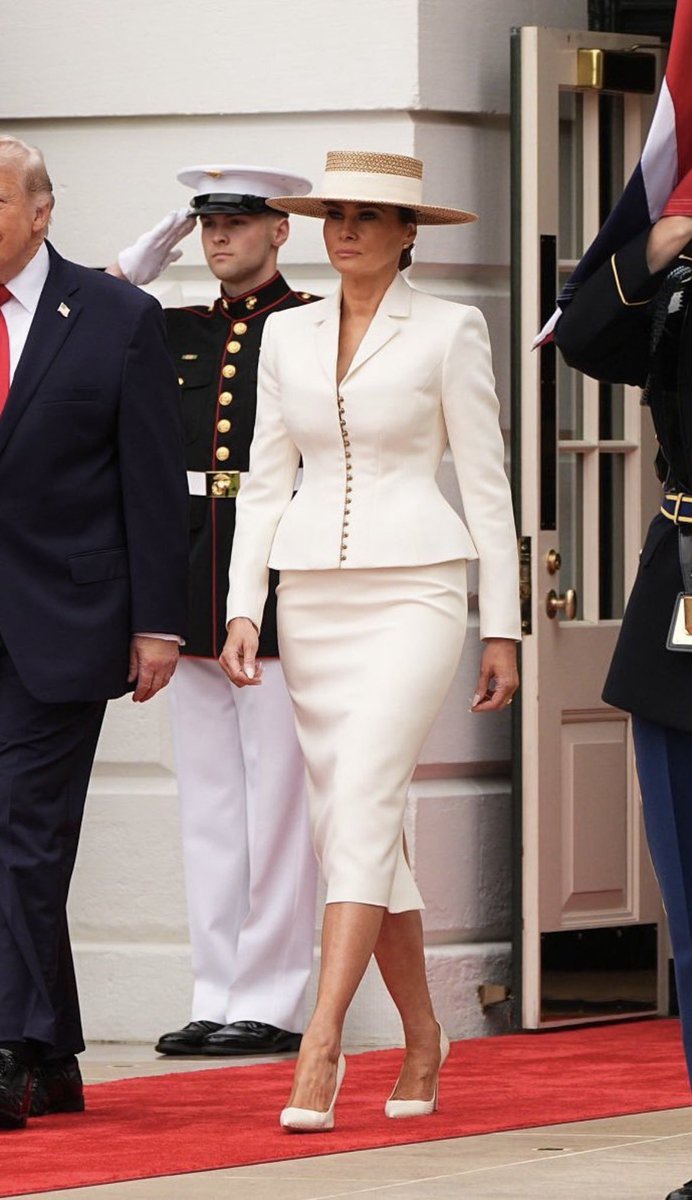
Unlike many of her predecessors, Melania Trump’s approach to beauty was grounded in her background in the fashion industry. Her style was often described as architectural, favoring sharp silhouettes, caped coats, and stilettos. She utilized her wardrobe to project a sense of formidable poise, often opting for luxury European designers like Dolce & Gabbana and Hervé Pierre.
The Impact of Modern Media
In the age of high-definition digital photography and social media, Melania Trump’s image was meticulously curated. Her beauty was often framed by a sense of mystery and a "quiet" strength, which contrasted with the more accessible, "girl-next-door" personas of some earlier First Ladies. Her influence is particularly noted in the return to formal, structured attire for public appearances, a trend that remains visible in political fashion circles as of 2026.
Frances Cleveland: The 19th-Century "It Girl"
Long before the era of television, Frances Cleveland captured the American imagination in a way few others have. Married to President Grover Cleveland in 1886 during his first term, she remains the youngest First Lady in history, entering the White House at the age of 21.
The "Frankie" Phenomenon
Frances Cleveland’s beauty was so widely admired that she became a national obsession. Her image was used—often without her permission—to sell everything from perfume to playing cards. She was the first First Lady to become a true celebrity whose hairstyles and clothing choices were tracked by the masses. Women across the country copied her "Cleveland fringe" (a style of bangs) and her preference for sleeveless gowns, which were considered somewhat daring at the time.
Youth and Accessibility
Her beauty was defined by her vitality and approachable nature. She held public receptions that drew thousands of people, purposefully making herself accessible to the common citizen. This combination of physical youth and a warm personality made her one of the most popular women of the 19th century, proving that beauty could be a powerful political asset even in the pre-digital age.
Comparative Overview of Iconic First Ladies
The following table compares key figures often cited for their aesthetic and cultural impact, highlighting the different ways beauty has been defined throughout US history.
| First Lady | Tenure | Aesthetic Category | Notable Fashion Contribution |
|---|---|---|---|
| Frances Cleveland | 1886–1889, 1893–1897 | Youthful/Victorian | Popularized "The Cleveland Fringe" and sleeveless gowns. |
| Grace Coolidge | 1923–1929 | Jazz Age/Vibrant | Introduced "flapper-lite" elegance with vibrant colors and furs. |
| Jacqueline Kennedy | 1961–1963 | Classic/Couture | The pillbox hat, shift dresses, and French-inspired tailoring. |
| Nancy Reagan | 1981–1989 | Hollywood Glamour | "Reagan Red" and high-end American designer gowns. |
| Michelle Obama | 2009–2017 | Modern/Athletic | Championed accessible fashion mixed with emerging designers. |
| Melania Trump | 2017–2021 | High Fashion/Sculptural | Reintroduced formal capes, stilettos, and architectural silhouettes. |
The Role of Art and the Official Portrait
The perception of a First Lady’s beauty is often cemented by her official White House portrait. These paintings are intended to capture the essence of the woman, often emphasizing her most admired traits. For instance, the portrait of Grace Coolidge in a vibrant red dress with her white collie, Rob Roy, captures a sense of 1920s vitality that historical texts often struggle to convey.
Similarly, the modern portraits of First Ladies like Michelle Obama and Hillary Clinton have moved toward portraying "beauty in action"—focusing on intelligence, strength, and confidence alongside physical appearance. As of 2026, the White House Historical Association continues to be the primary resource for studying these portraits, which serve as the permanent record of how these women were viewed by their contemporaries.
Beyond the Surface: Beauty as Soft Power
It is essential to recognize that for a First Lady, beauty is rarely just about vanity. It is a form of "soft power." By presenting a polished, attractive image, a First Lady can soften the edges of a controversial administration or draw attention to critical social causes.
- Nancy Reagan used her Hollywood-honed sense of style to bring a renewed sense of "stature" to the White House after the perceived austerity of the late 1970s.
- Michelle Obama utilized her image to promote health and fitness, making her own physical vitality a central part of her "Let's Move!" initiative.
- Dolley Madison used her social grace and renowned beauty to act as a bridge between warring political factions in the early 1800s, proving that an attractive and welcoming presence could facilitate diplomacy.
Frequently Asked Questions
Who is officially considered the most beautiful First Lady?
There is no official ranking, as beauty is subjective. However, Jacqueline Kennedy, Melania Trump, and Frances Cleveland are the three names most frequently cited in historical polls and fashion retrospectives due to their significant impact on style and media culture.
Who was the youngest First Lady in US history?
Frances Cleveland is the youngest First Lady. she was only 21 years old when she married President Grover Cleveland in the Blue Room of the White House in 1886. Her youth and beauty made her a massive celebrity during her time.
Which First Lady had a background in professional modeling?
Melania Trump was a professional fashion model before her marriage to Donald Trump. She worked in Milan and Paris before moving to New York City, and her professional experience heavily influenced her wardrobe and public image as First Lady.
How does the Smithsonian preserve the legacy of First Lady fashion?
The National Museum of American History, part of the Smithsonian Institution, maintains a permanent exhibition titled "The First Ladies." This collection features the inaugural gowns and other personal items, allowing the public to see firsthand the evolution of style and beauty standards from Martha Washington to the present day.
Did any First Lady's beauty impact political policy?
While beauty itself isn't a policy, the "image" of the First Lady often supports her husband's political goals. For example, Jacqueline Kennedy’s "soft power" during international visits significantly boosted the Kennedy administration's standing in Europe and Latin America.
Recommendations for Further Study
For those interested in the intersection of history, fashion, and the American presidency, the best course of action is to visit official archives.
- Visit the White House Historical Association: Their digital archives provide high-resolution images of official portraits and detailed histories of the First Ladies' roles in White House restoration.
- Explore the Smithsonian Collection: If you are in Washington D.C., the First Ladies exhibit at the National Museum of American History is the most comprehensive physical record of their aesthetic legacies.
- Read Biographical Works: To understand the woman behind the image, biographies such as Jacqueline Kennedy: Historic Conversations on Life with John F. Kennedy offer deep insights into how these women viewed their own public personas.
By 2026, the study of the First Lady has evolved to appreciate these women not just for their appearance, but for how they leveraged their public image to leave a lasting mark on the American consciousness.
Image Gallery