The Global Milestone: Understanding the First Openly Gay Prime Minister
The first openly gay person to serve as a head of government in modern history was Jóhanna Sigurðardóttir, who became the Prime Minister of Iceland in 2009. Her appointment marked a significant shift in global political representation,...
The first openly gay person to serve as a head of government in modern history was Jóhanna Sigurðardóttir, who became the Prime Minister of Iceland in 2009. Her appointment marked a significant shift in global political representation, transitioning from an era where sexual orientation was almost universally kept private among high-ranking officials to a period of increasing transparency and societal inclusion in democratic leadership.
Contents
Historical Context and Definition
To understand the significance of this milestone, one must distinguish between various levels of executive power. In parliamentary systems, the "head of government" is typically the Prime Minister, while the "head of state" is often a monarch or a president with ceremonial duties. Jóhanna Sigurðardóttir’s tenure as Prime Minister is widely recognized by historians and political scientists as the first instance of an openly gay individual leading a nation's government.
While other political figures had come out after leaving office or served in lower-tier cabinet positions, Sigurðardóttir was the first to hold the highest executive office while living openly in a same-sex partnership. She took office during the height of the 2008–2011 Icelandic financial crisis, meaning her primary political challenges were rooted in economic stabilization and constitutional reform, rather than solely symbolic representation.
Jóhanna Sigurðardóttir: A Case Study in Leadership
Born in 1942, Jóhanna Sigurðardóttir had an extensive career in trade union activism and politics before ascending to the premiership. She was appointed Prime Minister on February 1, 2009, following a coalition government collapse. Her leadership was characterized by a focus on social democratic principles and the restoration of public trust in Icelandic institutions.
What makes her appointment particularly notable is that it occurred without the significant political scandal that many contemporary analysts expected at the time. Her sexual orientation was known, and her relationship with Jónína Leósdóttir was public knowledge. When they married in 2010—coinciding with the legalization of same-sex marriage in Iceland—it was viewed not as a radical departure, but as a normalized aspect of her life. This lack of friction highlighted the maturity of the Icelandic political culture regarding LGBTQ+ rights.
Evolution of LGBTQ+ Representation in Executive Office
Following Sigurðardóttir, the trend of openly gay and lesbian leaders has expanded, albeit slowly. It is important to differentiate between Prime Ministers and other high-level roles, such as Deputy Prime Ministers or Cabinet Ministers, to maintain historical accuracy.
| Leader | Country | Term Start | Office |
|---|---|---|---|
| Jóhanna Sigurðardóttir | Iceland | 2009 | Prime Minister |
| Elio Di Rupo | Belgium | 2011 | Prime Minister |
| Xavier Bettel | Luxembourg | 2013 | Prime Minister |
| Leo Varadkar | Ireland | 2017 | Taoiseach (PM) |
| Ana Brnabić | Serbia | 2017 | Prime Minister |
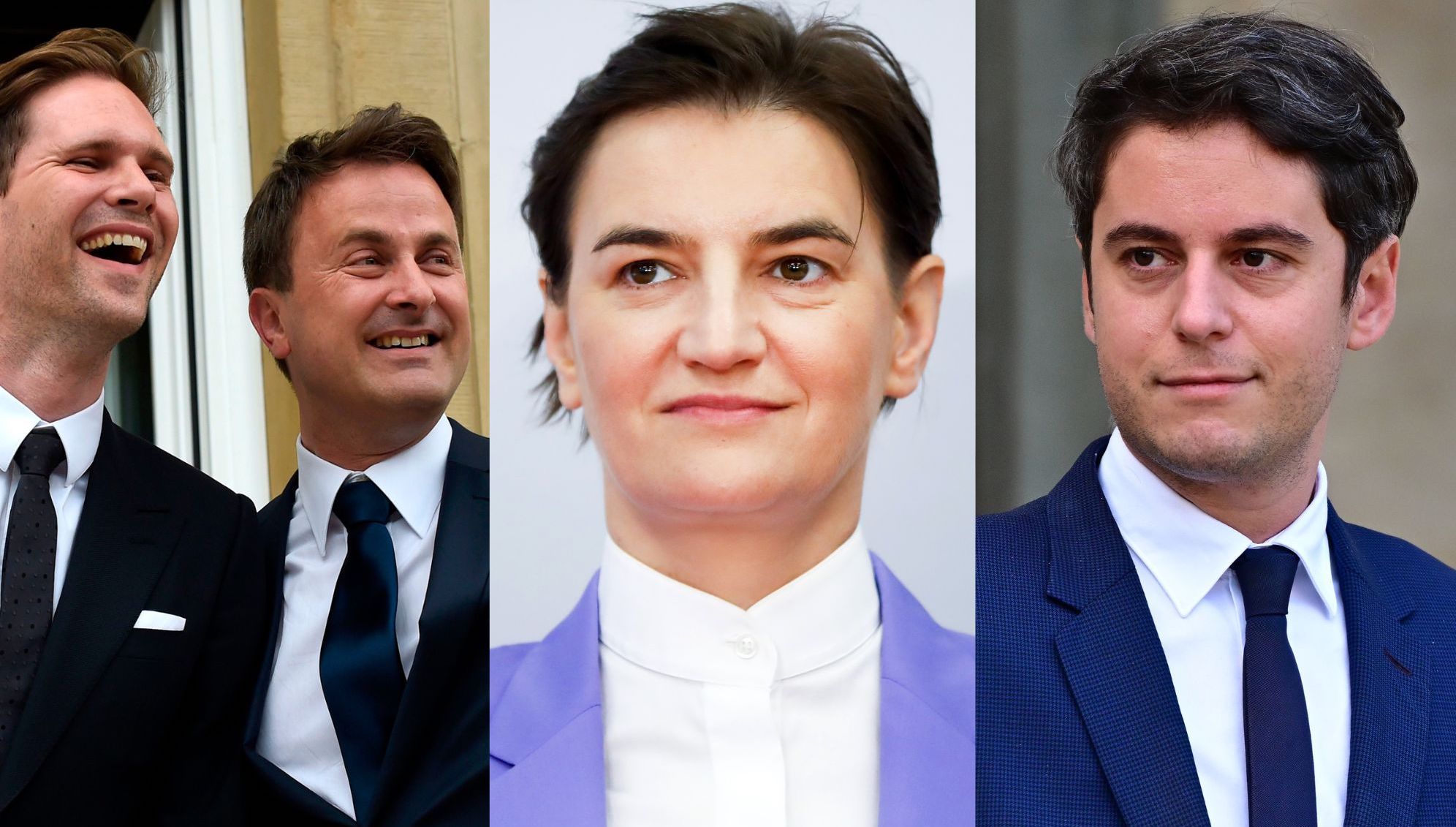
These figures represent different political environments and cultural attitudes toward LGBTQ+ rights. For instance, the transition of Leo Varadkar in Ireland and Xavier Bettel in Luxembourg underscores the shift in European parliamentary systems toward meritocratic assessments of candidates, where sexual orientation is increasingly viewed as secondary to policy platform and economic vision.
The Impact of Openness on Democratic Policy
The presence of openly gay leaders has had tangible effects on the legislative landscapes of their respective nations. In many cases, these leaders have championed or overseen the passage of marriage equality, civil union protections, and anti-discrimination laws. However, it is an analytical mistake to assume that an openly gay leader's agenda is limited to social issues.
As seen with Sigurðardóttir, the pressure of economic crises often dictates the legislative agenda. Similarly, other leaders on this list have had to navigate complex geopolitical landscapes, environmental policies, and healthcare reform. The primary search intent regarding these individuals often focuses on the "first" to break the barrier, but their legacy is usually defined by the broader administrative outcomes of their governments.
Legal and Social Prerequisites for Representation
The ability for an openly gay individual to attain the office of Prime Minister is contingent upon several factors that vary by jurisdiction:
- Constitutional Protections: Countries with robust anti-discrimination laws are statistically more likely to produce leaders who feel comfortable living openly.
- Secularism vs. Traditionalism: In nations where religious institutions hold significant sway over electoral outcomes, the barriers to open representation are generally higher.
- Political Party Selection: In parliamentary systems, the candidate must first be vetted by a party hierarchy. Therefore, the "first" openly gay Prime Minister often requires a party structure that prioritizes electability and competency over traditional demographic gatekeeping.
Challenges and Criticisms
Despite the milestone, individuals in these positions face unique challenges. These include:
- Hyper-visibility: Every policy decision made by a gay Prime Minister is occasionally scrutinized through the lens of their identity, which can distract from purely economic or technical analysis.
- Regional Resistance: In some international forums, gay heads of government may face diplomatic hurdles when dealing with regimes that have explicit anti-LGBTQ+ laws.
- Internal Party Dynamics: Navigating the internal politics of conservative parties or coalition partners can lead to a delicate balancing act, where the leader must prioritize legislative stability over personal or social advocacy.
Navigating Historical Records
When researching "first openly gay prime minister," users may encounter conflicting information regarding regional governors, mayors, or ministers. It is critical to differentiate between a Head of Government (the Chief Executive of the country) and sub-national leaders. For instance, while several cities elected openly gay mayors decades prior to 2009, those positions carry different executive authority and legal recognition than the premiership of a sovereign nation. Always cross-reference the office title with the country’s official constitutional structure to ensure the leader holds true head-of-government status.
Frequently Asked Questions
Who was the first openly gay Prime Minister in history? Jóhanna Sigurðardóttir of Iceland is widely recognized as the first openly gay individual to serve as a head of government, taking office in 2009.
Did any leaders serve openly before 2009? While some lower-level cabinet ministers or local government officials identified as LGBTQ+ prior to 2009, Sigurðardóttir was the first to hold the highest executive role in a national government while being openly gay.
Does the title of Prime Minister differ from a President? Yes. In many parliamentary systems, the Prime Minister is the head of government and holds the executive power to manage the state. A President may serve as head of state with ceremonial duties, though some countries have executive presidencies where the President is the head of government.
Are there challenges specific to LGBTQ+ heads of government? Leaders in this position often face the "double-duty" of managing state affairs while navigating international diplomatic environments that may be hostile to their identity, as well as managing domestic public opinion in countries with varying levels of social acceptance.
How does being openly gay affect the policy agenda of a Prime Minister? The influence is highly variable. While many such leaders have been instrumental in advancing human rights and marriage equality, they must also prioritize the immediate economic, defense, and structural needs of their country, which often become the primary focus of their tenure.
Moving Forward
When evaluating the tenure of global leaders, it is essential to view the milestone of the first openly gay Prime Minister as a marker of evolving democratic inclusivity. Future assessments of such leadership should look beyond the symbolic nature of their identity and examine the efficacy of their policies and their success in navigating the complex demands of 21st-century governance. To learn more about specific legislative actions taken during these terms, consult national legislative archives or reports from non-partisan political science institutes.
Image Gallery