Understanding the Background of Jani Bergdahl: The Wife of Former U.S. Soldier Bowe Bergdahl
Jani Bergdahl is best known publicly as the former wife of Bowe Bergdahl, the U.S. Army soldier whose capture by the Taliban in Afghanistan and subsequent five-year captivity sparked a massive international crisis, intense media scruti...
Jani Bergdahl is best known publicly as the former wife of Bowe Bergdahl, the U.S. Army soldier whose capture by the Taliban in Afghanistan and subsequent five-year captivity sparked a massive international crisis, intense media scrutiny, and a deeply polarized political debate across the United States. While Bowe Bergdahl's military career, disappearance from his combat outpost in 2009, prisoner exchange in 2014, and subsequent court-martial dominated headlines for over a decade, his personal life—including his marriage to Jani Bergdahl—remained largely out of the direct public spotlight. Examining this aspect of the broader narrative requires looking at the intersection of private family matters and high-stakes military history, providing context on how loved ones navigate the fallout of protracted geopolitical conflicts.
Contents
The Intersection of Personal Life and Public Scrutiny
When individuals are thrust into the center of historic events, their immediate family members often share the burden of public curiosity, media intrusion, and intense emotional strain. Bowe Bergdahl's disappearance in June 2009 turned his family's life upside down, transforming ordinary citizens into central figures in a national debate over military policy, prisoner exchanges, and desertion charges.
While Bowe's parents, Bob and Jani Bergdahl (often referred to in public records as Jani Bergdahl, though public reporting occasionally distinguishes between family members and marital partners), experienced the relentless pressure of advocacy groups, government negotiations, and press conferences, the specific timeline and details of Bowe Bergdahl's marital status have frequently been subject to public misunderstanding. In many biographical profiles and news archives surrounding the case, the name Jani Bergdahl is historically linked to the family dynamic that fought for his release, while separate reports touch upon personal relationships during and after his return to the United States.
Navigating such extreme circumstances requires understanding the boundaries between public accountability and private life. Bowe Bergdahl's military case involved official government investigations, a high-profile prisoner swap that traded five Taliban commanders held at Guantanamo Bay for his release in May 2014, and a 2017 court-martial where he pleaded guilty to desertion and misbehavior before the enemy. Throughout these developments, the personal lives of those connected to him were subjected to varying degrees of public examination, yet many maintained a strict separation from the media circus.
Historical Context of the Bowe Bergdahl Case
To understand why public interest extends to associates and family members like Jani Bergdahl, it is essential to review the timeline of the Bowe Bergdahl controversy. The events unfolded across three distinct phases: his disappearance and captivity, his controversial release, and the subsequent legal proceedings.
Disappearance and Captivity (2009–2014)
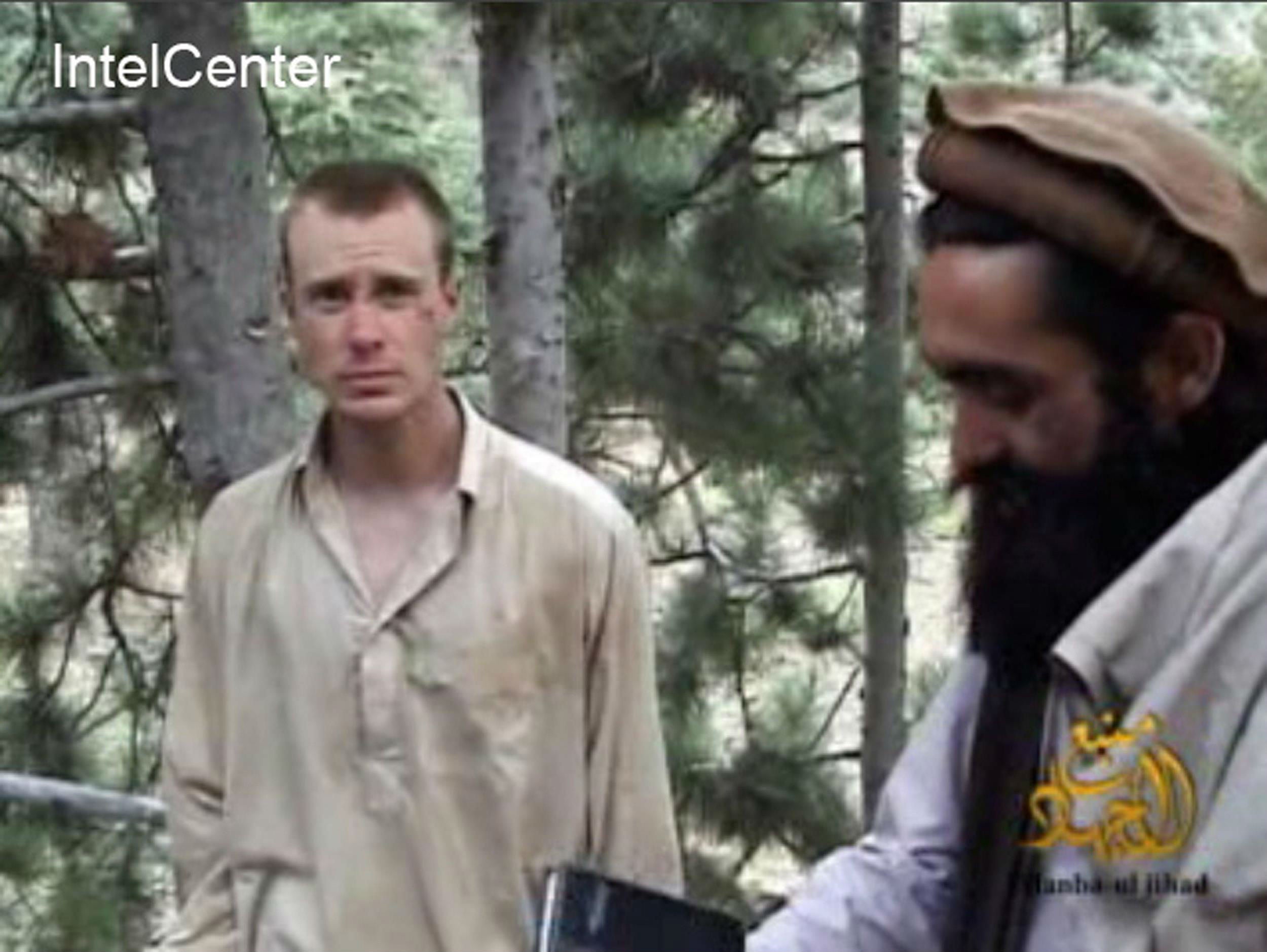
On June 30, 2009, Private First Class Bowe Bergdahl left his observation post, Melal, in the Paktika Province of Afghanistan. He was captured by the Taliban shortly thereafter and spent nearly five years as a prisoner of war. During this period, his family campaigned tirelessly for his recovery, utilizing media appearances and direct appeals to ensure the U.S. government kept his rescue a priority.
The 2014 Prisoner Exchange
In May 2014, the Obama administration secured Bergdahl's release in exchange for five high-ranking Taliban detainees held at the Guantanamo Bay detention camp. The swap was celebrated by his family in Roseburg, Oregon, but immediately drew fierce criticism from lawmakers, military veterans, and fellow soldiers who argued that Bergdahl had endangered lives by walking away from his unit and that negotiating with terrorists set a dangerous precedent.
Court-Martial and Sentencing (2017)
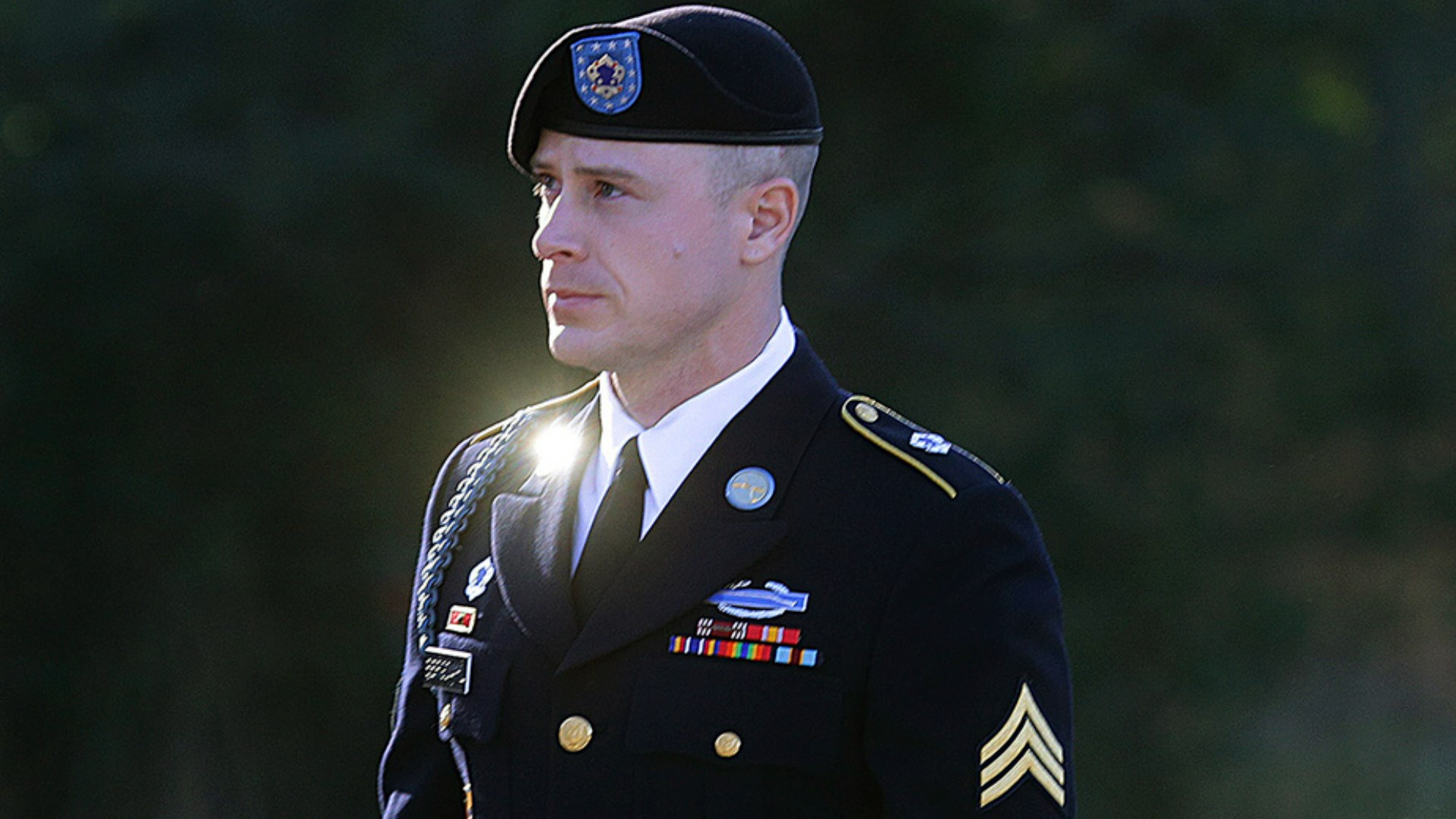
Following an extensive Army investigation, Bergdahl was charged with desertion and misbehavior before the enemy. In October 2017, he pleaded guilty to both charges before a military judge at Fort Bragg (now Fort Liberty), North Carolina. He received a dishonorable discharge, a reduction in rank to private, and a reprimand, but avoided prison time. The case remained a touchstone in discussions regarding military justice, mental health, and the ethics of wartime conduct.
Media Representation and Public Records
Public curiosity regarding Jani Bergdahl and other individuals connected to high-profile military figures often stems from brief mentions in investigative journalism, authorized biographies, and documentary projects, such as the second season of the podcast Serial, which focused extensively on the Bergdahl case.
When researching historical figures tied to controversial news stories, distinguishing between verified biographical data and internet speculation is crucial. Official court records, Department of Defense press releases, and reputable journalistic investigations provide the primary foundation for understanding the peripheral figures in the Bergdahl saga.
| Phase of Event | Key Milestone | Impact on Family and Associates |
|---|---|---|
| 2009 | Disappearance in Afghanistan | Immediate transition from private life to intense public and media advocacy. |
| 2014 | Release via Prisoner Swap | Intense national debate, political scrutiny, and relief for close relations. |
| 2017 | Military Court-Martial | Legal closure accompanied by renewed media attention on private associations. |
Frequently Asked Questions
Who is Bowe Bergdahl?
Bowe Bergdahl is a former U.S. Army soldier who was captured by the Taliban in Afghanistan in 2009 after leaving his combat outpost. He was released in 2014 in exchange for five Taliban detainees and later pleaded guilty to desertion and misbehavior before the enemy during a 2017 court-martial.
What is known about Jani Bergdahl's connection to the case?
Jani Bergdahl is historically associated with the family and personal network surrounding Bowe Bergdahl during the years of his captivity, release, and subsequent legal trials. Public records regarding personal relationships remain largely private, though the name frequently appears in broader biographical discussions of the soldier's life.
Why did the Bowe Bergdahl prisoner swap cause controversy?
The May 2014 prisoner exchange drew intense criticism because Bowe Bergdahl faced allegations of desertion, and the trade involved releasing five high-ranking Taliban commanders from Guantanamo Bay, sparking debates over national security and military policy.
Where can reliable information about the Bergdahl case be found?
Reliable information is available through official Department of Defense archives, transcripts from the 2017 court-martial at Fort Bragg, and comprehensive investigative journalism from reputable news organizations and documentary series.
Next Actions and Conclusion
For researchers, historians, and individuals seeking accurate details regarding the Bowe Bergdahl case and its surrounding figures, relying on primary government documents, court transcripts, and established journalistic reporting is essential. The complexities of the case highlight how personal lives intersect with major geopolitical events, leaving a lasting imprint on modern military history.
Image Gallery