Comprehensive Overview and Context Regarding the Hempstead Fatal Shooting Incident
The details of the hempstead fatal shooting involve a tragic violent crime investigated by local law enforcement agencies, including the Nassau County Police Department, focusing on identifying suspects, establishing a timeline, and un...
The details of the hempstead fatal shooting involve a tragic violent crime investigated by local law enforcement agencies, including the Nassau County Police Department, focusing on identifying suspects, establishing a timeline, and uncovering the underlying motives behind the incident.
Contents
When violent crimes occur in communities like Hempstead, New York, the subsequent public interest and official response involve a multi-layered process. This process spans initial emergency dispatch, crime scene processing, ballistics analysis, public appeals for information, and eventual judicial proceedings. Understanding these incidents requires looking past sensationalized headlines to examine verified reports from municipal authorities, prosecuting offices, and local news outlets that adhere to journalistic standards.
Navigating the complexities of a major criminal investigation requires an understanding of how police departments manage evidence, how public safety notifications are disseminated, and what legal pathways dictate the handling of suspects and witnesses. This examination outlines the structural framework of such investigations, the role of public accountability, and the typical phases of criminal justice resolution associated with fatal shootings in suburban municipal settings.
Investigative Framework and Law Enforcement Response
When a fatal shooting takes place within the jurisdiction of Hempstead, primary response duties typically fall upon the Nassau County Police Department (NCPD), often working in conjunction with local municipal police and the county district attorney's office. The immediate aftermath of a shooting dictates the success of long-term evidence preservation.
| Investigation Phase | Primary Responsibilities |
|---|---|
| Initial Response | Securing perimeter, rendering aid, calling emergency medical services |
| Crime Scene Processing | Recovering ballistic evidence, mapping trajectory, DNA swabs |
| Witness & Community Outreach | Canvassing neighborhoods, collecting CCTV/dashcam footage |
| Medical Examiner Autopsy | Determining exact cause of death, toxicology, bullet path mapping |
Securing the Scene and Collecting Physical Evidence
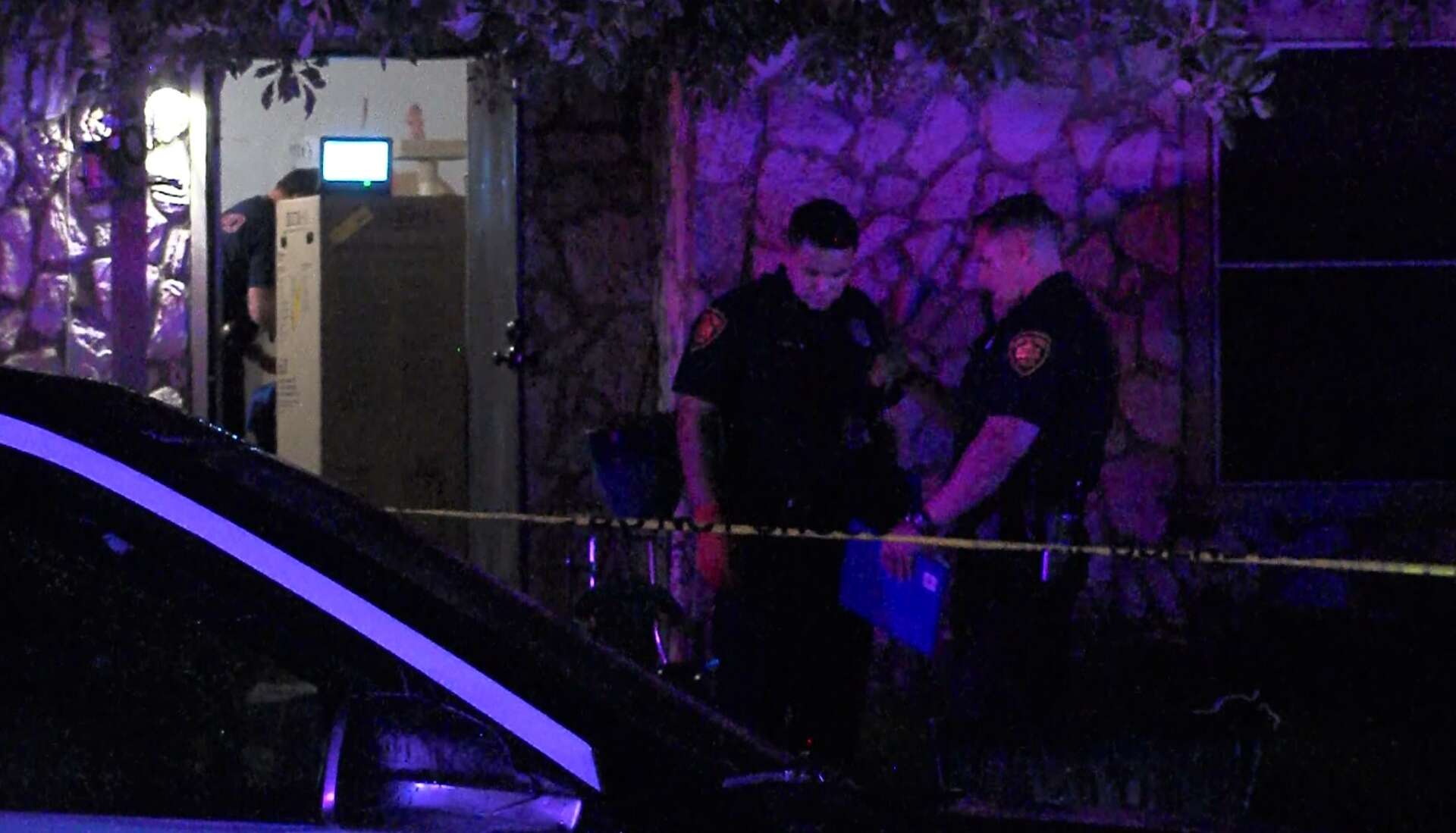
The initial hours following a fatal shooting are critical. Detectives and crime scene technicians systematically isolate the area to protect transient evidence. This includes marking shell casings, recovering firearms if left behind, documenting blood spatter patterns, and securing digital evidence from surrounding commercial or residential surveillance cameras.
In municipal areas like Hempstead, dense residential blocks and commercial corridors often mean that private security systems, Ring doorbells, and municipal traffic cameras capture vital segments of the incident. Investigators rely heavily on retrieving this digital footage rapidly before automated storage loops overwrite the data.
Ballistics and Forensic Pathology
Once physical evidence is logged into evidence lockers, ballistics experts examine recovered projectiles and cartridge casings. Using integrated ballistics identification networks, laboratories compare striation marks against state and national databases to determine if the firearm was used in previous crimes. Concurrently, the county medical examiner conducts an autopsy to establish the exact trajectory of bullets, distance of discharge, and toxicology reports, forming the scientific foundation for any future criminal indictments.
Community Impact and Public Safety Measures
Incidents of gun violence profoundly impact local communities, prompting heightened responses from municipal leaders, community activists, and law enforcement outreach units. In the wake of a fatal shooting, police departments frequently deploy additional patrols to reassure residents and deter potential retaliatory violence.
The Role of Crime Stoppers and Anonymous Tips
Law enforcement agencies frequently partner with organizations like Crime Stoppers to solicit anonymous tips from the public. Because fear of retaliation often deters witnesses from coming forward directly, anonymous tip lines provide a secure mechanism for individuals to share crucial details regarding suspects, vehicle descriptions, or hideouts. Rewards are often posted to incentivize cooperation, highlighting the reliance of modern police work on community-police partnerships.
Victim Support Services and Trauma Response
Municipalities and county social service agencies generally mobilize victim advocacy groups following a fatal incident. These organizations assist grieving families with funeral logistics, grief counseling resources, and navigation of the criminal justice system. Additionally, community-based violence intervention programs frequently step into neighborhoods to mediate tensions and prevent cyclical retaliation.
Legal Proceedings and Judicial Progression
Once law enforcement identifies, locates, and apprehends a suspect in a fatal shooting, the case transitions from the investigative phase to the judicial system managed by the county court and the District Attorney's office.
Arraignment and Indictment
The legal process begins with an arraignment, where formal charges—ranging from manslaughter to various degrees of murder—are read to the defendant. During this proceeding, bail arguments are heard, or the defendant is remanded without bail depending on the severity of the charges and their criminal history. Following the arraignment, the case is typically presented to a grand jury to secure a formal indictment.
Discovery and Trial Preparation
Under state criminal procedure laws, the prosecution must share all evidence, police reports, and witness statements with the defense counsel during the discovery phase. This phase can take months as both sides review forensic analyses, depose expert witnesses, and file pre-trial motions regarding the admissibility of specific evidence. Many cases resolve through negotiated plea agreements, while others proceed to a trial by jury where the state must prove guilt beyond a reasonable doubt.
Frequently Asked Questions
What agency leads the investigation into shootings in Hempstead?
The Nassau County Police Department leads homicide and major crime investigations within Hempstead, frequently collaborating with the Nassau County District Attorney's Office and local municipal authorities to process evidence and interview witnesses.
How can the public assist law enforcement during a murder investigation?
Residents can assist by providing anonymous tips through established channels like Crime Stoppers, sharing verified video footage from home security systems or dashcams, and cooperating with detectives during neighborhood canvasses.
What charges are typically brought in a fatal shooting case?
Depending on the intent, premeditation, and circumstances surrounding the incident, charges can range from second-degree manslaughter or criminally negligent homicide to first- or second-degree murder.
Where can families of victims find support after a violent crime?
County victim services divisions, local non-profit advocacy groups, and state office of victim services programs offer counseling, financial assistance for burial expenses, and guidance through the legal process.
Are ballistic records from local shootings shared across jurisdictions?
Yes, recovered firearms and ballistic evidence are routinely entered into state and federal databases, such as the National Integrated Ballistic Information Network (NIBIN), to track weapons used across municipal and state lines.
Next Actions and Information Verification
For individuals seeking accurate, up-to-date information regarding specific criminal investigations or court dockets in Nassau County, reliance on official municipal portals and accredited news reporting is essential. Avoid sharing unverified social media rumors or unconfirmed suspect identifications, as premature disclosures can compromise active investigations and violate judicial integrity. Consult the official websites of the Nassau County Police Department or the Nassau County District Attorney for verified press releases and public safety updates.
Image Gallery