What is Pale Ale in Spanish? A Complete Guide to Terminology and Craft Culture
In Spanish, the term pale ale is almost universally used in its original English form, particularly within the craft beer industry. While it can be literally translated as cerveza pálida or ale pálida, these terms are rarely used by co...
In Spanish, the term pale ale is almost universally used in its original English form, particularly within the craft beer industry. While it can be literally translated as cerveza pálida or ale pálida, these terms are rarely used by consumers. Most bartenders and brewers in Spain and Latin America recognize "Pale Ale" as a specific international style.
Contents
The evolution of the global beer market has solidified certain English loanwords in Spanish-speaking territories. As of 2026, the craft beer movement—known as cerveza artesanal—has matured significantly across the Spanish-speaking world, from the taprooms of Madrid and Barcelona to the microbreweries of Mexico City, Bogotá, and Buenos Aires. Understanding how to navigate these menus requires a blend of linguistic knowledge and an appreciation for regional brewing nuances.
The Linguistic Nuances of "Pale Ale" in Spanish
When discussing "pale ale in spanish," the most important distinction to make is between a literal translation and a functional one. The word "pale" translates to pálida, and "ale" refers to beers of high fermentation (fermentación alta). However, if you were to walk into a bar in Seville or Santiago and ask for a cerveza pálida, you would likely receive a confused look.
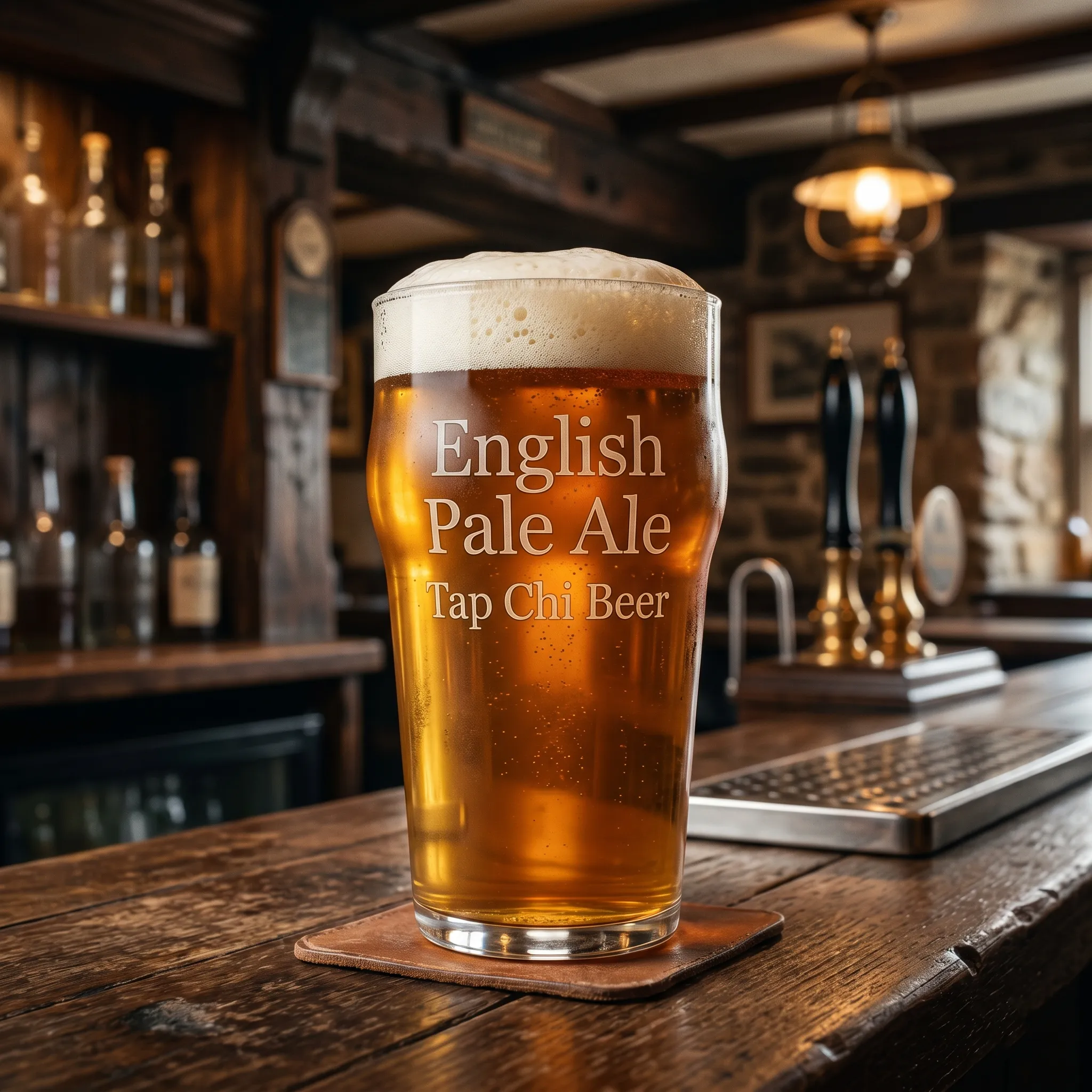
The term ale does not have a direct, single-word translation in Spanish that captures the same meaning. Instead, Spanish speakers use the English word as a technical term. In professional brewing contexts in Spain and Latin America, you will see it listed on menus as Pale Ale, often accompanied by sub-styles such as APA (American Pale Ale) or English Pale Ale.
Pronunciation and Local Adaptations
While the spelling remains the same, the pronunciation often shifts based on local phonetics. In many Spanish-speaking regions, the "e" at the end of "Pale" might be subtly pronounced, or the "a" in "Ale" might be flattened. In Mexico and parts of the Caribbean, the influence of American English is stronger, leading to a pronunciation closer to the original. In Spain, you might hear it pronounced more phonetically according to Spanish vowel sounds.
Common Translations and Descriptive Terms
While "Pale Ale" is the standard name, there are several descriptive terms used in Spanish to categorize these beers. Understanding these will help you navigate a menu that might not be purely "craft-focused."
- Cerveza de fermentación alta: This is the technical translation for "Ale." It refers to the use of Saccharomyces cerevisiae yeast, which ferments at warmer temperatures and rises to the top of the fermentation vessel.
- Cerveza rubia: This literally means "blonde beer." While often used for light lagers (like Pilsners), many casual drinkers in Spain might use rubia to describe any light-colored beer, including a Pale Ale. However, a connoisseur would distinguish a Pale Ale from a standard rubia by its hop profile and body.
- Cerveza amarga: Meaning "bitter beer." Since Pale Ales generally have a higher IBU (International Bitterness Units) count than the mass-produced lagers common in Spanish-speaking countries, this descriptor is frequent.
- Cerveza artesanal: This is the umbrella term for "craft beer." Almost any Pale Ale found in a Spanish-speaking country will be marketed under this category.
How to Order a Pale Ale in Spanish: Essential Phrases
Ordering a beer involves more than just knowing the name of the style. Depending on whether you are in a traditional tasca in Madrid or a modern cervecería in Buenos Aires, your approach might change.
If you are looking for a Pale Ale, use the following phrases to ensure you get exactly what you want:
- "¿Tienen alguna Pale Ale?" (Do you have any Pale Ale?)
- "Me pones una Pale Ale, por favor." (I’ll have a Pale Ale, please - common in Spain.)
- "¿Qué cervezas de fermentación alta tienen de grifo?" (What ales do you have on tap?)
- "Busco algo con lúpulo, como una Pale Ale." (I’m looking for something hoppy, like a Pale Ale.)
- "¿Tienen alguna APA o Pale Ale local?" (Do you have any local APA or Pale Ale?)
In Spain, the size of the glass is also critical. If you want a small draft beer, you ask for a caña. If you want a larger glass (usually 330ml to 400ml), you ask for a doble or a tanque. In Mexico, you might ask for a tarro (mug) or a botella (bottle).
The State of Pale Ale in the Spanish-Speaking World in 2026
By 2026, the craft beer landscape in Spanish-speaking countries has reached a high level of sophistication. No longer just an imported curiosity, the Pale Ale style has been adopted and adapted by local brewers.
Spain: The "Revolución Artesanal"
In Spain, cities like Barcelona have become European hubs for craft beer. The Spanish Pale Ale often leans toward the American Pale Ale (APA) style, emphasizing citrusy and tropical hop notes from varieties like Citra and Mosaic. Spanish brewers often focus on "drinkability" (well-balanced sessionability), making their Pale Ales slightly crisper to suit the Mediterranean climate.
Mexico: A Powerhouse of Innovation
Mexico’s craft scene is one of the fastest-growing in the world. Mexican Pale Ales often experiment with local ingredients, though the core of the "Pale Ale" identity remains rooted in the bold, hoppy traditions of neighboring San Diego and the wider US West Coast.
Argentina and Chile: The Hops of the South
Argentina and Chile benefit from local hop production in regions like El Bolsón and the Valdivian temperate forests. This allows local brewers to produce Pale Ales with extremely fresh ingredients. In these countries, the term birra is the colloquial standard for beer, and you will often hear orders for a "birra artesanal" specifically referring to a Pale Ale.
Technical Comparison of Pale Ale Terminology
To help you distinguish between what you might see on a label versus how it is described in Spanish, the following table provides a breakdown of technical specifications and their Spanish equivalents.
| English Term | Spanish Translation / Equivalent | Context in 2026 |
|---|---|---|
| Top Fermentation | Fermentación alta | Technical description of the Ale process. |
| Hops | Lúpulo | The ingredient responsible for the Pale Ale's aroma. |
| Bitterness (IBU) | Amargor (IBU) | High amargor is a hallmark of the style. |
| Malt | Malta | Usually malta pálida (Pale Malt) is the base. |
| Draft / On Tap | De grifo / De barril | Used when asking for Pale Ale from the keg. |
| Craft Brewery | Cervecería artesanal | Where you are most likely to find a Pale Ale. |
| ABV (Alcohol by Vol) | Graduación alcohólica | Typically 4.5% to 6.0% for this style. |
Understanding the Difference: Pale Ale vs. IPA in Spanish
A common point of confusion for those learning beer terminology in Spanish is the difference between a Pale Ale and an IPA (India Pale Ale). In Spanish-speaking markets, "IPA" (pronounced ee-pah) is perhaps even more famous than "Pale Ale."
When a Spaniard or a Mexican says they want a "cerveza con mucho lúpulo" (a beer with lots of hops), they are usually directed toward an IPA. The Pale Ale is often presented as the "entry point" to craft beer—less bitter than an IPA but more flavorful than a standard lager. In 2026, many taprooms use the term Session Pale Ale to describe even lighter, more refreshing versions that maintain the hop character without high alcohol content.
Regional Vocabulary for Beer Across the Spanish-Speaking World
While the style name "Pale Ale" stays constant, the general word for "beer" and the way it is served varies wildly. If you are searching for a Pale Ale, you will need to know these regionalisms to find the right establishment.
- Spain: Caña (small draft), Tercio (330ml bottle), Botellín (200ml bottle).
- Mexico: Chela (slang for beer), Chelada (beer with lime and salt—rarely done with Pale Ales), Clamato (beer mix).
- Argentina/Uruguay: Birra (common term), Chopp (draft beer).
- Colombia: Pola (slang for beer).
- Chile: Chela (common slang), Escopeta (slang for a large bottle).
When visiting a specialized craft beer bar (a cervecería especializada), these slang terms often take a backseat to more technical language, but they remain essential for general social navigation.
Frequently Asked Questions
Does "cerveza rubia" always mean it is a Pale Ale?
No. In most Spanish-speaking countries, cerveza rubia refers to a light-colored lager, such as a Pilsner or a Helles. While a Pale Ale is also "blonde" or "pale" in color, it belongs to the Ale family, whereas a rubia typically refers to the Lager family. If you want the hop-forward character of a Pale Ale, you should specify "Pale Ale" rather than just asking for a rubia.
How do I ask for a Pale Ale "on tap" in Spanish?
You should ask for "Pale Ale de grifo" in Spain or "Pale Ale de barril" in Latin America. Most craft beer bars will have a chalkboard or a digital screen (very common in 2026) listing the available "taps" or "canillas."
Is "India Pale Ale" translated differently than "Pale Ale"?
No, it is almost never translated. It is referred to as IPA. In some regions, people pronounce the letters individually in Spanish (ee-pe-ah), but the most common pronunciation in the craft community is as a single word: ee-pah.
Why is Pale Ale so popular in the Spanish craft scene?
The style is popular because it bridges the gap between the light, refreshing lagers that have traditionally dominated warm-climate countries like Spain and Mexico, and the more intense, bitter flavors of modern craft brewing. It offers a balance of malta (malt) and lúpulo (hops) that appeals to a wide range of palates.
Are there local Spanish names for Pale Ale ingredients?
Yes. The four main ingredients are agua (water), malta de cebada (barley malt), lúpulo (hops), and levadura (yeast). When reading a label in Spanish, look for "lúpulos aromáticos" (aromatic hops) to identify a high-quality Pale Ale.
Recommendation for Travelers and Students
If you are looking for a Pale Ale in a Spanish-speaking country, your best bet is to search for a cervecería artesanal on local maps. Avoid generic tourist bars, as they likely only serve mass-produced lagers (lagers industriales). When you arrive, simply ask, "¿Qué Pale Ales tienen hoy?" This shows you have a specific preference and allows the server to recommend local variations that might include unique regional malts or experimental hop profiles.
Image Gallery