What Is the Price of Scrap Steel Per Ton? 2026 Market Guide
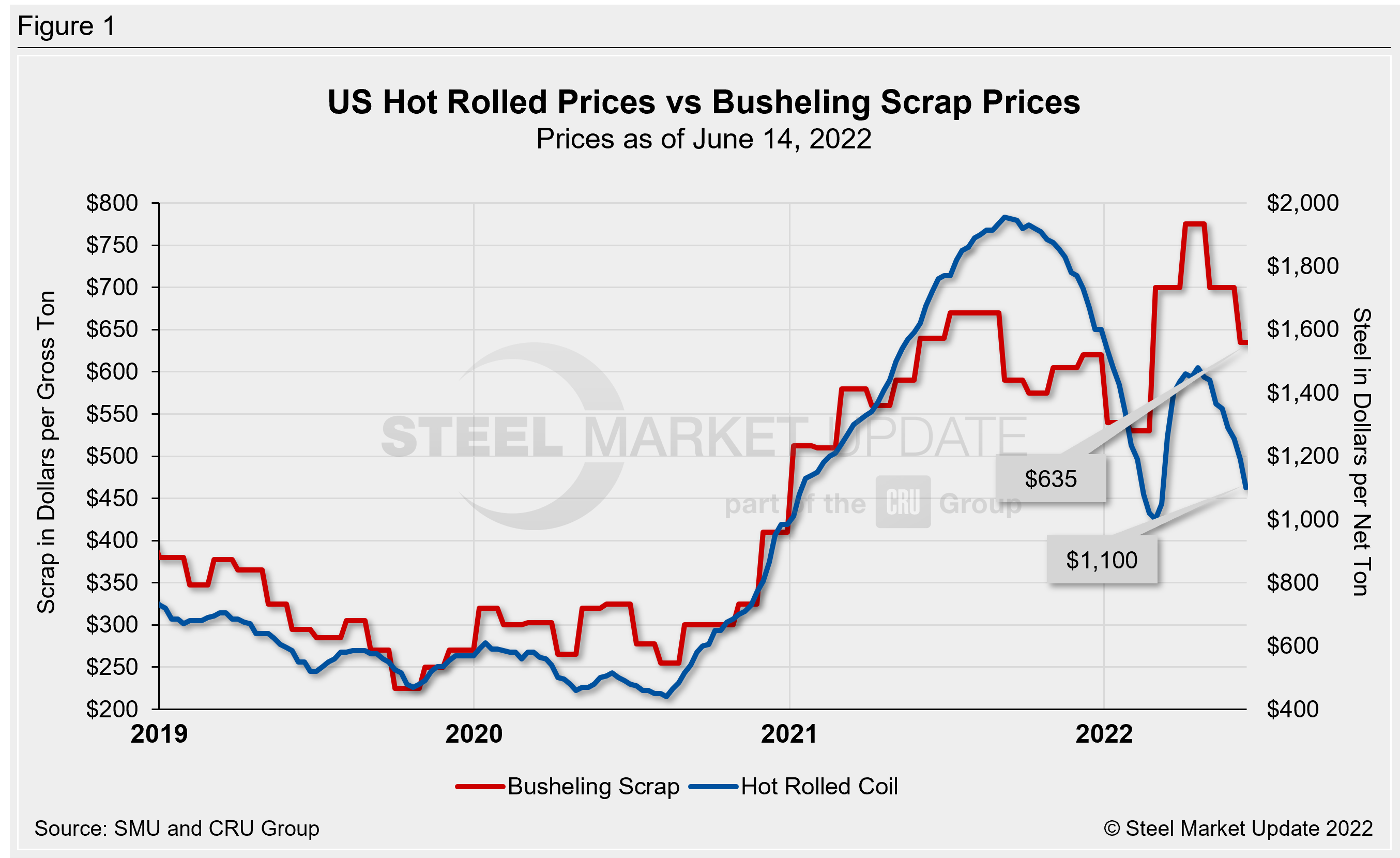
In 2026, the price of scrap steel per ton generally ranges between $220 and $340 for high-quality industrial grades, while lower grades like light iron typically fetch between $150 and $190. These rates are subject to daily fluctuation...
In 2026, the price of scrap steel per ton generally ranges between $220 and $340 for high-quality industrial grades, while lower grades like light iron typically fetch between $150 and $190. These rates are subject to daily fluctuations driven by global demand, energy costs, and the ongoing transition toward electric arc furnace production.
Contents
The scrap metal market serves as a critical barometer for the global economy. Steel, being the most recycled material on the planet, experiences significant price volatility based on industrial output, construction starts, and international trade policies. For those looking to sell or buy scrap steel in 2026, understanding the nuances of grading and market drivers is essential for maximizing value.
The Current Landscape of Scrap Steel Pricing in 2026
As we navigate through 2026, the steel industry is characterized by a "green" transition. Traditional blast furnaces, which rely heavily on iron ore and coal, are increasingly being supplemented or replaced by Electric Arc Furnaces (EAFs). Because EAFs use scrap steel as their primary feedstock, the demand for high-quality scrap has intensified, providing a relatively firm floor for prices compared to previous decades.
However, "scrap steel" is not a monolithic category. A ton of old refrigerator shells does not hold the same value as a ton of structural I-beams. The price you receive at a scrap yard is determined by the purity, thickness, and size of the material. Furthermore, regional factors play a massive role. A scrap yard located near a major port or a domestic steel mill will almost always offer better rates than a yard in a landlocked area that must account for heavy freight costs to move the material to a buyer.
Primary Grades of Scrap Steel and Their Value
To understand the price per ton, one must first identify the grade of the material. Scrap yards use standardized classifications to ensure that the steel they sell to mills meets specific chemical and physical requirements.
#1 Heavy Melting Steel (HMS 1)
HMS 1 is the "gold standard" for scrap steel. It consists of wrought iron and steel scrap that is at least 1/4 inch thick. This material must be prepared in a way that allows it to be easily charged into a furnace, meaning pieces are usually no larger than 60x24 inches. Because of its density and purity, it commands a premium price, often sitting at the top of the price range (around $280 - $310 per ton in 2026). Common sources include heavy machinery parts, thick pipes, and structural components.
#2 Heavy Melting Steel (HMS 2)
HMS 2 is slightly lower in quality than HMS 1. It consists of material that is at least 1/8 inch thick. While it is still "heavy" compared to sheet metal, it may contain more galvanized steel or other coatings that require additional processing at the mill. In 2026, HMS 2 typically trades at a $20 to $40 discount per ton relative to HMS 1.
Plate and Structural (P&S)
Often considered the premium tier above HMS 1, Plate and Structural scrap consists of clean steel plates, beams, and girders. Because this material is high-density and has a known metallurgical composition, it is highly sought after by mills producing high-strength construction steel. In 2026, P&S can often fetch $320 to $340 per ton, particularly in regions with active infrastructure projects.
Shredded Steel
Shredded steel is the result of putting automobiles and large appliances through a massive industrial shredder. The process uses magnets to separate the ferrous steel from non-ferrous metals and waste (fluff). The resulting "fist-sized" nuggets are very uniform, making them ideal for EAF operators. Shredded steel prices are often used as the benchmark for the entire industry.
Light Iron and Tin
This is the lowest value category. It includes thin-gauge steel like "white goods" (refrigerators, washers, dryers), roofing sheets, and siding. Because this material is light and bulky, it costs more to transport and process per pound of actual steel recovered. In 2026, prices for light iron remain modest, hovering between $150 and $190 per ton.
2026 Estimated Scrap Steel Price Comparison Table
The following table provides a snapshot of estimated prices based on current 2026 market averages. Note that these are "gross ton" (2,240 lbs) estimates for industrial quantities; individual "peddler" rates at local yards may be lower.
| Scrap Grade | Estimated Price (Per Gross Ton) | Primary Characteristics | Common Sources |
|---|---|---|---|
| Plate and Structural | $320 – $340 | Clean, >1/4" thick, high density | I-beams, ship plates, bridge scrap |
| #1 HMS | $280 – $310 | Clean, >1/4" thick, sized for furnace | Heavy equipment, industrial machinery |
| Shredded Steel | $290 – $320 | Uniform nuggets, magnetically separated | Recycled automobiles, mixed appliances |
| #2 HMS | $240 – $270 | >1/8" thick, may have coatings | Mixed heavy scrap, farm equipment |
| Cast Iron | $230 – $260 | Brittle, high carbon, heavy | Engine blocks, old radiators, water pipes |
| Light Iron / Tin | $150 – $190 | Thin gauge, high volume/low weight | Appliances, sheet metal, ductwork |
Key Factors Influencing Prices in 2026
Several macroeconomic and logistical factors dictate whether the price of scrap steel moves up or down in any given week.
1. The "Green Steel" Premium
In 2026, environmental regulations have reached a point where steel mills face significant carbon taxes for using virgin iron ore. Scrap steel has a significantly lower carbon footprint than ore-based production. This has led to a "decarbonization premium," where high-quality, low-residual scrap (scrap with very low levels of copper or tin) is in high demand to help mills meet ESG (Environmental, Social, and Governance) targets.
2. Global Export Demand
The United States and Europe are major exporters of scrap steel. Countries like Turkey, Vietnam, and India are massive importers. If the Turkish Lira weakens or if construction slows down in Southeast Asia, the demand for exported scrap drops. When export demand falls, domestic scrap yards find themselves with an oversupply, leading to lower prices for local sellers.
3. Freight and Fuel Costs
Steel is heavy, and moving it is expensive. Scrap prices are highly sensitive to the cost of diesel fuel. If shipping rates or trucking costs spike, scrap yards must lower their "gate price" to offset the increased expense of moving that steel to a mill. This is why prices can vary by $30 to $50 per ton simply by moving from a rural location to a city with rail or water access.
4. Automotive Industry Cycles
A significant portion of the world's scrap steel comes from end-of-life vehicles. When new car sales are high, people trade in old cars, increasing the supply of scrap. Conversely, if the automotive industry faces a slowdown, the supply of "shredded" scrap tightens, which can ironically drive prices up due to scarcity, provided that the demand for new steel remains steady.
Professional Advice and Limitations
Financial and Commodity Disclaimer: The prices mentioned in this article are estimates based on 2026 market trends and should be used for informational purposes only. Commodity markets are highly volatile. Scrap metal prices can change multiple times in a single day. Always contact your local recycling center or consult a professional commodities broker for real-time, binding quotes.
Before taking a load to the yard, it is vital to understand the difference between a Gross Ton (2,240 lbs) and a Net Ton (2,000 lbs). Most industrial contracts use gross tons, while many local consumer-facing yards pay by the net ton or by the hundredweight (CWT). Always clarify which measurement is being used to avoid confusion regarding your payout.
How to Maximize Your Scrap Steel Payout
If you are looking to get the best possible price for your steel, preparation is key. Following these steps can often bump your material into a higher price bracket:
- Separate Your Grades: Do not mix light iron with HMS 1. If a load is mixed, most yards will pay you the price of the lowest-value material in the pile.
- Remove Non-Steel Attachments: If you have steel beams with large amounts of rubber, plastic, or wood attached, the yard will "deduct" weight or downgrade the price. Cleaning the material yourself adds value.
- Check for Contaminants: Metals like copper and brass are valuable on their own, but when mixed into a load of steel, they are considered "contaminants" that ruin the chemistry of a steel heat. Ensure your steel is free of copper wiring or brass fittings to get the best HMS rate.
- Monitor the LME and COMEX: While individual sellers don't trade on the London Metal Exchange, watching the trends on these platforms can tell you if prices are on an upward or downward trajectory. If the market is crashing, it’s better to sell immediately. If it is rising, holding your scrap for a week might net a higher profit.
Frequently Asked Questions
Why is there such a large gap between the price of copper and steel?
Steel is abundant and its extraction and refining processes, while energy-intensive, are highly efficient and large-scale. Copper is much rarer in the earth's crust and requires significantly more energy to mine and refine. In 2026, while steel may be $300 per ton, copper can exceed $9,000 per ton, reflecting this massive difference in scarcity and utility in electronics.
Does the price of scrap steel include the cost of pick-up?
Generally, no. The "gate price" or "spot price" refers to the value of the metal delivered to the scrap yard's scales. If you require a roll-off container or a scrap dealer to come to your site and load the material, they will either charge a flat service fee or, more commonly, deduct a significant amount from the price per ton to cover labor and transportation.
Is stainless steel priced the same as regular steel?
No. Stainless steel is a non-ferrous alloy that contains chromium and often nickel. Because of these valuable additions, stainless steel is much more expensive than regular carbon steel. In 2026, common 304-grade stainless steel can fetch $1,000 to $1,500 per ton, far exceeding the prices for standard scrap steel.
How do "clean" and "dirty" designations affect the price?
In the recycling world, "dirty" refers to steel that is attached to other materials or heavily rusted/corroded. "Clean" steel is pure and ready for the furnace. Dirty scrap requires more labor to process or more energy to melt, leading to a lower price per ton.
Practical Recommendation
For small-scale scrappers and contractors, the most effective way to manage scrap steel in 2026 is to establish a relationship with a local, reputable yard. While chasing the highest price in the next town over might seem logical, the cost of fuel and time often eats into the gains. For large-scale industrial operations, consider setting up a "formula-based" contract where your payout is tied to a published index like the American Metal Market (AMM) or Fastmarkets. This ensures you receive a fair, transparent market rate regardless of when you ship your material.
Image Gallery