The Ancestry and Heritage of Zakk Wylde: Exploring His Ethnicity and Background
Zakk Wylde, born Jeffrey Phillip Wielandt, is of American nationality with an ethnic heritage that is primarily German and Irish. Born and raised in New Jersey, his ancestral roots are traced back to Western and Central Europe, a linea...
Zakk Wylde, born Jeffrey Phillip Wielandt, is of American nationality with an ethnic heritage that is primarily German and Irish. Born and raised in New Jersey, his ancestral roots are traced back to Western and Central Europe, a lineage reflected in his birth surname and his upbringing in a traditional Northeastern American household.
Contents
While many fans associate Zakk Wylde with the rugged, Norse-inspired "Viking" aesthetic he has championed for decades, his actual genetic and cultural background is rooted in the immigrant stories common to the New York and New Jersey metropolitan areas. To understand the man behind the wall of Marshall amplifiers, one must look past the leather vests and the "Berserker" persona to the family history of Jeffrey Phillip Wielandt.
The Early Years of Jeffrey Phillip Wielandt
Zakk Wylde was born on January 14, 1967, in Bayonne, New Jersey. This location is significant when discussing his ethnicity and cultural identity. Bayonne, and the surrounding Hudson County, historically served as a primary hub for European immigrants during the late 19th and early 20th centuries. Growing up in this environment, Wylde was immersed in a community where Irish and German ancestries were among the most prevalent.
His parents, Jerome and Ethel Wielandt, raised him in a stable, middle-class environment. The family eventually moved to Jackson, New Jersey, where Zakk spent his formative years. It was here that the blending of his European heritage and his American upbringing began to manifest in his interest in music. His parents were supportive of his early obsession with the guitar, providing the foundation for what would become one of the most storied careers in heavy metal history.
The Significance of the Wielandt Name
The surname Wielandt provides the clearest indicator of Zakk’s paternal lineage. It is a name of German origin, often considered a variant of "Wieland." In German mythology and folklore, Wieland (or Wayland the Smith) was a legendary master blacksmith, a fitting coincidence for a man who would grow up to be known for his "heavy metal" mastery.
The etymology of the name suggests roots in Old High German, typically found in regions that are now part of modern-day Germany and Austria. During the great waves of European migration to the United States, families carrying the Wielandt name settled heavily in the Northeast and Midwest, bringing with them cultural traditions that Zakk has occasionally referenced in interviews regarding his disciplined work ethic and family values.
Maternal Lineage and Irish Influence
Complementing his German paternal roots is a strong Irish heritage from his mother’s side. In many biographical accounts and interviews, Zakk has identified with the Irish-Catholic traditions that are deeply embedded in the social fabric of New Jersey. This dual heritage—Germanic precision and Irish storytelling—is a common combination in the American Northeast.
The Irish influence in Wylde's life is perhaps most visible in his social circles and his long-standing membership in what he calls the "Irish-Catholic Alcoholics Anonymous" (a tongue-in-cheek reference to his former hard-partying days and his eventual sobriety). His cultural identity is that of a quintessential "Jersey Guy," a persona that values loyalty, family, and a "blue-collar" approach to professional craft.
Summary of Zakk Wylde's Background
The following table summarizes the foundational details of Zakk Wylde’s identity and heritage as of 2026.
| Category | Detail |
|---|---|
| Birth Name | Jeffrey Phillip Wielandt |
| Date of Birth | January 14, 1967 |
| Place of Birth | Bayonne, New Jersey, USA |
| Ethnicity | German and Irish descent |
| Nationality | American |
| Religious Upbringing | Catholic |
| Primary Cultural Identity | Northeastern American / Biker-Viking Persona |
The Persona vs. The Heritage: The "Viking" Aesthetic
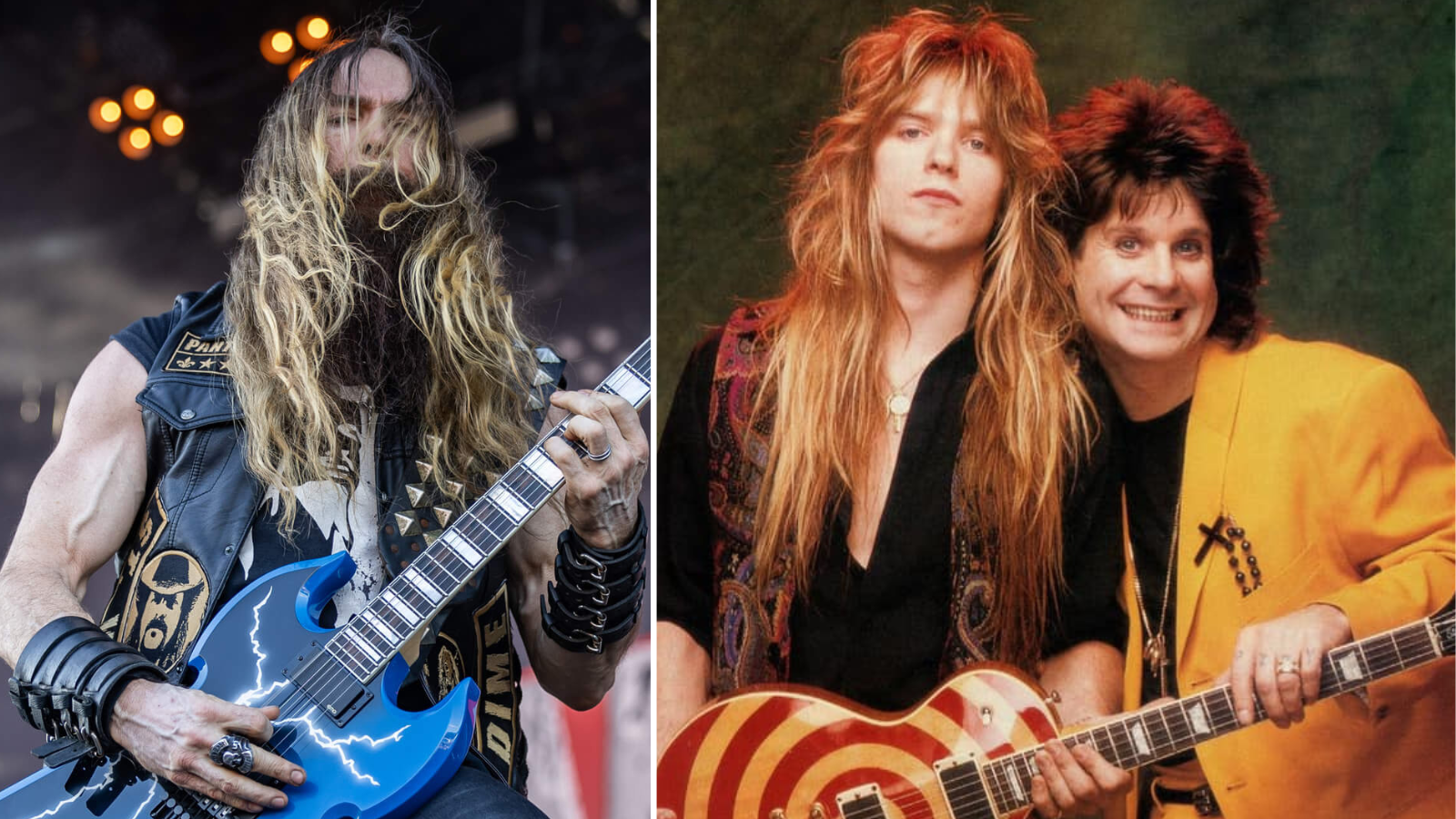
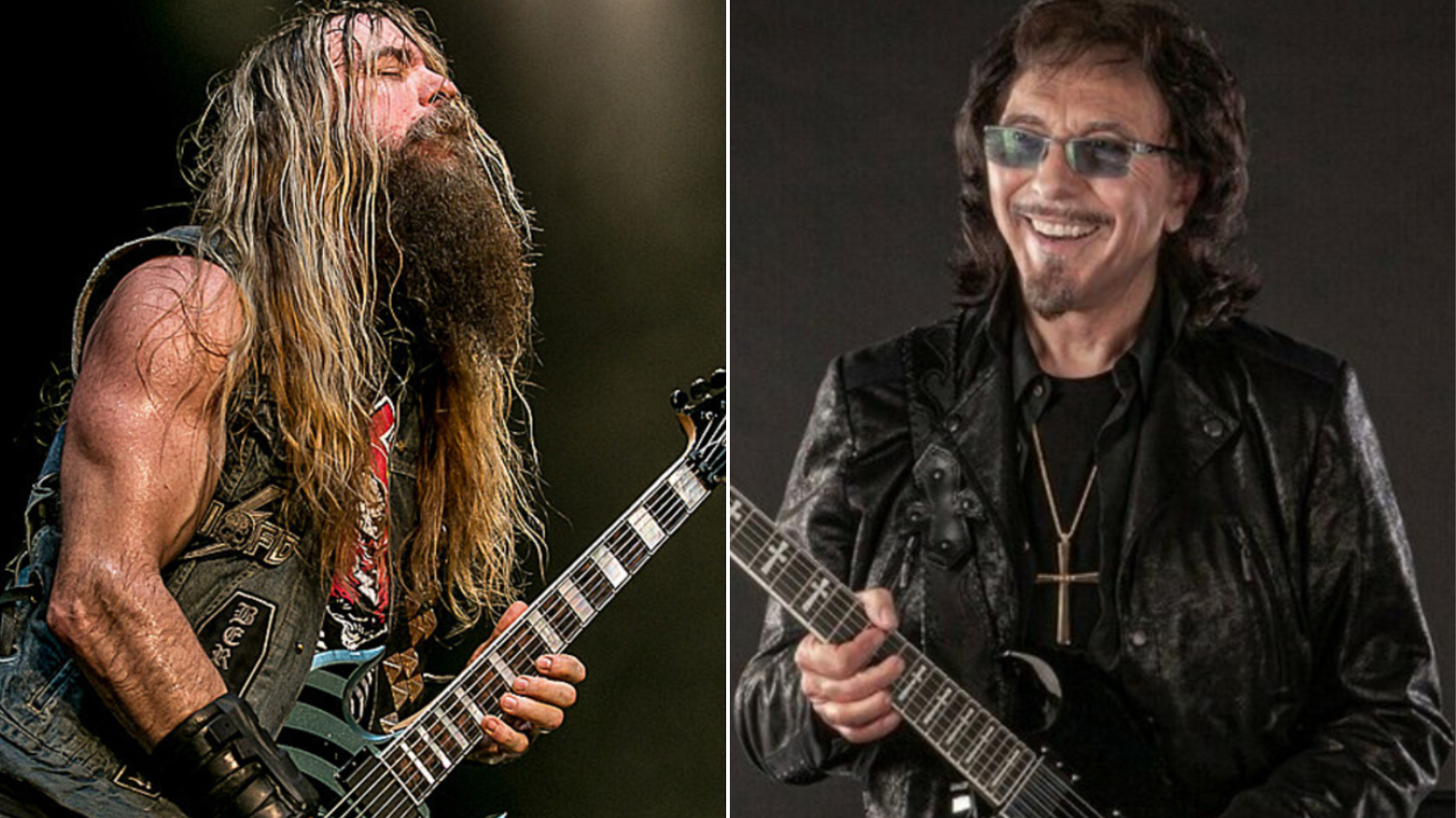
One of the reasons fans frequently search for "Zakk Wylde's ethnicity" is his overt use of Norse and Viking imagery. Since the late 1990s, particularly with the formation of Black Label Society (BLS), Wylde has adopted a visual style that includes long, braided hair, massive beards, and "Berserker" iconography.
It is important to distinguish between his ethnic heritage (German/Irish) and his artistic brand. While the Germanic tribes and the Vikings shared some cultural and linguistic similarities in ancient history, Zakk's "Viking" look is largely a stylistic choice rather than a claim of direct Scandinavian descent. This aesthetic serves several purposes:
- Brand Recognition: The "Bullseye" Gibson Les Paul and the Viking-biker look are synonymous with his music.
- Community Building: He refers to his fans as "Berserkers," creating a sense of a "warrior tribe" within the metal community.
- Physicality: The look matches the aggressive, pinch-harmonic-heavy style of his guitar playing.
In interviews, Wylde often speaks about his admiration for the strength and resilience associated with Norse mythology, but he remains grounded in his New Jersey roots. He is more likely to discuss his love for the New York Yankees or his Catholic faith than he is to claim a literal ancestral connection to the fjords of Norway.
Career Milestones and Their Cultural Context
Zakk Wylde’s rise to fame is a quintessential American success story. In 1987, at the age of 20, he sent a demo tape to Ozzy Osbourne. At the time, he was working at a gas station and playing in a local band called Zyris. His transition from a New Jersey local to the lead guitarist for the "Prince of Darkness" is a pivotal moment that redefined his public identity.
The Ozzy Osbourne Era
Joining Ozzy’s band required Zakk to step into the shoes of legends like Randy Rhoads and Jake E. Lee. His ethnicity and background played a subtle role in his "all-American" appeal during this time. He was portrayed as the young, blond-haired "golden boy" of metal, a stark contrast to the darker, more gothic imagery often associated with British heavy metal. This period established him as a premier American guitar hero.
Black Label Society and Pantera
By the time he founded Black Label Society in 1998, Wylde had shifted his image toward the "biker" subculture. This subculture is historically rooted in post-WWII American veteran circles, emphasizing brotherhood and a rugged, outsider status. In 2026, Zakk continues to lead BLS while also serving as the touring guitarist for the Pantera celebration, honoring his late friend Dimebag Darrell. His ability to fit into the Pantera lineup—a band deeply rooted in Southern American culture—further highlights his versatility and his standing as a pillar of the American metal scene.
The Role of Religion and Family
While ethnicity is often defined by DNA, it is equally shaped by the cultural practices passed down through generations. For Zakk Wylde, his Catholic upbringing is a significant part of his identity. He has been vocal about his faith, particularly in his later years, often ending social media posts with "God Bless."
This religious background is a hallmark of both Irish and German immigrant families in the United States. It provides a moral framework that Wylde often credits for his longevity in an industry known for its excesses. His marriage to his high school sweetheart, Barbaranne, and their four children (named with nods to his musical influences, such as Hendrix and Sabbath) reflects a commitment to the traditional family values often found in his ethnic background.
Common Misconceptions Regarding His Origins
Due to his stage name and his various physical transformations, several misconceptions about Zakk Wylde's ethnicity have persisted over the years.
- Is he Scandinavian? As mentioned, while he adopts a Viking aesthetic, there is no public evidence suggesting significant Scandinavian ancestry. His roots are Western/Central European.
- Is "Wylde" his real name? No. He changed his name for professional reasons early in his career. The name "Zakk" was inspired by the character Zak McKracken or simply a desire for a short, punchy stage name, while "Wylde" provided a rock-and-roll edge.
- Is he Southern? Because of his association with "Southern Rock" influences in his band Pride & Glory and his friendship with the Abbott brothers (Pantera), some assume he is from the American South. He is, however, a native of the Northeast.
The Impact of Heritage on His Musical Style
Zakk Wylde’s musicality is a blend of his diverse influences. His "Irish" side can be seen in his appreciation for melodic, melancholic ballads and folk-inspired acoustic work (notably on the Book of Shadows albums). His "Germanic" side might be attributed to the technical precision, speed, and disciplined practice regimen that allowed him to become one of the fastest and most accurate alternate-pickers in the genre.
Furthermore, his background in the New Jersey/New York metal scene of the 1980s exposed him to a variety of ethnic and musical influences, from the blues-based rock of the 70s to the budding thrash metal scene. This melting pot of sounds is a direct reflection of the geographic and cultural region in which he was raised.
Practical Guidance: Researching Celebrity Ancestry
If you are interested in exploring the heritage of public figures like Zakk Wylde or even your own, there are several reliable avenues to pursue:
- Public Records: Birth records, marriage licenses, and census data (especially those 72 years or older) are accessible through archives like the National Archives and Records Administration (NARA).
- Etymology Databases: Websites focused on the history of surnames can provide geographical origins for names like "Wielandt."
- Biographical Interviews: Authoritative sources like Guitar World, Rolling Stone, and official biographies often contain direct quotes from the artist about their upbringing.
- DNA Services: While public figures rarely share their raw DNA data, many discuss their results in interviews as a way to connect with fans.
For more information on Zakk Wylde's current tours and official merchandise, visit his official website at ZakkWylde.com.
Frequently Asked Questions
What is Zakk Wylde's real name?
Zakk Wylde was born Jeffrey Phillip Wielandt. He adopted his stage name early in his career, primarily when he joined Ozzy Osbourne’s band in the late 1980s, to create a more memorable and "rock-oriented" brand.
Where was Zakk Wylde born?
He was born in Bayonne, New Jersey. He spent his childhood and teenage years in Jackson, New Jersey, which is where he began his journey as a guitarist.
Is Zakk Wylde actually a Viking?
No. "Viking" is a thematic persona and aesthetic that Zakk Wylde uses for his band, Black Label Society. While he embraces the imagery of Norse warriors and "Berserkers," his actual ethnicity is German and Irish.
Does Zakk Wylde speak German?
There is no public record of Zakk Wylde being fluent in German. While his paternal surname is German, he is a multi-generational American and speaks English as his primary language.
What religion is Zakk Wylde?
Zakk Wylde was raised in a Catholic household and has remained vocal about his Christian faith throughout his career, often citing it as a source of strength during his path to sobriety.
Final Recommendation
To truly understand Zakk Wylde’s ethnicity and heritage, one should look at him as a product of the American Northeast immigrant experience. His German and Irish roots provided the cultural foundation, while his New Jersey upbringing provided the grit and drive. Whether he is performing with Ozzy Osbourne, leading Black Label Society, or honoring the legacy of Pantera in 2026, his identity remains a unique blend of European ancestry and American rock-and-roll spirit. For those looking to emulate his success, his career serves as a testament to the power of combining a strong work ethic—potentially a byproduct of his cultural heritage—with a distinct and unwavering personal brand.
Image Gallery