Why Life Insurance Inheritance Is Not Taxable: Rules, Exceptions, and Tax Breakdown
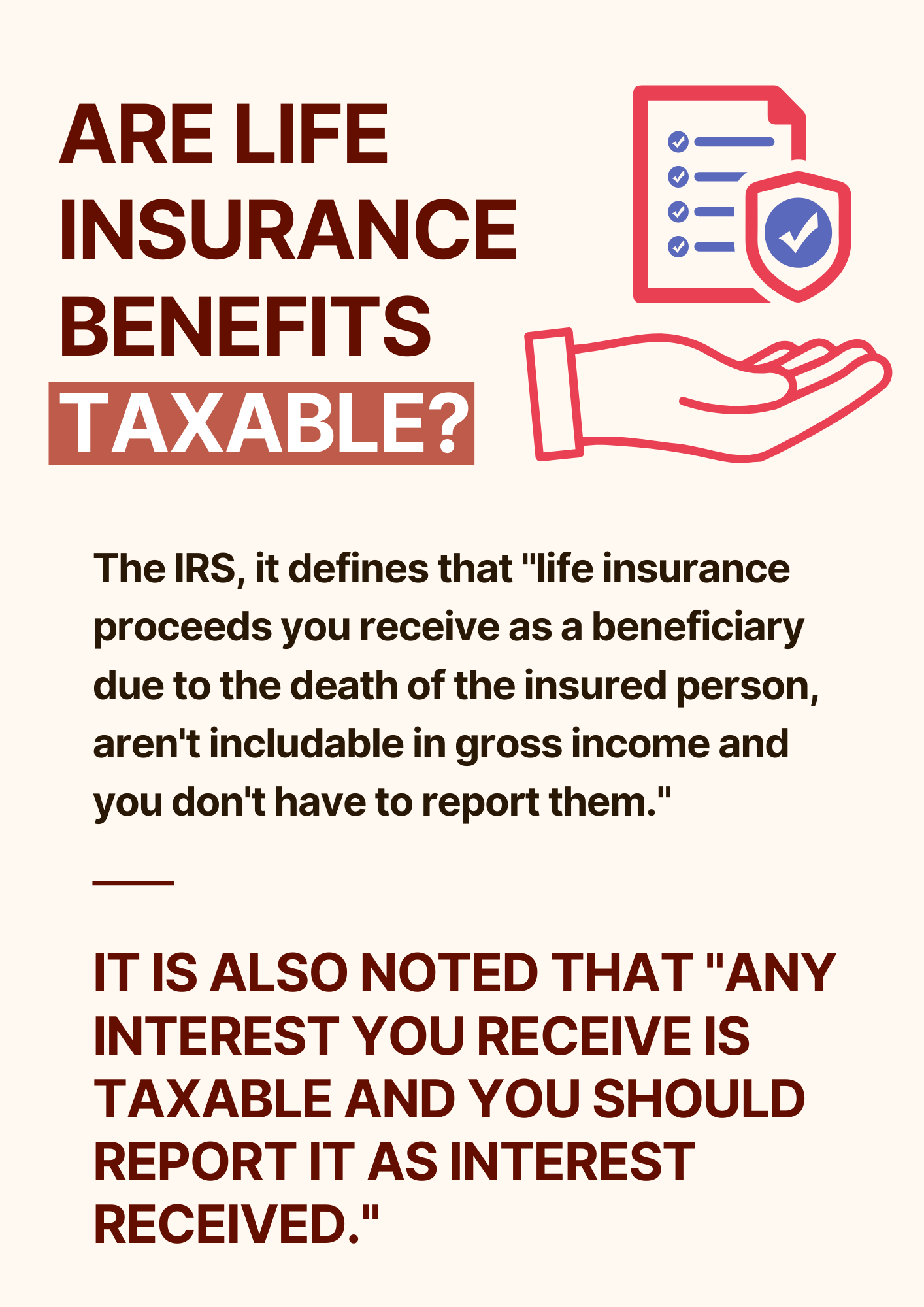
Life insurance death benefits paid directly to a named beneficiary are generally not subject to federal income tax because the Internal Revenue Service treats them as capital reimbursement rather than earned income. However, specific s...
Life insurance death benefits paid directly to a named beneficiary are generally not subject to federal income tax because the Internal Revenue Service treats them as capital reimbursement rather than earned income. However, specific scenarios—such as interest earned on delayed payouts, high-value estate tax exposure, and policy transfers—can create unexpected tax liabilities.
Contents
The Legal Basis: Why Death Benefits Avoid Federal Income Tax
The general tax-free status of life insurance death benefits in the United States is anchored in Section 101(a)(1) of the Internal Revenue Code (IRC). Under this statute, gross income does not include amounts received under a life insurance contract if those amounts are paid by reason of the death of the insured person.
From an economic and tax perspective, the federal government does not view a life insurance death benefit as financial gain or profit. Instead, the payout is legally classified as an indemnification—a financial compensation intended to restore the beneficiary to the financial position held prior to the insured individual’s death. Because life insurance premiums are paid using post-tax dollars (with rare exceptions, such as certain employer-sponsored cafeteria plans), taxing the death benefit at payout would constitute double taxation on the capital built within the policy.
Income Tax vs. Estate Tax Disambiguation
A common point of confusion for beneficiaries is the distinction between income tax and estate tax:
- Federal Income Tax: Applies to money earned through wages, investments, or business activities. Life insurance death benefits are almost universally exempt from federal income tax when paid as a lump sum directly to a human beneficiary.
- Estate Tax: Applies to the total valuation of a deceased person's estate before assets are distributed to heirs. While life insurance proceeds are exempt from income tax, they can still be counted as part of the deceased person’s taxable estate if the policy owner held rights over the policy at the time of death.
Understanding this distinction is vital for comprehensive estate planning, as a policy proceeds payout can be completely tax-free on an individual income tax return while simultaneously creating an estate tax burden for wealthy estates.
Key Exceptions Where Life Insurance Proceeds Become Taxable
Although the core death benefit is exempt from income tax, specific structural details surrounding policy ownership, distribution timing, and contract transfers can trigger tax liabilities.
- Life Insurance Payout Structure
- Lump-Sum to Beneficiary (100% Tax-Free IRC §101)
- Special Policy Circumstances (Potential Tax Exposure)
- Interest Accumulates (Form 1099-INT)
- Estate Tax Applied (IRC §2042 Threshold)
- Transfer-For-Value (Policy Sale Tax)
- Estate as Beneficiary (Probate & State Tax)
1. Interest Earned on Delayed or Installment Payouts
When an insurer pays a death benefit in installments—or when a delay occurs between the date of death and the benefit payout—the policy funds accumulate interest. While the underlying principal death benefit remains non-taxable, any interest accrued on that money is fully taxable as ordinary income.
The insurance carrier reports this interest to both the beneficiary and the IRS on Form 1099-INT. Beneficiaries must report this interest figure on their annual income tax return.
2. Estate Tax Liability and Incidents of Ownership
Under IRC Section 2042, the full value of a life insurance policy’s death benefit is included in the deceased policyholder’s gross estate if the decedent possessed any incidents of ownership in the policy at death or within three years prior to death (under IRC Section 2035).
Incidents of ownership include the right to:
- Change or add policy beneficiaries.
- Surrender, cancel, or convert the policy.
- Borrow against the policy's cash value or pledge it as collateral.
- Assign the policy or revoke an existing assignment.
If the inclusion of the death benefit pushes the total value of the decedent’s gross estate above the federal estate tax exemption limit, the estate itself may owe federal estate taxes ranging up to 40%. The unified credit federal exemption threshold stands at individual baseline levels subject to index adjustments; however, high-net-worth individuals must monitor shifts in statutory estate exemptions closely.
3. The Transfer-for-Value Rule
Under IRC Section 101(a)(2), if a life insurance policy is transferred or sold to another party for valuable consideration (money, property, or valuable promises), the tax exemption on the death benefit is usually forfeited.
In a transferred policy, the death benefit payout becomes taxable as ordinary income to the new owner, minus:
- The purchase price paid to acquire the policy.
- Subsequent premium payments made by the new owner after the transfer.
Statutory Exceptions to the Transfer-for-Value Rule: The death benefit retains its full tax-free status if the policy transfer is made to:
- The insured individual.
- A partner of the insured.
- A partnership in which the insured is a partner.
- A corporation in which the insured is a shareholder or officer.
- A recipient whose tax basis is determined in whole or in part by reference to the transferor's basis (such as tax-free corporate reorganizations or gifts).
4. Naming the Estate as Beneficiary
If a policyholder fails to list a designated beneficiary—or if all primary and contingent beneficiaries predecease the policyholder—the insurance company defaults to paying the benefit to the estate of the insured.
This triggers three major issues:
- Probate Fees: The death benefit enters the probate court process, incurring court costs, legal expenses, and public disclosure.
- Creditor Claims: Assets within the estate are subjected to claims from unpaid creditors before any funds reach the heirs.
- State Inheritance Taxes: Paying funds directly into an estate exposes those dollars to state-level estate or inheritance taxes that would otherwise exempt direct transfers to named individuals.
5. Employer-Owned Life Insurance (COLI Compliance)
Under IRC Section 101(j), death benefits from corporate-owned life insurance (COLI) policies on employees are taxable to the employer unless strict notice and consent requirements were satisfied before the policy was issued. The employer must notify the employee in writing of the intent to insure their life and obtain written consent confirming the employee understands the employer will be the beneficiary.
State-Level Taxes vs. Federal Rules
While federal income tax treatment remains consistent across all 50 states, state-level taxation presents unique variables:
- Federal Level (IRC §101 Tax-Free Principle)
- Federal Income Tax (0% Tax on Principal)
- Federal Estate Tax (Applies only over threshold)
- State Level (Varies by State Jurisdiction)
- State Estate Taxes (Levied on decedent's estate)
- State Inheritance Taxes (Levied on person receiving asset)
- State Level (Varies by State Jurisdiction)
- State Income Tax: Virtually all states align with federal rules and do not tax lump-sum life insurance death benefits as personal income.
- State Estate Taxes: A collection of jurisdictions impose independent state estate taxes with threshold limits significantly lower than the federal exemption. In these states, policy proceeds owned by the decedent can trigger state-level estate taxation.
- State Inheritance Taxes: A limited number of states impose an inheritance tax directly on the beneficiary receiving an asset. While direct payouts of life insurance to named beneficiaries (spousal or child heirs) are generally exempt or heavily discounted under state inheritance tax codes, payouts distributed via an estate account may lose this protection.
Comparative Overview: Tax Treatment Across Policy Structures
The tax implications of life insurance payouts vary substantially based on how the policy is owned, designated, and distributed.
| Policy & Payout Scenario | Federal Income Tax Status | Federal Estate Tax Impact | Primary Legal Mechanism |
|---|---|---|---|
| Lump-Sum Payout to Named Beneficiary | 100% Tax-Free | Included in estate if insured held ownership | IRC §101(a)(1) exemption applies directly |
| Installment/Interest Payout | Principal is tax-free; Interest is taxable | Included in estate if insured held ownership | IRC §101(d) & Form 1099-INT reporting |
| Policy Owned by ILIT (Irrevocable Trust) | 100% Tax-Free | Fully excluded from taxable estate | Policy owned outside decedent's gross estate |
| Policy Transferred for Value (Sold) | Taxable as ordinary income above cost basis | Excluded from original insured's estate | IRC §101(a)(2) Transfer-for-Value Rule |
| Payout Distributed to the Estate Account | Tax-Free Income | Included in estate; subject to probate claims | Proceeds pass through estate probate distribution |
| Non-Compliant Employer-Owned Policy | Taxable to business entity | Excluded from individual insured's estate | IRC §101(j) compliance failure |
Strategic Ways to Protect Life Insurance Proceeds from Taxes
Policyholders with substantial assets utilize advanced estate planning tools to ensure death benefits remain shielded from both income and estate taxes.
- Estate Protection Strategies
- Irrevocable Life Insurance Trusts (ILITs) (Bypasses Estate Taxes)
- Incidents Ownership Transfers (Applies 3-Year Rule)
- Proper Beneficiary Designations (Avoids Probate Process)
Utilizing Irrevocable Life Insurance Trusts (ILITs)
An Irrevocable Life Insurance Trust (ILIT) is a legal trust designed specifically to own and manage a life insurance policy. When structured correctly:
- The trust is both the owner and the beneficiary of the policy.
- The insured individual retains no incidents of ownership.
- Because the insured does not own the policy, the death benefit proceeds are completely excluded from their gross estate upon death.
The trust agreement specifies how the trustee will distribute funds to the trust beneficiaries, providing control over asset management while legally insulating the money from federal estate taxes and creditor claims.
Managing the Three-Year Lookback Rule (IRC §2035)
If a policyholder currently owns a policy in their own name and transfers ownership to another individual or an ILIT, the transfer must occur at least three full years before the policyholder’s death. Under IRC Section 2035, if the insured dies within three years of transferring ownership, the IRS ignores the transfer and pulls the full value of the death benefit back into the deceased person’s taxable estate.
Establishing Direct Primary and Contingent Beneficiaries
To preserve tax efficiency and avoid court interference, policyholders must explicitly name primary and contingent beneficiaries by legal name and Social Security number or Tax Identification Number (TIN).
- Primary Beneficiary: The first entity or individual designated to receive the funds.
- Contingent Beneficiary: The backup recipient if all primary beneficiaries predecease the insured.
Maintaining up-to-date beneficiary designations ensures funds flow directly to heirs outside of probate court, preserving both privacy and non-taxable distribution status.
Step-by-Step Guide for Beneficiaries Receiving a Death Benefit
Receiving a death benefit requires specific documentation to avoid tax reporting mistakes.
- Step 1: Obtain Death Certificates
- Step 2: Submit Claim Form & Policy Documentation
- Step 3: Select Distribution Method (Lump-Sum vs. Installment)
- Step 4: Manage Tax Filing (Report 1099-INT if interest applies)
Step 1: Obtain Certified Copies of the Death Certificate
Insurers require a certified copy of the insured person's death certificate containing the official seal. Request multiple certified copies from the county vital statistics office or funeral director.
Step 2: Contact the Insurance Carrier and Request Claim Forms
Reach out to the insurer's claims department. The company will issue a beneficiary claim kit requiring:
- Completed claim form (signed by the beneficiary).
- Certified death certificate.
- Original policy document (if available, though generally optional if policy details match carrier records).
Step 3: Select a Settlement Method
Insurance companies typically offer several payout options:
- Lump-Sum Payment: Single cash payout (Check or Direct Deposit). This preserves maximum tax efficiency as no future interest accrues within the insurance company.
- Retained Asset Account: The insurer places funds in an interest-bearing checking account. Interest earned becomes taxable.
- Installment / Annuity Payout: The insurer distributes principal and interest over a fixed period or life expectancy. The principal portion remains non-taxable, while the interest portion is taxable income.
Step 4: Track Tax Forms for Annual Filing
If you selected a lump-sum payout distributed immediately after death, you generally will not receive any tax documents. However, if the payout included accrued interest, the insurance carrier will issue Form 1099-INT at year-end. Report the amount shown in Box 1 on line 2b of your IRS Form 1040.
Frequently Asked Questions
Do beneficiaries receive a 1099 form for life insurance payouts?
Beneficiaries do not receive a Form 1099-MISC or Form 1099-R for standard lump-sum death benefit payouts because the proceeds are not taxable income. However, if the payment generates interest due to delayed settlement or installment structures, the insurer will send a Form 1099-INT detailing the taxable interest earned.
Are cash value withdrawals or policy loans taxable while the insured is alive?
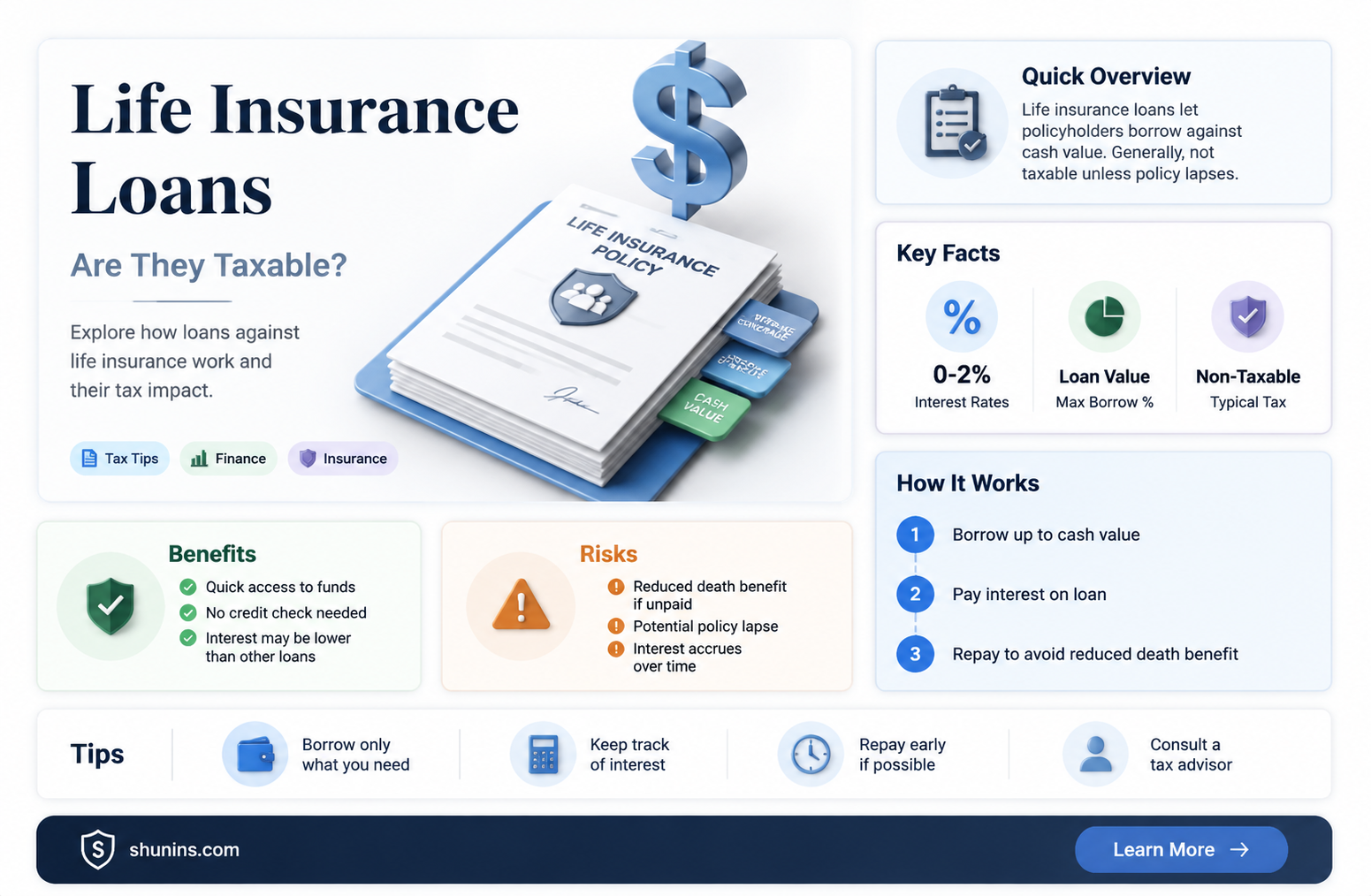
Cash value withdrawals from a permanent policy (such as Whole Life or Universal Life) are tax-free up to the policy's cost basis (the total amount of premiums paid). Withdrawals exceeding the cost basis are taxed as ordinary income. Policy loans are generally non-taxable provided the policy remains active; however, if the policy lapses or is surrendered with an outstanding loan, the unpaid loan amount becomes taxable to the extent it exceeds paid premiums.
What happens if the beneficiary dies before the insured person?
If a primary beneficiary predeceases the insured and no contingent beneficiary is listed, the death benefit defaults to the estate of the insured. This subjects the funds to probate, potential creditor claims, and potential estate taxes. Keeping beneficiary designations updated prevents this outcome.
Does life insurance affect state inheritance tax thresholds?
In most states with an inheritance tax, life insurance paid directly to named immediate family members (such as spouses, children, or grandchildren) is fully exempt. However, if proceeds pass into the deceased person’s estate prior to distribution, state revenue agencies may classify the funds as probate assets subject to state inheritance tax rules.
Can life insurance payouts be seized by unpaid creditors?
When paid directly to a named human beneficiary, life insurance death benefits are generally protected from the deceased person's creditors under state asset protection statutes. However, if the proceeds are paid to the deceased person's estate, the payout becomes part of the probate estate and can be claimed by creditors to settle outstanding liabilities.
Professional Advice Limitations and Next Actions
Tax laws, estate tax thresholds, and state-level statutes change periodically. This guide provides legal and financial education based on the Internal Revenue Code, but does not constitute personalized legal, tax, or financial advice.
Recommended Actions for Policyholders and Heirs:
- Review Policy Ownership Structures: Work with an estate attorney to review whether policy ownership triggers estate tax risks under IRC Section 2042.
- Verify Beneficiary Designations: Audit primary and contingent beneficiaries regularly to avoid defaulting payouts to an estate.
- Consult a Certified Tax Professional: Beneficiaries receiving installment payments or interest payouts should consult a CPA to ensure accurate reporting on Form 1040.
Image Gallery