A Guide to the Most Popular Air Freshener Scents and Their Practical Applications
The most popular air freshener scents consistently prioritize notes of fresh linen, lavender, vanilla, and citrus. These profiles are favored for their ability to neutralize odors while providing a clean, welcoming ambiance. Selection...
The most popular air freshener scents consistently prioritize notes of fresh linen, lavender, vanilla, and citrus. These profiles are favored for their ability to neutralize odors while providing a clean, welcoming ambiance. Selection often depends on the intended environment, as different fragrance families trigger distinct psychological responses and serve specific functional purposes in home and office settings.
Contents
Understanding Fragrance Families and Their Roles
When evaluating air freshener scents, it is helpful to categorize them into scent families. This helps in understanding why certain scents are "popular"—they generally fulfill a specific sensory requirement for the user.
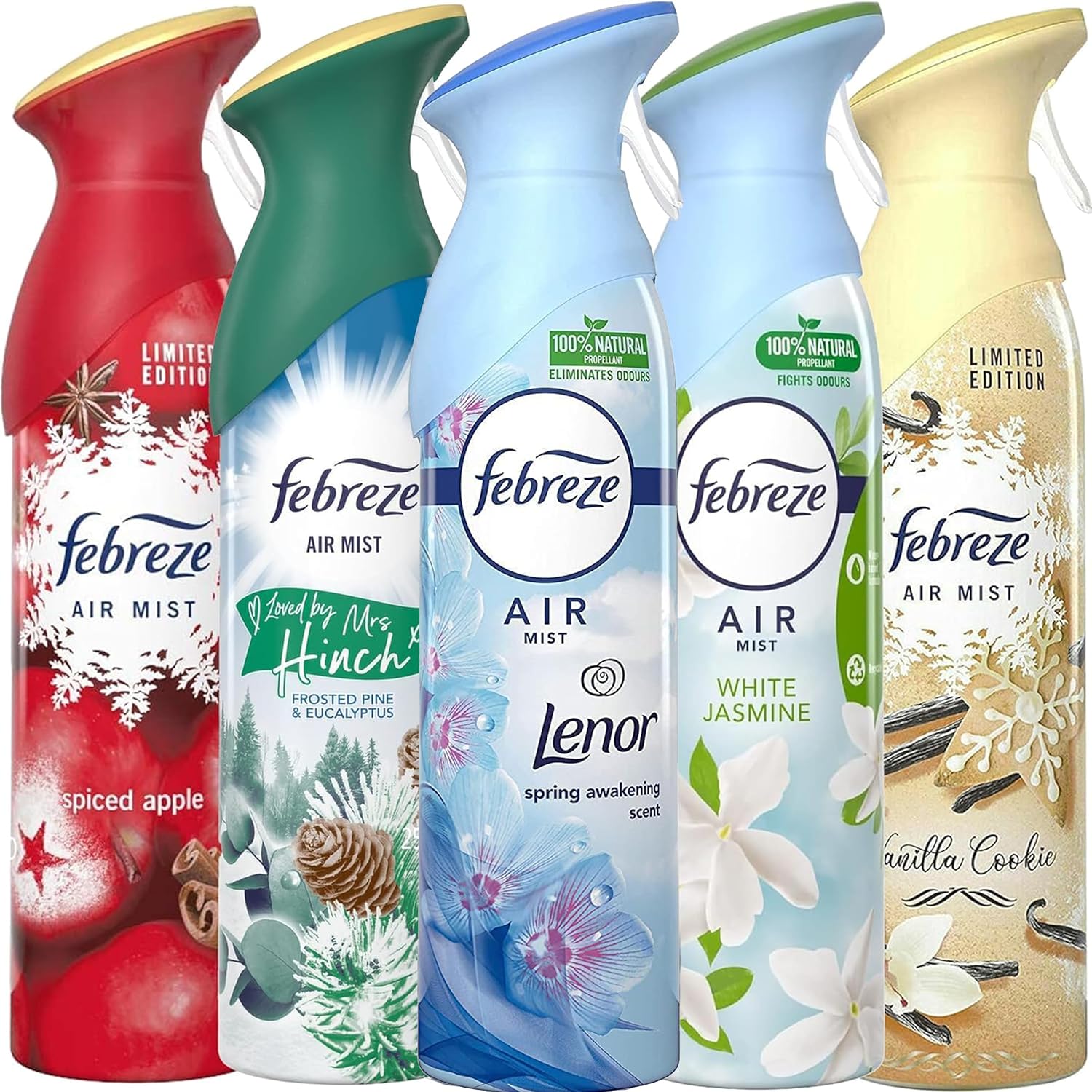
- Fresh/Clean: These scents, such as "Fresh Linen" or "Ocean Breeze," are designed to mimic the smell of laundered fabrics or crisp outdoor air. They are the most popular choices for high-traffic areas like bathrooms and mudrooms because they imply cleanliness without being overpowering.
- Floral/Botanical: Lavender remains the perennial leader in this category. Known for its perceived calming properties, it is frequently used in bedrooms or living spaces. Other popular florals include jasmine and rose, which are often used to create a more sophisticated or luxurious atmosphere.
- Gourmand/Warm: Vanilla is the titan of this category. These scents feature notes like cinnamon, baked goods, or amber. Because these aromas evoke memories of home cooking or warmth, they are highly favored during colder months or in kitchens to mask cooking odors.
- Citrus/Fruit: Lemon, lime, and orange scents act as natural odor neutralizers. They are crisp and energetic, making them popular for kitchens, gyms, and home offices where a sense of alertness or cleanliness is desired.
Scientific and Psychological Context of Scent Selection
The popularity of these scents is not merely a matter of preference; it is rooted in olfactory science. Aromatherapy principles suggest that scent impacts the limbic system, which manages emotions and memories.
For instance, citrus scents are widely documented in consumer research as being associated with "vigor" and "purity." This explains their consistent presence in cleaning product formulations. Conversely, lavender and chamomile are linked to relaxation. Manufacturers leverage these psychological associations to market products effectively.
However, users should exercise caution. Many synthetic air fresheners use volatile organic compounds (VOCs) to distribute fragrance. When selecting a scent, it is equally important to examine the delivery method—whether it is an aerosol, plug-in, reed diffuser, or solid gel—as the method dictates the dispersion rate and chemical concentration.
Comparison of Popular Scent Profiles
Choosing the right scent requires matching the fragrance profile to the functional goal of the room. The following table provides a breakdown of common scent profiles and their best-use scenarios.
| Scent Category | Representative Scents | Best Use Case | Psychological Effect |
|---|---|---|---|
| Fresh/Clean | Linen, Cotton, Rain | Bathrooms, Entryways | Sense of hygiene/order |
| Floral | Lavender, Jasmine | Bedrooms, Living Areas | Calm, relaxation |
| Citrus | Lemon, Bergamot | Kitchens, Gyms | Energy, alertness |
| Gourmand | Vanilla, Cinnamon | Living Rooms, Kitchens | Comfort, warmth |
| Woody | Sandalwood, Cedar | Offices, Dens | Focus, groundedness |
Prerequisites for Optimal Scent Dispersion
Regardless of the scent chosen, its effectiveness depends on environmental variables. Simply spraying an air freshener is often a temporary fix for underlying odor issues. Before applying a scent, ensure the following conditions are met:
- Eliminate the Source: Air fresheners are designed to mask or neutralize odors, not replace deep cleaning. If a room smells musty, address potential mold or trapped moisture first.
- Ventilation: Proper airflow is essential for any fragrance to permeate a space evenly. In stagnant, enclosed rooms, scents can become cloying or too concentrated.
- Intensity Control: If using an automated device or a plug-in, start at the lowest intensity setting. It is common to experience "nose blindness" (olfactory fatigue) after long-term exposure to a single scent, leading users to accidentally use too much fragrance.
Considerations for Sensitive Environments
While certain scents are popular, they may not be suitable for all users. In households with pets, infants, or individuals with respiratory conditions, fragrance choice and delivery are critical safety concerns.
Certain essential oils—such as tea tree, wintergreen, or peppermint—can be toxic to domestic pets if ingested or inhaled in high concentrations. Furthermore, individuals with asthma or chemical sensitivities may find that even "popular" scents trigger headaches or irritation. If you are in a shared environment, it is best to opt for fragrance-free odor neutralizers that use activated charcoal or silica gel rather than adding an artificial scent to the air.
Troubleshooting Common Scent Issues
Even with the best products, you may encounter issues regarding performance or odor control. Use this guide to resolve common problems:
- Scent is overpowering: Unplug the device, increase room ventilation, or switch to a passive dispersal method like a reed diffuser.
- Scent is undetectable: This is often a sign of olfactory fatigue. Switch to a scent in a different category (e.g., move from a floral scent to a woody one) to "reset" your sense of smell.
- Odor is mixing poorly: If you have a cooking odor and try to mask it with a flowery scent, the combination can be unpleasant. Use a citrus-based neutralizer first to strip the odor before introducing a pleasant fragrance.
Frequently Asked Questions
Why does my favorite scent smell different after a few weeks? Olfactory fatigue is a biological process where the brain stops registering a constant scent to focus on new environmental stimuli. To avoid this, rotate your air freshener scents every 30 days to keep your sense of smell sensitive to the fragrances.
Are natural scents safer than synthetic ones? Not necessarily. Natural essential oils still contain allergens like linalool or limonene. "Safe" is defined by the concentration and the individual's specific sensitivities rather than the origin of the ingredients. Always check the ingredient list for known allergens.
How long should a typical air freshener last? Longevity depends on the delivery system. Plug-in warmers typically last 30 to 45 days, while aerosol cans are measured by the number of sprays. If a product claims to last longer, it usually implies a slower release rate, which may reduce the intensity of the scent in larger rooms.
Can air fresheners damage surfaces? Yes. Many liquid plug-in refills and concentrated aerosol oils can degrade plastic, wood finishes, or painted surfaces if allowed to pool or drip. Always ensure the device is positioned in an open area away from furniture.
Is there a way to eliminate odors without using a scent? Yes. You can use odor absorbers such as activated charcoal bags, baking soda, or volcanic mineral rocks. These are highly effective for closets, refrigerators, and small rooms where you prefer a neutral, odorless environment.
Final Recommendations
For those seeking to maintain a pleasant home environment in 2026, the most effective approach is a hybrid one. Use mechanical odor neutralizers—like charcoal bags—in enclosed, low-ventilation spaces to address the root cause of odors. Save the "most popular" scented air fresheners for the living spaces where you want to create an atmosphere of comfort or energy. When shopping, prioritize products with transparent ingredient lists and adjustable intensity settings, and remember to rotate your fragrance profiles to avoid olfactory fatigue. By balancing odor elimination with thoughtful scent selection, you can maintain a home that is both hygienic and inviting.
Image Gallery