Understanding the Bogle Life Insurance Amount: A Practical Framework
Determining the appropriate life insurance amount following the "Boglehead" philosophy involves prioritizing simplicity, cost-efficiency, and term coverage rather than complex investment-linked products. This approach focuses on calcul...
Determining the appropriate life insurance amount following the "Boglehead" philosophy involves prioritizing simplicity, cost-efficiency, and term coverage rather than complex investment-linked products. This approach focuses on calculating a death benefit that effectively replaces your income and covers liabilities while keeping premiums low to maximize your capacity for independent market-based investing.
Contents
The Boglehead Philosophy and Life Insurance
The investment philosophy associated with John "Jack" Bogle, founder of The Vanguard Group, is built upon the principles of low costs, diversification, long-term focus, and simplicity. When this philosophy is applied to life insurance, the goal shifts from treating insurance as an asset class to treating it purely as a mechanism for risk management.
For most individuals following this school of thought, the primary objective of life insurance is to protect survivors from the financial fallout of an unexpected death. This necessitates "buying term and investing the difference." Under this framework, permanent life insurance—such as whole life or universal life—is often viewed with skepticism due to high commissions, complex fee structures, and lower historical returns compared to broad-market index funds. By opting for term life insurance, you secure the necessary coverage for a specific period (typically the years during which your dependents rely on your income) at a significantly lower cost, allowing you to direct your surplus funds into low-cost, tax-efficient investment vehicles.
Calculating Your Required Coverage
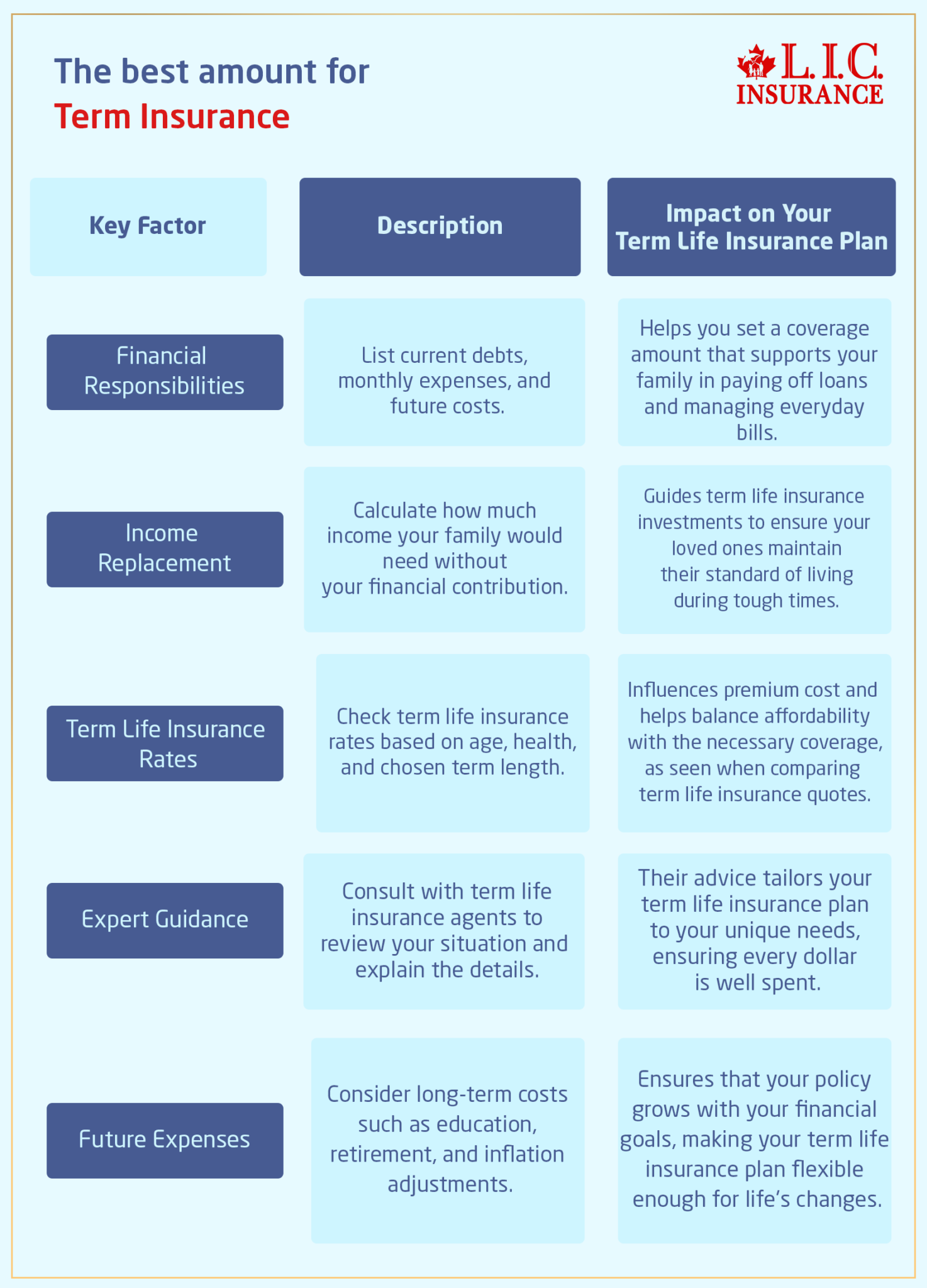
The most effective way to determine your "Bogle" life insurance amount is to conduct a rigorous needs analysis. Instead of relying on arbitrary multipliers of income, you should quantify the specific financial commitments your beneficiaries would face in your absence.
1. The Income Replacement Method
The most common approach is to calculate the amount needed to maintain your family’s current standard of living. If you earn $100,000 annually, you may aim for a death benefit that, when invested conservatively, provides a similar annual stream of income for a set number of years. For example, to provide $100,000 in annual spending for 20 years, you would need a policy large enough to account for inflation and the depletion of principal.
2. The Debt Liquidation Strategy
Identify all major liabilities that would burden your family if you were to pass away. This includes:
- Mortgage Balance: The remaining principal on your home loan.
- Education Funding: The estimated cost of future college tuition for your children.
- Consumer Debt: Any remaining auto loans, personal loans, or high-interest credit card debt.
- Emergency Buffer: A liquid fund to cover immediate costs, such as funeral expenses and probate fees.
3. Integrating Assets
Subtract your current liquid assets from your total liabilities. If you have substantial savings, retirement accounts, or existing investments that would transfer to your beneficiaries, you may need a smaller insurance policy. The objective is not to create a windfall for your survivors, but to fill the "protection gap" that your current net worth cannot yet cover.
Comparing Insurance Structures: Why Term is the Default Choice
In the Boglehead framework, the "amount" of insurance is intrinsically tied to the type of policy you select. Because term insurance provides a higher death benefit per dollar of premium than permanent insurance, it is the only logical choice for someone seeking to maximize coverage for their family during peak earning years.
| Feature | Term Life Insurance | Permanent (Whole/Universal) |
|---|---|---|
| Primary Goal | Pure Protection | Protection + Savings/Investment |
| Duration | Specific period (10–30 years) | Lifetime |
| Cost | Low (Level premiums) | High (Often 10x–20x higher) |
| Cash Value | None | Yes (Variable growth) |
| Complexity | Simple/Transparent | High/Opaque Fees |
By selecting a term policy that covers your duration of greatest risk—usually until your mortgage is paid off and your children are financially independent—you align your financial protection with your life stage. Once your children are grown and your assets have grown sufficiently, your need for life insurance diminishes, which is exactly when the term policy expires.
Factors Influencing Your Policy Amount in 2026
As of 2026, several macroeconomic factors should influence how you determine your coverage amount. While the core philosophy remains static, the application requires an awareness of current economic conditions.
- Inflation Expectations: Ensure your death benefit calculation accounts for the rising cost of living. If your beneficiaries receive a lump sum in 2035, that amount will have less purchasing power than the same amount would today.
- Healthcare Costs: Long-term care or final medical expenses are often overlooked. Even with health insurance, deductibles and out-of-pocket maximums can create financial strain. Adding a buffer of $25,000 to $50,000 for unexpected medical costs is a prudent practice.
- Mortgage Interest Rates: If you are currently in a high-interest mortgage environment, the debt portion of your insurance calculation will naturally be higher. If you refinance to a lower rate, you might find that your life insurance requirements effectively decrease over time, though most individuals stick to their original term amount for the duration of the policy.
Common Mistakes to Avoid
- Over-insuring for Legacy: Some individuals attempt to use life insurance as an estate planning tool for wealth transfer. The Boglehead approach suggests that wealth should be built through market investments, not through the death benefit of a complex insurance product.
- Ignoring Spousal Coverage: If you are a single-income household, it is often a mistake to insure only the breadwinner. The cost of replacing the childcare, domestic labor, and organizational support provided by a stay-at-home parent can be significant.
- Underestimating Inflation: Always calculate the "real" value of your death benefit. A policy for $500,000 might sound substantial today, but over a 20-year term, its ability to cover living expenses will erode. Adjust for a reasonable inflation rate when projecting future needs.
- Buying "Add-ons": Many insurance agents will push "riders," such as disability waivers or accidental death coverage. In a cost-efficient strategy, these are often unnecessary expenses. Stick to the base term policy to keep premiums at their absolute minimum.
Frequently Asked Questions
How long should my term life insurance last? Your term length should correspond to your longest-term financial obligation. If you have young children, a 20-year or 25-year term is standard to cover them until they reach adulthood. If you have a 30-year mortgage, you may want to align your coverage with that timeline.
Should I update my insurance amount if my income increases? Not necessarily. The Boglehead approach emphasizes that as your income grows, your personal savings and investment accounts should also be growing. As your net worth increases, your need for insurance actually decreases. The initial policy amount should be set to cover your family's needs at your current standard of living.
What happens if I still need insurance after my term expires? If you have followed the "invest the difference" strategy, you should have a significant investment portfolio by the time your term expires. This portfolio serves as self-insurance. If you find you still have significant liabilities, you may choose to purchase a new, smaller term policy, though this will be at a higher premium due to your older age.
Are the death benefits from term life insurance taxable? Generally, the death benefit paid to a beneficiary from a life insurance policy is income-tax-free in the United States. However, consult with a tax professional regarding your specific jurisdiction and the potential inclusion of the proceeds in your taxable estate.
Next Steps for Implementation
- Audit Your Liabilities: Create a spreadsheet listing your mortgage, debts, and the estimated cost to fund your children’s education.
- Assess Liquid Assets: Calculate the total value of your brokerage accounts, retirement funds, and emergency savings.
- Calculate the Delta: Subtract your assets from your liabilities. This figure represents the "protection gap."
- Shop for Term Policies: Use independent online quote aggregators to identify the lowest-cost, highly-rated insurance carriers. Focus exclusively on level-premium term life policies.
- Secure Coverage: Undergo the medical underwriting process. Once covered, automate your premium payments and direct your surplus funds into a low-cost, total-market index fund to build your long-term wealth independently of the insurance industry.
Image Gallery