Understanding Creed’s Weathered Album: History, Impact, and Musical Legacy
Creed’s Weathered album, released in November 2001, stands as a pivotal moment in post-grunge history, representing the band’s commercial peak and their final studio effort before their initial 2004 hiatus. Recorded as a three-piece fo...
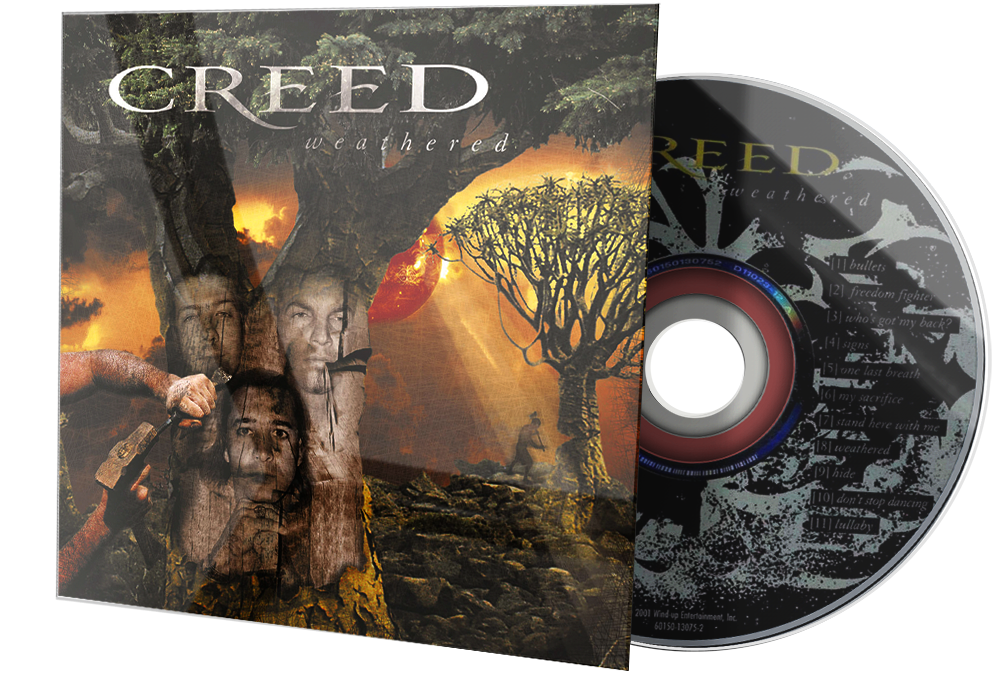
Creed’s Weathered album, released in November 2001, stands as a pivotal moment in post-grunge history, representing the band’s commercial peak and their final studio effort before their initial 2004 hiatus. Recorded as a three-piece following the departure of bassist Brian Marshall, it produced massive hits like "My Sacrifice" and "One Last Breath," eventually earning an 8x Platinum certification.
Contents
The Evolution of Creed: From Human Clay to Weathered
By the time the Weathered album was being conceptualized in early 2001, Creed was arguably the biggest rock band in the world. Their previous effort, Human Clay (1999), had transformed them from radio favorites into a diamond-certified phenomenon. However, the internal dynamics of the band had shifted significantly. The departure of original bassist Brian Marshall in 2000 left a void that the remaining members—vocalist Scott Stapp, guitarist Mark Tremonti, and drummer Scott Phillips—decided to fill internally rather than hiring an immediate permanent replacement for the recording sessions.
This transition turned Weathered into a unique technical project. Mark Tremonti, primarily known for his intricate lead guitar work and heavy riffage, took over bass duties for the entire record. This resulted in a very cohesive rhythmic interaction between the guitar and bass lines, as they were conceived and executed by the same musical mind. From a production standpoint, this gave the album a "thick" and remarkably consistent wall of sound that defined the post-grunge era of the early 2000s.
In 2026, music historians view this period as the height of the "post-grunge" dominance in the American mainstream. Weathered was not just an album; it was a cultural event that arrived precisely when the public was seeking the anthemic, soaring rock that Creed specialized in.
Technical Production and Sound Architecture
The production of Weathered saw the return of John Kurzweg, who had helmed the band's first two records. Kurzweg’s approach to Creed’s sound was characterized by a high-gloss finish that didn't sacrifice the "crunch" of Tremonti’s Mesa Boogie and PRS-driven tone.
Recording as a Trio
The decision to record as a three-piece influenced the songwriting process. Tremonti has noted in various retrospective interviews that playing the bass allowed him to ensure the low-end frequencies perfectly complemented his specific tuning choices, often utilizing "Drop D" and other open tunings. This synergy is particularly evident on tracks like "Bullets," which features some of the heaviest and most aggressive guitar work in the band's catalog.
Vocal Performance and Thematic Depth
Scott Stapp’s vocal delivery on Weathered reached a point of dramatic intensity that polarized critics but captivated millions of fans. Thematically, the album dealt with themes of resilience, spiritual searching, and the "weathering" of life’s storms. Released only two months after the events of September 11, 2001, the lead single "My Sacrifice" became an accidental anthem for a nation in mourning, emphasizing themes of reunion and healing.
Track-by-Track Analysis and Commercial Performance
Weathered debuted at number one on the Billboard 200, a position it held for eight consecutive weeks, tying a record for the most weeks at number one for a rock album at that time.
| Track Number | Song Title | Length | Key Feature/Single Status |
|---|---|---|---|
| 1 | Bullets | 3:51 | High-tempo, aggressive technical riffing. |
| 2 | Freedom Fighter | 2:36 | Short, punchy rock track. |
| 3 | Who’s Got My Back? | 8:25 | Epic, atmospheric intro with Native American influence. |
| 4 | Signs | 4:29 | Mid-tempo post-grunge staple. |
| 5 | One Last Breath | 3:59 | Multi-platinum single; iconic acoustic intro. |
| 6 | My Sacrifice | 4:54 | Lead single; reached #4 on Billboard Hot 100. |
| 7 | Stand Here With Me | 4:17 | Melodic rock with a signature Tremonti solo. |
| 8 | Weathered | 5:30 | Title track focusing on endurance and time. |
| 9 | Hide | 4:27 | Power ballad exploring isolation. |
| 10 | Don't Stop Dancing | 4:33 | Features the Talley Hall choir and Stapp's sister. |
| 11 | Lullaby | 3:04 | Somber, acoustic-driven closing track. |
The Impact of "My Sacrifice" and "One Last Breath"
"My Sacrifice" was the engine that drove the album's initial success. Its music video, featuring surreal imagery of a flooded world, was in constant rotation on MTV and VH1. Technically, the song uses a "5" chord structure that creates an uplifting, "open" feeling, a hallmark of the Creed sound.
"One Last Breath" followed as a massive crossover hit. By 2026, the song has transcended its original release to become a staple of nostalgic rock playlists. Its technical difficulty lies in the finger-picked acoustic verses, which require a high degree of precision—a testament to Tremonti’s evolution as a guitarist during the Weathered sessions.
Critical Reception vs. Public Legacy
While Weathered was an undeniable commercial juggernaut, it faced a mixed reception from the music press of the time. Critics often targeted the earnestness of Stapp’s lyrics and the band’s perceived lack of "indie" credibility. However, the "Creed-naissance" of the mid-2020s—fueled by the band's 2024 reunion tour and their popularity among younger generations on social media—has prompted a re-evaluation of the album.
Modern critics in 2026 now point to the high level of musicianship on the record. Mark Tremonti’s work on Weathered is frequently cited in guitar publications as some of the best mainstream rock playing of the decade, bridging the gap between heavy metal technicality and radio-friendly melodicism. The album’s production quality has also aged remarkably well, avoiding the "loudness war" pitfalls that plagued many records of the mid-2000s.
Collecting and Preserving the Weathered Album
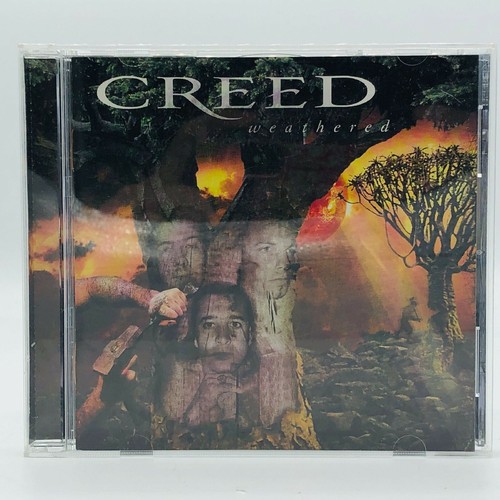
For collectors, the Weathered album exists in several important formats. While the 2001 CD release is ubiquitous, the vinyl versions are highly sought after.
- The Original 2001 Pressing: Extremely rare, as vinyl was at a commercial low point during the album's initial release.
- The 20th Anniversary Edition (2021): Released by Craft Recordings, this version featured remastered audio and was pressed on high-quality 180g vinyl. This is generally considered the "definitive" listening experience in 2026.
- Digital and Atmos Mixes: In recent years, spatial audio mixes of Weathered have been released on streaming platforms, allowing listeners to hear the layered vocal harmonies and Tremonti’s double-tracked guitars with new clarity.
When looking for a "weathered" physical copy of an album (in the literal sense), collectors of Creed's work often look for the "Weathered" deluxe box sets, which sometimes featured distressed packaging to match the album's aesthetic theme.
The 2024 Reunion and Continued Relevance in 2026
The massive success of the "Summer of '99" cruise and the subsequent 2024-2025 world tours brought Weathered back into the global spotlight. For many fans attending these shows, the songs from Weathered represent the emotional core of the setlist. The band’s ability to perform these technically demanding tracks—many of which require specific tuning changes—has proven that the material remains as potent now as it was twenty-five years ago.
In 2026, Creed’s Weathered is no longer seen through the lens of early-2000s cynicism. Instead, it is recognized as a masterclass in arena rock construction. The album’s themes of overcoming adversity have resonated with a new generation of listeners who discovered the band through digital archives and the enthusiastic endorsements of modern rock artists.
FAQs About the Weathered Album
Who played bass on the Weathered album?
Mark Tremonti played all the bass parts on the Weathered album. After the departure of original bassist Brian Marshall in 2000, the band decided to record as a trio. Tremonti used his experience as a guitarist to create bass lines that closely mirrored his complex guitar riffs, contributing to the album's distinctively tight and heavy sound.
How many copies did the Weathered album sell?
As of 2026, the Weathered album is certified 8x Platinum by the RIAA in the United States, signifying over 8 million units sold. Globally, sales are estimated to exceed 12 million copies. It remains one of the best-selling rock albums of the 21st century.
What is the longest song on the Weathered album?
The longest song on the album is "Who's Got My Back?" which clocks in at 8 minutes and 25 seconds. The track is notable for its atmospheric, extended intro featuring Native American chanting and its progressive song structure, which was a departure from the band’s more standard radio-length tracks.
Was Weathered Creed's last album?
Weathered was the last album Creed released before their initial breakup in 2004. While they reunited to release Full Circle in 2009, Weathered is often viewed as the conclusion of their original "imperial phase" when they dominated the global rock charts.
What tunings are used on the Weathered album?
The album primarily utilizes Drop D tuning (D-A-D-G-B-E) and Open DADADD tuning (often referred to as the "Creed tuning"). This specific open tuning is what gives songs like "My Sacrifice" their ringing, harmonic depth and allows for the unique chord voicings that became a signature of Mark Tremonti’s style.
Next Steps for Fans and Collectors
If you are looking to experience Weathered in 2026, the best starting point is the 20th Anniversary Remaster. For those interested in the technical aspects of the record, exploring Mark Tremonti’s guitar instructional materials regarding these specific songs provides deep insight into the "Drop D" and "Open D" techniques used throughout the album. Whether you are a long-time fan or a new listener, the Weathered album remains a foundational text in the history of American rock music.
Image Gallery