Navigating Coverage: Who Insures Older Mobile Homes?
Finding coverage for an older manufactured home can present unique challenges, but specialized insurance providers, high-risk property markets, and certain standard carriers still offer policies for vintage mobile homes if the structur...
Finding coverage for an older manufactured home can present unique challenges, but specialized insurance providers, high-risk property markets, and certain standard carriers still offer policies for vintage mobile homes if the structure meets basic safety and maintenance standards.
Contents
Securing property coverage for a vintage manufactured or mobile home often feels like navigating a maze. While newer manufactured homes that adhere to strict Department of Housing and Urban Development (HUD) construction standards find a ready market among standard insurance carriers, older units—particularly those built before the June 15, 1976, HUD code enactment—frequently face hesitation from mainstream insurance providers. Insurance companies weigh perceived risks heavily, including outdated electrical systems, aging plumbing, roof wear, and the vulnerability of older structures to severe weather.
However, older mobile homes can still be successfully insured. Understanding how the insurance industry evaluates these properties, knowing which types of carriers to approach, and upgrading vital home systems can open doors to reliable financial protection.
Why Insuring Older Mobile Homes is Challenging
Insurance underwriters look closely at risk factors before writing a policy. For older mobile and manufactured homes, several structural and historical elements trigger underwriting caution.
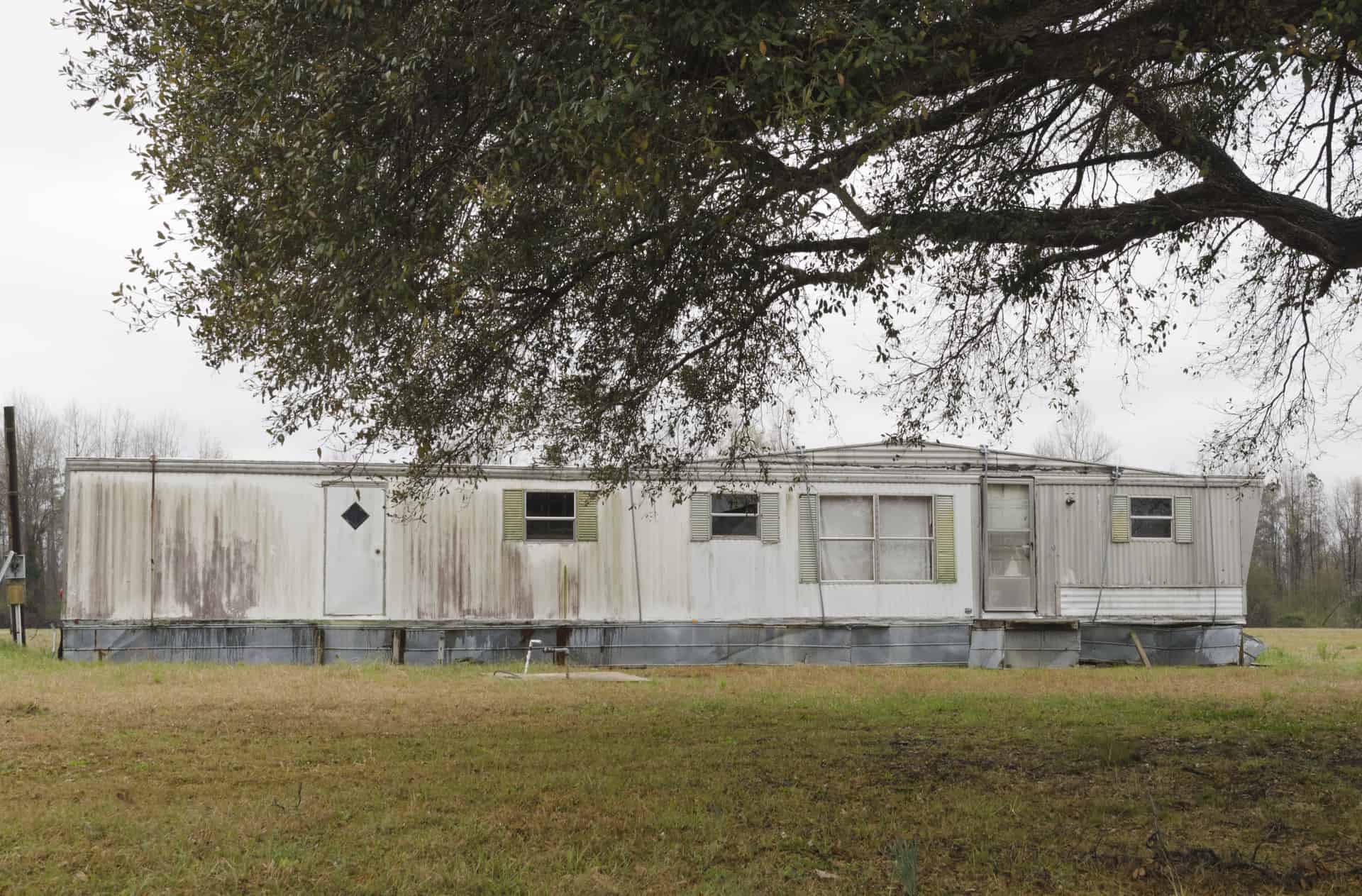
The primary dividing line in manufactured housing history is June 15, 1976. Before this date, mobile homes were built to varying local or regional standards rather than the uniform federal HUD building code. Consequently, insurance carriers often view pre-1976 models as higher risks for fire, windstorm damage, and structural failure.
Furthermore, materials degrade over time. Aluminum wiring, outdated fuse boxes, old plumbing lines susceptible to bursting, and aging heating systems significantly increase the risk of property loss. Underwriters also examine the physical placement of the home. Homes located in designated windstorm zones, hurricane corridors, wildfire-prone regions, or floodplains face additional hurdles. If a home has not been properly anchored, skirted, or leveled, insurers may decline coverage until these foundational elements are brought up to contemporary safety standards.
Types of Insurance Providers for Aging Manufactured Homes
Because major national standard carriers often decline applications for older manufactured homes, property owners must look toward alternative markets that specialize in non-standard or high-risk properties.
Specialized Manufactured Home Insurers
Several insurance companies focus exclusively or heavily on manufactured and modular housing. These carriers understand the unique construction of mobile homes and are more willing to evaluate an older home based on its current condition rather than its manufacture date alone. They often offer tailored policies that account for the depreciation and actual cash value versus replacement cost of older components.
Non-Standard and Surplus Lines Carriers
When standard and specialized admitted carriers decline coverage, surplus lines insurers provide an alternative. These companies operate with greater flexibility regarding underwriting guidelines, allowing them to write policies for homes with unique risk profiles, such as older construction or rural placement. While premiums may be higher, surplus lines carriers offer a viable path to securing protection against fire, theft, and liability.
State-Backed Insurance Pools (FAIR Plans)
In regions prone to natural catastrophes where private market options are scarce, state-administered FAIR (Fair Access to Insurance Requirements) plans or windstorm pools may serve as a market of last resort. These plans typically provide basic property coverage when private insurers refuse to write a policy, though policyholders may need to purchase a companion policy for liability and theft.
| Insurance Type | Target Property Profile | Primary Advantage | Typical Drawback |
|---|---|---|---|
| Standard Carriers | Newer homes (Post-1976 HUD code, well-maintained) | Lower premiums, comprehensive coverage options | Strict underwriting, frequent denials for older homes |
| Specialized Carriers | Manufactured homes of all ages, park models | Custom policies, deep familiarity with mobile home structures | May require rigorous physical inspections |
| Surplus Lines | High-risk, vintage, or non-conforming homes | Flexibility to insure unique or older properties | Higher premium costs, less standard regulatory oversight |
| State FAIR Plans | High-hazard areas where private coverage is unavailable | Guaranteed access to basic property insurance | Limited coverage scope, often requires supplemental policies |
Policy Types: Actual Cash Value vs. Replacement Cost
When shopping for coverage for an older mobile home, understanding how a claim will be paid out is vital. Insurers generally offer two primary valuation methods for property damage:
- Actual Cash Value (ACV): This policy type factors in depreciation. If an older roof is destroyed in a storm, the payout reflects the depreciated value of that roof at the time of the loss, not what it costs to buy a brand-new one. ACV policies are much easier to obtain for older mobile homes and feature lower monthly premiums.
- Replacement Cost (RCV): Replacement cost coverage pays to repair or replace damaged property with materials of like kind and quality without deducting for depreciation. Finding an RCV policy for an older mobile home can be difficult unless the home has undergone major, documented renovations.
Steps to Make an Older Mobile Home Insurable
If an insurer expresses hesitation or denies coverage due to the age of the home, homeowners can take proactive steps to mitigate risks and make the property more attractive to underwriters.
- Conduct a Self-Inspection: Walk through the home and check the condition of the roof, skirting, tie-downs, and porches. Address visible maintenance deferred items immediately.
- Upgrade Critical Systems: Hire licensed professionals to replace outdated electrical panels (such as replacing old fuse boxes with modern circuit breakers) and update old plumbing to prevent water damage.
- Improve Anchoring and Tie-Downs: Ensure the home meets current local wind-load standards by installing or reinforcing engineered tie-downs and permanent anchors.
- Document All Improvements: Keep receipts, permits, and contractor invoices for any updates made to the roof, HVAC system, flooring, or plumbing. Providing this documentation to an insurance agent proves that the home is well-maintained despite its age.
Summary Comparison of Coverage Options
Choosing the right path depends heavily on the age, location, and maintenance history of the manufactured home.
Older Mobile Home Insurance Decision Tree:
- Home Built Post-1976 & Well-Maintained?
- YES: Try Standard & Specialized Manufactured Home Carriers (RCV or ACV)
- NO: Proceed to Pre-1976 / High-Risk Evaluation
- Pre-1976 Construction with Upgraded Systems?
- YES: Specialized Manufactured Home Insurers / Surplus Lines (ACV Policies)
- NO: Complete Maintenance Upgrades (Electrical/Roof) or Seek State FAIR Plans
Frequently Asked Questions
Can I get homeowners insurance for a mobile home built before 1976?
Yes, but options are more limited. Many standard carriers automatically decline pre-1976 homes due to non-HUD construction standards, but specialized manufactured home insurers and surplus lines carriers regularly write policies for these homes if they are well-maintained and structurally sound.
Why do insurance companies care about the manufacture date?
The manufacture date serves as a benchmark for building standards. The HUD code enacted in 1976 established rigorous federal standards for fire safety, wind resistance, and structural integrity. Homes built before this code lack standardized manufacturing documentation, creating uncertainty for underwriters.
Is Actual Cash Value or Replacement Cost better for an older mobile home?
While Replacement Cost provides more comprehensive financial protection, Actual Cash Value is far more common and accessible for older mobile homes. Insurers are hesitant to offer replacement cost on aging materials because the cost to replace old items with brand-new ones presents a high financial liability.
Will upgrading my electrical panel help me get insurance?
Yes. Outdated electrical systems, particularly aluminum wiring or old fuse boxes, are major red flags for insurance underwriters due to fire risks. Upgrading to a modern breaker box and providing certification from a licensed electrician greatly improves insurability.
What should I do if my current insurer drops my older mobile home?
Do not panic, but act quickly. Contact an independent insurance agent who has access to multiple non-standard and surplus lines carriers. In the meantime, address any maintenance issues cited in the non-renewal notice to prepare the home for inspection by a new provider.
Next Actions for Homeowners
Securing coverage for an older mobile home requires persistence and preparation. Begin by gathering all records of recent home improvements, roof replacements, and electrical updates. Contact an independent insurance agent who specializes in manufactured housing rather than relying solely on captive agents tied to a single major brand. If necessary, invest in minor structural or safety remediations to satisfy underwriting requirements and protect your investment for years to come.
Image Gallery