What Janitorial Services in Phoenix Provide: Scope, Capabilities, and Local Standards
Commercial janitorial services in Phoenix provide daily facility sanitization, trash collection, floor maintenance, restroom hygiene management, and specialized surface disinfection. In the unique desert climate of Maricopa County, loc...
Commercial janitorial services in Phoenix provide daily facility sanitization, trash collection, floor maintenance, restroom hygiene management, and specialized surface disinfection. In the unique desert climate of Maricopa County, local providers also deliver specialized environmental solutions, including dust storm remediation, low-moisture floor care, hard water stain removal, and industry-specific compliance cleaning for corporate, medical, and industrial properties.
Contents
Core Commercial Janitorial Scope of Work
Commercial janitorial providers in the Phoenix metropolitan area structure their core offerings to maintain hygiene, aesthetic appeal, and operational safety for business facilities. Standard agreements divide tasks into daily, weekly, and periodic routines, ensuring every area of a building receives appropriate care based on traffic and usage patterns.
Routine Daily and Weekly Cleaning Operations
Daily cleaning forms the foundation of any commercial janitorial contract. Crew members clean high-traffic areas, handle waste management, and disinfect shared surfaces to break the chain of pathogen transmission. Key daily tasks include:
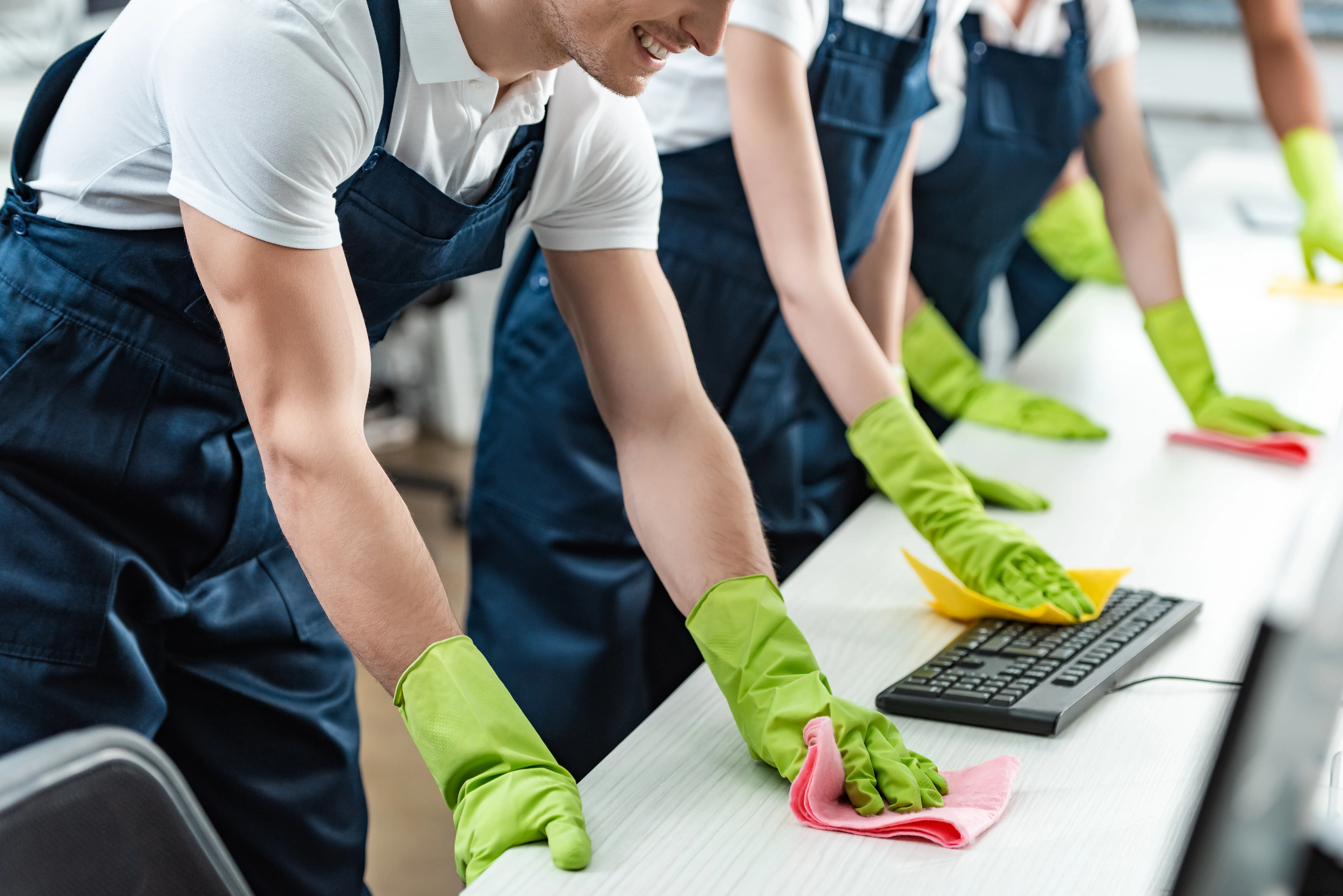
- High-Touch Disinfection: Wiping down elevator buttons, door handles, light switches, stair railings, reception desks, and shared office equipment using EPA-registered disinfectants.
- Waste and Recycling Management: Emptying interior desk bins, communal trash receptacles, and centralized recycling stations, followed by replacing liners and transporting waste to designated external dumpsters or compactors.
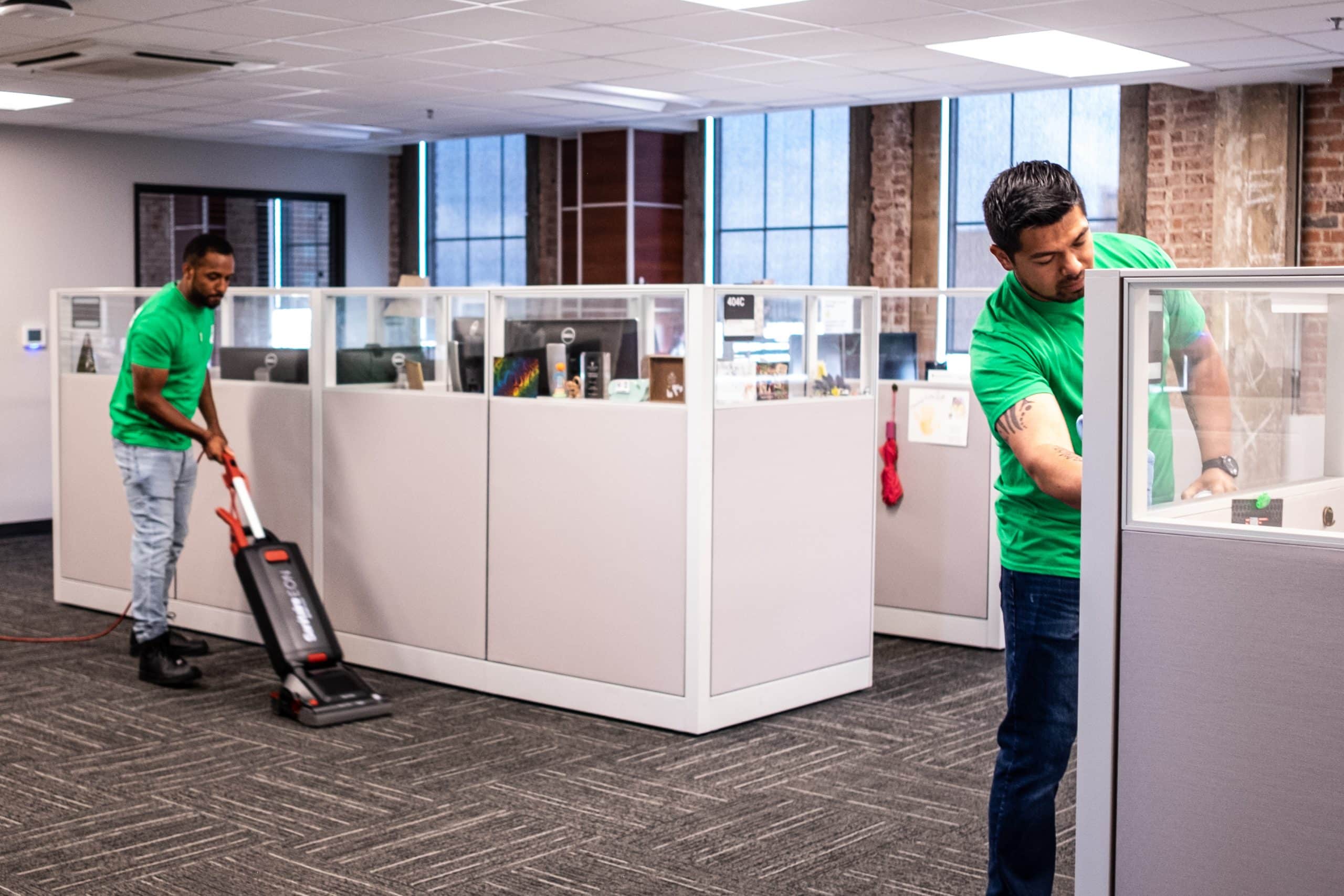
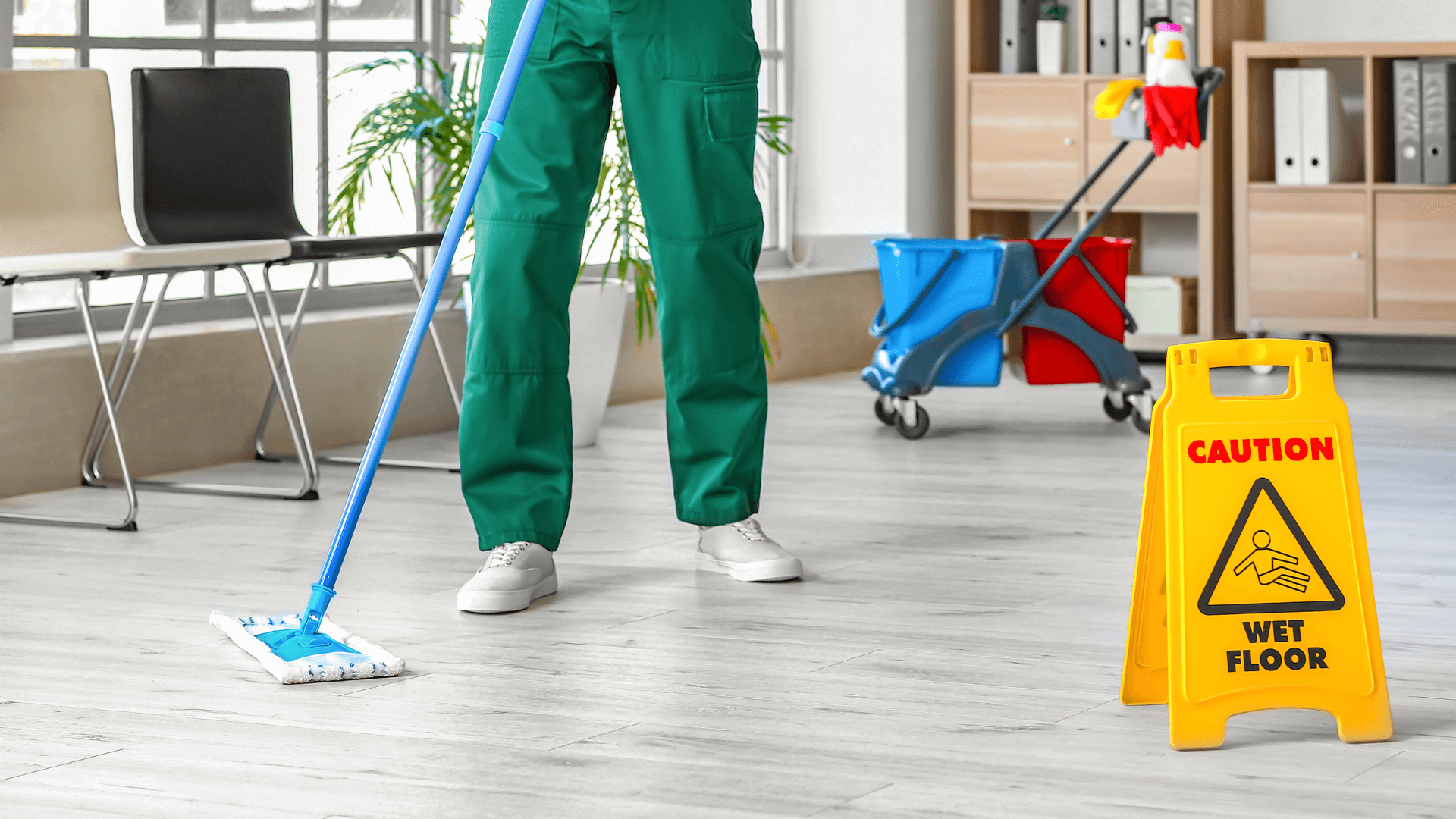
- Floor Maintenance: Dust-mopping and damp-mopping hard surfaces, such as vinyl composition tile (VCT), ceramic tile, polished concrete, and natural stone, alongside targeted vacuuming of carpeted traffic corridors and entry mats.
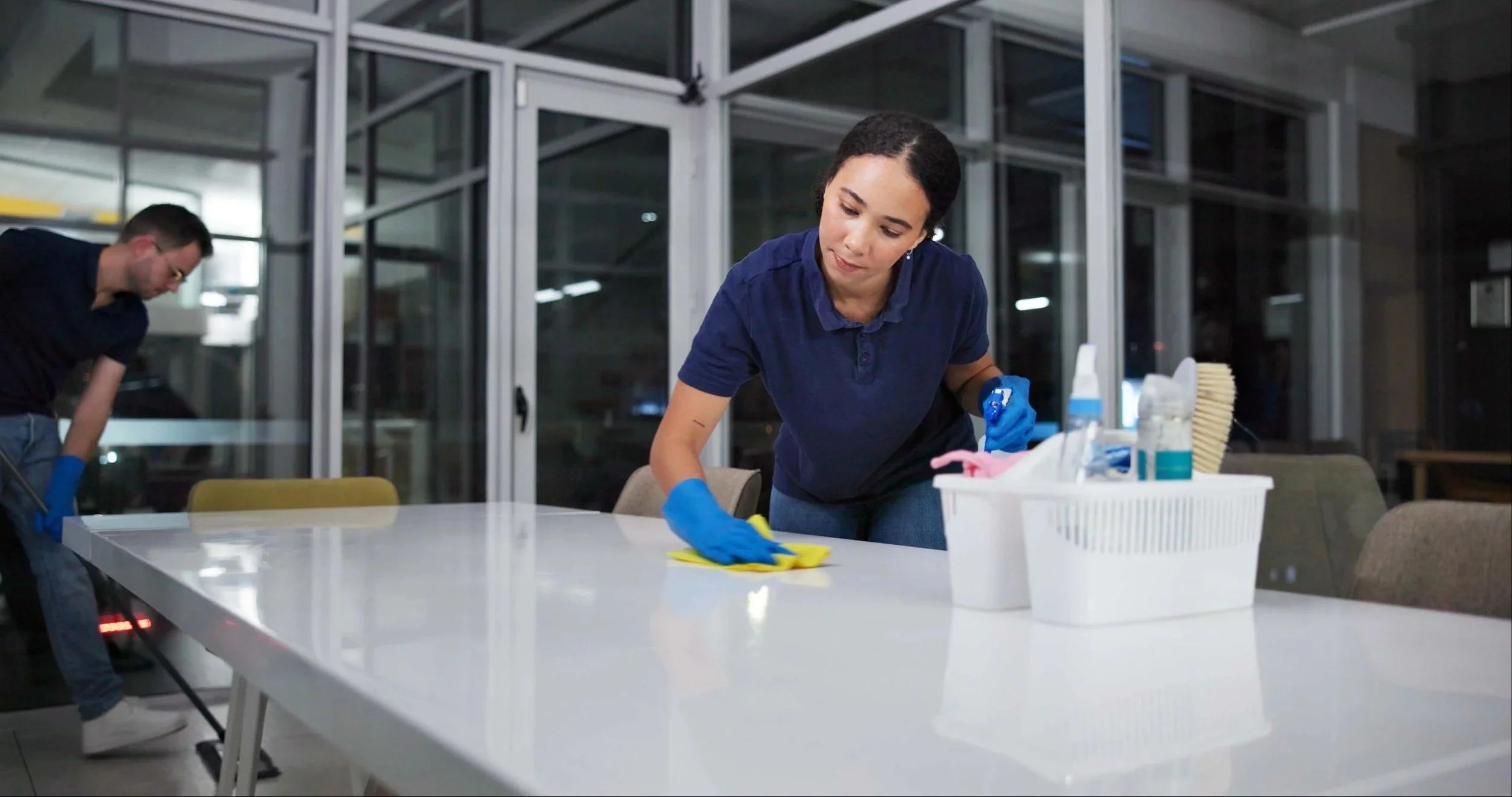
- Surface Dusting: Horizontal wiping of accessible desk surfaces, counter tops, window sills, filing cabinets, and lobby seating areas to prevent dust accumulation.
Comprehensive Restroom Hygiene Services
Commercial restrooms require stringent sanitization protocols due to high user volume and public health standards. Phoenix janitorial services follow detailed sanitization processes to ensure facilities remain hygienic and odor-free:
- Fixture Sanitization: Deep cleaning and sanitizing of toilets, urinals, sinks, and faucets using germicidal cleaners that target bacteria, viruses, and mineral deposits.
- Consumable Restocking: Refilling hand soap dispensers, paper towel cabinets, toilet tissue dispensers, and automatic hand sanitizer units.
- Surface and Partition Cleaning: Cleaning mirrors, wiping down stall partitions, sanitizing baby-changing stations, and wiping splash zones on surrounding walls.
- Floor Decontamination: Mopping tile floors with disinfectant solutions formulated to destroy organic waste and neutralize odor-causing bacteria trapped in porous grout lines.
Breakroom and Kitchenette Care
Communal eating spaces require specialized sanitization to satisfy workplace safety standards and prevent cross-contamination:
- Counter and Basin Care: Disinfecting prep surfaces, counters, dining tables, and sink basins.
- Appliance Maintenance: Exterior wiping of microwaves, refrigerators, coffee machines, and vending equipment, along with interior microwave spot-cleaning.
- Trash and Grease Control: Frequent disposal of food waste, cleaning grease splatters, and wiping down trash cabinet doors to suppress pests.
Specialized Janitorial Solutions for the Phoenix Desert Climate
Maintaining a commercial building in Phoenix presents distinct environmental challenges compared to other regions. Fine desert dust, monsoon storms, high heat, and hard water require specialized cleaning techniques and equipment to prevent premature surface deterioration and protect indoor air quality (IAQ).
| Environmental Challenge | Technical Janitorial Solution |
|---|---|
| Dust Storms (Haboobs) | Dual-Stage Entry Matting & HEPA Vacuuming |
| Fine Silica Micro-Abrasion | High-Solids Floor Sealants & Burnishing |
| Arid Water Scarcity | Low-Moisture Encapsulation Cleaning |
| Mineral-Dense Hard Water | Acidic Descaling & Pure-Water Rinses |
Dust Storm (Haboob) Remediation and Fine Silica Mitigation
The Valley of the Sun experiences periodic dust storms—often referred to locally as haboobs—between June and September. These storms force large volumes of microscopic silica dust through building entrances and HVAC fresh-air intakes.
Professional janitorial providers mitigate this dust through targeted containment:
- CRI-Certified HEPA Vacuuming: Standard commercial vacuums recirculate ultra-fine desert silt into the air. Professional janitorial teams deploy Carpet and Rug Institute (CRI) certified vacuums fitted with True HEPA filters capable of trapping 99.97% of particles down to 0.3 microns.
- HVAC Return & Diffuser Wiping: Regular cleaning of air vents, ceiling diffusers, and return grilles prevents accumulated airborne silt from dropping onto work surfaces and carpeted floors below.
- High-Dusting Services: Clearing dust from exposed structural beams, ceiling pipes, decorative light fixtures, and high ledges common in modern open-office designs across Downtown Phoenix and Tempe.
Micro-Abrasion Defense for Flooring
Desert grit acts like sandpaper under foot traffic. When employees and visitors track sand onto VCT, polished concrete, or hardwood, it accelerates wear on decorative finishes. Phoenix commercial cleaners employ protective floor maintenance programs, such as applying high-solids floor finishes, setting up multi-zone walk-off mat systems, and conducting regular high-speed burnishing to harden sealants against grit intrusion.
Hard Water and Mineral Scale Removal
Phoenix water supplies contain high levels of dissolved calcium and magnesium. External glass, restroom fixtures, and exterior building entrances frequently develop white mineral scale and hard water spots. Janitorial services utilize specialized acidic descaling agents and pure-water window washing systems to dissolve mineral crusts without scratching glass or corroding metal fixtures.
Sector-Specific Cleaning Capabilities in Maricopa County
Different industries require distinct cleaning standards, compliance protocols, and technical expertise. Commercial cleaning contracts in Phoenix are tailored to meet the regulatory requirements of specific business sectors.
Commercial Facilities in Phoenix:
- Medical / MOB
- Terminal Cleaning
- OSHA Bloodborne Pathings
- HIPAA Privacy Protocols
- Industrial / Logistics
- Auto-Scrubber Operation
- Epoxy Seal Care
- Overhead Beam Cleaning
- Corporate / Tech
- Anti-Static Flooring
- Server Room Dust Control
- Day Porter Services
Healthcare and Medical Office Buildings (MOBs)
Medical facilities—such as outpatient clinics, dental offices, urgent care centers, and surgical suites—require rigid infection prevention. Janitorial crews working in healthcare environments adhere to standards set by the Occupational Safety and Health Administration (OSHA) regarding Bloodborne Pathogens (29 CFR 1910.1030).
- Terminal Cleaning: Deep sanitization of patient examination rooms, operating spaces, and procedure suites between operational days.
- Color-Coded Microfiber Systems: Using distinct colored cloths and mops for restrooms, exam rooms, and waiting areas to prevent cross-contamination.
- Biohazard Handling: Proper segregation and disposal of medical waste and sharps containers according to Arizona state regulations.
- HIPAA Awareness: Janitorial staff trained in privacy compliance refrain from moving or reading documents on medical desks or workstations.
Industrial, Logistics, and Manufacturing Warehouses
With rapid industrial expansion across the West Valley—including major warehousing hubs in Glendale, Goodyear, and Tolleson—industrial janitorial services are in high demand.
- Automatic Floor Scrubbing: Operating ride-on and walk-behind auto-scrubbers equipped with heavy-duty degreasers to remove tire marks, oil spills, and heavy dust accumulation from expansive concrete slabs.
- Epoxy Floor Care: Applying specialized neutral cleaners to protect protective epoxy coatings in manufacturing clean areas.
- Racking and Beam Dusting: Removing airborne debris from high-bay pallet racking, overhead ductwork, and structural joists to prevent product contamination.
Technology and Cleanroom Environments
The East Valley’s technology and semiconductor corridors in Chandler and Scottsdale require specialized dust-controlled and static-free cleaning processes. Services include anti-static floor waxing, sticky-mat maintenance, ISO-compliant cleanroom wiping, and sub-floor cleaning inside server rooms and data centers.
Standard vs. Deep Janitorial Services Comparison
Understanding the division between routine janitorial tasks, periodic maintenance, and specialized facility care helps building managers establish accurate budgets and scope expectations.
| Service Category | Included Cleaning Tasks | Standard Frequency | Ideal Application |
|---|---|---|---|
| Routine Janitorial Maintenance | Trash removal, surface disinfection, rest-room sanitization, dust mopping, carpet vacuuming | Daily to 3x per week | Active corporate offices, retail stores, banks, public facilities |
| Periodic Deep Floor Care | VCT stripping and waxing, high-speed burnishing, deep grout scrub, concrete sealing | Monthly to Semi-Annually | High-traffic hallways, lobbies, dining spaces, restrooms |
| Carpet Restorative Care | Hot-water extraction, low-moisture encapsulation cleaning, spot removal treatment | Quarterly to Annually | Carpeted open-plan offices, conference rooms, hotels |
| Specialized Facility Care | High-dusting above 10 feet, cleanroom cleaning, biohazard cleanup, post-construction prep | As needed / Project-based | Industrial plants, medical centers, newly constructed buildings |
| Monsoon & Emergency Response | Flash flood water extraction, haboob dust recovery, emergency disinfection | On-call / Immediate | Any facility affected by severe weather or contamination |
Eco-Friendly and Water-Conscious Cleaning Protocols
Sustainability and water conservation are primary operational priorities for businesses in the desert Southwest. Modern Phoenix janitorial services integrate green cleaning solutions aligned with environmental guidelines:
Low-Moisture Encapsulation Cleaning
Traditional carpet extraction consumes hundreds of gallons of water and requires extensive drying times, which can foster mold growth in humid indoor microclimates. Phoenix providers often use low-moisture carpet encapsulation. This technique applies a specialized polymeric chemistry that traps soil into dry micro-crystals, which are then easily vacuumed out—using up to 85% less water than traditional hot-water extraction methods.
Green Chemistry and VOC Reduction
To maintain indoor air quality (IAQ) in sealed, air-conditioned environments, commercial cleaners use chemical products certified by organizations like Green Seal. These solutions are free from toxic volatile organic compounds (VOCs), synthetic fragrances, and harsh petroleum solvents, lowering health risks for building occupants.
Cost Factors and Service Contracts in Phoenix
Pricing for commercial janitorial contracts in the Phoenix metropolitan area depends on several facility-specific variables:
Key Cost Drivers
- Total Cleanable Square Footage: Larger spaces often lower the cost per square foot, though specialized layout complexities can affect this rate.
- Facility Type and Risk Level: Medical facilities and industrial processing plants demand higher technical training, specialized chemicals, and strict compliance reporting, increasing operational costs compared to standard office space.
- Service Frequency: Daily night cleaning incurs higher labor costs than twice-weekly schedules, but delivers more consistent cleanliness and reduces the need for frequent deep cleans.
- Shift Timing: Daytime porter services—where dedicated staff maintain restrooms and common areas continuously during business hours—differ in pricing structure from overnight cleaning crews.
Quality Assurance and Contract Verification
Reputable commercial cleaners maintain service standards through digital inspection systems. Managers use mobile software to log completed tasks, upload photo evidence, and track compliance metrics in real time. Standard service level agreements (SLAs) also include periodic audits using ATP (adenosine triphosphate) bioluminescence swabs to scientifically verify surface sanitization standards in high-risk areas.
Quality Assurance & Contract Verification Flow:
- Scheduled Service
- Mobile Task Logging
- Digital Photo Audit
- ATP Surface Swab
- SLA Compliance Log
- Client Dashboard
Checklist for Selecting a Phoenix Commercial Janitorial Provider
When evaluating commercial cleaning contractors in Maricopa County, facility managers should verify key credentials to ensure safety, legal compliance, and consistent service:
- Proof of Commercial Insurance: Verify Comprehensive General Liability insurance (typically $1,000,000 to $2,000,000 minimum) and full Workers' Compensation coverage compliant with Arizona state law.
- Commercial Crime Bonding: Confirm that employees are bonded to protect your business against property loss or theft.
- E-Verify and Background Screenings: Ensure the contractor uses federal E-Verify systems and conducts thorough background checks on all cleaning personnel granted off-hours building access.
- Safety and OSHA Compliance: Confirm written safety policies covering Hazardous Communication Standards (Safety Data Sheets/SDS), Personal Protective Equipment (PPE) compliance, and Bloodborne Pathogen training.
- Local References and Track Record: Request references from local commercial accounts with similar square footage and operational scopes in the Valley.
Frequently Asked Questions
How frequently should a commercial facility in Phoenix clean its carpet and hard floors?
High-traffic VCT or concrete floors in Phoenix commercial spaces typically require professional burnishing or scrubbing every one to three months, with complete stripping and refinishing performed annually. Carpeted spaces benefit from low-moisture encapsulation cleaning two to four times per year to prevent fine silica dust from tearing carpet fibers.
What is the difference between a day porter and a night janitorial service?
A night janitorial team works after business hours to perform deep cleaning, vacuuming, floor mopping, trash removal, and surface disinfection without disrupting operations. A day porter works on-site during operational hours to manage continuous cleanliness, restock high-traffic restrooms, clean spill hazards, sanitize meeting rooms between uses, and maintain lobby areas.
How do janitorial services clean after a severe Phoenix dust storm?
Following a severe haboob, janitorial crews execute a perimeter-to-core strategy. They first clear exterior entryways and replace saturated walk-off mats. Inside, crews perform high-dusting of air returns and overhead ledges, clean interior entry glass, and use CRI-certified HEPA vacuums on all carpeted and hard floor surfaces to remove fine dust particles without stirring them into the air.
Are commercial cleaning providers required to bring their own equipment and chemical supplies?
Yes, professional janitorial services provide commercial-grade equipment—such as HEPA vacuums, auto-scrubbers, micro-fiber systems, and floor buffers—along with EPA-registered cleaning chemicals and safety gear. The building owner or manager typically supplies consumable paper products, hand soap, trash liners, and designated storage space for cleaning carts.
What licensing is required for commercial janitorial services operating in Arizona?
Commercial janitorial providers operating in Arizona must hold an active transaction privilege tax (TPT) license from the Arizona Department of Revenue and local municipal business licenses for the cities in which they operate (e.g., Phoenix, Scottsdale, Mesa). Standard janitorial cleaning does not require a contractor's license through the Arizona Registrar of Contractors (ROC), though specialized building restoration, mold remediation, or structural modifications do require specific ROC trade licensing.
Recommended Next Steps
To select the right commercial janitorial service for your Phoenix property:
- Draft a Tailored Scope of Work: Outline your building's precise cleanable square footage, floor type breakdown, required cleaning frequencies, and any sector-specific compliance standards (such as HIPAA, OSHA, or ISO).
- Request On-Site Walkthroughs: Invite shortlisted commercial cleaning contractors to conduct a physical walkthrough of your facility. This ensures their pricing reflects actual layout complexities, high-traffic friction points, and HVAC dust management needs.
- Verify Credentials and Protocols: Before signing a commercial service agreement, confirm active insurance coverage, request copies of SDS documentation, and confirm that staff are background-checked and trained in desert-environment floor and dust management.
Image Gallery