Understanding Life Insurance in Fife: A Complete Guide to Coverage, Regulations, and Local Options
Understanding life insurance in Fife requires knowing how national financial regulations, Scottish estate law, and personal financial needs intersect. Life insurance pays out a tax-free lump sum or regular income to your designated ben...
Understanding life insurance in Fife requires knowing how national financial regulations, Scottish estate law, and personal financial needs intersect. Life insurance pays out a tax-free lump sum or regular income to your designated beneficiaries upon your death or diagnosis of a terminal illness, helping families across Fife secure mortgages, cover living expenses, and manage potential inheritance tax liabilities.
Contents
How Life Insurance Operates in Fife and the UK Regulatory Framework
Life insurance in Fife operates under the strict regulatory oversight of the Financial Conduct Authority (FCA) and the Prudential Regulation Authority (PRA). Regardless of whether you arrange coverage through an independent financial adviser (IFA) based in Dunfermline, Kirkcaldy, or St Andrews, or purchase a policy directly online, the provider must comply with UK-wide consumer protection standards.
These regulatory controls ensure that policy terms are clear, risk assessments are fair, and claims are handled transparently. Furthermore, valid policies issued by authorized insurers are backed by the Financial Services Compensation Scheme (FSCS). Under FSCS rules, long-term insurance contracts—including life assurance and critical illness policies—are protected up to 100% of the claim value should an authorized insurance firm become insolvent.
While financial conduct rules apply across the United Kingdom, estate distribution following a death follows distinct legal rules in Scotland. In Fife, settling a deceased person's estate involves obtaining a legal document known as "Confirmation" from the Sheriff Court (the Scottish equivalent of probate in England and Wales). Understanding how a life insurance payout interacts with Scottish succession laws is essential to ensure funds reach your intended beneficiaries without unnecessary court delays.
Primary Types of Life Insurance Available in Fife
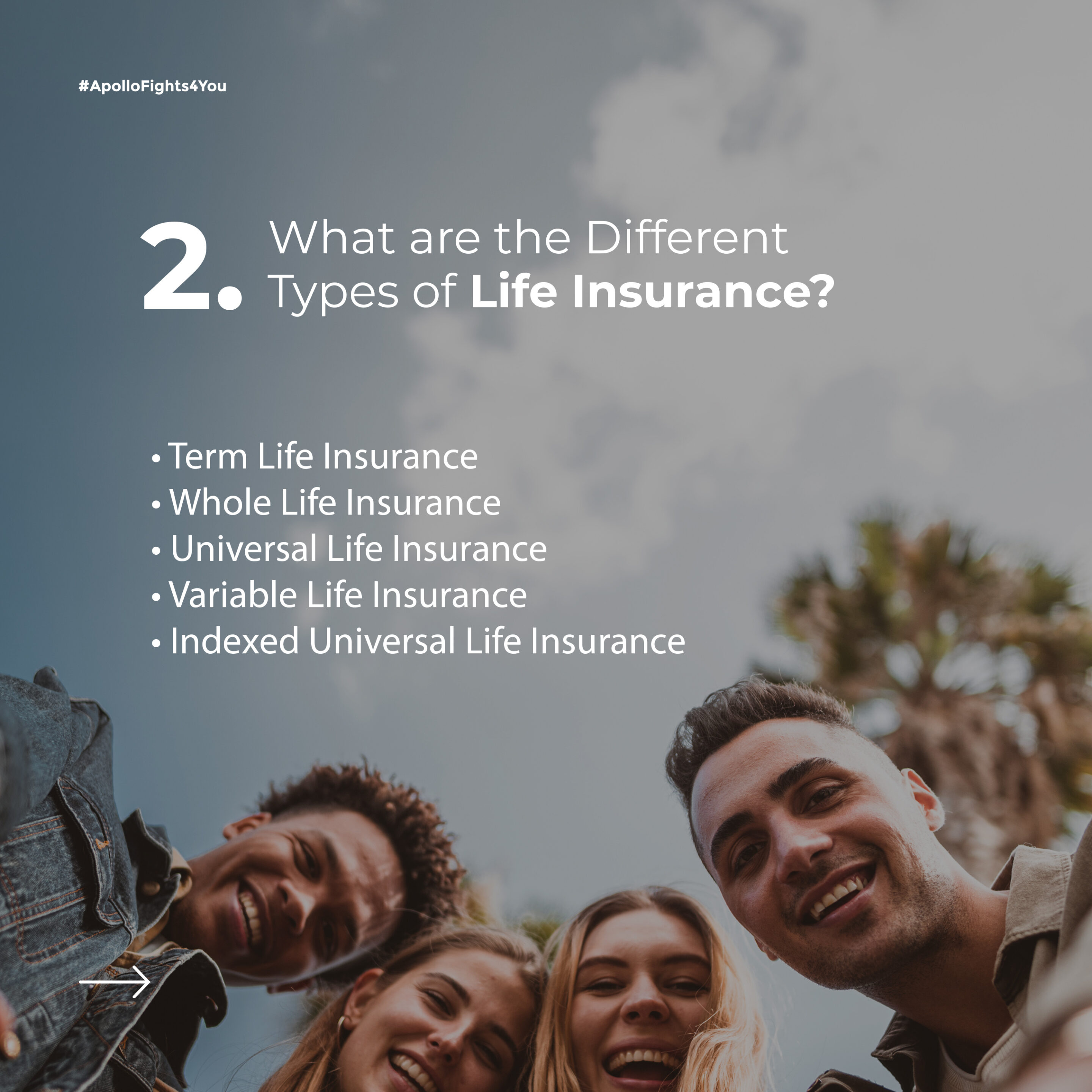
Selecting the right policy depends on your financial obligations, family structure, and long-term goals. Insurers active in the Scottish market offer several core policy categories.
Primary Life Insurance Types:
- Level Term
- Fixed payout
- Guaranteed rate
- Decreasing Term
- Decreasing payout
- Repayment mortgage
- Whole of Life
- Permanent cover
- Estate planning
Level Term Life Insurance
Level term insurance provides a fixed tax-free lump sum if you pass away within a specified timeframe (the "term"). Both the premium and the payout amount remain constant throughout the policy's lifespan.
For instance, a 30-year policy with a £250,000 benefit will pay exactly £250,000 whether the claim occurs in year two or year twenty-nine. This option is popular among families in Fife who wish to guarantee a specific sum to replace lost income, fund future educational costs, or maintain their household's standard of living until dependents reach financial independence.
Decreasing Term Life Insurance (Mortgage Protection)
Decreasing term insurance is specifically designed to cover capital-and-interest (repayment) mortgages. As you make monthly repayments on your mortgage over time, the total outstanding balance decreases. A decreasing term policy mirrors this reduction: the policy's potential payout decreases in tandem with your projected mortgage debt, while your monthly premium remains fixed.
Because the total risk exposure for the insurer reduces over time, decreasing term policies are generally less expensive than level term policies. If you own residential property in growing Fife housing markets like Dunfermline, Glenrothes, or Cupar, decreasing term insurance offers a cost-effective method to ensure your home loan is fully cleared if you die during the mortgage term.
Increasing (Index-Linked) Term Insurance
Inflation steadily reduces the purchasing power of a fixed cash sum over time. An increasing term life policy addresses this by adjusting the benefit amount annually, usually in line with the Retail Prices Index (RPI) or Consumer Prices Index (CPI).
As the benefit amount rises to keep pace with living costs, monthly premiums increase accordingly. This policy type suits individuals seeking long-term income replacement where future living costs in Fife must be hedged against inflation.
Whole of Life Insurance
Unlike term policies, which expire after a set number of years (such as 20 or 30 years), a whole of life policy guarantees a payout whenever death occurs, provided premiums are paid up to date.
Because a payout is certain rather than conditional on dying within a fixed window, whole of life insurance carries higher monthly premiums than term assurance. In Fife, these policies are most frequently used for estate planning, balancing potential UK Inheritance Tax (IHT) liabilities, or ensuring fixed funeral costs are fully covered regardless of how long you live.
Relevant Add-Ons: Critical Illness and Total Disability Cover
Many life insurance contracts allow policyholders to add Critical Illness Cover. This option pays out a tax-free lump sum if you are diagnosed with a specified severe health condition—such as specified stages of cancer, heart attack, or stroke—as defined in the policy terms.
Combining critical illness cover with life insurance provides living benefits, enabling individuals to pay off medical debts, adapt their living spaces, or manage lost earnings during recovery.
Comparative Breakdown of Life Insurance Policy Types
The table below outlines the core features, payout mechanics, and typical applications for standard life cover options available to residents in Fife.
| Policy Type | Payout Structure | Premium Behavior | Primary Target Need | Key Advantage |
|---|---|---|---|---|
| Level Term Assurance | Fixed payout amount throughout the chosen term | Fixed monthly premium | Income replacement, family financial protection | Predictable benefit amount that does not change |
| Decreasing Term Assurance | Benefit decreases over time alongside debt reduction | Fixed monthly premium | Repayment mortgage protection | Lower premiums compared to level term cover |
| Increasing Term Assurance | Benefit increases annually (linked to RPI/CPI) | Increases annually to reflect higher benefit | Long-term inflation-protected income replacement | Preserves purchasing power against inflation |
| Whole of Life Assurance | Guaranteed payout upon death whenever it occurs | Fixed or periodically reviewed premiums | Inheritance tax liability management, estate planning | Guaranteed payout with no expiry date |
| Critical Illness Rider | Lump sum paid upon diagnosis of covered conditions | Integrated into overall life premium | Living financial support during severe illness | Covers non-fatal health events during working years |
Key Factors Influencing Premiums in Fife
Insurance underwriters calculate premiums by evaluating the statistical risk of a policyholder passing away during the policy period. While the underlying legal rules are uniform across the UK, individual choices and personal circumstances dictate individual quotes.
- Age at Application: Age is the single largest driver of premium costs. Securing a policy at a younger age locks in lower rates, as the statistical risk of mortality is lower.
- Medical History and Health Metrics: Underwriters evaluate personal health histories, Body Mass Index (BMI), blood pressure, and family medical backgrounds. Pre-existing conditions may lead to standard rates, increased premiums ("ratings"), or specific exclusions.
- Smoking and Nicotine Use: Smokers, including users of nicotine replacement therapies and vapes in many cases, face substantially higher premiums due to the established health risks associated with tobacco consumption.
- Mortgage Size and Debt Liabilities: Property prices vary widely across Fife—from rural areas to high-demand areas like St Andrews or commuter hubs near the Forth Bridges. Higher property values require larger mortgage amounts, increasing the sum assured needed to clear the debt.
- Occupation and Hobbies: Hazardous occupations (such as offshore energy work or high-risk construction) and extreme hobbies (such as private aviation or competitive motor sports) can result in higher premiums or targeted policy exclusions.
Scottish Legal Considerations: Writing a Policy in Trust
A critical aspect of arranging life insurance in Fife is deciding how the policy is structured legally. Placing a life insurance policy "in trust" separates the policy payout from your personal estate.
Life Insurance Policy Issued:
- Policy Not In Trust
- Enters Personal Estate
- Subject to Confirmation
- Potential IHT Exposure
- Policy In Trust
- Excluded From Estate
- Fast Direct Payout
- Avoids IHT Exposure
Avoiding Delays from Confirmation
When an individual dies in Scotland, their asset accounts—including bank balances and unassigned life policy payouts—are typically frozen until the local Sheriff Court grants Confirmation. This legal procedure can take several months to complete.
If your life insurance policy is written in trust, the money passes directly to the named trustees for the benefit of your beneficiaries. The payout does not form part of your estate for legal purposes, allowing the funds to be disbursed quickly without waiting for Confirmation.
Mitigating Inheritance Tax (IHT) Exposure
Under HMRC Inheritance Tax guidelines, an estate valued above the threshold (the Nil Rate Band, currently £325,000, plus any applicable Residence Nil Rate Band) may be subject to a 40% tax rate on the excess amount.
If a large life insurance payout is paid directly into your estate, it could push the total value over the threshold, creating an unnecessary tax bill. Placing the policy in a suitable discretionary or flexible trust keeps the payout outside your estate, preserving the full financial benefit for your dependents.
Local Advice vs. Direct Purchase: Finding Coverage in Fife
Residents in Fife have several pathways for obtaining life insurance coverage, each offering distinct advantages depending on personal expertise and financial complexity.
Pathways to Secure Cover:
- Independent Financial Adviser (FCA-Regulated IFA in Fife)
- Tailored suitability analysis
- Access to specialist markets
- Trust documentation setup
- Direct / Execution-Only (Online Comparison Engines)
- Quick self-service setup
- Standard policy options
- Manual trust application
Working with FCA-Regulated Financial Advisers
Engaging an independent financial adviser (IFA) or qualified mortgage broker in Fife provides professional guidance tailored to your broader financial plan. Advisers conduct comprehensive fact-find assessments, analyze existing work-based benefits (such as death-in-service cover), and recommend coverage limits appropriate for your household.
Advisers also help you navigate complex underwriting situations—such as pre-existing health conditions—by identifying insurers that offer favorable terms for specific health profiles. Furthermore, professional advisers typically handle trust documentation as part of their service.
Buying Direct or Through Online Comparison Engines
Purchasing coverage directly from an insurer or via an aggregator engine offers speed and convenience for individuals with straightforward financial situations and clear health histories.
However, direct purchasers must ensure they accurately calculate the coverage amount required and independently complete trust forms. Buying on an "execution-only" basis means you forfeit the regulatory protections associated with formal financial advice, meaning you accept full responsibility for ensuring the chosen policy meets your long-term needs.
To check consumer guidance on policy selection and budgeting, resources such as MoneyHelper provide impartial advice backed by the UK government.
Common Pitfalls to Avoid When Buying Life Cover
- Underestimating Total Coverage Needs: Relying solely on a figure that covers your mortgage balance often leaves families underinsured. A comprehensive assessment factors in outstanding personal debts, everyday household running costs, inflation, and future expenses like university tuition.
- Non-Disclosure During Application: Failing to disclose medical conditions, family health history, smoking habits, or hazardous pursuits can invalidate your policy. Insurers verify medical records during the claims process; non-disclosure can lead to claim denials.
- Neglecting Policy Reviews: Life circumstances change over time. Buying a new property in Fife, having children, changing jobs, or getting divorced require updates to your coverage amounts, policy terms, and beneficiary designations.
- Confusing Over-50s Plans with Standard Life Cover: Over-50s plans offer guaranteed acceptance without medical underwriting, but they often impose waiting periods before paying out full benefit amounts and may limit total coverage levels. For healthy individuals, standard medically underwritten life insurance usually offers better value and higher sum assured limits.
Frequently Asked Questions
Does my employer's death-in-service benefit replace the need for private life insurance?
Employer-provided death-in-service benefits typically pay a multiple of your annual salary (such as two to four times earnings) if you die while employed. While valuable, this coverage is tied to your employment. If you change employers, suffer an illness that forces you to leave work, or transition to self-employment in Fife, the coverage ends. A private policy provides independent protection that stays with you regardless of career changes.
How does Scottish law affect who receives my life insurance payout?
If a policy is not placed in trust, the payout forms part of your estate and is distributed according to your will, or under Scottish intestate succession laws if no valid will exists. In Scotland, surviving spouses/civil partners and children have statutory "Prior Rights" and "Legal Rights" over movable property. Writing your policy in trust bypasses estate administration entirely, ensuring funds go directly to your chosen beneficiaries.
Can I get life insurance in Fife if I have a pre-existing medical condition?
Yes. Many insurers offer policies to individuals with pre-existing conditions, such as diabetes, high blood pressure, or past surgical histories. The insurer may request medical reports from your GP, apply a higher premium, or exclude specific pre-existing causes of death. Working with an independent broker can help identify underwriters specializing in your specific health profile.
What happens if I move away from Fife or relocate abroad?
Most standard UK life insurance policies remain valid if you move within the UK or relocate overseas, provided the policy was established while you were a UK resident and your premium payments continue uninterrupted from a UK bank account. However, you should notify your insurer of any permanent address changes or extended foreign residency to confirm continuous coverage.
What is the difference between life insurance and critical illness cover?
Life insurance pays out a lump sum when you pass away or receive a terminal diagnosis with a life expectancy under 12 months. Critical illness cover pays out while you are still living if you are diagnosed with a specific medical condition listed in the policy terms (such as advanced cancer or stroke). Many policyholders combine both forms of protection into a single integrated contract.
Next Steps for Securing Life Insurance in Fife
- Audit Your Current Financial Obligations: Calculate your total debt, including repayment mortgages, personal loans, and credit balances, alongside an estimate of your family's annual living expenses for the next 10 to 25 years.
- Review Existing Coverage: Check whether you have existing individual policies, death-in-service benefits through your job, or mortgage protection plans. Identify any gaps between your current protection and overall financial obligations.
- Verify Regulatory Credentials: If seeking professional financial guidance in Fife, ensure your adviser or firm is listed on the FCA Financial Services Register.
- Structure Legal Ownership Early: Request trust forms when applying for your policy to ensure payouts avoid unnecessary delays from Scottish Confirmation proceedings and remain outside your estate for tax calculations.
Financial Advice Disclaimer: This article is for informational and educational purposes only and does not constitute formal legal or financial advice. Life insurance requirements vary based on individual circumstances. For tailored recommendations regarding UK taxation, Scots law, or specific financial products, consult an FCA-regulated independent financial adviser.
Image Gallery