Terry Richardson: The Evolution and Controversy of a Fashion Photography Icon
Terry Richardson is an American fashion and portrait photographer recognized for his raw, hyper-sexualized snapshot aesthetic and minimalist technical approach. While he defined the visual language of the 2000s through collaborations w...
Terry Richardson is an American fashion and portrait photographer recognized for his raw, hyper-sexualized snapshot aesthetic and minimalist technical approach. While he defined the visual language of the 2000s through collaborations with brands like Gucci and Sisley, his career effectively ended in 2017 following widespread allegations of professional misconduct and a subsequent ban by major publishing houses.
Contents
The Architectural Roots of the Richardson Aesthetic
To understand Terry Richardson’s impact on fashion photography, one must first examine the environment that birthed his specific style. Born in 1965 in New York City and raised in Hollywood, Richardson was the son of Bob Richardson, a renowned fashion photographer who struggled with schizophrenia and drug addiction but was credited with bringing a sense of dark realism to fashion media in the 1960s. This lineage provided Terry with an early, albeit chaotic, entry into the world of high-fashion imagery.
In the early 1990s, the fashion world was shifting away from the glossy, hyper-perfected "supermodel" era of the 1980s. Richardson arrived at the perfect moment to champion "heroin chic" and a DIY sensibility. Unlike his contemporaries who used complex lighting rigs and large-format cameras, Richardson opted for a compact, point-and-shoot approach. This choice was not merely a matter of convenience; it was a rejection of the artifice that had come to define the industry. By utilizing a Yashica T4—a high-quality but simple 35mm camera—Richardson could move quickly, capturing moments that felt spontaneous and authentic, even when they were meticulously staged.
Technical Specifications: The "Snapshot" Science
Despite the seemingly "accidental" look of his photos, Richardson’s work was built on a very specific technical foundation. His "signature look" consists of several key elements that became industry standards for nearly two decades:
- Direct On-Camera Flash: Richardson almost exclusively used a hard, direct flash. This technique flattens the subject, creates sharp, dark shadows against the background, and saturates colors. In a world of softboxes and diffused light, this harshness felt rebellious and modern.
- The White Backdrop: Most of his studio portraits were shot against a simple, seamless white wall. This eliminated environmental context, forcing the viewer to focus entirely on the subject’s personality and the clothing.
- High Contrast and Saturation: His processing involved pushing the contrast, which made skin tones pop and shadows recede into pure black.
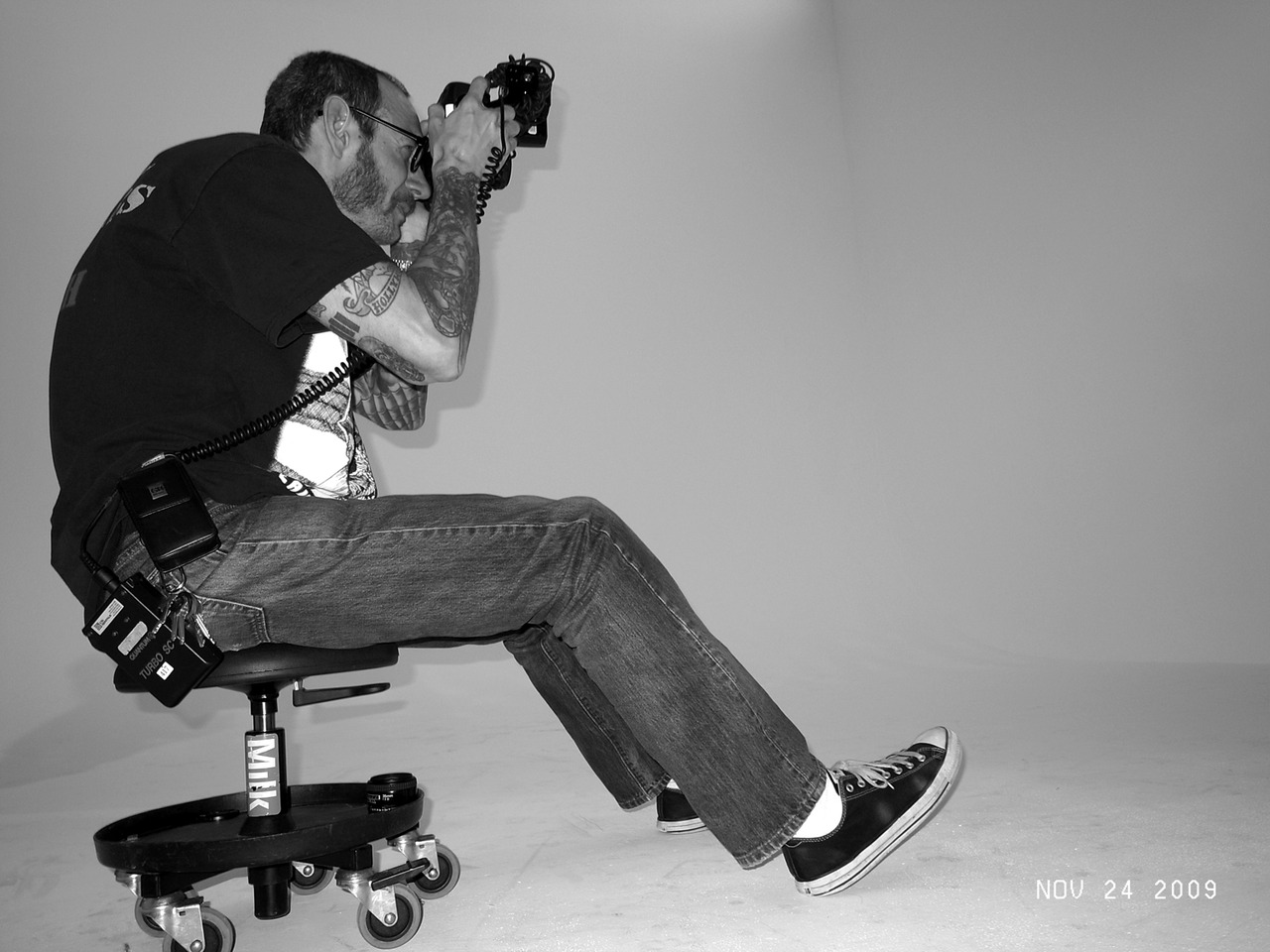
- The "Terry" Persona: Richardson often appeared in his own photos, usually wearing his signature aviator glasses, flannel shirts, and giving a "thumbs up." This turned the photographer into a brand just as recognizable as the models he shot.
By 2026, many digital filters and mobile photography apps have emulated this look, but in the late 90s, it was a radical departure from the soft-focus elegance of traditional editorial work. It allowed for a sense of "realness" that resonated with a younger, more cynical generation of consumers.
The Rise of "Porno-Chic" and Commercial Dominance
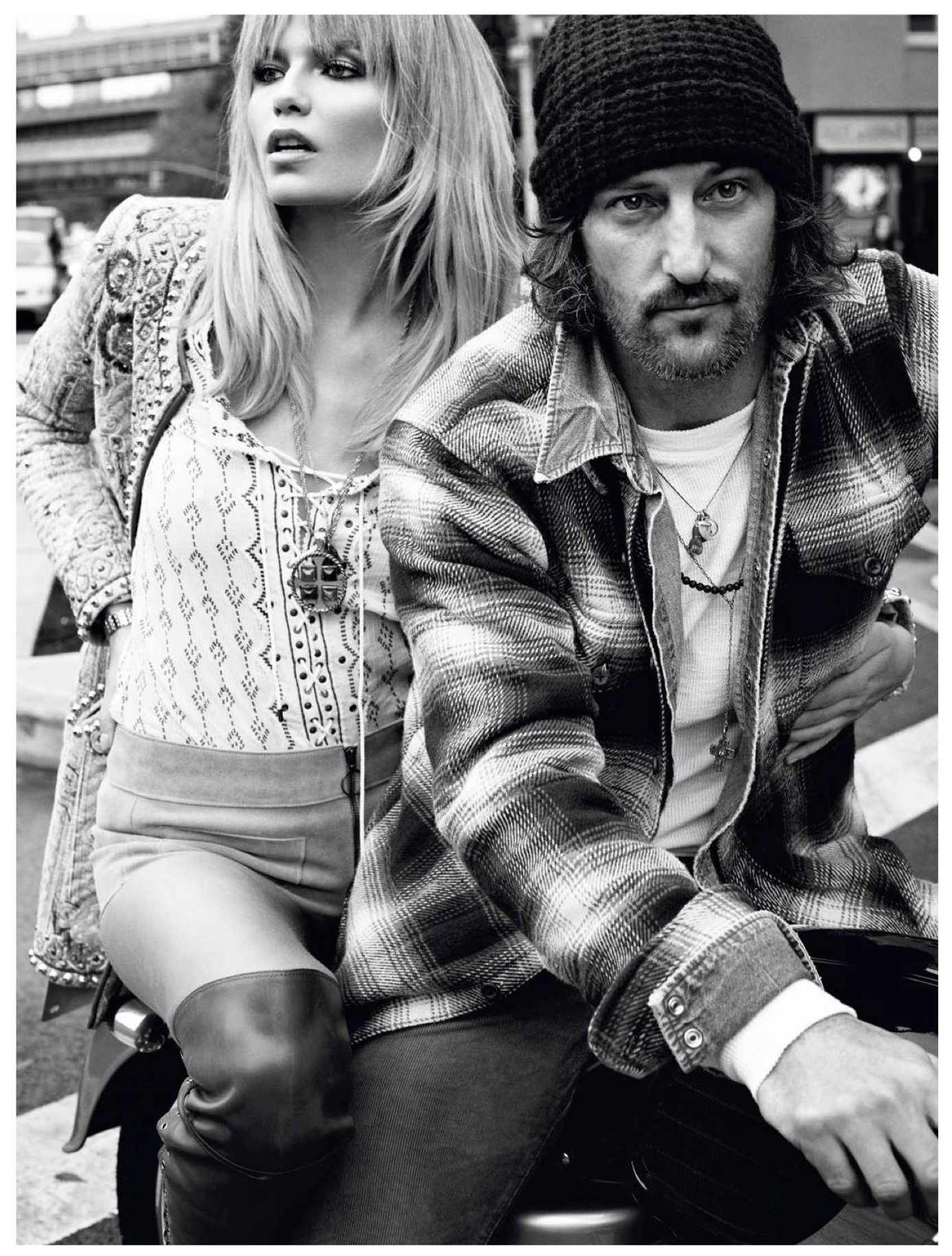
Richardson’s career hit its zenith in the early to mid-2000s, an era often referred to in fashion history as the "porno-chic" period. Working closely with creative directors like Tom Ford at Gucci and brands like Sisley, Richardson pushed the boundaries of what was acceptable in mainstream advertising. His campaigns were frequently banned or censored for their explicit sexual content, which only served to increase their cultural currency.
His collaboration with Sisley is particularly noteworthy. Throughout the 2000s, Richardson produced a series of advertisements that blurred the line between fashion and adult film. These images often featured models in compromising positions or engaged in provocative acts, utilizing the raw flash and white background to give the impression of a private, voyeuristic encounter. This strategy was highly effective for the brand, as it generated massive press coverage and established Sisley as a provocative, "edgy" alternative to traditional luxury labels.
Beyond commercial campaigns, Richardson became the go-to portraitist for the burgeoning celebrity culture of the internet age. He photographed everyone from Barack Obama and Amy Winehouse to Lady Gaga and Miley Cyrus. His 2013 music video for Cyrus’s "Wrecking Ball" remains one of the most-viewed pieces of media he ever produced, showcasing his ability to translate his photographic style into moving images.
| Feature | Terry Richardson Style | Traditional Fashion Photography |
|---|---|---|
| Primary Camera | 35mm Point-and-Shoot (Yashica T4) | Medium/Large Format Digital |
| Lighting | Hard, Direct Flash | Diffused, Multi-Point Lighting |
| Background | Minimalist White / Real Locations | Elaborate Sets / Scenics |
| Subject Interaction | Raw, Provocative, Spontaneous | Posed, Elegant, Controlled |
| Post-Production | High Contrast, Natural Grain | Heavy Retouching, Skin Smoothing |
Institutional Power and the Editorial Machine
For years, Richardson was a staple of the most prestigious fashion publications in the world. He was a frequent contributor to Vogue (US, Paris, and Italy), Harper's Bazaar, and GQ. His ability to deliver high-impact imagery that drove engagement made him a favorite of editors like Anna Wintour and Carine Roitfeld.
This institutional support was crucial. In the fashion industry, a photographer’s power is derived from their "book"—the collection of work published in top-tier magazines. Because Richardson was consistently booked by the world’s most powerful editors, he maintained a level of "untouchability." Despite rumors of misconduct that began circulating as early as the mid-2000s on fashion blogs and industry forums, his commercial success shielded him from professional consequences for over a decade.
The business model of fashion at the time relied on "shock and awe." Richardson provided the shock, and the magazines provided the platform. This symbiotic relationship defined the aesthetic of an entire era of print media.
The Downfall: Allegations and the 2017 Industry Ban
The tide began to turn significantly in 2017, coinciding with the rise of the global #MeToo movement. While allegations of predatory behavior and sexual misconduct had been leveled against Richardson for years, they were often dismissed as "part of the art" or "consensual provocations." However, as the culture shifted toward believing survivors and demanding accountability in creative industries, the evidence against him became impossible for corporate entities to ignore.
Multiple models came forward with detailed accounts of harassment and coerced sexual acts during photo shoots. These accounts described a "casting couch" environment where the line between professional work and personal violation was intentionally blurred. In October 2017, the executive vice president and chief operating officer of Condé Nast, James Woolhouse, sent an internal email stating that the company would no longer work with Richardson and that any unpublished work already commissioned should be killed or replaced.
This was a watershed moment. Shortly after the Condé Nast announcement, other major brands and publications followed suit:
- Valentino and Bulgari publicly cut ties.
- Hearst Magazines (Harper's Bazaar, Esquire) ceased collaborations.
- High-street brands like Target and Supreme moved away from his aesthetic.
By 2026, this "blacklisting" remains one of the most significant examples of a high-profile creative professional being removed from the industry due to ethical violations rather than a loss of talent or relevance.
Legacy and the Visual Language of 2026
Even in 2026, the influence of Terry Richardson’s work is visible, though often uncredited. The "Lo-Fi" aesthetic that dominates social media platforms like Instagram and TikTok owes a debt to the snapshot style he popularized. The use of direct flash on mobile phones and the preference for "unfiltered" or "authentic" content are direct descendants of the visual rebellion he started in the 90s.
However, his legacy is fundamentally fractured. In contemporary photography education and art history, Richardson is often taught as a cautionary tale. He represents the "Golden Age" of the photographer-as-dictator—a period where creative genius was used as a shield for predatory behavior. The industry has since moved toward more collaborative, respectful, and transparent production standards, including the widespread adoption of "Inimacy Coordinators" and strict codes of conduct on sets.
While his images remain part of the historical record of 2000s pop culture, they are now viewed through a lens of critical scrutiny. The "Terryworld" he built—a place of supposed freedom and hedonism—is now largely recognized by the public and the industry as a site of systemic power imbalance.
Frequently Asked Questions
Is Terry Richardson still working as a fashion photographer?
As of 2026, Terry Richardson is effectively retired from the mainstream fashion industry. Following the 2017 ban by Condé Nast and other major publishing houses, he has not shot for major international magazines or luxury brand campaigns. While he may still engage in private projects or independent art, his influence in professional fashion circles has vanished.
What camera did Terry Richardson use for his famous shots?
Richardson is most famous for using the Yashica T4 Super, a 35mm film point-and-shoot camera with a Carl Zeiss lens. He preferred this camera for its portability and its high-quality integrated flash, which allowed him to capture his signature "snapshot" look without the need for traditional studio lighting equipment.
Why was Terry Richardson banned from Vogue?
In 2017, Condé Nast (the parent company of Vogue) issued an internal mandate to stop working with Richardson. This decision was driven by the cumulative weight of numerous allegations of sexual misconduct and predatory behavior on his sets. The move was part of a broader industry shift toward accountability during the #MeToo era.
How did Terry Richardson influence modern photography?
Richardson popularized the "raw" aesthetic—direct flash, white backgrounds, and a lack of traditional retouching. This style paved the way for the "authentic" look of early digital social media. His work shifted fashion photography away from the theatrical and toward a gritty, immediate, and documentary-style approach.
Who was Terry Richardson’s father?
His father was Bob Richardson, a highly influential fashion photographer of the 1960s and 70s. Bob Richardson was known for his gritty, narrative-driven work that often explored themes of sex and drugs, significantly influencing Terry's own provocative style and career path.
Final Recommendation for Students and Professionals
For those studying the history of fashion photography, Terry Richardson’s work provides a vital study in the power of branding and the evolution of the "male gaze" in media. While his technical simplicity is worth analyzing for its efficiency and impact, contemporary professionals are encouraged to focus on the ethical standards and collaborative models that have replaced the era he represented. Aspiring photographers should look toward modern icons who achieve high-impact visual results through mutual respect and professional transparency.
Image Gallery