What Is Inside a Canada Goose Jacket? A Technical Deep Dive
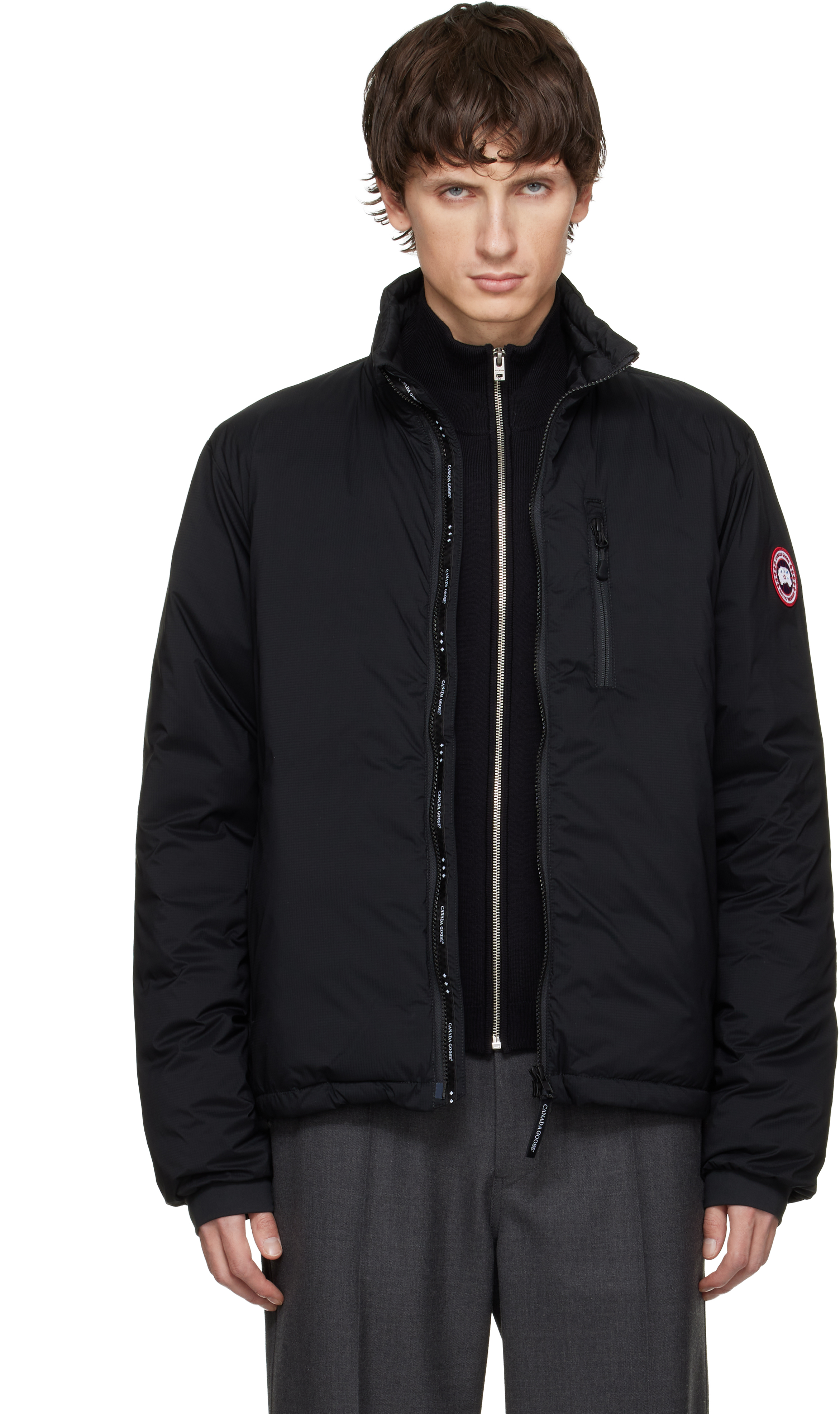
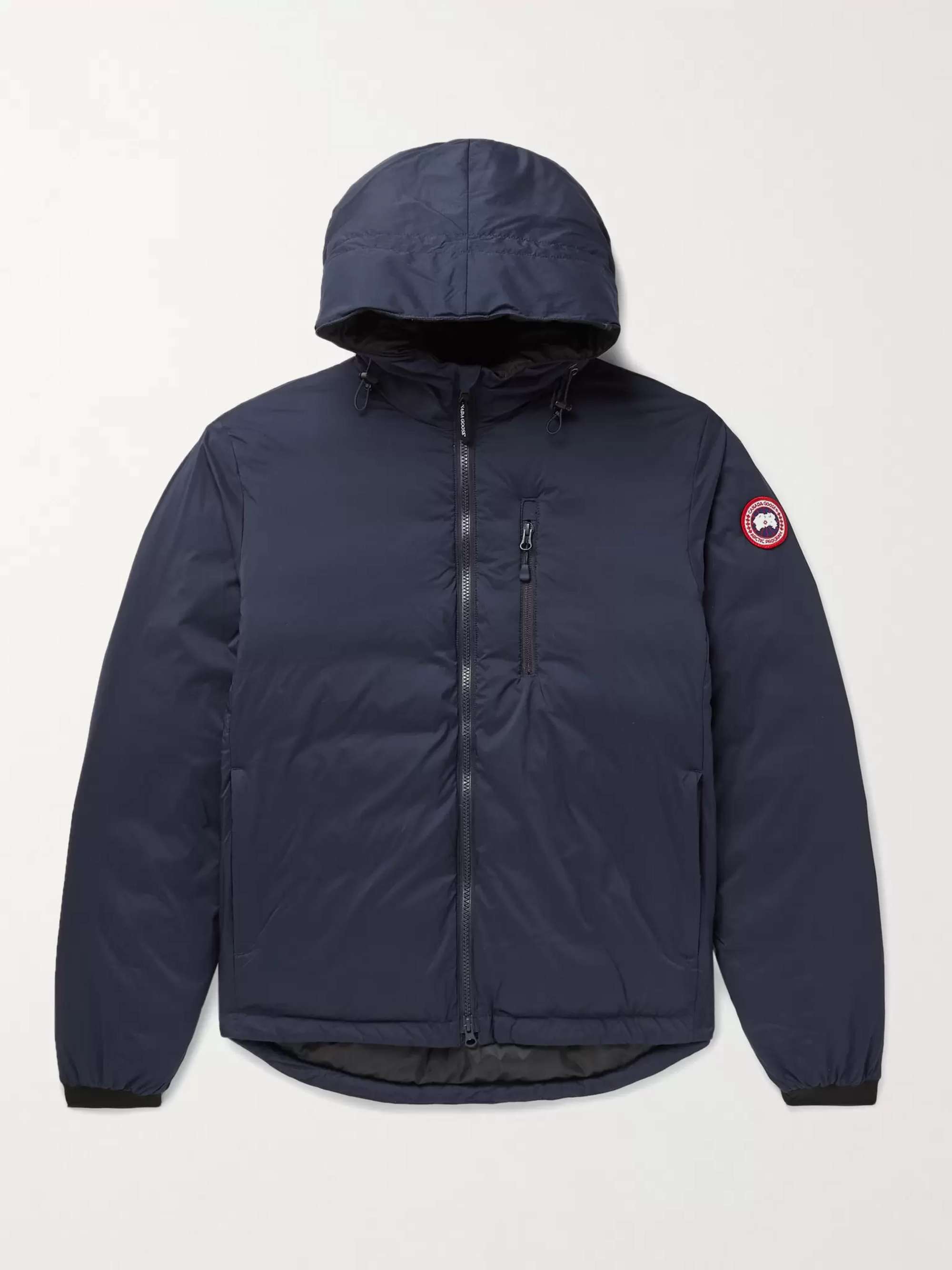
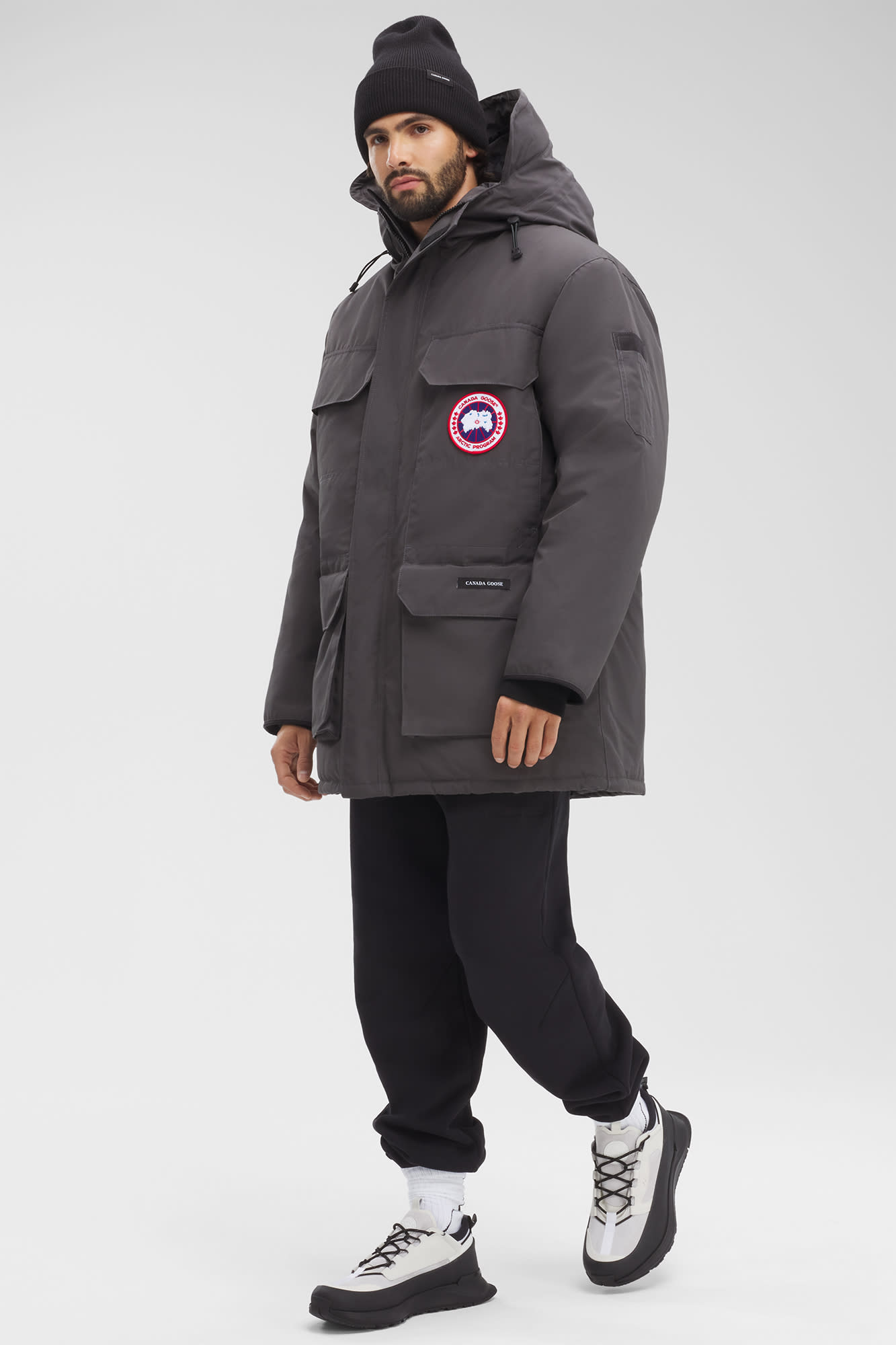
A Canada Goose jacket contains high-quality Hutterite down—primarily white duck down—encased in a durable "Arctic Tech" outer shell made from a blend of polyester and cotton. These jackets also feature heavy-duty YKK zippers, fleece-li...
A Canada Goose jacket contains high-quality Hutterite down—primarily white duck down—encased in a durable "Arctic Tech" outer shell made from a blend of polyester and cotton. These jackets also feature heavy-duty YKK zippers, fleece-lined pockets, and, depending on the specific model, reclaimed fur or high-performance synthetic ruffs designed for extreme thermal protection.
Contents
For decades, the Canada Goose parka has served as the unofficial uniform for researchers at the South Pole and commuters in the world’s coldest cities. While the brand has evolved into a global luxury powerhouse, the internal components remain engineered for survival. As of 2026, the construction reflects a sophisticated balance between traditional insulation techniques and modern sustainable textile engineering. To understand why these garments command such high price points, one must look past the iconic red, white, and blue disc and examine the specific materials, hardware, and structural engineering hidden within the layers.
The Core Insulation: Hutterite Down and Fill Power
The primary source of warmth in a Canada Goose jacket is down insulation. Contrary to what the brand name implies, the majority of Canada Goose jackets are filled with high-quality white duck down rather than goose down. The brand sources its down from the Hutterite communities in Western Canada, which are renowned for producing some of the highest-quality down in the world.
Understanding Fill Power
In the context of 2026 standards, Canada Goose continues to utilize "Fill Power" as its primary metric for insulation efficiency. Fill power measures the "loft" or fluffiness of the down. Specifically, it represents the number of cubic inches one ounce of down can displace.
- 625 Fill Power: Found in the classic Expedition and Langford parkas. It offers a balance of weight and extreme warmth.
- 675–750 Fill Power: Used in lighter-weight styles or premium black-label editions where a higher warmth-to-weight ratio is required.
- 800 Fill Power: Reserved for the most technical or lightweight "HyBridge" series, providing maximum warmth with minimal bulk.
Why Duck Down Instead of Goose Down?
The choice of duck down over goose down is often a point of confusion for consumers. Technically, mature duck down from Hutterite farms can provide insulation properties identical to goose down. Because the down clusters are harvested from older, more mature birds, they possess a higher density of interlocking filaments that trap air more effectively. This trapped air creates a thermal barrier that prevents body heat from escaping and cold air from penetrating the core.
The Outer Shell: Arctic Tech and Fabric Engineering
The "inside" of the jacket is protected by a sophisticated outer shell. The signature fabric used in the majority of their parkas is known as Arctic Tech. This is a proprietary textile engineered to stay dry in extreme conditions and climates.
Arctic Tech Composition
Arctic Tech is a "heritage" fabric composed of 85% polyester and 15% cotton. This specific ratio is critical for several reasons:
- Durability: The high polyester content provides high abrasion resistance, ensuring the jacket does not tear when brushed against ice or rough surfaces.
- Water Repellency: The fabric is treated with a Durable Water Repellent (DWR) coating. In 2026, these coatings have shifted toward PFC-free (perfluorinated chemical) formulations to meet global environmental regulations.
- Windproofing: The weave is tight enough to block significant wind chill, which is the primary cause of heat loss in arctic environments.
- The "Patina" Effect: The inclusion of 15% cotton allows the jacket to breathe slightly better than a 100% synthetic garment and gives the fabric its matte finish and distinct structured feel.
Alternative Shells: Dura-Force and Cordura
In more specialized models, Canada Goose utilizes Dura-Force Light, a 100% polyester fabric that provides superior wind protection in a lighter weight, or Cordura reinforcements in high-wear areas like the elbows and cuffs of tactical parkas.
The Role of Fur: Transitioning to 2026 Standards
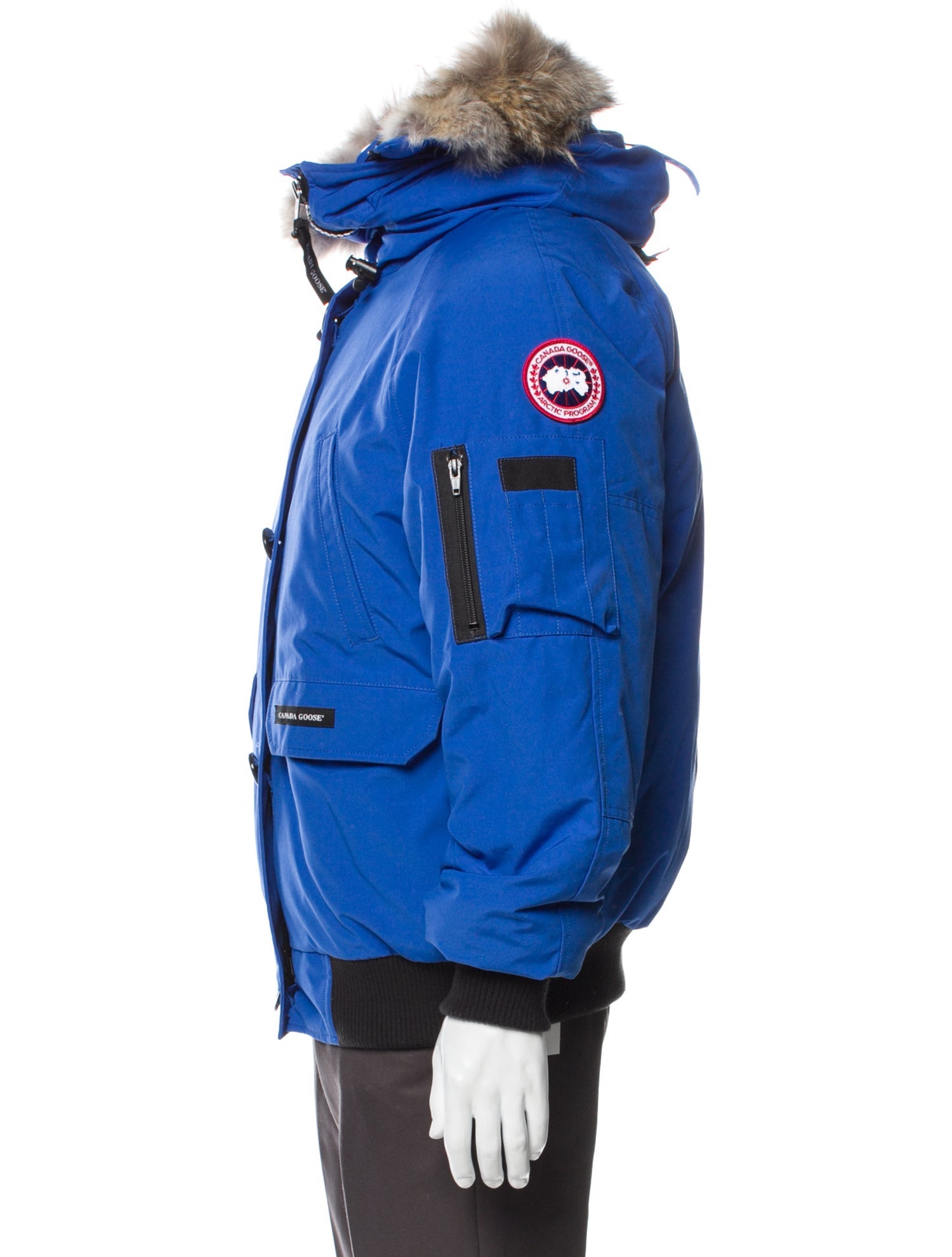
One of the most recognizable components of a Canada Goose parka is the fur ruff surrounding the hood. Historically, the brand used natural coyote fur sourced from Western Canada and the United States. However, following a major sustainability pivot that began in 2021, the materials inside and around the hood have changed significantly.
By 2026, Canada Goose has fully integrated its commitment to ending the purchase of new fur. The hoods of current models typically feature one of two things:
- Reclaimed Fur: Fur that was already in the supply chain, repurposed to reduce environmental impact while maintaining the functional benefit of disrupting airflow to protect the face from frostbite.
- High-Performance Synthetics: Advanced faux-fur alternatives that mimic the varied fiber lengths of coyote fur to create a similar wind-break effect.
The functional purpose of the fur—whether natural or synthetic—is to create a turbulent boundary layer of air in front of the face. This prevents the "wind-chill" effect from freezing the skin on the cheeks and nose during blizzard conditions.
Internal Hardware and Structural Components
The longevity of a Canada Goose jacket is attributed to the internal hardware that holds the insulation and shell together.
Zippers and Fasteners
Every heavy-duty parka uses YKK zippers, specifically the 2-way locking vision zippers. These are designed to be operated while wearing bulky gloves. The 2-way functionality is not just a convenience; it allows the wearer to unzip from the bottom to provide a greater range of motion for sitting or climbing while keeping the torso protected.
Lining and Scrim
The internal lining is typically a water-repellent nylon or polyester ripstop. Inside the baffles (the "pockets" that hold the down), there is often a secondary layer called a scrim. This ultra-thin fabric prevents the down feathers from poking through the outer shell or the inner lining, a common issue in lower-quality down jackets.
Heavy-Duty Rib-Knit Cuffs
Inside the sleeves, Canada Goose hides recessed rib-knit cuffs. These are made from a heavy-duty blend of polyester or wool/nylon. Their purpose is to "seal" the heat inside the sleeves and prevent cold air from rushing up the arms—a feature often overlooked but essential for maintaining core temperature.
Thermal Experience Index (TEI) Comparison
Canada Goose categorizes its jackets using the Thermal Experience Index (TEI). This helps consumers understand which internal components are optimized for specific temperatures.
| TEI Rating | Classification | Temperature Range | Internal Focus |
|---|---|---|---|
| TEI 1 | Lightweight | 5°C / -5°C | Focus on mobility; light down or synthetic fill. |
| TEI 2 | Versatile | 0°C / -15°C | Core warmth; 625-675 fill power duck down. |
| TEI 3 | Fundamental | -10°C / -20°C | Mid-weight; Arctic Tech shell with fleece-lined pockets. |
| TEI 4 | Enduring | -15°C / -25°C | Heavy-duty; includes internal snow skirts and chin guards. |
| TEI 5 | Extreme | -30°C & Below | Field-tested; maximum loft, oversized hoods, and triple-layer baffles. |
Sourcing and Ethical Standards
The materials inside a Canada Goose jacket are subject to the Responsible Down Standard (RDS) and the brand's proprietary HUMANATURE initiative. By 2026, the company has emphasized transparency in its "down-to-consumer" pipeline.
- Traceability: Every jacket contains a specific set of internal tags, including a hologram, which allows the brand (and the consumer) to verify the origin of the down and the authenticity of the garment.
- Sustainability: The internal linings of many 2026 models are now crafted from recycled fibers, and the DWR treatments are prioritized for their lack of harmful environmental persistence.
Frequently Asked Questions
Does Canada Goose use real goose feathers?
Despite the name, Canada Goose primarily uses white duck down in most of its parkas. Duck down is highly efficient and, when sourced from mature birds (like Hutterite ducks), provides insulation comparable to or better than standard goose down. A few elite or limited-edition models may use goose down, but duck down is the standard for the core product line.
Why is there a wire inside the hood?
Many Canada Goose hoods contain a hidden shaping wire. This allows the user to mold the hood's opening to their face. This is crucial in high winds, as it prevents the hood from collapsing and obstructing vision, while also allowing the user to create a "tunnel" of warm air in front of their face.
Is the fur on a Canada Goose jacket still real in 2026?
As of 2026, Canada Goose has stopped purchasing new fur. Many jackets now feature reclaimed fur or high-quality synthetic alternatives. If you purchase a jacket manufactured after 2022, it will either have no fur, synthetic fur, or fur that has been recycled from existing stock rather than newly trapped.
Can you wash a Canada Goose jacket at home?
It is generally not recommended to wash the heavy parkas (Arctic Tech shell) in a home washing machine. The internal down clusters can clump and lose their loft if not dried correctly, and the DWR coating on the shell can be stripped by standard detergents. Professional dry cleaning is the standard recommendation for most models.
How do I know if the "inside" of my jacket is authentic?
Authentic Canada Goose jackets feature a hologram tag sewn into the interior seam. This hologram depicts a polar bear and reflects light with a specific detail level that counterfeiters find difficult to replicate. Additionally, the quality of the YKK zippers and the density of the down (it should feel "springy," not flat) are key indicators of authenticity.
Practical Recommendation
When purchasing or inspecting a Canada Goose jacket, focus on the Fill Power and the TEI rating rather than just the aesthetic. If you live in a region where temperatures rarely drop below -10°C, a TEI 4 or 5 jacket will likely be too warm for active use, leading to perspiration which can eventually dampen the down and reduce its effectiveness. For the average urban winter, a TEI 2 or 3 model provides the best balance of the brand’s signature materials without the excessive bulk of an expedition-grade garment.
Image Gallery