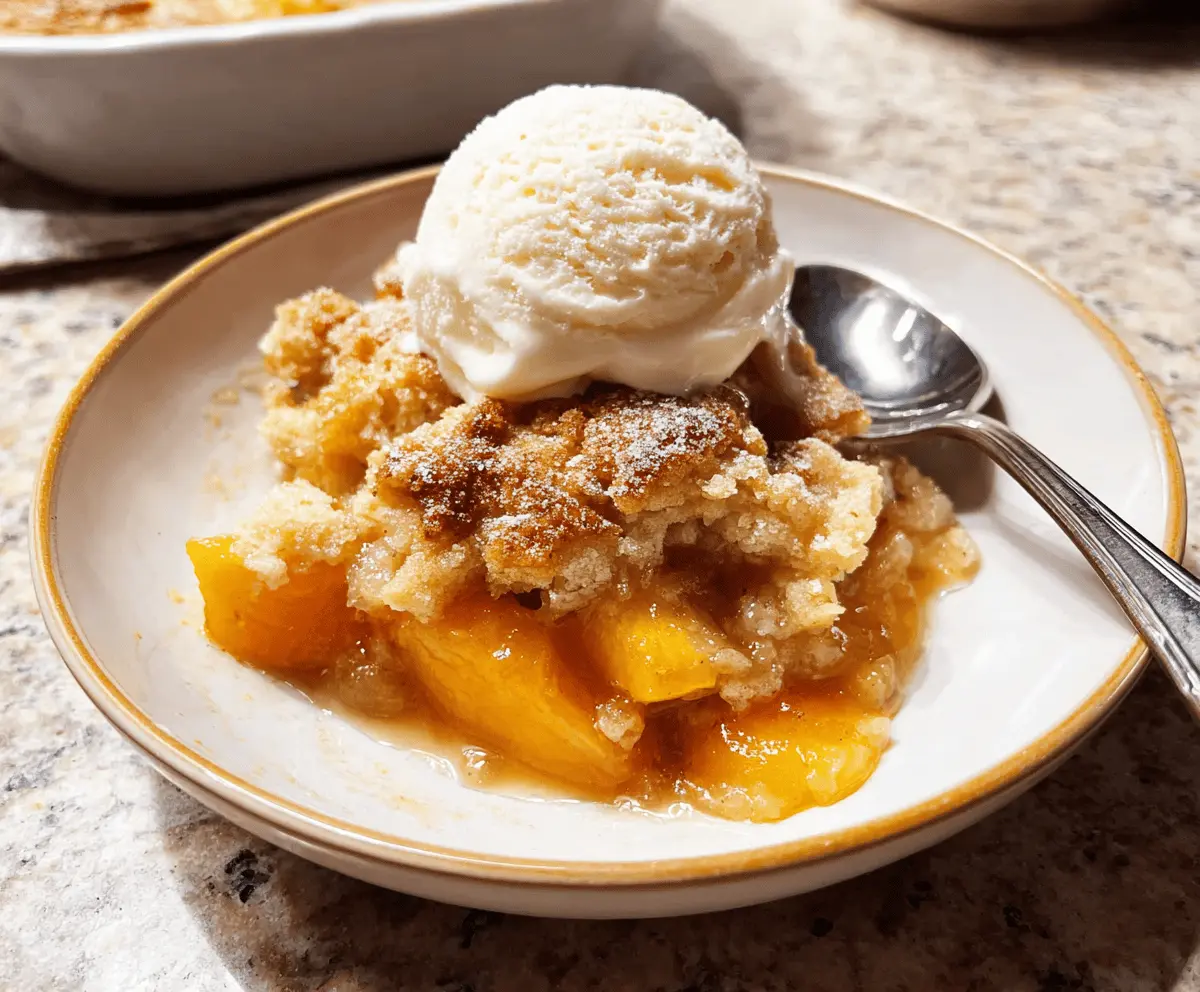
Mastering Peach Cobbler in an Air Fryer
Making peach cobbler in an air fryer is a highly efficient way to achieve the classic contrast of tender, caramelized fruit and a golden-brown biscuit topping without heating your entire oven. By utilizing concentrated convection heat,...
Making peach cobbler in an air fryer is a highly efficient way to achieve the classic contrast of tender, caramelized fruit and a golden-brown biscuit topping without heating your entire oven. By utilizing concentrated convection heat, an air fryer creates a dessert with a crispier crust in significantly less time than conventional methods, making it an ideal solution for small-batch baking and quick cravings.
Contents
Understanding the Air Fryer Baking Process
An air fryer is essentially a high-powered, compact convection oven. When baking a peach cobbler, the internal fan circulates hot air at high speeds, which accelerates the browning of the biscuit topping (the Maillard reaction) while simultaneously breaking down the starches in the peach mixture. Because the heating element is situated very close to the food, the moisture from the fruit generates steam that circulates within the chamber, keeping the peaches juicy while the topping crusts over.
To achieve success, you must use a container that fits within the fryer basket and allows for adequate airflow. Common materials include ramekins, small glass baking dishes, or silicone molds. Because air fryers vary in wattage and internal volume, the primary technical challenge is balancing the cook time to ensure the peaches are bubbling—indicating the starches have thickened—without burning the sugar-rich topping.
Essential Prerequisites and Equipment
Before starting, ensure your air fryer is clean. Residue from previous savory meals can impart unwanted odors to your dessert. You will need:
- Heat-Safe Container: A small ceramic or glass dish that leaves at least one inch of space between the edges of the dish and the fryer basket walls.
- Thermometer (Optional): To verify the cobbler is finished, the center should reach approximately 190°F to 200°F.
- Peaches: Fresh, frozen (thawed), or canned peaches are all suitable. If using canned, drain the excess syrup to prevent a soggy crust.
- Thickening Agent: Cornstarch or flour is necessary to thicken the fruit juices. Without this, the cobbler will remain watery.
Step-by-Step Execution
For a standard single-serving or small-batch cobbler, follow these technical steps to ensure even heat distribution:
- Preparation of the Fruit: Toss two cups of sliced peaches with a tablespoon of granulated sugar, a pinch of cinnamon, and one teaspoon of cornstarch. If the peaches are not particularly sweet, add a squeeze of lemon juice to balance the acidity. Place this mixture into your greased baking dish.
- The Topping Assembly: In a separate bowl, mix flour, sugar, a pinch of baking powder, cold butter, and a small amount of milk or cream to create a drop-biscuit consistency. Place small spoonfuls of the batter over the peach mixture. Do not flatten the batter; leaving it textured promotes better browning.
- The Baking Phase: Preheat the air fryer to 340°F (170°C). Place the dish into the basket. Bake for 15 to 20 minutes.
- Verification: Check the cobbler at the 12-minute mark. If the top is browning too quickly, place a small piece of aluminum foil loosely over the dish. The dish is complete when the fruit is bubbling vigorously and the crust is golden brown and firm to the touch.
Comparison of Baking Methods
| Method | Heat Source | Time Required | Texture Outcome |
|---|---|---|---|
| Conventional Oven | Radiant/Convection | 45–60 mins | Soft, uniform crumb |
| Air Fryer | High-Velocity Convection | 15–22 mins | Crisp, caramelized top |
| Microwave | Radiation/Steam | 3–5 mins | Soft, cake-like texture |
Troubleshooting Common Issues
- Raw Topping: This typically occurs if the batter is too thick or if the airflow is restricted. Ensure you are not packing the ramekin too tightly and verify that the heating element is not obstructed.
- Burned Sugar/Crust: If your topping turns dark brown before the peaches underneath are bubbling, lower the temperature to 320°F (160°C) and extend the time. High sugar content in the topping caramelizes very quickly under intense air circulation.
- Watery Filling: This is usually due to inadequate thickening or using peaches with too much excess moisture. Always toss your fruit with a starch before adding the topping to ensure the juices emulsify into a syrup rather than remaining thin.
- Dish Positioning: If you have a larger air fryer, ensure the baking dish is placed in the center of the tray. Placing it too close to the edge may result in uneven cooking where one side of the cobbler finishes before the other.
Safety and Dietary Considerations
When handling hot glassware or ceramic dishes from an air fryer, always use heat-resistant gloves. Because the basket is often at eye level or tucked into a counter, removing a shallow dish containing bubbling sugar syrup presents a risk of burns. Allow the cobbler to rest for at least five minutes after removing it from the unit. This resting period is critical; it allows the thickened fruit juices to set and the biscuit topping to finish steaming through.
If you are managing dietary restrictions, note that gluten-free flour blends work effectively in air fryer recipes, though they may require an additional minute or two of cook time. If reducing sugar, consider that granulated sweeteners are essential for the structural caramelization of the crust; using liquid substitutes may lead to a gummy, under-browned topping.
Frequently Asked Questions
Can I use frozen peaches without thawing them first? Yes, but you must account for the extra water content. If using frozen, increase the cornstarch by a half-teaspoon and add roughly 3–5 minutes to your total cooking time to allow the excess moisture to evaporate.
Do I need to preheat the air fryer? Preheating is highly recommended for baking. Because the total cook time is short, the air fryer needs to be at the target temperature immediately to ensure the leavening agents in the biscuit topping react correctly for a light, airy texture.
Why is my crust soggy on the bottom? Soggy bottoms usually result from overcrowding the dish or an excess of fruit juice. Ensure your fruit-to-starch ratio is accurate and try placing the baking dish on a small rack inside the air fryer basket to encourage airflow beneath the container.
Can I bake multiple servings at once? Only if your air fryer capacity allows for multiple small ramekins to be placed side-by-side without touching. Airflow is the mechanism of heat transfer; if you block the air paths between dishes, the cobbler will steam rather than bake, resulting in a dense, doughy product.
What is the best way to clean the basket after baking? Since cobbler involves sugar, it will caramelize and stick to the basket mesh. Soak the basket in warm, soapy water for ten minutes immediately after the unit cools. Avoid harsh metal scrubbers that can damage the non-stick coating.
Next Steps
To perfect your technique, begin by using a standard recipe based on one cup of fruit per ramekin. Evaluate the results based on your specific appliance's wattage, as higher-wattage units (1700W+) will require lower temperatures or shorter times than 1400W models. Once you are comfortable with the base timing, experiment with different stone fruits, such as nectarines or plums, which share similar moisture profiles and density to peaches.
Image Gallery