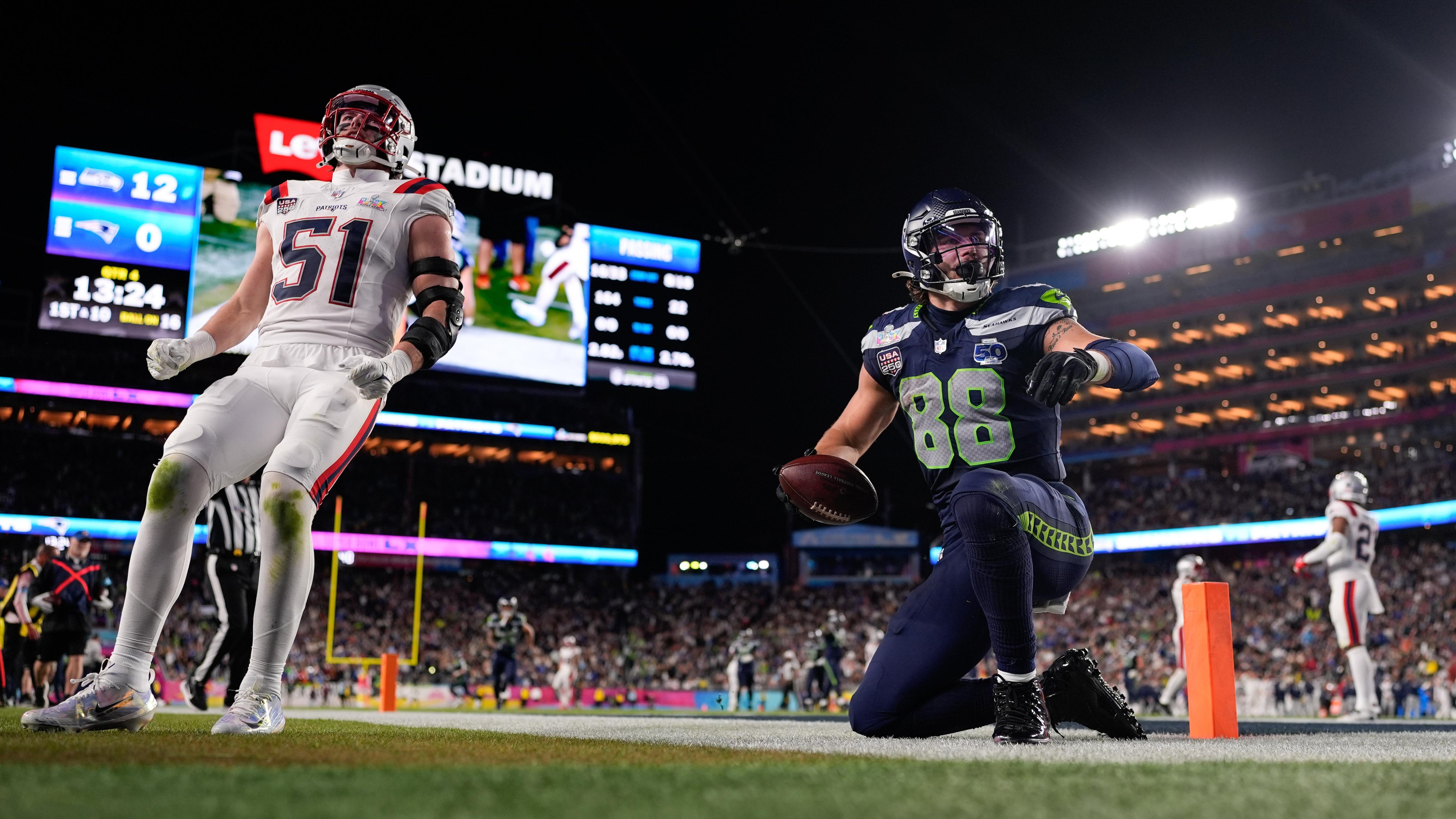
Comprehensive Analysis of First Quarter Super Bowl Scores and Historical Trends
The first quarter Super Bowl score provides a critical early indicator of momentum in the NFL championship game, historically setting the tone for how teams adjust their playcalling. While opening frame points do not strictly predict t...
The first quarter Super Bowl score provides a critical early indicator of momentum in the NFL championship game, historically setting the tone for how teams adjust their playcalling. While opening frame points do not strictly predict the final winner, analyzing historical data reveals fascinating patterns about early-game pacing, defensive strategies, and scoring anomalies across decades of championship play.
Contents
Understanding the Significance of Early Game Pacing in the Big Game
Analyzing the first quarter super bowl score requires looking past the final box score to understand the unique psychological and tactical environment of the NFL championship game. Unlike a standard regular-season matchup, the opening fifteen minutes of the title game carry immense pressure. Coaches often implement scripted plays developed over two weeks of preparation, testing the opponent's defensive alignment while concealing their primary offensive tendencies.
The early-game script is designed to achieve specific milestones: establish offensive rhythm, calm early-game jitters, and force the opposing coaching staff to burn timeouts or alter defensive coverages. Consequently, the first quarter frequently features conservative play-calling mixed with high-risk, high-reward gadget plays intended to catch a well-prepared defense off guard.
Historical Evolution of Opening Quarter Scoring
Over the decades, the frequency and magnitude of points scored in the opening period have evolved alongside changes in NFL rulebooks, offensive philosophies, and roster construction. In the earliest iterations of the championship game, defensive dominance often defined the opening frame. As the sport transitioned into a pass-heavy, high-scoring league, first-quarter dynamics shifted toward aggressive aerial attacks.
- Defensive Consolidation: Early decades frequently saw scoreless first quarters as both squads adjusted to the immense stadium atmosphere and probed for structural weaknesses.
- Scripted Success: Modern offensive coordinators rely heavily on their first 15 scripted plays to maximize efficiency before adjustments can be made from the sideline.
- Turnover Impact: An early turnover in the opening frame drastically alters the expected scoring output, often turning a defensive struggle into an immediate shootout.
Historical First Quarter Super Bowl Score Data and Records
Examining historical records highlights how rare complete shutouts or massive blowouts are in the opening fifteen minutes. The data demonstrates that while early leads are valuable, they rarely guarantee a final victory given the high-level adjustments made by elite coaching staffs during subsequent quarters.
| Super Bowl Era | Average First Quarter Points | Most Common Scoreless Games Frequency | Notable High-Scoring Opening Quarters |
|---|---|---|---|
| 1967 - 1980 | 4.2 Points | Approximately 35% of games | Early matchups featuring explosive AFL/NFL merger offenses. |
| 1981 - 2000 | 5.8 Points | Approximately 20% of games | Dynasty-era matchups with high-powered offensive units. |
| 2001 - Present | 6.5 Points | Approximately 15% of games | Modern rule interpretations favoring explosive passing attacks. |
Reviewing these trends demonstrates a clear trajectory toward higher early-game output. Modern rule implementations protecting receivers and restricting defensive contact have allowed offenses to execute their game plans with greater efficiency right out of the tunnel.
Tactical Breakdown: Scripted Plays Versus In-Game Adjustments
The execution of the first quarter relies heavily on the opening script. Head coaches and offensive coordinators spend the two bye weeks meticulously planning their initial sequence of plays based on extensive analytical scouting reports.
The Mechanics of the Opening Script
- Personnel Grouping Verification: Testing how the defense matches up against specific packages (11 personnel, 12 personnel, empty backfields).
- Coverage Identification: Utilizing motion and shifts to force the defense to reveal whether they are running zone or man-to-man coverages.
- Establishing the Run/Pass Balance: Attempting to force light boxes or test the discipline of edge defenders before committing fully to a primary offensive strategy.
Once these initial exploratory plays are executed, the tactical battle shifts entirely. The first quarter serves essentially as a data-gathering mission. Defensive coordinators analyze blocking schemes, quarterback tendencies, and receiver splits, feeding observations to the coaching booth to formulate adjustments for the second quarter.
Comparing Early Game Leads Versus Final Game Outcomes
A common misconception among casual observers is that securing an early lead dictates the remainder of the contest. Football analytics, however, tell a different story. Below is a comparative analysis of teams leading after the opening frame versus those trailing or tied.
| First Quarter Status | Historical Win Percentage | Strategic Implications for Coaching Staffs |
|---|---|---|
| Leading After Q1 | Approximately 60% - 65% | Allows for a more balanced clock-management strategy, though prone to premature conservatism. |
| Trailing After Q1 | Approximately 35% - 40% | Requires aggressive play-calling, abandoning unproductive rushing schemes, and taking calculated deep-field risks. |
| Tied After Q1 | 50% (Mathematical Baseline) | Amplifies the importance of the middle eight minutes (late second quarter and early third quarter) for securing momentum. |
The data confirms that while leading after the first quarter provides a statistical advantage, the modern era has witnessed numerous historic comebacks where teams overcame multi-score deficits established in the opening frame.
Common Misconceptions Regarding Opening Quarter Analytics
Discussions surrounding the first quarter super bowl score often generate several analytical fallacies. Understanding these misconceptions helps enthusiasts interpret early-game developments accurately without overreacting to small sample sizes.
Misconception: A scoreless first quarter indicates a boring or poorly played game. Fact: A 0-0 score after fifteen minutes frequently highlights elite defensive game-planning, disciplined tackling, and careful chess-match play-calling where both teams are testing structural boundaries rather than struggling offensively.
Misconception: The team that scores first always wins. Fact: Championship history is replete with dramatic reversals where the team giving up the game's opening points ultimately hoists the Lombardi Trophy due to superior halftime adjustments and depth endurance.
Practical Steps for Analyzing Live Opening Quarter Dynamics
For analysts, media members, and fans tracking the game in real time, evaluating the first quarter requires looking beyond the raw numerical score. Observing specific tactical indicators provides a clearer picture of how the rest of the matchup will unfold.
- Monitor Trench Performance: Assess which offensive and defensive lines are winning the point of attack in the running game, as line fatigue becomes a major factor in the second half.
- Track Quarterback Time to Throw: Measure whether pass rushers are forcing quick, hurried check-downs or if the quarterback has adequate time to progress through downfield reads.
- Evaluate Playcalling Tendencies: Note whether the trailing team abandons their running scheme too early, which can make their offense one-dimensional and predictable for elite pass rushers.
- Note Injury and Fatigue Factors: Pay close attention to early substitutions caused by the high-intensity speed of the championship stage, as depth is often tested early.
Conclusion and Strategic Takeaway
The first quarter super bowl score remains one of the most scrutinized data points in sports entertainment, bridging the gap between two weeks of exhaustive preparation and sixty minutes of high-stakes execution. While it provides an invaluable snapshot of initial momentum and tactical success, true championship resilience is ultimately forged through mid-game adjustments, physical endurance, and execution when the pressure peaks in the final minutes.
Image Gallery