Understanding the Townes and Steven Van Zandt Connection
Despite sharing a distinctive surname and a legendary status within American music history, Townes Van Zandt and Steven Van Zandt are not related by blood or marriage. Their connection is entirely coincidental, rooted in Steven’s adopt...
Despite sharing a distinctive surname and a legendary status within American music history, Townes Van Zandt and Steven Van Zandt are not related by blood or marriage. Their connection is entirely coincidental, rooted in Steven’s adoption of his stepfather’s last name and Townes’ descent from a prominent Texas pioneer family.
Contents
The world of music is filled with coincidental surnames that lead fans to assume familial ties where none exist. In the case of the "Van Zandt" name, the confusion is particularly persistent because both men emerged as titans of their respective genres during the late 20th century. While they operated in different musical spheres—Townes in the haunting, poetic world of Texas folk and outlaw country, and Steven in the high-energy arena of Jersey Shore rock and roll—their shared name has created a permanent, if unintentional, link in the public consciousness.
As of 2026, the legacies of both men remain highly influential. Townes Van Zandt is posthumously revered as perhaps the greatest songwriter of his generation, while Steven Van Zandt continues to be a multifaceted force in music, acting, and radio. To understand the connection between them, one must look past the name and into the distinct historical paths that brought these two icons into the American spotlight.
The Lineage of Townes Van Zandt: A Texas Dynasty
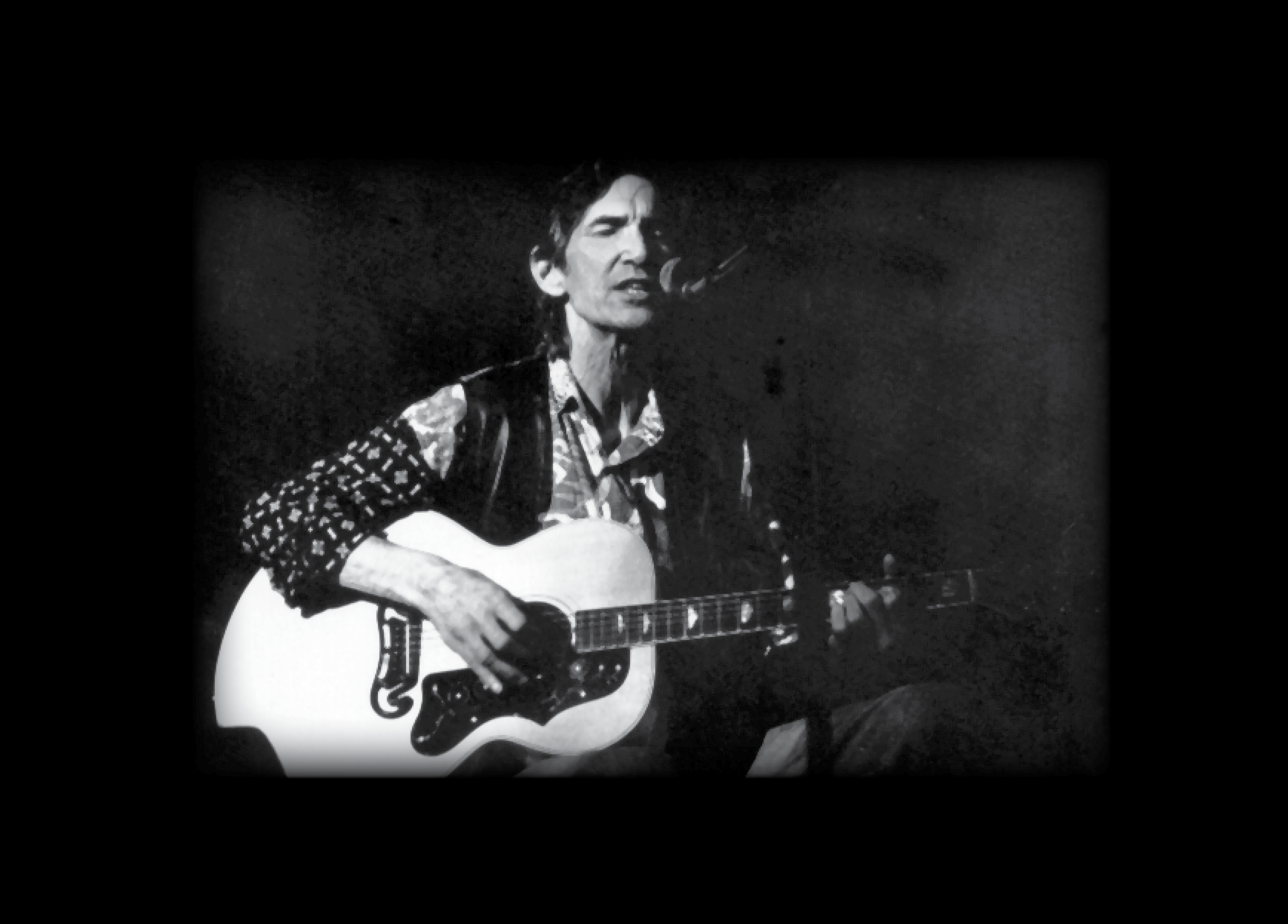
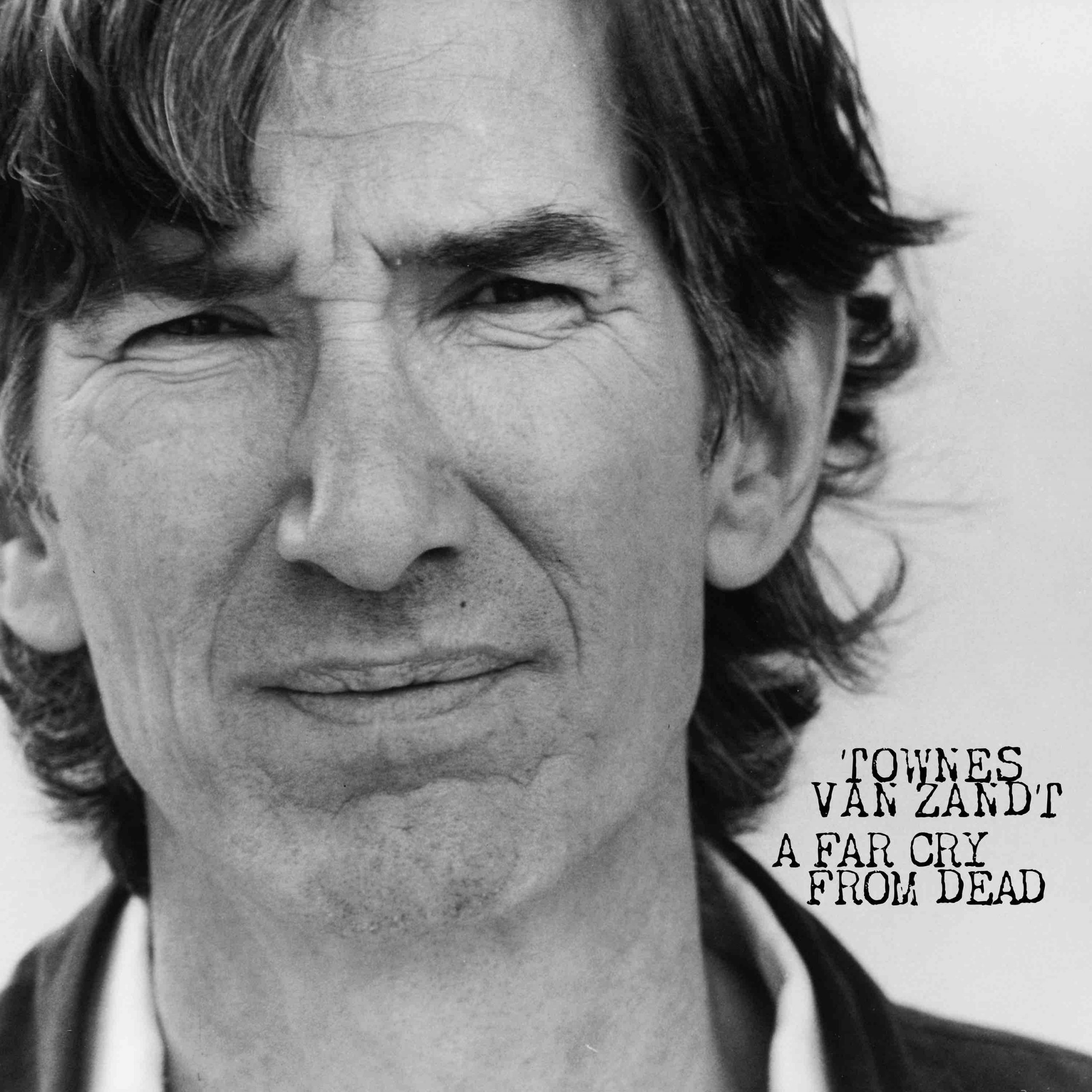
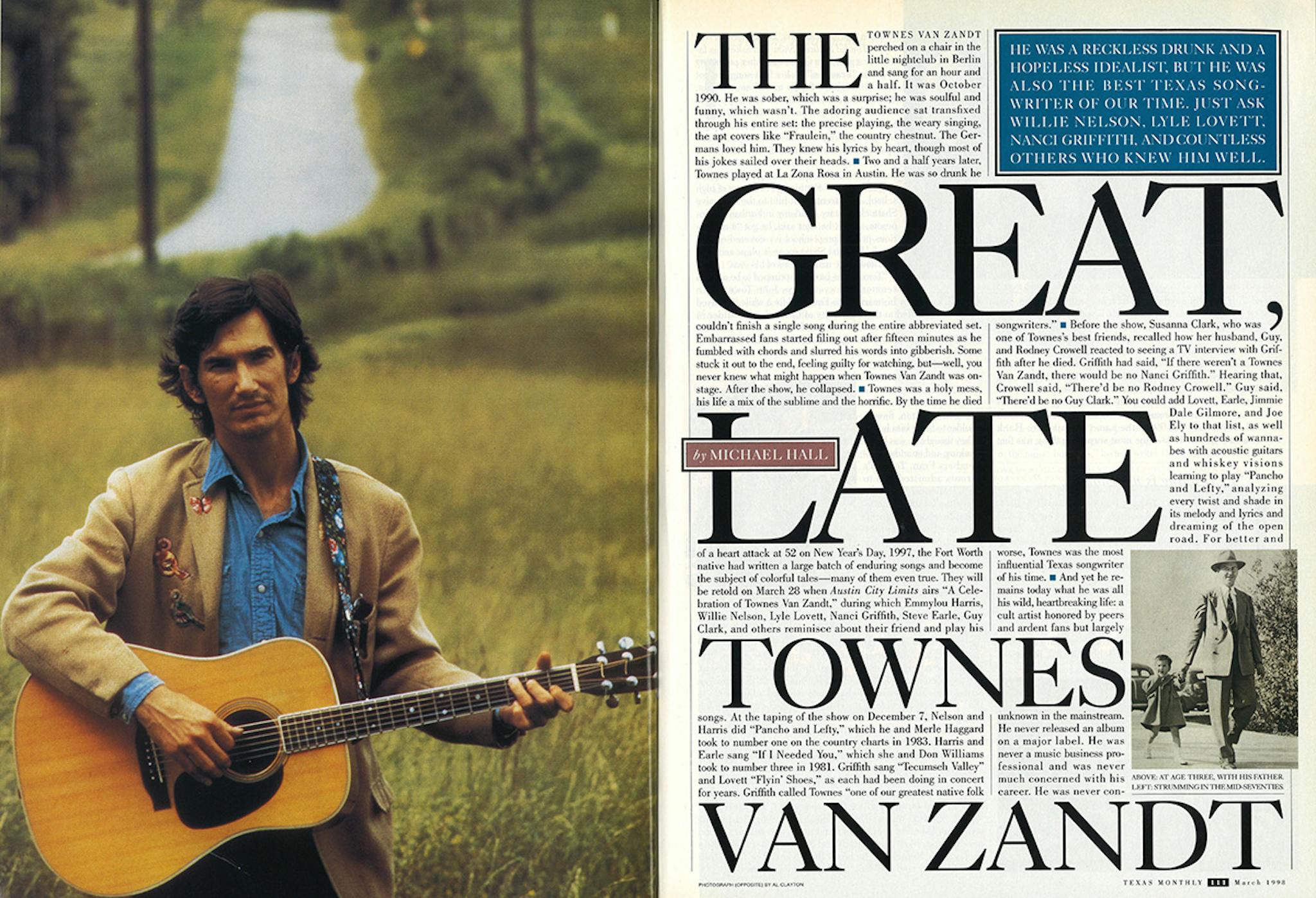
Townes Van Zandt (1944–1997) was born John Townes Van Zandt in Fort Worth, Texas. Unlike many of the "rambling" characters he wrote about, Townes came from a position of significant social standing. The Van Zandt family was one of the most prominent in Texas history. His great-great-grandfather, Isaac Van Zandt, was a leader in the Republic of Texas and a candidate for governor. Van Zandt County in Texas is named in honor of his lineage.
Townes’ upbringing was characterized by frequent moves due to his father’s career as a corporate lawyer, but the family’s roots remained firmly planted in the Texas aristocracy. This background makes his eventual descent into the life of a transient, struggling folk singer all the more striking. He intentionally distanced himself from his family’s wealth and expectations to pursue a "pure" form of songwriting that often dealt with heartbreak, addiction, and the existential struggles of the human condition.
His connection to the name "Van Zandt" was a matter of birthright and deep historical heritage. In the context of his music, the name often felt at odds with his chosen lifestyle, yet it carried a weight of tradition that anchored his identity as a quintessentially Texan artist.
The Origins of Steven Van Zandt: A Name by Choice
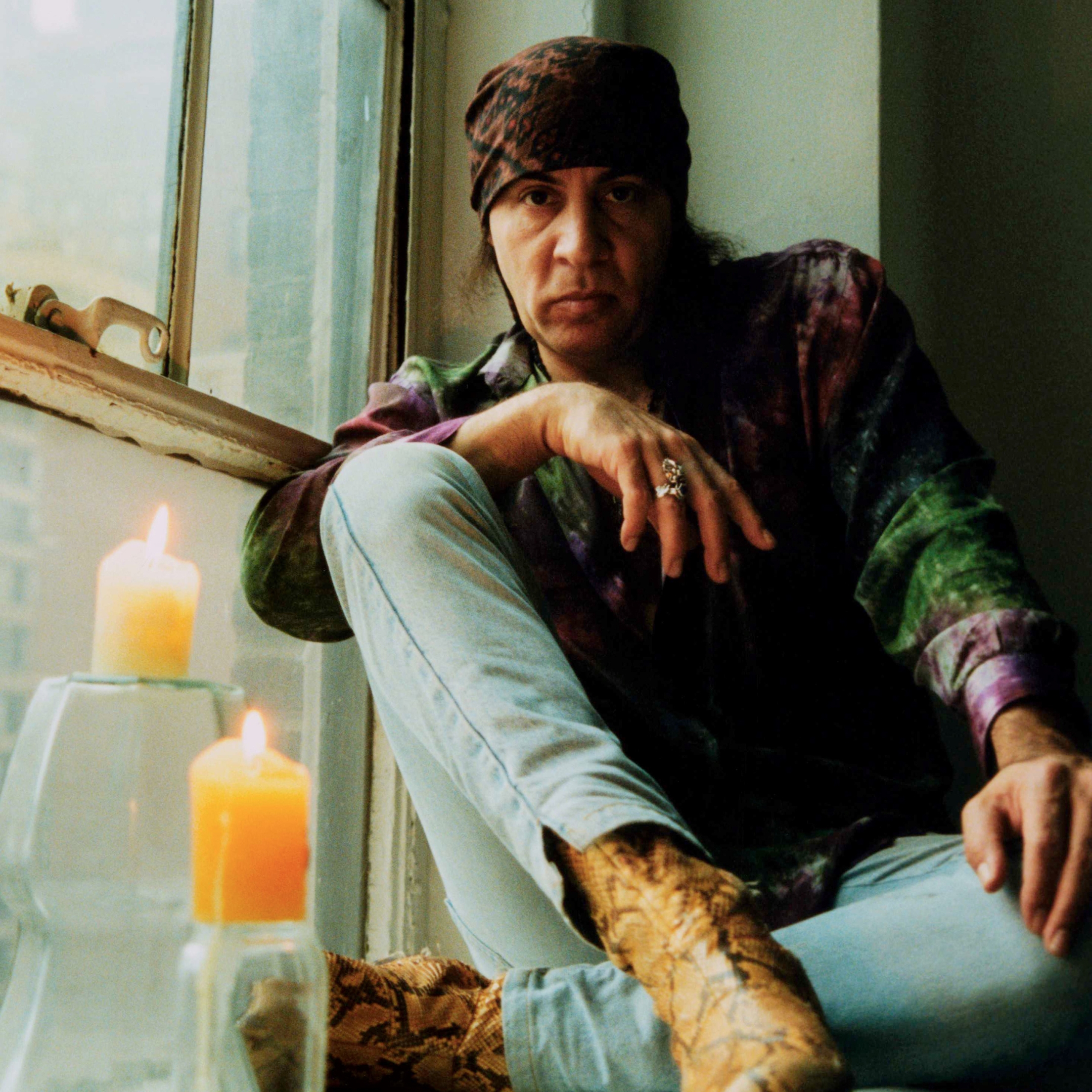
In contrast, Steven Van Zandt’s connection to the name is a result of his family history rather than a multi-generational dynasty. Born Steven Lento in 1950 in Winthrop, Massachusetts, he moved to New Jersey as a child. His mother, Mary Lento, remarried William Van Zandt, who subsequently adopted Steven. Steven took his stepfather’s surname, which he would eventually carry to international fame as a member of Bruce Springsteen’s E Street Band and as a solo artist under the moniker "Little Steven."
The choice to keep the name Van Zandt was professional as much as personal. By the time Steven was establishing himself in the Asbury Park music scene in the 1970s, he was already known by that name. Interestingly, while the name has Dutch origins—just as Townes’ family does—there is no genealogical evidence suggesting that Steven’s stepfather and Townes’ Texas ancestors shared a common branch of the family tree within the last several centuries.
Steven’s career trajectory took him from the bars of New Jersey to the global stage. As a songwriter, producer, and guitarist, he became a central architect of the "Jersey Shore sound." Later, he pivoted to acting, most famously playing Silvio Dante on The Sopranos, and became a vital activist through projects like "Artists United Against Apartheid."
Disambiguating the Three Van Zandts/Zants
One of the primary reasons the "connection" between Townes and Steven requires clarification is the presence of a third, equally famous musical entity with a similar name: the Van Zant family of Jacksonville, Florida.
Ronnie Van Zant, the founding lead singer of Lynyrd Skynyrd, and his brothers Donnie (.38 Special) and Johnny (who later fronted Skynyrd), represent the "Southern Rock" branch of the name. It is important to note the spelling difference: the Florida family uses Van Zant (no 'd'), while Townes and Steven use Van Zandt.
| Artist | Primary Genre | Geographic Root | Name Origin |
|---|---|---|---|
| Townes Van Zandt | Folk / Outlaw Country | Fort Worth, Texas | Birth Name (Pioneer lineage) |
| Steven Van Zandt | Rock / Soul / Garage | Asbury Park, NJ | Adopted Name (Stepfather) |
| Ronnie Van Zant | Southern Rock | Jacksonville, FL | Birth Name |
| JT Van Zandt | Americana / Folk | Austin, Texas | Son of Townes Van Zandt |
This phonetic overlap creates a "perfect storm" of confusion for casual listeners. In many music circles, a fan of Townes’ songwriting might also appreciate the raw grit of Ronnie Van Zant’s lyrics or the rebellious "outlaw" spirit that Steven Van Zandt champions on his radio show, Underground Garage. However, these three entities represent three entirely distinct genealogical lines.
Artistic Intersections: Where the Legacies Meet
While they are not related, Townes and Steven Van Zandt share certain artistic philosophies that have caused their names to appear in the same conversations for decades.
The Outlaw Spirit
Townes Van Zandt is the quintessential "songwriter’s songwriter." His refusal to compromise his vision for commercial success made him a hero to the outlaw country movement. Similarly, Steven Van Zandt has spent much of his career as a "renegade." Whether he was leaving the E Street Band at the height of their fame to pursue political activism or founding his own record label to save "garage rock," Steven has always prioritized artistic integrity over easy industry wins.
Preservation of Tradition
Steven Van Zandt is a noted music historian and preservationist. Through his Rock and Roll Forever Foundation and his radio programming, he works to ensure that the roots of rock, soul, and blues are not forgotten. While Townes was less of an "organizer," his music served a similar purpose: it preserved the storytelling traditions of the American West and the deep blues of the South.
The JT Van Zandt Connection
In recent years, the connection has become slightly more tangled due to the career of JT Van Zandt, Townes’ eldest son. JT is a respected craftsman, musician, and fly-fishing guide who has frequently appeared in media discussing his father’s legacy. Because JT moves in contemporary Americana circles—a genre that Steven Van Zandt often supports through his media platforms—the two names occasionally cross paths in festival lineups or tribute projects.
The Significance of the Name in 2026
As of 2026, the "Van Zandt" name carries a specific weight in the music industry. It has become a shorthand for authenticity. When a listener sees the name, they generally expect music that is rooted in tradition, lyrically significant, and independent of temporary pop trends.
Steven Van Zandt remains an active figure in 2026, continuing his work with the E Street Band and expanding his educational initiatives. Meanwhile, Townes Van Zandt’s influence is perhaps larger now than it was during his lifetime. His songs like "Pancho and Lefty," "Waitin' Around to Die," and "If I Needed You" are considered standards of the American songbook, covered by everyone from Emmylou Harris to Bob Dylan.
The lack of a biological connection does not diminish the fact that both men have contributed to a shared American cultural fabric. They are two different sides of the same coin: one representing the solitary, poetic soul of the wandering minstrel, and the other representing the communal, explosive power of rock and roll.
Frequently Asked Questions
Are Townes Van Zandt and Steven Van Zandt brothers?
No. Townes Van Zandt was born in Texas to the prominent Van Zandt family, while Steven Van Zandt was born Steven Lento in Massachusetts and took the name of his stepfather after moving to New Jersey. There is no sibling or cousin relationship between them.
Did Steven Van Zandt ever play with Townes Van Zandt?
There is no public record of the two performing together. Their career peaks and musical circles were quite different; Townes spent much of his time in the folk and country scenes of Austin, Nashville, and Houston, while Steven was primarily based in the Northeast rock scene.
Is the Van Zant family from Lynyrd Skynyrd related to them?
No. The Van Zant family (Ronnie, Donnie, and Johnny) is from Florida. Their name is spelled differently (ending in 't' instead of 'dt'), and they are a separate family unit entirely.
Why do people keep confusing them?
The confusion stems from the rarity and distinctiveness of the name "Van Zandt" combined with both men being iconic figures in the same broad era of American music. Additionally, the rise of "Americana" as a genre has brought folk, country, and rock closer together, leading fans to search for connections between figures with the same surname.
Does Steven Van Zandt acknowledge Townes' music?
Steven Van Zandt is a known polymath of music history. While his radio show Underground Garage focuses primarily on 60s rock, garage, and soul, he has often expressed deep respect for the "outlaw" tradition and songwriters who maintain their independence, a category in which Townes Van Zandt is a central figure.
Practical Recommendation for Fans and Researchers
If you are researching the works of either artist, it is helpful to categorize them by their primary "musical home." For Townes, focus on the Texas singer-songwriter tradition and labels like Poppy or Tomato Records. For Steven, focus on the Jersey Shore scene and his work with the Disciples of Soul or the E Street Band.
When searching for archival footage or rare recordings, always include the first name to avoid algorithm confusion, as digital streaming platforms often struggle to differentiate between "Townes," "Steven," and the "Van Zant" brothers. Understanding that their connection is one of shared nomenclature rather than genetics allows for a better appreciation of their individual contributions to the arts.
Image Gallery