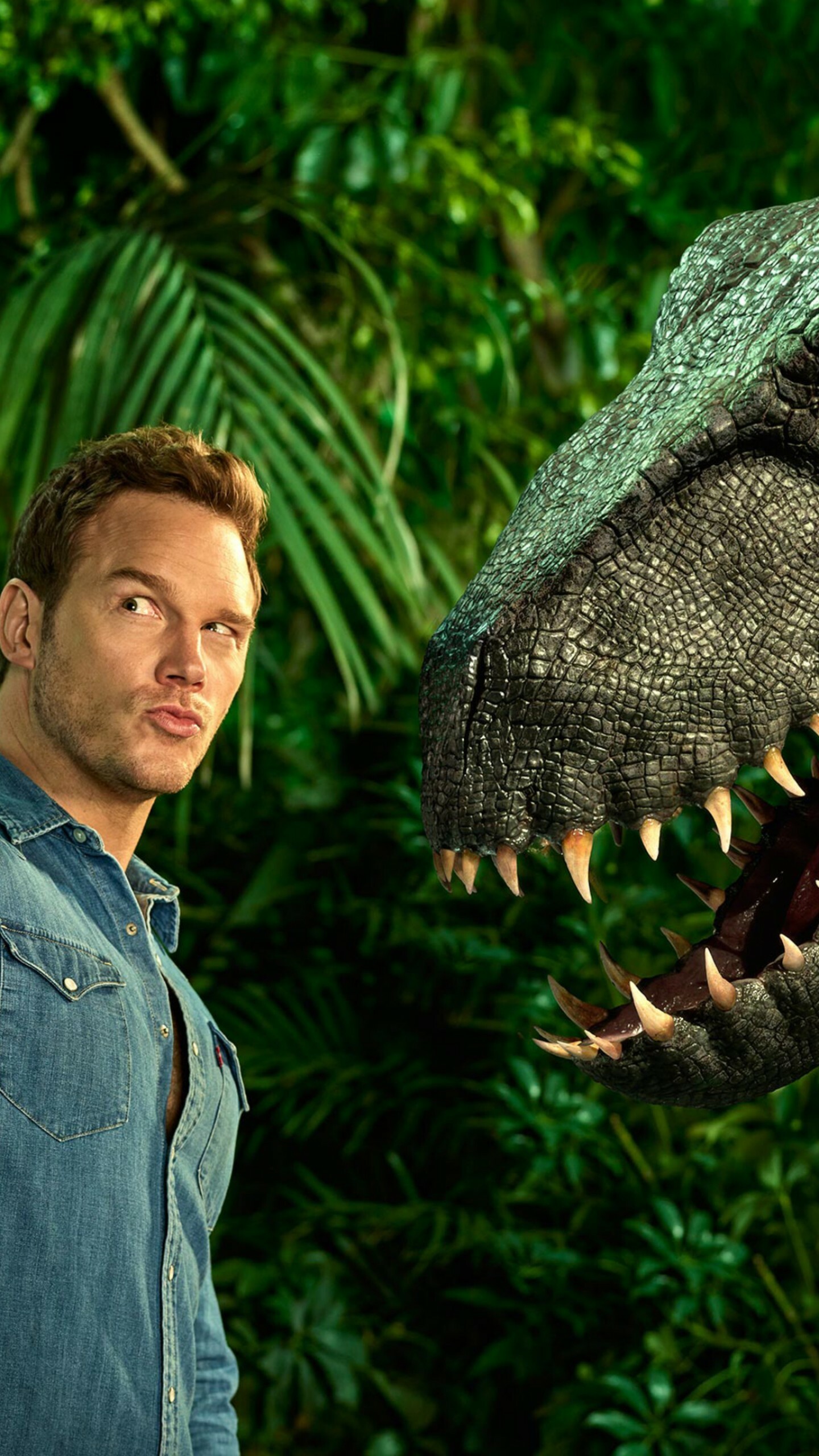
Chris Pratt’s Jurassic World Salary Explained: Earnings, Pay Gaps, and Backend Deals
Chris Pratt earned an estimated $27 million to $30 million in combined base salaries across the Jurassic World trilogy, with total compensation exceeding $40 million when accounting for backend profit participation, merchandise royalti...
Chris Pratt earned an estimated $27 million to $30 million in combined base salaries across the Jurassic World trilogy, with total compensation exceeding $40 million when accounting for backend profit participation, merchandise royalties, and theme park image rights. His earnings scaled significantly from the 2015 reboot through the 2022 finale.
Contents
Breakdown of Chris Pratt’s Earnings Across the Trilogy
Chris Pratt’s financial trajectory throughout the Jurassic World franchise reflects a textbook example of how lead actor compensation evolves in modern Hollywood blockbusters. When Universal Pictures launched the revived franchise, Pratt’s contract structure was tied to his emerging marketability. By the time the trilogy concluded, his earning structure mirrored that of Hollywood’s top-tier box-office leads.
| [2015] Jurassic World | [2018] Fallen Kingdom | [2022] Dominion |
|---|---|---|
| • Base Pay: ~$5 Million | • Base Pay: ~$10 Million | • Base Pay: ~$12M-$14M |
| • Franchise Launch | • Box Office Escalator | • Tier-1 Profit Share |
| • Global: $1.67 Billion | • Global: $1.31 Billion | • Global: $1.00 Billion |
Jurassic World (2015): The Breakthrough Contract
For the first installment, Jurassic World (2015), Pratt received an estimated base salary of $5 million. At the time of signing, Pratt was transitioning from television comedy on NBC's Parks and Recreation to big-budget feature films.
Although Marvel’s Guardians of the Galaxy (2014) established him as a viable action lead, his deal for Jurassic World had already been largely negotiated prior to the massive theatrical success of his Marvel debut. A $5 million upfront paycheck for a franchise lead represented a substantial figure for an actor stepping into a major studio tentpole, but it remained modest relative to the film's ultimate theatrical performance. Jurassic World grossed $1.67 billion worldwide, creating massive leverage for subsequent negotiations.
Jurassic World: Fallen Kingdom (2018): The Mid-Franchise Escalation
Following the historical success of the first film, Pratt secured a significant pay increase for Jurassic World: Fallen Kingdom (2018). Reports indicated his base salary doubled to approximately $10 million.
This bump reflected standard studio practices: when a franchise starter crosses major financial milestones (such as $1 billion globally), original lead actors renegotiate or activate predetermined contract escalators for sequels. In addition to his doubled base salary, Pratt’s compensation began incorporating contingent compensation—commonly referred to as backend points—tied to global box-office thresholds. Fallen Kingdom grossed $1.31 billion globally, triggering additional bonus payouts.
Jurassic World Dominion (2022): Peak Franchise Pay
For the trilogy finale, Jurassic World Dominion (2022), Pratt’s base upfront salary rose to an estimated $12 million to $14 million. By this stage in the franchise, base salaries accounted for only part of total star compensation.
As a primary lead starring alongside returning legacy cast members from the original Jurassic Park (such as Sam Neill, Laura Dern, and Jeff Goldblum), Pratt negotiated lucrative backend participations, digital distribution pools, and licensing royalties. Despite post-pandemic theatrical challenges, Dominion grossed over $1.00 billion worldwide, ensuring that Pratt’s total earnings for the third installment far exceeded his upfront compensation.
How Backend Points, Merchandise, and Theme Parks Expanded Pratt’s Payout
In contemporary film accounting, an A-list actor's upfront base salary often represents only a fraction of their total compensation package. For high-earning franchises like Jurassic World, multi-platform exploitation generates long-term revenues that far outstrip standard theatrical ticket sales.
- TOTAL FRANCHISE COMPENSATION POOL
- Base Salaries ($27M - $30M)
- Backend Points (Box-Office %)
- Ancillary Deals (Rides & Toys)
Profit Participation and Box-Office Escalators
Backend compensation operates through profit participation points negotiated into talent contracts. While entry-level actors often receive "net profit points"—which rarely yield payouts due to standard studio accounting practices—established leads like Pratt secure "first-dollar gross" or deferred backend points tied to defined gross revenues.
When Jurassic World films cleared major box-office benchmarks ($500 million, $1 billion), contract clauses triggered multi-million-dollar bonuses. Combined across all three films, backend participation added an estimated $10 million to $15 million to Pratt's baseline income.
Ancillary Revenue: Toys, Video Games, and Licensing
The Jurassic World intellectual property extends deep into consumer products. As Owen Grady, Pratt’s likeness appears on:
- Lego building sets and Hasbro/Mattel action figures
- Console video games such as Jurassic World Evolution
- Apparel, publishing, and digital media applications
Standard principal talent agreements grant studios likeness rights for promotional merchandise, but top-tier stars retain licensing representative caps. These clauses guarantee a percentage payout on all physical consumer goods and digital media bearing the actor's exact physical likeness.
Universal Studios Theme Park Attractions
Universal Destinations & Experiences integrated the Jurassic World brand into its global theme parks, notably upgrading classic attractions into Jurassic World: The Ride at Universal Studios Hollywood and constructing the VelociCoaster at Universal Orlando Resort.
Filming dedicated media content for theme park attractions, voice-over work, and perpetual likeness rights in ride infrastructure command separate compensation agreements under Screen Actors Guild (SAG-AFTRA) interactive and theme park guidelines. Industry reports indicate these attraction commitments added mid-six-figure to low-seven-figure payouts for the primary cast.
The Gender Pay Gap Controversy and Bryce Dallas Howard’s Salary Disclosure
The financial discussion surrounding Jurassic World extended beyond Pratt's earnings into a broader public debate regarding industry gender pay disparities, centered on his co-star Bryce Dallas Howard (who played Claire Dearing).
Original Media Reports vs. Reality
In 2018, initial industry reports indicated that Howard earned $8 million for Jurassic World: Fallen Kingdom, compared to Pratt’s $10 million—a $2 million pay gap. However, in an August 2022 interview with Insider, Howard clarified that the actual wage gap was significantly wider.
Howard explained that when the original trilogy contracts were negotiated in 2014, she committed to a three-picture deal locking in her compensation before her leverage reached its peak. At that point in time, Pratt’s career momentum gave him stronger negotiating standing, leading to a substantial discrepancy in their baseline salaries that persisted across the trilogy.
| Pay Disparity & Equalization Structure | Details |
|---|---|
| Reported 2018 Base Salary Gap | Pratt ~$10M | Howard ~$8M (Reported) |
| Actual Contract Baseline Gap | Significantly wider than reported media figures |
| Pratt's Intervention Area | • Theme Park Attractions• Video Game Voice/Likeness• Consumer Merchandise & Toys |
| Outcome | Howard achieved parity on secondary revenue streams |
Pratt’s Actionable Intervention for Ancillary Parity
Howard publicly noted that once the disparity in contract baselines was recognized, Chris Pratt actively intervened to ensure she achieved parity across secondary income streams that were not bound by the original 2014 film contract.
Because ancillary extensions—such as theme park rides, video games, and new licensing deals—were negotiated separately as the franchise grew, Pratt pushed Universal executives to grant Howard equal percentage cuts on those revenue channels.
"Chris and I have discussed it... he literally told me, 'You guys don’t even have to do anything. I’m gonna do all the negotiating. We’re getting paid the same and you’re going to get paid more than me, because this is not fair,'" Howard stated in 2022.
This collaborative approach enabled Howard to secure significantly higher earnings from secondary franchise revenues than her initial film contract had guaranteed, offering a practical model for co-stars addressing historical contract imbalances.
Comparative Analysis: Jurassic World vs. Hollywood Blockbuster Standards
To evaluate Chris Pratt’s compensation, it helps to compare his earnings with those of other major franchise leads in contemporary Hollywood blockbusters.
| Actor / Franchise Lead | Film / Property | Estimated Base Salary | Estimated Total Pay (Inc. Backend) | Global Box Office |
|---|---|---|---|---|
| Chris Pratt | Jurassic World (2015) | $5 Million | $8 Million - $10 Million | $1.67 Billion |
| Chris Pratt | Jurassic World: Fallen Kingdom (2018) | $10 Million | $14 Million - $16 Million | $1.31 Billion |
| Chris Pratt | Jurassic World Dominion (2022) | $12 Million - $14 Million | $18 Million - $22 Million | $1.00 Billion |
| Bryce Dallas Howard | Jurassic World Dominion (2022) | Undisclosed Base (Lower) | Enhanced via Backend Parity | $1.00 Billion |
| Robert Downey Jr. | Avengers: Infinity War (2018) | $20 Million | $75 Million+ | $2.05 Billion |
| Tom Cruise | Top Gun: Maverick (2022) | $12.5 Million | $100 Million+ | $1.49 Billion |
| Ryan Reynolds | Deadpool 2 (2018) | $10 Million | $20 Million+ | $785 Million |
Key Structural Takeaways from the Data
- Upfront vs. Backend Reliance: Unlike veteran stars like Tom Cruise, who take modest upfront base salaries in exchange for high first-dollar gross backend shares, Pratt’s contract followed a standard studio model: rising base salaries combined with milestone-driven backend escalators.
- Franchise Weight vs. Actor Leverage: Pratt’s overall payout reflects the power of established IP. While stars in original films must carry the marketing load entirely on their name, leads in legacy revivals like Jurassic World benefit from built-in franchise appeal, which guarantees high box-office floors and dependable backend performance.
Factors Shaping Blockbuster Salary Structure in Hollywood
Understanding Pratt’s payout requires examining the specific structural forces governing studio contracts in major franchise film production.
- ESTABLISHED FRANCHISE PAY DRIVERS
- Multi-Pic Lock
- Early Option
- Box-Office Tiers
- Escalator Caps
- Global Rights
- Buyouts/Streaming
- Multi-Pic Lock
1. Multi-Picture Option Contracts
Studios rarely sign leads to single-film agreements when launching or reviving a franchise. Standard option agreements lock actors into three-picture deals at fixed or pre-indexed pay steps.
- The Advantage for Studios: Studios prevent actor pay from skyrocketing exponentially if the first movie becomes a runaway smash hit.
- The Drawback for Talent: Actors who sign early, before their star power peaks, can find themselves locked into lower base salaries for sequels relative to the value they generate.
2. Box-Office Bonus Milestones
To balance fixed base salaries, entertainment attorneys construct tier-based bonuses. Common performance milestones include:
- $500 Million Global Box Office: Baseline performance bonus (e.g., $1M cash payout).
- $750 Million Global Box Office: Secondary bonus tier.
- $1 Billion Global Box Office: Top-tier bonus step, often unlocking enhanced percentages on post-theatrical window releases (VOD, streaming, physical media).
3. The Shift from Theatrical to Hybrid/Streaming Distribution
As home entertainment shifted from physical Blu-ray sales to subscription streaming services, contracts evolved. Studios now frequently negotiate guaranteed backend buyouts ("backend buyouts") upfront if a theatrical release window is altered or shared with studio-owned streaming platforms. For Dominion, traditional theatrical windows remained primary, allowing standard gross profit participation structures to function as originally intended.
Frequently Asked Questions
How much did Chris Pratt make in total for the Jurassic World trilogy?
Chris Pratt earned an estimated $27 million to $30 million in combined base upfront salaries across all three Jurassic World films. When including box-office backend points, licensing, merchandise payouts, and theme park image rights, his total franchise earnings exceed $40 million.
Was Chris Pratt paid more than Bryce Dallas Howard?
Yes. Bryce Dallas Howard revealed in 2022 that the pay gap for the trilogy was wider than the initially reported $2 million difference because her original 2014 contract locked in her pay rates prior to the first film's breakout success. However, Pratt intervened to ensure Howard received equal pay on all non-contractual revenue streams, including theme park rides, video games, and licensing deals.
What was Chris Pratt’s salary for the first Jurassic World (2015)?
Chris Pratt was paid an estimated $5 million base salary for the first Jurassic World. This contract was negotiated prior to the massive theatrical run of Guardians of the Galaxy (2014), which established him as a premier global action star.
Did Chris Pratt get backend points for Jurassic World?
Yes. Pratt’s multi-picture agreements included box-office performance escalators and profit participation points. These clauses delivered multi-million-dollar bonus payouts after each film in the trilogy crossed key international box-office thresholds, including the $1 billion global mark.
Why do actor salaries increase so dramatically between franchise sequels?
Studios build contractual escalators into franchise deals to retain key talent and reflect the growing value of established characters. Once a film proves financially successful, actors gain substantial leverage to negotiate higher upfront compensation, larger profit percentages, and extensive licensing royalties for subsequent installments.
Strategic Summary for Talent and Production Accounting
Chris Pratt’s financial experience on the Jurassic World trilogy illustrates how modern Hollywood compensation relies on multi-layered deal structures. Upfront base salaries represent only the baseline of an actor's total potential earnings; long-term financial success depends on negotiating flexible ancillary terms, profit participation points, and equalized licensing rights across all media formats.
As studios expand intellectual properties across theme parks, digital gaming, and consumer products, backend revenue structures will remain critical in determining the true overall earnings of top-tier franchise leads.
Image Gallery