A Guide to Navigating and Sourcing Duff Goldman Cakes Images
Duff Goldman is widely recognized for his innovative approach to pastry arts, characterized by hyper-realistic designs and ambitious structural engineering. High-quality images of his creations serve as essential references for profess...
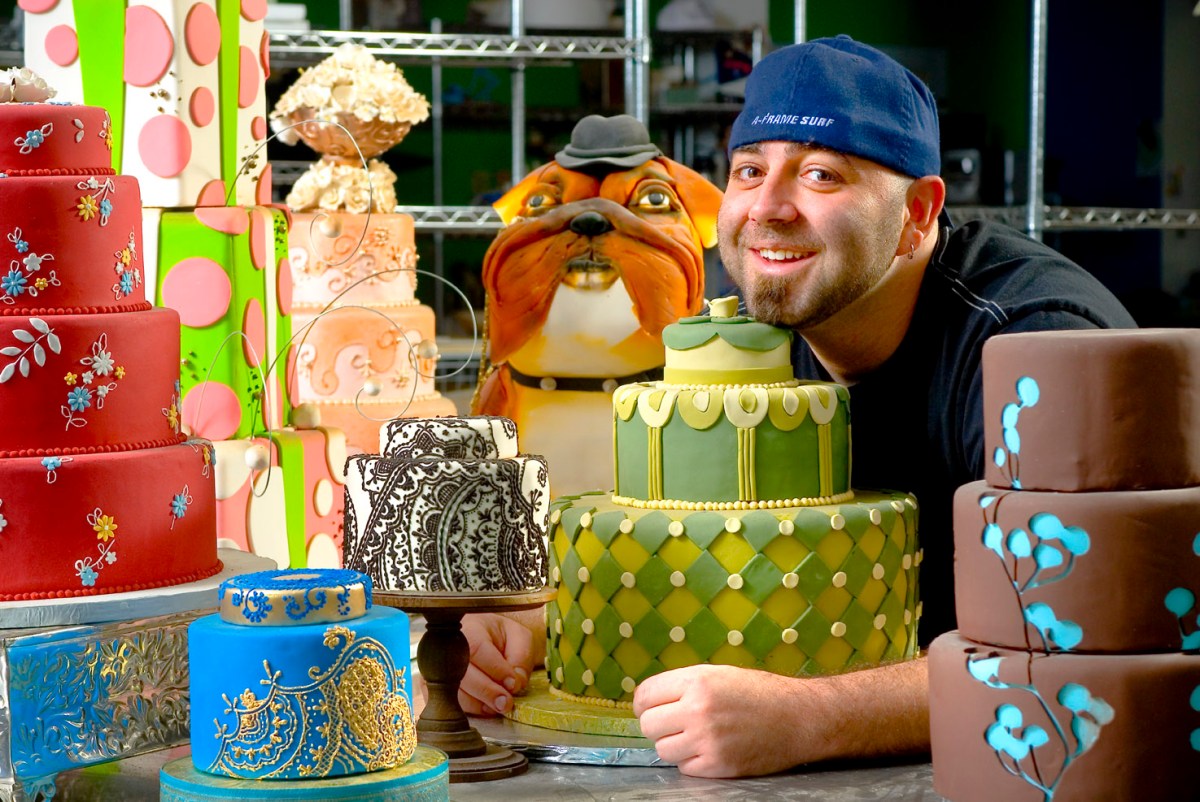
Duff Goldman is widely recognized for his innovative approach to pastry arts, characterized by hyper-realistic designs and ambitious structural engineering. High-quality images of his creations serve as essential references for professional bakers, event planners, and culinary students interested in studying the techniques, textures, and artistic evolution of Charm City Cakes and Goldman’s broader body of work.
Contents
Understanding the Visual Legacy of Duff Goldman
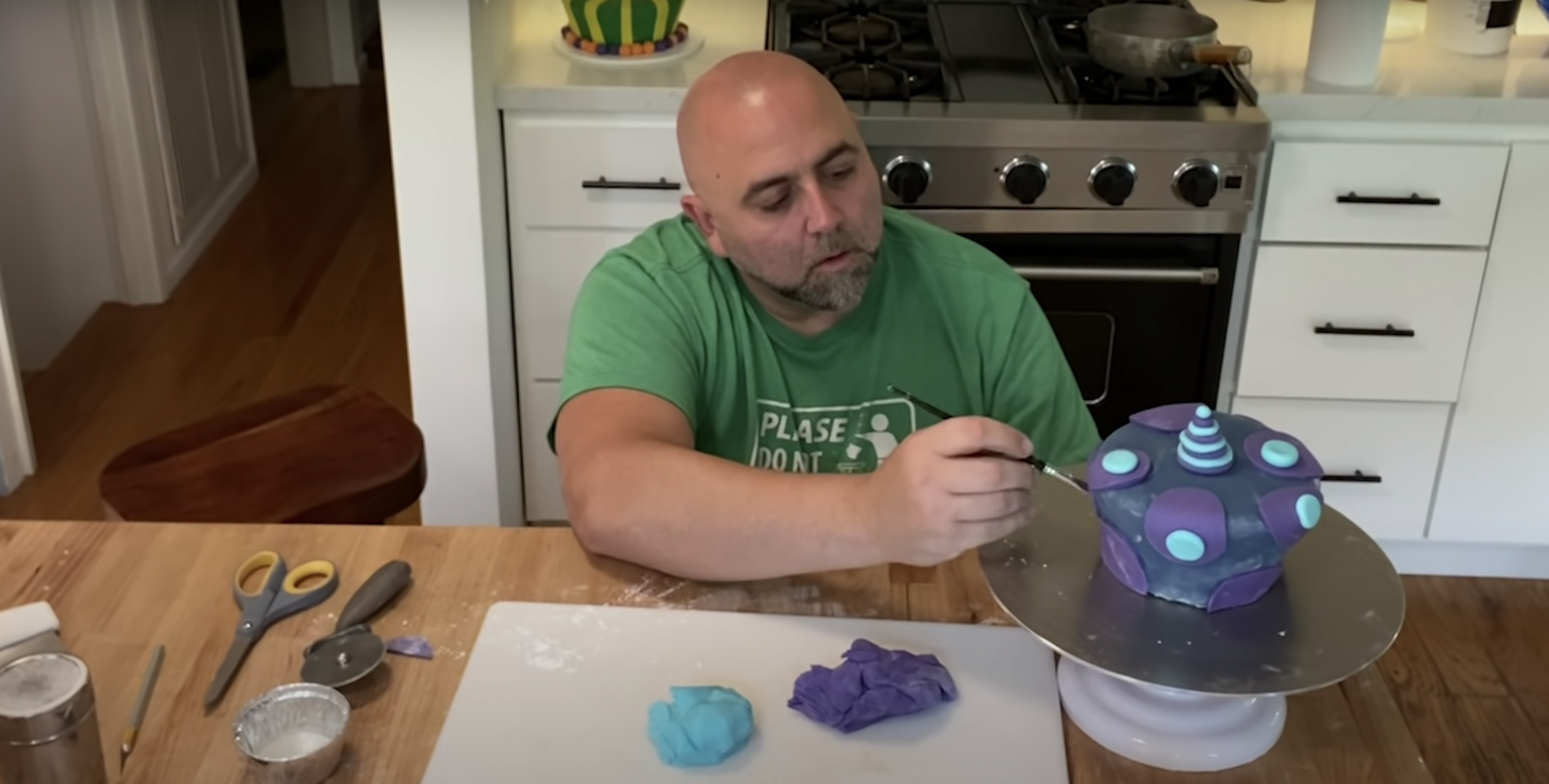
Duff Goldman rose to national prominence through the Food Network series Ace of Cakes, which aired from 2006 to 2011. The show provided viewers with a behind-the-scenes look at the rigorous process of building, carving, and decorating massive, thematic cakes. Unlike traditional confectionery photography, images of Duff Goldman’s cakes often emphasize the "how" rather than just the "what," capturing the structural supports, armature, and sculpting tools necessary to achieve gravity-defying designs.
For those researching his portfolio, the images can generally be categorized into three distinct phases of his career:
- The Charm City Cakes Era: Early images captured in the Baltimore studio, focusing on the team-based approach to complex custom commissions.
- Television and Media Appearances: Photos from competition shows like Duff Till Dawn or Spring Baking Championship, where the focus shifted toward time-constrained execution and refined presentation.
- Product Lines and Collaborations: Modern photography featuring his commercial retail products, such as his line of baking mixes and supplies, which prioritize accessibility and home-baking aesthetics.
Locating Verified Images for Professional and Educational Use
When searching for images of Duff Goldman’s cakes, it is important to distinguish between archival press photography, social media snapshots, and commercial stock.
- Official Digital Channels: Goldman maintains an active presence on verified social media platforms. These accounts are the primary source for high-resolution images of his most recent projects. When using these for reference, researchers should respect copyright by utilizing the platform’s native sharing features or seeking explicit permission for reposting.
- Production Company Archives: For high-resolution stills from his television appearances, the production companies—most notably the Food Network and its parent organization, Warner Bros. Discovery—often hold the master rights. These images are frequently used in official press kits and are the most reliable source for clear, professional-grade photography of his famous broadcasted cakes.
- Editorial Databases: Professional media outlets use curated wire services to secure images for news or feature stories. These databases are strictly for licensed use and require a valid subscription or fee-based licensing agreement.
Analyzing Cake Construction Through Visual Reference
Studying images of Duff Goldman’s work requires a focus on structural and aesthetic elements. When reviewing these photographs for educational or instructional purposes, consider the following technical variables:
| Design Element | What to Observe in Photos | Purpose |
|---|---|---|
| Armature | Look for non-edible supports visible during the "work-in-progress" phase. | Understanding structural integrity. |
| Texturing | Examine close-ups of airbrushed details or hand-sculpted fondant. | Identifying finishing techniques. |
| Scale | Compare the cake size against tools or human subjects in the frame. | Learning proportion and composition. |
| Paneling | Observe the seams where fondant or modeling chocolate meets. | Assessing technical precision. |
By breaking down the imagery into these components, culinary students can move beyond mere visual appreciation and start to reverse-engineer the planning stages of complex cakes.
Ethical Considerations and Copyright
It is a common misconception that because images of public figures and their work are widely available on search engines, they are in the public domain. This is rarely the case. Most professional photography is protected by copyright law, which limits how the images can be reproduced, edited, or used commercially.
If you are a student or a blogger intending to use these images, follow these guidelines:
- Attribution: Always credit the source, photographer, and Duff Goldman himself.
- Fair Use: Understand that "fair use" is a legal defense in the United States, not a blanket permission. It typically applies to transformative works, criticism, or news reporting, and does not apply to using an image to sell your own baking services or products.
- Transformation: Using a photograph as a "study reference" to create your own original cake design is standard practice in the industry. However, using the actual image to promote your business without authorization is a violation of intellectual property rights.
Technical Limitations in Digital Archives
When searching for older images from the early 2000s, expect lower resolution and digital artifacts. Many of the original photographs from Ace of Cakes were digitized before the current standards of high-definition web photography were established. These images may appear pixelated or contain color casting when viewed on modern high-DPI displays. Do not mistake this lower quality for a lack of craftsmanship in the actual cake; rather, it is a byproduct of the digital preservation limitations of that era.
Frequently Asked Questions
How can I find high-resolution images of Duff Goldman’s early work? High-resolution archives are often found in the press sections of network websites or through professional licensing agencies. For historical research, searching within established media archives that cover the 2006–2011 period is more effective than standard web searches.
Are there images available that show the internal structure of these cakes? Yes, many production-related photos feature the "in-progress" phase of the cakes. These images often show the wood, metal, or plastic armatures required to hold up the larger structures. They are excellent references for anyone interested in cake engineering.
Can I use images of Duff Goldman’s cakes to advertise my own bakery? No. Using images created by others to market your own services constitutes copyright infringement. You must photograph your own original work to establish your brand identity and avoid legal liabilities.
Why do some images of his cakes look different than others? Duff Goldman has worked in many styles, ranging from hyper-realistic sculptures to whimsical, stylized designs. Additionally, the evolution of photography equipment and lighting techniques over the last two decades has significantly changed how his cakes appear in images.
Is it legal to use these images for a school project? In an educational setting, using copyrighted images for a private presentation is generally considered acceptable under the concept of academic fair use. However, you should still cite the source of the image clearly to maintain academic integrity.
Recommendation for Further Research
If you are looking to study Duff Goldman’s techniques, prioritize searching for "behind-the-scenes" or "making-of" photography rather than finished gallery shots. These images provide the highest educational value by showing the progression from raw components to finished masterpiece. Always cross-reference the date of the image with the specific television series or event to ensure you are viewing the most accurate historical context of his work.
Image Gallery