Navigating The Daily Record Obituaries: Access, History, and Submission Guidelines
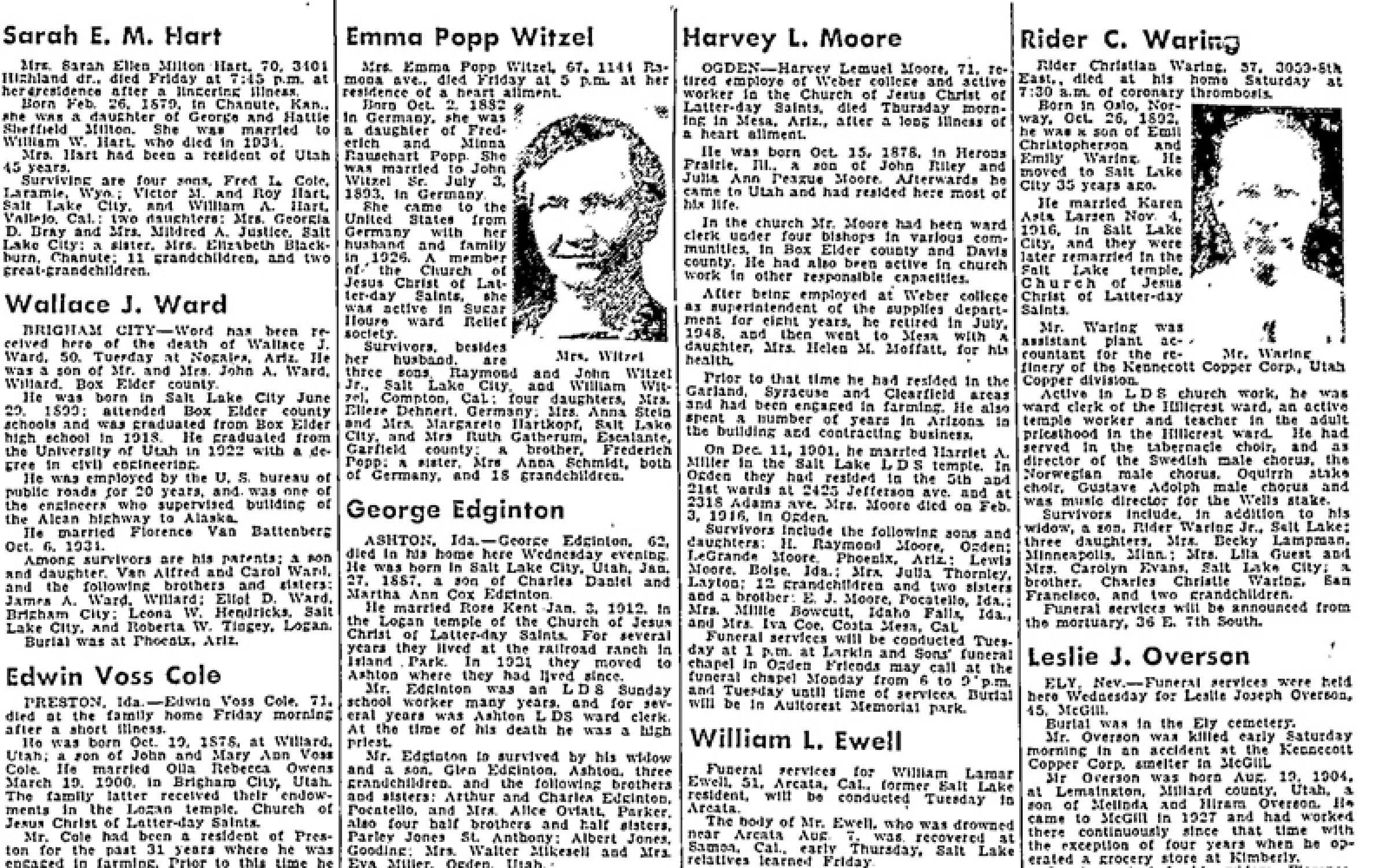
Accessing the daily record obituaries allows families and researchers to honor local lives, track genealogical data, and verify community historical milestones. Depending on the specific regional publication matching The Daily Record t...
Accessing the daily record obituaries allows families and researchers to honor local lives, track genealogical data, and verify community historical milestones. Depending on the specific regional publication matching The Daily Record title, readers can retrieve current notices, search digital archives, or submit formal memorial announcements through standardized community channels.
Contents
Understanding Regional Publications and Context for The Daily Record Obituaries
The phrase "The Daily Record" refers to several distinct, historically significant local newspapers and legal news publications across the United States and international regions. Because multiple regional outlets share this name—such as publications in Wooster, Ohio; Morristown, New Jersey; Baltimore, Maryland; and Rochester, New York—locating the correct obituary requires identifying the specific geographic footprint of the publication.
Most entities operating under this banner serve as designated legal news organs or trusted community journals. Consequently, their obituary sections often combine traditional family-submitted memorials with legal notices of estate administration. Understanding this dual function helps genealogists and grieving families navigate the records efficiently, ensuring that public notices, probate details, and personal remembrances are cross-referenced accurately.
How to Search Current and Archived Obituaries
Searching for a notice within The Daily Record archives involves navigating digital databases or contacting the publisher's classified department. Modern digital transition has shifted most historical record lookup procedures to cloud-based repositories and partner syndication networks like Legacy.com or Ancestry.
Step-by-Step Guide to Finding a Published Notice
- Identify the Exact Geographic Edition: Confirm whether the deceased resided within the coverage area of the specific The Daily Record edition you are targeting (e.g., Wayne County, Ohio, or Morris County, New Jersey).
- Access the Official Digital Portal: Navigate to the newspaper's primary web domain or its designated digital obituary hosting partner.
- Utilize Precision Search Parameters: Enter the full legal name of the deceased, including middle names or maiden names if applicable, along with a narrow date range for the passing.
- Leverage Wildcards and Soundex Variations: If initial searches fail, use wildcard characters or alternate spelling variations to account for historical transcription errors in older newspaper scans.
- Cross-Reference with Funeral Home Portals: Match newspaper dates against local funeral home service schedules to verify the exact publication date of the print or digital notice.
Comparison of Obituary Access Channels and Platforms
When retrieving notices or historical records from community publications, users can choose between multiple pathways. Each option carries distinct advantages regarding cost, depth of historical access, and user interface reliability.
| Access Channel | Primary Benefit | Potential Limitation | Best Suited For |
|---|---|---|---|
| Official Newspaper Website | Direct source accuracy; local archival depth. | Paywalls or limited free search windows for deep archives. | Recent passings and immediate family verification. |
| Syndicated Memorial Networks (e.g., Legacy) | Cross-publication search capabilities; guestbook integration. | Ads and promotional prompts for floral or gift orders. | General public search and leaving condolences. |
| Local Public Library Microfilm | Complete historical record; free physical or digital in-house access. | Requires physical travel or dependent on library staff availability. | Deep genealogical research and pre-digital era records. |
| Paid Genealogy Aggregators (e.g., Ancestry) | Indexed optical character recognition (OCR) across multiple historical papers. | Requires a paid subscription. | Comprehensive family tree building and multi-generational research. |
Submission Guidelines and Requirements for Families
Submitting an obituary to The Daily Record requires adherence to strict editorial standards, word count limitations, and verification protocols. Newspapers enforce these policies to maintain journalistic integrity and prevent fraudulent submissions.
Core Prerequisites for Publication
- Authorized Submitter Status: Submissions must originate from an immediate family member, legal representative, or a licensed funeral director handling final arrangements.
- Verification of Death: Publications require proof of death, typically verified directly through the handling funeral home, crematory, or an official death certificate.
- Adherence to Deadlines: Most daily or weekly press schedules require notice submissions by a specific afternoon cutoff time to guarantee publication in the subsequent morning cycle.
Standard Elements of a Memorial Notice
- Full Legal Name: Including nicknames, professional titles, or maiden names where culturally or personally relevant.
- Biographical Narrative: Date of birth, birthplace, educational milestones, career highlights, and military service records.
- Surviving Family Members: Spouses, children, siblings, and grandchildren, often categorized by immediate and extended relations.
- Service Details: Date, time, and physical address of visitation, funeral masses, celebrations of life, or internment ceremonies.
- Memorial Designations: Directing charitable donations in lieu of flowers to specific non-profit organizations or research funds.
Common Challenges and Troubleshooting in Obituary Research
Researchers and families frequently encounter specific roadblocks when attempting to locate or publish notices within regional press archives. Anticipating these hurdles saves time and prevents administrative delays.
- Name Variations and Misspellings: Historical newspapers relied on manual typesetting, which frequently introduced typos. If a search yields no results, search by last name and date alone, or use initial letters for first names.
- Paywalls and Subscription Barriers: Many digital archives require active subscriptions to view full-text articles or high-resolution photo scans. Utilizing local public library systems often bypasses these fees through institutional database licenses.
- Delayed Publication Windows: In regions where The Daily Record operates on a weekly schedule rather than daily, submission timing can cause a significant gap between the date of passing and the physical appearance of the notice. Always confirm the print frequency of the specific regional office.
Frequently Asked Questions
How do I submit an obituary to The Daily Record?
Submissions are typically handled by contacting the newspaper's classified or obituary desk directly, or more commonly, through the licensed funeral home managing the arrangements. The funeral home coordinates the layout, verifies the text, and transmits the notice securely to the publication's editorial system.
Are obituaries published in The Daily Record archived indefinitely?
Most modern digital publications maintain searchable online databases of recent notices. However, deep historical archives from decades past are usually transferred to microfilm, digital libraries, or third-party genealogy aggregators for long-term preservation.
Is there a fee to publish an obituary?
Yes, newspapers generally charge for publishing obituaries based on word count, layout size, and the inclusion of photographs or custom graphics. Basic death notices or legal death announcements required by public policy may carry different fee structures than extended family-written remembrances.
Can I edit an obituary after it has been published online?
Minor typographical corrections can often be requested by contacting the newspaper's customer support or obituary department. However, once a print edition has run, physical copies cannot be altered, though digital versions on partner networks can frequently be updated.
How can I find an obituary from an older, out-of-print edition?
To locate historical notices from decades past, visit the local public library within the newspaper's primary circulation county to access their microfilm archives. Alternatively, subscription-based genealogical search engines often house digitized scans of historical pages.
For immediate assistance with current arrangements, verify the specific contact information and direct submission portals associated with your local edition of The Daily Record, or consult your licensed funeral service provider to ensure all publication deadlines and formatting requirements are met accurately.
Image Gallery