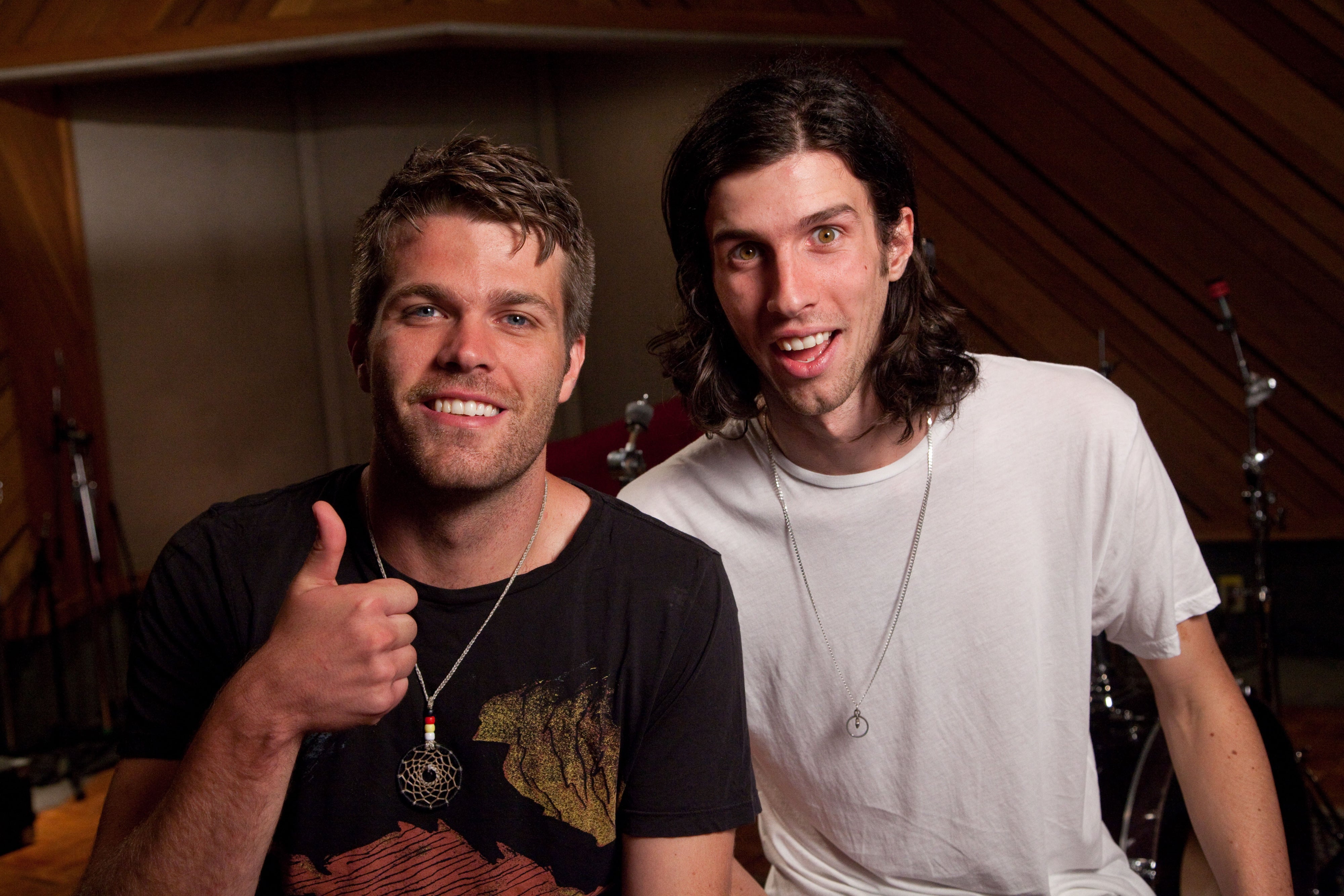
Nathaniel Motte in the Music Industry: A Multifaceted Creative Career
Nathaniel Motte has carved a distinct path in the music industry as a songwriter, record producer, and as one-half of the electronic-pop duo 3OH!3. His influence spans from the late-2000s surge of electropop to contemporary songwriting...
Nathaniel Motte has carved a distinct path in the music industry as a songwriter, record producer, and as one-half of the electronic-pop duo 3OH!3. His influence spans from the late-2000s surge of electropop to contemporary songwriting and production, characterized by a fusion of high-energy electronic textures and radio-friendly melodic hooks.
Contents
The music industry functions as a complex ecosystem where artistic identity and technical proficiency often overlap. For artists like Nathaniel Motte, success has been built upon a dual foundation: sustained performance as an act and the behind-the-scenes engineering of hits for a wide range of collaborators. Understanding his career involves looking at the technical shift from independent electronic production to high-level studio songwriting, reflecting broader trends in the industry’s evolution over the last two decades.
The Foundation: 3OH!3 and the Electropop Surge
Nathaniel Motte’s emergence in the music industry is inextricably linked to 3OH!3, a group formed in Boulder, Colorado, with Sean Foreman. During the mid-to-late 2000s, the duo became synonymous with a specific iteration of electropop that blended punk-inspired vocal deliveries with heavy, synth-driven production.
Unlike many artists of the era who relied on traditional session musicians, Motte brought an inherent technical aptitude to the duo. He acted as the primary producer for their material, managing the synthesis, arrangement, and sound design. This hands-on approach allowed 3OH!3 to develop a distinct sonic signature that resonated with the burgeoning digital-native audience of the time. Their breakthrough, particularly the success of the 2008 single "Don't Trust Me," marked a pivot point where DIY electronic sensibilities began to dominate the pop charts.
Technical Evolution: From Producer to Songwriter
As the music industry shifted toward a model dominated by collaborative songwriting camps and specialized production, Motte transitioned into a more versatile role. The "writer-producer" archetype—an individual who can handle both the melodic structure of a song and the technical production—became highly valued in the 2010s and continues to be today.
Motte’s technical depth allowed him to pivot between styles. While his work with 3OH!3 was high-octane and intentionally brash, his writing credits for other artists demonstrate a broader range. This versatility is a core requirement for longevity in the industry. By mastering the DAW (Digital Audio Workstation) environments required for modern pop production—such as Pro Tools, Logic Pro, and Ableton Live—Motte positioned himself to contribute to projects that required specific sonic landscapes rather than just a signature style.
Key Professional Shifts
- Genre Fluidity: Moving beyond the localized "crunkcore" or electropop label into mainstream pop and electronic dance music (EDM).
- Collaborative Dynamics: Engaging in the "top-line" writing process, where the melody and lyrics are crafted over an existing production track, or vice versa.
- Industry Integration: Developing relationships with major labels and publishing houses, which is essential for consistent work in the professional songwriting circuit.
Strategic Contributions to Contemporary Music
Motte’s role in the industry is often analyzed through the lens of song construction. A successful music producer must balance technical precision—ensuring the mix is balanced, the frequencies are clean, and the master is loud enough for streaming platforms—with the "vibe" that drives commercial viability.
The following table highlights the essential roles an artist like Motte performs within a professional studio environment:
| Functional Role | Primary Objective | Technical Requirement |
|---|---|---|
| Songwriting | Creating hooks and lyrical themes | Understanding song structure and emotional resonance |
| Production | Overseeing the sonic texture | Sound design, synthesis, and arrangement |
| Engineering | Managing the recording and mixing | EQ, compression, and signal flow management |
| A&R Consultation | Shaping the artist’s commercial path | Market awareness and stylistic alignment |
The Business of Songwriting and Production
For those looking to follow a similar career trajectory, it is important to distinguish between "artist" status and "career songwriter" status. In 2026, the music industry is increasingly data-driven, with streaming analytics dictating, in part, which songs get promoted by labels.
Motte’s career highlights the necessity of "splitting" revenue and the importance of publishing rights. When a producer-writer contributes to a song, they are entitled to a percentage of the composition (publishing) and, often, a percentage of the master recording (production royalties). Navigating these agreements is a vital part of staying successful in the industry. It is not enough to simply make high-quality music; one must also understand the legal and financial frameworks—such as PROs (Performing Rights Organizations) and mechanical licensing—that ensure an artist is compensated for their creative labor.
Navigating Modern Industry Challenges
The transition into the mid-2020s has brought significant changes, including the prevalence of AI-assisted composition and highly competitive saturation. Nathaniel Motte’s longevity is largely attributed to his ability to adapt to these changes without losing the human-centric quality of his songwriting.
Maintaining Relevance
One of the greatest challenges for an established producer is avoiding stagnation. The technical standards for a "radio-ready" mix have evolved. In 2026, the "loudness war" has largely been mitigated by the LUFS (Loudness Units Full Scale) normalization standards enforced by major streaming services. Producers now focus more on dynamic range and immersive audio, such as Dolby Atmos, rather than just raw volume. Motte has navigated these shifts by consistently updating his production suite and collaborating with younger artists who bring new trends to the studio.
Collaboration and Networking
The industry remains a relationship-based business. The ability to work within a team, take creative direction from label A&R (Artists and Repertoire) representatives, and maintain a high output rate are core professional competencies. Motte’s success in both the indie-electronic scene and the broader pop industry serves as a case study in diversifying a professional portfolio.
Frequently Asked Questions
1. How has Nathaniel Motte's production style influenced modern pop?
Motte’s influence lies in his ability to bridge the gap between aggressive, distorted synth-work and traditional pop hooks. His early work with 3OH!3 normalized the use of electronic production as a primary instrument for pop songwriting, paving the way for the current era where electronic music elements are foundational in almost all mainstream chart-topping hits.
2. What is the difference between a producer and a songwriter in this context?
A songwriter focuses on the melody, lyrics, and harmonic progression, while a producer focuses on the sound design, arrangement, and technical quality of the recording. Nathaniel Motte acts as both, which is known as an "all-in-one" creator. This hybrid role is highly desirable in 2026 because it allows for more streamlined workflows during creative sessions.
3. What technical skills are required to succeed in his line of work?
Success requires deep proficiency in at least one industry-standard DAW, knowledge of sound synthesis, mixing and mastering fundamentals, and an understanding of music theory. Beyond technology, soft skills—such as communication and the ability to collaborate in a high-pressure studio environment—are mandatory.
4. How do producers like Motte monetize their work?
Producers typically earn money through upfront "track fees" or "production advances," followed by points (royalties) on the master recording, and songwriter publishing royalties. In the 2026 landscape, passive income from sync licensing (placing music in film, TV, and advertisements) also forms a significant portion of a producer’s revenue stream.
5. Why is the distinction between independent and major-label production important?
Independent work allows for more creative freedom, whereas major-label work is usually governed by strict deadlines and commercial requirements. Motte has managed to navigate both, demonstrating that the skills learned in the independent circuit are directly transferable to the high-stakes world of professional studio songwriting.
Recommendations for Aspiring Industry Professionals
If you are looking to emulate a career like Nathaniel Motte’s, the path forward requires a balance of creative experimentation and structural business knowledge. Focus on building a portfolio that demonstrates your ability to work across genres. Learn the technical nuances of your chosen DAW, but prioritize the "song"—the melody and the message—over the complexity of the production.
Prioritize networking in hubs like Los Angeles, Nashville, or New York, where most publishing and label activity remains concentrated. Finally, educate yourself on the legal aspects of music copyright and royalty collection early in your career. Protecting your intellectual property is as vital as the quality of the music you produce.
Image Gallery