UNC Employee Salary Lookup by Name: Complete Guide for 2026
Conducting a UNC employee salary lookup by name involves navigating North Carolina's public records laws to find compensation data for personnel across the University of North Carolina system. Because UNC institutions are public state...
Conducting a UNC employee salary lookup by name involves navigating North Carolina's public records laws to find compensation data for personnel across the University of North Carolina system. Because UNC institutions are public state entities, their payroll records are transparently maintained and open to public inspection under state transparency statutes.
Contents
Understanding the legal framework, official access channels, and dataset limitations ensures that researchers, journalists, and citizens can efficiently retrieve accurate compensation figures for staff, faculty, and administration across all seventeen constituent campuses.
Legal Foundation of Public Salary Transparency in North Carolina
The foundation for conducting a UNC employee salary lookup by name rests on the North Carolina Public Records Act, codified in Chapter 132 of the North Carolina General Statutes. State law dictates that records made or received in connection with the transaction of public business by any agency of North Carolina government are public property.
Because the University of North Carolina system is funded through state appropriations, tuition revenues, and public grants, its employees are public servants. Consequently, their gross salaries, job titles, employment dates, and organizational units are matters of public record.
Unlike private sector employers bound by strict privacy frameworks, public university systems operate under a mandate of fiscal accountability. This openness allows taxpayers to see how public funds are allocated across instructional, research, and administrative departments. However, this transparency is balanced against specific privacy exemptions. While base salaries, bonuses, and stipends are fully disclosable, certain personal identifying information—such as home addresses, personal telephone numbers, social security numbers, banking details, and medical records—remains strictly confidential under state and federal privacy laws, including the Family Educational Rights and Privacy Act (FERPA) where student worker records intersect.
Authorized Portals and Official Data Sources
Accessing accurate compensation numbers requires utilizing official state and university databases. Relying on unauthorized third-party salary aggregator sites often yields outdated, estimated, or completely inaccurate figures due to lagging data refresh cycles.
The Office of State Budget and Management (OSBM) Portal
The North Carolina Office of State Budget and Management maintains comprehensive state-level reporting tools. While OSBM focuses broadly on state agency payroll, system-wide summaries frequently feed into broader state transparency initiatives.
Institutional Payroll and Human Resources Directories
Each of the seventeen constituent institutions within the UNC system maintains its own internal administrative structure. While the centralized UNC System Office oversees broad policy, individual campuses publish staff directories and public record request pathways. Primary institutions within the system include:
- University of North Carolina at Chapel Hill (UNC-CH)
- North Carolina State University (NC State)
- East Carolina University (ECU)
- University of North Carolina at Charlotte (UNC Charlotte)
- University of North Carolina at Greensboro (UNC Greensboro)
- University of North Carolina Wilmington (UNCW)
State-Supported Media and Public Watchdog Databases
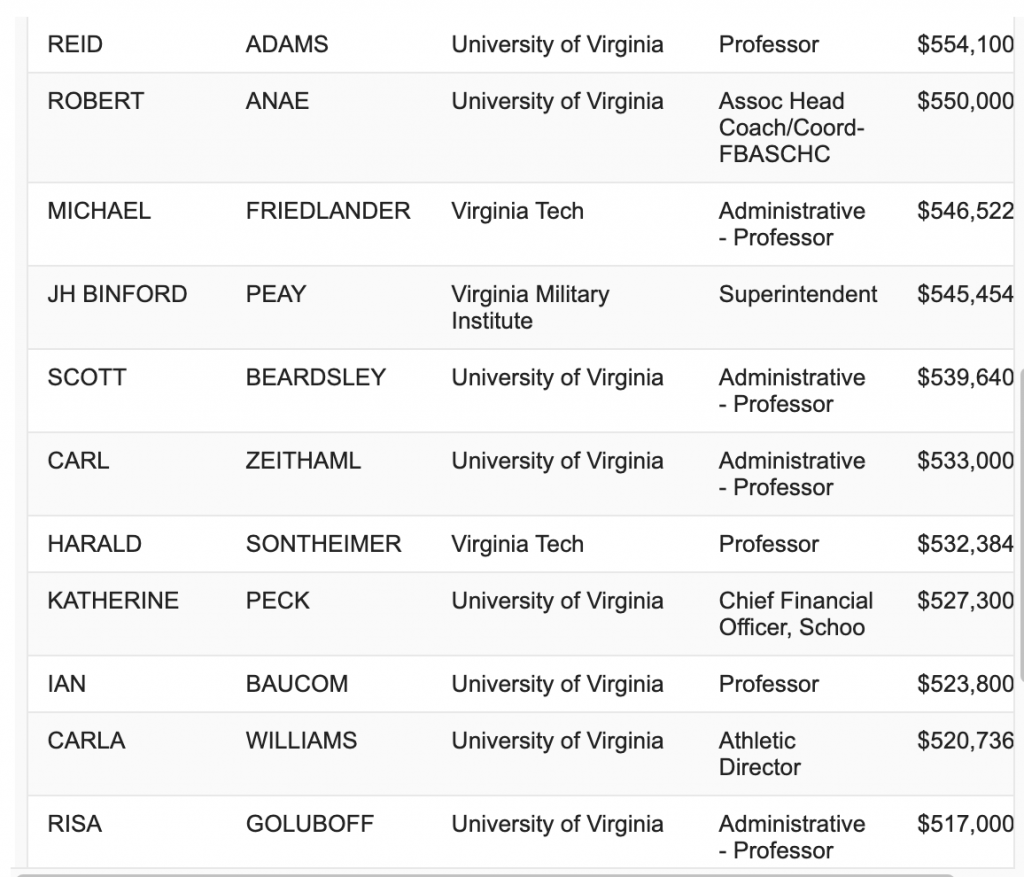
Several regional media organizations, such as The News & Observer and WRAL, routinely ingest public records dumps from the state controller and UNC system offices to maintain searchable, user-friendly public databases. These portals allow users to query employee names, filter by university, and sort by annual compensation.
Step-by-Step Guide to Performing a Salary Lookup
Executing a successful salary search requires a systematic approach to account for common naming variations, structural database differences, and institutional nuances.
Preparation for Your Search Before beginning your lookup, ensure you have the correct spelling of the employee's first and last name. Having the specific campus affiliation, department name, or functional job title will dramatically accelerate your search results, especially when dealing with common surnames.
Step 1: Identify the Specific UNC System Institution
Because the UNC system comprises multiple independent universities, medical centers, and research facilities, you must first determine which specific campus employs the individual. For example, a researcher at UNC-Chapel Hill is on a different payroll ledger than a professor at Appalachian State University.
Step 2: Access an Official or Verified Public Portal
Navigate to an authorized state public records database or a verified media-hosted state salary database. Avoid obscure third-party websites that require subscription fees or prompt you to download unverified browser extensions, as official public data is free to access.
Step 3: Input Search Parameters
Enter the employee's full legal name or last name into the search field. If the database permits wildcard searches or partial name matching, utilize those features if you are uncertain about hyphenated last names or preferred names versus legal names.
Step 4: Cross-Reference and Verify Data Fields
Once search results populate, examine the accompanying data fields to ensure accuracy. A complete record typically displays:
- Full legal name
- Primary job title or academic rank
- Department, school, or administrative unit
- Annualized base salary or hourly rate
- Total compensation (including supplemental pay, bonuses, or administrative stipends where applicable)
Comparison of Available Lookup Methods
Different lookup methods offer varying degrees of convenience, data freshness, and analytical depth. Choosing the right tool depends on whether you need a single record or a bulk dataset.
| Lookup Method | Data Freshness | Ease of Use | Cost | Best Used For |
|---|---|---|---|---|
| Official Institutional HR Public Records Request | Real-time / Current | Low (Requires formal filing) | Free (Standard copying fees may apply) | Legal, investigative, or exhaustive administrative audits |
| State Media Salary Databases | Updated annually or semi-annually | High (Instant web search) | Free | Quick individual lookups and general research |
| Third-Party Salary Aggregators | Often outdated (1 to 2-year lag) | Moderate | Free (Ad-supported) | Broad salary trend estimations only |
| UNC System Office Reports | Updated fiscal year cycles | Moderate | Free | Macro-level institutional budget and payroll analysis |
Understanding Compensation Structures Within the UNC System
Interpreting salary figures requires understanding how public university compensation is structured. A base salary does not always reflect an employee's total annual financial remuneration from the university.
Base Salary vs. Total Compensation
Academic personnel, medical faculty at UNC Health, and athletic coaches often operate under complex compensation plans. While an instructional faculty member may have a nine-month base academic salary, they may earn additional summer school stipends, research grants, or administrative supplements. Similarly, athletic coaches frequently receive base state salaries supplemented heavily by media contracts, athletic department funds, and performance bonuses.
Funding Sources: State Appropriations vs. External Grants
Public university salaries are funded through diverse revenue streams. A substantial portion of research faculty and staff salaries are paid through federal grants (such as NIH or NSF grants), clinical patient care revenues, or endowment funds rather than direct state tax dollars. Public lookup tools display the gross compensation regardless of whether the specific dollar originates from state tax allocations or external research funding.
Common Obstacles and Troubleshooting Tips
Searches do not always yield immediate results. Common issues and their solutions include:
- No Results Found for a Common Name: If searching for a common name produces dozens of results or none at all, filter your search by department or campus. If that fails, submit a formal public records request to the university's designated public records officer.
- Name Changes and Hyphenations: Faculty and staff frequently publish or work under preferred names, maiden names, or hyphenated surnames that differ from their official payroll records. Try searching by last name only.
- Retired or Departed Employees: Most active public databases purge or archive records of individuals who have left the university. Historical records may require a formal archival request under the North Carolina Public Records Act.
Frequently Asked Questions
Can I look up the salary of any UNC employee?
Yes, nearly all full-time and part-time employees of the UNC system are public servants, meaning their salary records are open to public inspection. Certain minor exemptions may apply to specific security personnel or undercover law enforcement units operating within the system.
Are bonuses and stipends included in UNC salary lookups?
Base salaries are always listed, but comprehensive totals depend on the specific database being used. Some advanced state portals itemize base pay, supplemental pay, and bonuses separately, while others provide a single gross annual compensation figure.
How often are UNC employee salary databases updated?
Official state controller updates and major media database refreshes typically occur annually following the close of the state fiscal year or the adoption of the new academic budget cycle.
Are student workers and graduate assistants included in public salary lookups?
Graduate teaching assistants, research assistants, and student workers are technically university employees, but their compensation data may be aggregated differently or omitted from standard public search portals due to privacy thresholds and fluctuating part-time hours. Formal public records requests are usually required to inspect student payroll ledgers.
How do I file a formal public records request if an employee's salary is not online?
You can submit a formal written public records request directly to the Public Information Officer or Legal Affairs office of the specific UNC campus. State law requires public agencies to respond to records requests in a timely manner without requiring the requester to state a commercial or personal purpose.
Practical Recommendations for Researchers and Citizens
When conducting a UNC employee salary lookup, always prioritize official university channels or verified journalistic databases to ensure data integrity. Keep in mind that fiscal year cycles dictate when new salary adjustments—such as state-legislated cost-of-living adjustments (COLAs) or merit increases—appear in public records. For formal legal, journalistic, or administrative compliance work, submitting a direct public records request to the specific campus records custodian remains the gold standard for obtaining certified, legally binding payroll documentation.
Image Gallery