Comprehensive Used Nissan Rogue Reviews: Reliability, Best Years, and Buying Guide
Buying a used Nissan Rogue requires balancing its class-leading comfort and cargo space against a historical record of transmission reliability concerns. For most buyers in 2026, the 2021 model year and newer represent the safest inves...
Buying a used Nissan Rogue requires balancing its class-leading comfort and cargo space against a historical record of transmission reliability concerns. For most buyers in 2026, the 2021 model year and newer represent the safest investments due to significant mechanical overhauls, while 2017–2020 models offer the best value for budget-conscious shoppers who prioritize safety tech.
Contents
The Nissan Rogue has long been a staple of the compact crossover segment, consistently ranking as one of the best-selling vehicles in North America. Its appeal lies in its "Goldilocks" sizing—large enough for a small family and their gear, but small enough to maneuver through tight urban environments. However, as these vehicles enter the secondary market, the distinction between a "bargain" and a "money pit" often comes down to the specific model year and the version of the Xtronic Continuously Variable Transmission (CVT) under the hood.
The Evolution of the Nissan Rogue: Three Generations of Used Options
To navigate used Nissan Rogue reviews effectively, you must first categorize the vehicle by its generation. Each era of the Rogue has distinct characteristics, common failure points, and technological milestones.
First Generation (2008–2013)
By 2026, first-generation Rogues are primarily found in the "budget" or "first car" category. While they were praised for their car-like handling and affordable entry price when new, they are now high-mileage risks. The primary concern with this generation is the early iteration of the Jatco-sourced CVT, which was prone to overheating and premature failure. Unless the vehicle has a documented transmission replacement, these models are generally difficult to recommend for long-term reliability.
Second Generation (2014–2020)
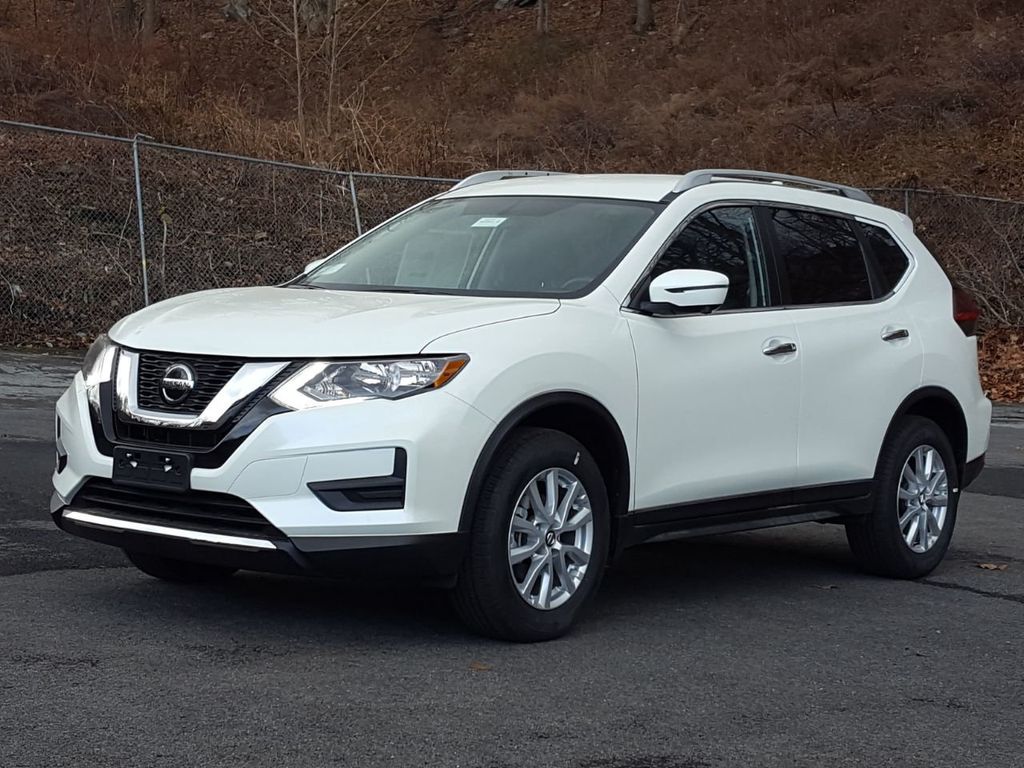
This generation turned the Rogue into a sales juggernaut. It introduced a much more mature design language, the innovative "Divide-N-Hide" cargo system, and eventually, the ProPILOT Assist suite of driver aids.
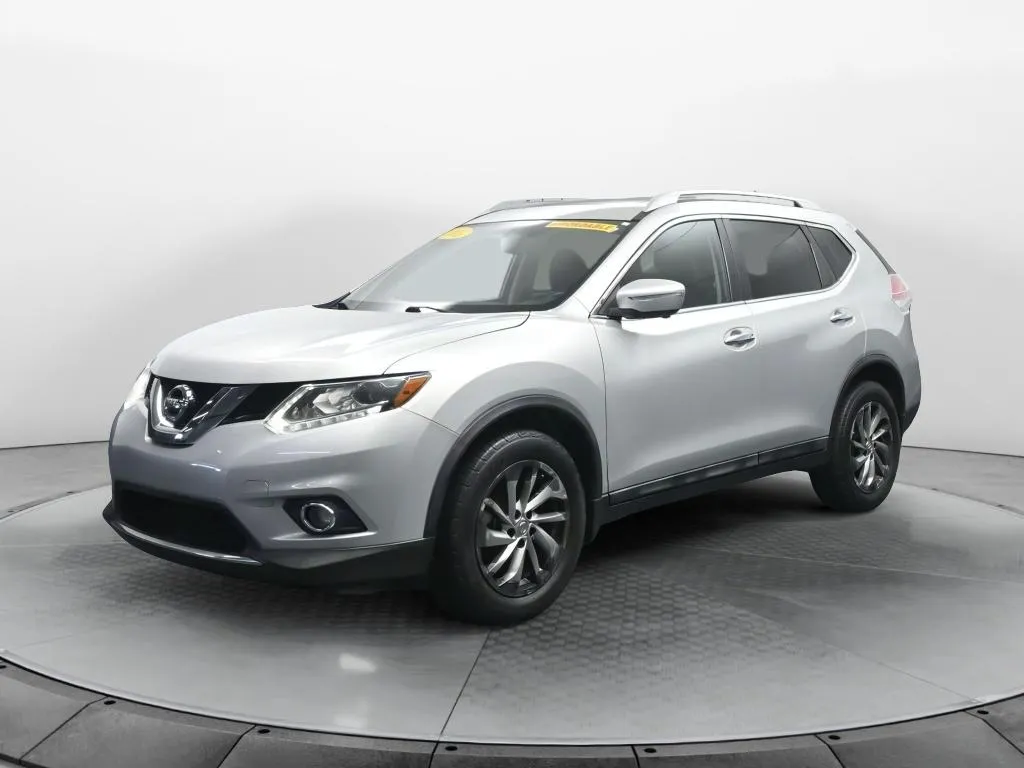
- 2014–2016 Models: These early second-gen units still faced lingering CVT issues. Nissan extended the powertrain warranty on many of these units to 10 years or 120,000 miles, but as of 2026, most of these warranties have expired.
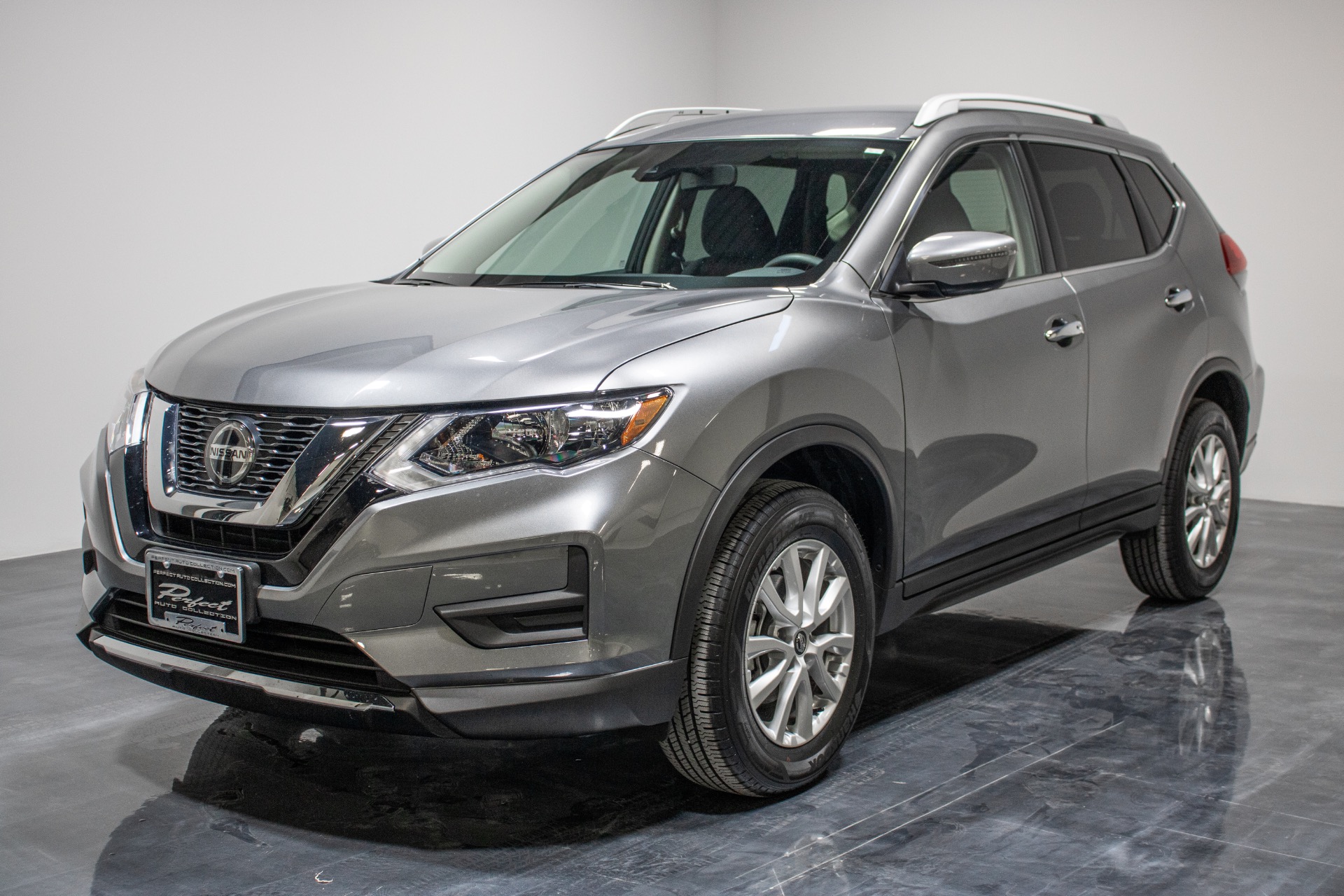
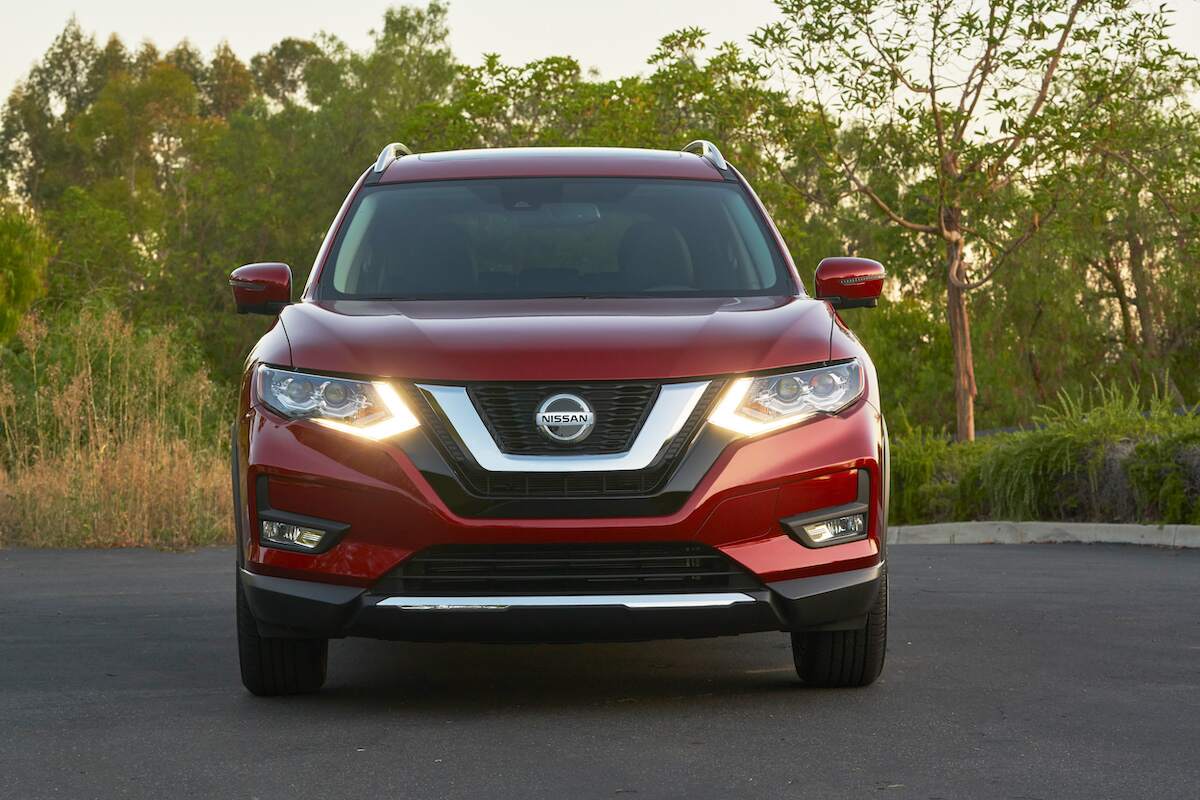
- 2017–2020 Models: A mid-cycle refresh in 2017 improved sound insulation, updated the styling, and added essential safety features like Apple CarPlay and Android Auto (starting in 2018). These are the most common Rogues on the used market today.
Third Generation (2021–Present)
The 2021 redesign was a "clean sheet" approach. It moved to a more rugged, boxier aesthetic and significantly upgraded the interior materials to near-luxury levels. More importantly, Nissan implemented a new generation of CVT and, in 2022, introduced the 1.5-liter Variable Compression Turbo (VC-Turbo) three-cylinder engine. In the 2026 used market, these models are the gold standard for those who can afford the higher price point.
Reliability Deep Dive: The CVT and Engine Performance
The most discussed topic in used Nissan Rogue reviews is the Xtronic CVT. Unlike a traditional automatic transmission that uses gears, a CVT uses a belt and pulley system to provide a seamless flow of power.
In earlier models (pre-2017), the CVT was notorious for "hunting" for the right ratio or, in worse cases, vibrating excessively (shuddering) and failing before 100,000 miles. By the time the third generation launched in 2021, Nissan had implemented significant cooling and software updates to the transmission. If you are looking at a 2014–2020 model, it is vital to check the service records for CVT fluid changes every 30,000 to 60,000 miles.
Engine Options and Efficiency
Most used Rogues feature the 2.5-liter four-cylinder engine, producing approximately 170 to 181 horsepower. It is a dependable, if unexciting, powerplant. However, if you find a 2022 or newer model, you will likely encounter the 1.5L VC-Turbo. This engine is a marvel of engineering, physically changing its compression ratio to prioritize either power or fuel economy.
- 2.5L Engine: Proven, simpler to maintain, but lacks passing power on the highway.
- 1.5L VC-Turbo: Superior fuel economy (up to 33 combined MPG) and more torque, though it is a more complex system that requires strict adherence to maintenance schedules.
Critical Comparison of Popular Used Model Years
The following table compares three pivotal years for the Rogue, representing the "Budget," "Value," and "Premium" used choices available in 2026.
| Feature | 2015 Nissan Rogue (Budget) | 2019 Nissan Rogue (Value) | 2022 Nissan Rogue (Premium) |
|---|---|---|---|
| Engine | 2.5L 4-Cylinder | 2.5L 4-Cylinder | 1.5L 3-Cyl VC-Turbo |
| Horsepower | 170 hp | 170 hp | 201 hp |
| Infotainment | Basic / 5-inch screen | 7-inch w/ CarPlay/Android Auto | 8 or 9-inch Touchscreen |
| Safety Tech | Minimal / Optional | Standard Automatic Braking | ProPILOT Assist / 360 Camera |
| Cargo Space | 70.0 cu. ft. (max) | 70.0 cu. ft. (max) | 74.1 cu. ft. (max) |
| Reliability Rating | Below Average | Average | Above Average |
Interior Comfort and Practicality
One reason the Rogue remains a top choice in used vehicle reviews is the interior execution. Nissan’s "Zero Gravity" seats, inspired by NASA technology, are widely considered some of the most comfortable in the industry, significantly reducing fatigue on long drives.
The "Divide-N-Hide" System
In the second and third generations, the Rogue features a versatile cargo management system. It allows owners to create shelves, secret compartments, or barriers to keep groceries from rolling around. When shopping used, ensure all the cargo floorboards are present, as they are often misplaced by previous owners.
Technology and Safety
Safety is a core strength of the Rogue. By 2019, Nissan made "Safety Shield 360" standard on many trims. This includes:
- Automatic Emergency Braking with Pedestrian Detection
- Blind Spot Warning
- Rear Cross-Traffic Alert
- Lane Departure Warning
For buyers in 2026, the ProPILOT Assist (available on SV trims and higher from 2018 onwards) is a major selling point. It combines adaptive cruise control with steering assist, making stop-and-go traffic much less stressful. According to the Insurance Institute for Highway Safety (IIHS), the Rogue has consistently earned high marks, often achieving the "Top Safety Pick" designation.
Common Problems to Inspect Before Buying
When reviewing a specific used Nissan Rogue, keep an eye out for these documented issues reported by owners and verified by the National Highway Traffic Safety Administration (NHTSA).
- CVT Shuddering: During your test drive, accelerate moderately from a stop. If the vehicle stutters or feels like it is "slipping," the transmission may be failing.
- Fuel Odor (2022-2023 Models): Some early VC-Turbo models had reports of a gas smell inside the cabin. Check if the relevant technical service bulletins (TSBs) have been addressed.
- Sunroof Leaks: On models equipped with the panoramic sunroof, check the headliner for water stains. The drain tubes can become clogged, leading to interior water damage.
- Infotainment Freezing: On 2021 and 2022 models, the screen can sometimes freeze or lag. A software update usually fixes this, but it’s worth verifying the current firmware version.
Maintenance and Ownership Costs
The Nissan Rogue is generally affordable to maintain, provided the transmission is healthy. Standard oil changes, brake pads, and tire rotations are in line with competitors like the Toyota RAV4 or Honda CR-V.
Projected Annual Maintenance: Expect to spend between $450 and $700 annually on routine maintenance. Insurance Costs: Because of its high safety ratings and common parts, the Rogue is typically mid-range for insurance premiums. However, 2021+ models may be slightly higher due to the advanced sensors in the bumpers and windshield that are expensive to replace after minor collisions.
Frequently Asked Questions
Which used Nissan Rogue year is the most reliable?
The 2021 model year and newer are widely considered the most reliable. These models benefited from a complete mechanical redesign and the latest iteration of the CVT, which has shown significantly fewer issues than the units used between 2013 and 2016. If you are on a tighter budget, the 2017–2020 models are also solid choices, provided they have a documented maintenance history.
Does the Nissan Rogue have a 3rd row?
While a small 3rd-row option was available on the 2014–2017 models, it was extremely cramped and suitable only for very small children. Nissan discontinued the 3rd row for the Rogue after 2017 to focus on cargo space and passenger comfort in the first two rows. If you need a used Nissan with three rows, the Pathfinder is a more appropriate choice.
Is the Rogue’s CVT really that bad?
The reputation stems from the 2011–2016 era where failure rates were higher than the industry average. However, it is important to distinguish those older units from the modern versions. Since 2017, and especially with the 2021 redesign, Nissan has significantly improved the durability of the Xtronic CVT. Regular fluid changes are the key to longevity for any CVT-equipped vehicle.
Is the Rogue or the Rogue Sport better?
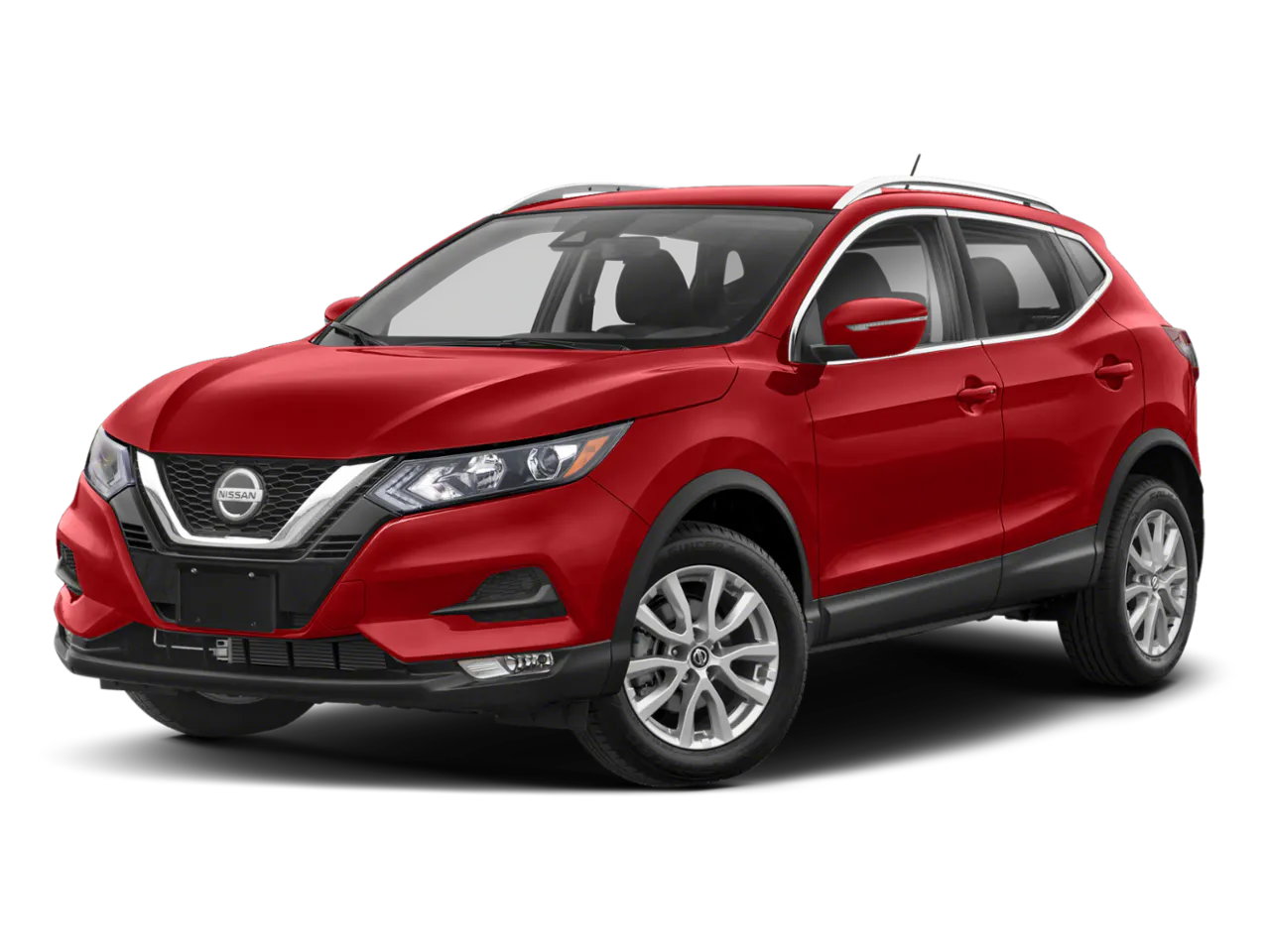
The "Rogue Sport" (known as the Qashqai in other markets) is a smaller, less powerful vehicle. While it shares the name, it has less cargo room and a smaller engine. Most used car buyers find the standard Rogue to be a better value because the fuel economy is similar, but the interior space is vastly superior.
Does the Rogue handle well in snow?
Yes, especially when equipped with Intelligent All-Wheel Drive (AWD). The Rogue’s AWD system can pre-torque the rear wheels as you pull away from a stop to prevent slip. In 2021+ models, there are specific "Snow" and "Off-road" modes that calibrate the throttle and transmission for better traction.
Practical Recommendation for Buyers
If you are shopping for a used Nissan Rogue in 2026, the 2021 Nissan Rogue SV is the "sweet spot" for most buyers. It offers the modern interior and improved transmission of the third generation but has depreciated enough to be significantly more affordable than a new or certified pre-owned (CPO) unit. Always prioritize vehicles with a verified service history and, if possible, opt for a CPO model to get an additional powertrain warranty for peace of mind regarding the CVT.
Image Gallery