Warren Frost Net Worth: Career Earnings, Legacy Residuals, and Estate Value
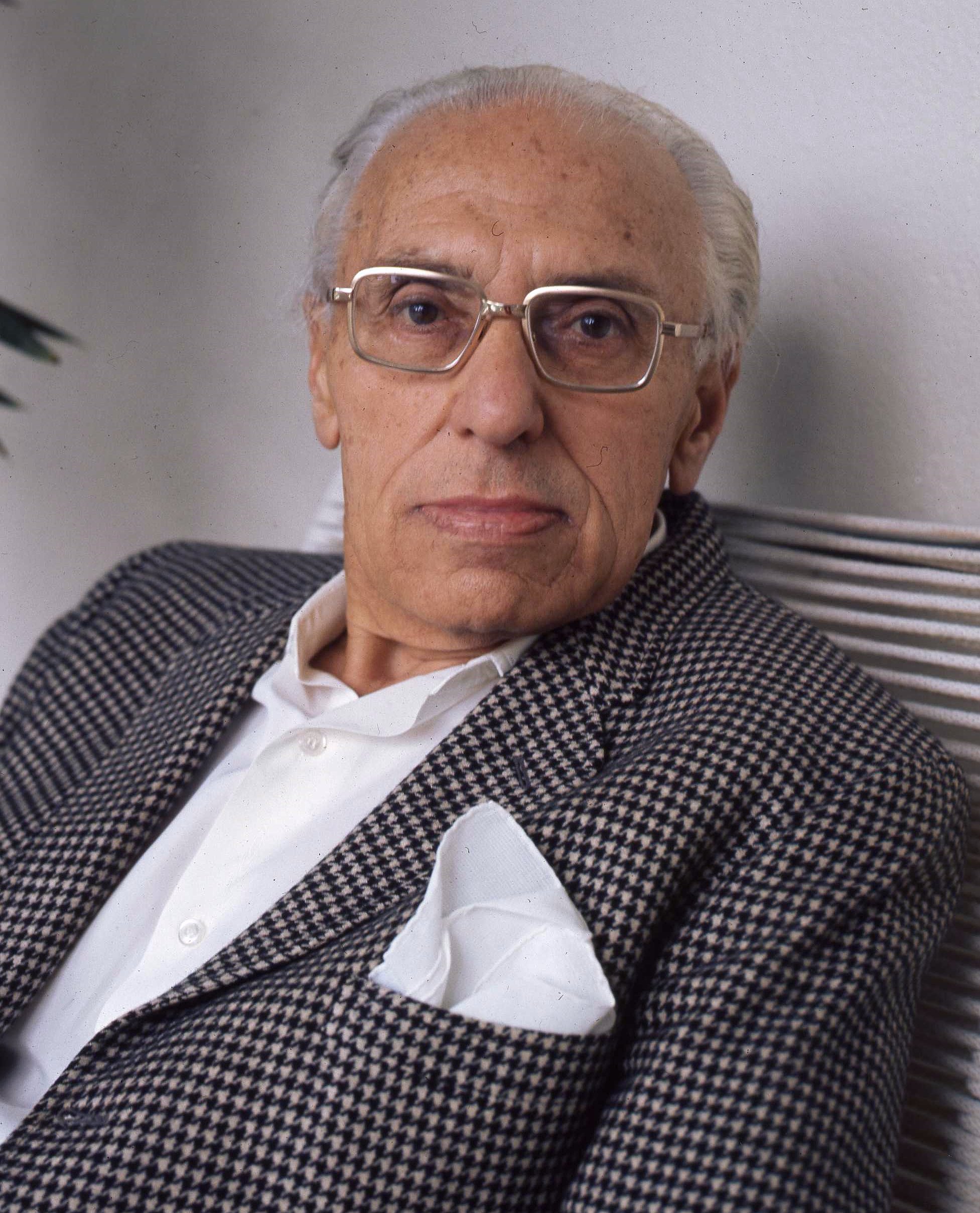
At the time of his death in February 2017, actor and academic Warren Frost had an estimated net worth between $1.5 million and $3 million. His personal wealth was accrued through a unique career path combining WWII military service, un...
At the time of his death in February 2017, actor and academic Warren Frost had an estimated net worth between $1.5 million and $3 million. His personal wealth was accrued through a unique career path combining WWII military service, university-level theater instruction, and defining character roles in television classics like Twin Peaks, Seinfeld, and Matlock.
Contents
Understanding the financial trajectory of character actors like Warren Frost requires looking beyond upfront episode salaries. While Hollywood leading figures command massive single-project paydays, enduring character actors build their net worth through long-term residual streams, union pensions, academic tenure, and steady work across multiple entertainment formats.
Early Life, Military Service, and Academic Foundations
Warren Frost was born on May 25, 1925, in Newburyport, Massachusetts, and raised in Essex Junction, Vermont. Before entering the entertainment industry, his early adulthood was defined by service in the United States Navy during World War II. Enlisting at age 17, Frost served as a gunner’s mate aboard the destroyer escort USS Borum (DE-790) during the D-Day invasion at Normandy.
Following his military discharge, Frost pursued higher education under the G.I. Bill—a foundational financial asset for post-war Americans that allowed veterans to complete degrees without incurring personal debt.
- Bachelor of Arts: Middlebury College (1950)
- Master of Arts: University of Minnesota
- Doctor of Philosophy (PhD) in Theatre Arts: University of Minnesota (1970s)
- WWII Naval Service (G.I. Bill)
- Higher Education (BA, MA, PhD)
- Academic Tenure & Stage Directing
- Prime-Time Television Breakout
Frost spent decades in academia and regional theater before securing mainstream Hollywood fame. As an associate professor at the University of Minnesota and artistic director of the Chimera Theatre in St. Paul, Frost earned a stable institutional salary. This educational background provided financial security that allowed him to choose acting roles strategically rather than taking low-paying gigs out of financial desperation.
Prime-Time Television and Major Career Earning Engines
Frost shifted toward full-time screen acting later in life, hitting his commercial peak during the late 1980s and 1990s. His net worth grew significantly during this era due to recurring appearances in three major television franchises.
1. Twin Peaks (Dr. Will Hayward)
In 1990, Frost was cast as the compassionate town physician Dr. Will Hayward in the groundbreaking ABC series Twin Peaks, co-created by his son, writer-producer Mark Frost, alongside director David Lynch.
While network drama pay rates for supporting characters in 1990 typically ranged from $5,000 to $15,000 per episode, the culture-defining impact of Twin Peaks established Frost as a globally recognized character actor. He appeared in 30 episodes of the original series, the 1992 feature film Twin Peaks: Fire Walk with Me, and briefly came out of retirement to film scenes for the 2017 Showtime revival, Twin Peaks: The Return, shortly before his death.
2. Seinfeld (Henry Ross / Mr. Ross)
Frost's most lucrative residual generator was his recurring role as Henry Ross (Mr. Ross), the wealthy, stoic father of Susan Ross (George Costanza's fiancée), on NBC's hit sitcom Seinfeld. Appearing in five key episodes across seasons four, seven, and nine—including "The Cheever Letters" and the series finale—Frost secured a lifetime revenue stream.
Because Seinfeld entered unprecedented syndication deals generating billions of dollars globally, actors with speaking roles in landmark episodes continue to receive residual payments under SAG-AFTRA contracts.
3. Matlock (Billy Lewis)
From 1991 to 1995, Frost played Billy Lewis, the childhood friend of Andy Griffith's titular character, on the hit legal drama Matlock. Appearing in over 15 episodes across seasons six through eight, Frost earned steady network television fees at the top of the union scale for recurring guest stars.
SAG-AFTRA Residual Structures and Posthumous Revenue Streams
A critical element of Warren Frost's long-term financial stability was the structure of Screen Actors Guild (SAG-AFTRA) residual models. Unlike background extras, credited character performers receive ongoing compensation whenever a show is re-aired on broadcast television, sold into cable syndication, licensed to international networks, or distributed on streaming platforms like Netflix, Hulu, or Paramount+.
- Residual Sources:
- Linear Broadcast Re-Runs
- Cable Syndication Deals
- Global Streaming Rights
- SAG-AFTRA Residual Pipeline
- Beneficiaries & Family Estate
Residuals operate on a declining scale based on the number of reruns, but high-volume syndication packages maintain floor rates. For a performer credited in evergreen properties:
- Broadcast Syndication: High initial payouts per episode re-airing on local affiliate stations.
- Streaming Royalty Distributions: Annual payments negotiated through union collective bargaining agreements covering SVOD (Subscription Video on Demand) platforms.
- Estate Rights: Under federal copyright law and SAG-AFTRA pension/health trust regulations, residual revenue streams continue to pay out to an actor’s designated heirs or estate trust for up to 70 years after the creator's death.
Information regarding standard SAG-AFTRA residual rules and trust administration can be reviewed through the official SAG-AFTRA Residuals Processing portal.
Warren Frost Career Financial Overview
The table below outlines the primary income streams, career phases, and financial drivers that contributed to Warren Frost's lifetime wealth.
| Career Phase / Source | Primary Roles / Positions | Estimated Compensation Era | Key Financial Impact & Residual Drivers |
|---|---|---|---|
| Academic Tenure | Professor (Univ. of Minnesota), Director (Chimera Theatre) | 1960s – 1980s | Stable university salary, pension contributions, institutional health coverage. |
| Early TV Guest Roles | Perry Mason, The Virginian, Make Room for Daddy | 1950s – 1970s | Standard SAG day rates; early union retirement credit accumulation. |
| Peak Prime-Time TV | Twin Peaks (Dr. Hayward), Matlock (Billy Lewis) | 1990 – 1995 | Network scale rates ($5k–$15k/ep); global syndication and home video residuals. |
| Sitcom Syndication | Seinfeld (Mr. Ross) | 1992 – 1998 | Top-tier residual yields driven by high-volume global broadcast and streaming deals. |
| Film & Later Roles | Sister Act 2, The Stand, Twin Peaks: The Return | 1993 – 2017 | Feature film wages, miniseries compensation, and final performance fees. |
The Frost Creative Family Dynasty and Shared Estate Value
Warren Frost's net worth was also integrated into a larger, highly successful creative family ecosystem. His children achieved significant commercial and financial success in their own right, which helped preserve and manage family assets efficiently across generations.
- Mark Frost: Co-creator of Twin Peaks, director, and executive producer. Mark Frost co-wrote bestselling books, produced major feature films (including the Fantastic Four franchise), and generated substantial wealth as a Hollywood showrunner.
- Scott Frost: Successful television writer and novelist, contributing scripts to series such as Twin Peaks, Babylon 5, and Andromeda.
- Libby Frost: Film and television production professional.
The combined commercial ventures of the Frost family created shared intellectual property, co-authoring royalties (such as background books detailing Twin Peaks lore), and shared estate planning mechanisms. This family structure ensured that Warren Frost's financial affairs were professionally managed late in his life, minimizing healthcare drain and preserving assets for his descendants.
Real Estate and Asset Distribution at Passing
Upon his retirement from acting in the late 1990s—prior to his brief return for the 2017 Twin Peaks revival—Warren Frost resided in Middlebury, Vermont.
- Real Estate Assets: Primary residential property in Vermont, held free of significant mortgage debt due to late-career television payouts.
- Liquid Investments: Diversified portfolios built from multi-decade academic pensions (TIAA-CREF) and Motion Picture & Television Fund retirement annuities.
- Posthumous Rights: Ongoing performance royalties managed through the Warren Frost Estate Trust, benefiting his surviving children and grandchildren.
At his death on February 17, 2017, at age 91, his estimated $1.5 million to $3 million estate was divided among his heirs, representing a financially secure lifetime built through disciplined academic work and iconic supporting roles.
Common Misconceptions Regarding Character Actor Wealth
Public perceptions of celebrity net worth are often distorted by high-profile lead actor salaries. When analyzing character actors like Warren Frost, several common financial misunderstandings arise:
1. Confusing Lead Pay with Supporting Scale
Character actors rarely command million-dollar per-episode salaries. While Jerry Seinfeld and Julia Louis-Dreyfus earned up to $1 million per episode during Seinfeld's final season, recurring guest stars earned standard union scale rates. Frost’s financial strength came from volume of credits and long-term syndication longevity, not single massive paydays.
2. Overestimating Streaming Royalty Rates
While Seinfeld sold to Netflix for over $500 million in global streaming rights, individual supporting actor residual percentages are negotiated through complex union formulas. Streaming residuals yield consistent, moderate annual income for character actor estates rather than immediate multi-million-dollar lump sums.
3. Ignoring Non-Hollywood Financial Engines
Frost was not solely dependent on Hollywood. His decades as an academic professor provided a foundation of steady pay, institutional benefits, and fixed pensions, which shielded him from the financial volatility many full-time actors face during prolonged casting dry spells.
Frequently Asked Questions
What was Warren Frost's estimated net worth at the time of his death?
At the time of his passing in February 2017, Warren Frost had an estimated net worth of $1.5 million to $3 million. His net worth was derived from television earnings, long-term syndication residuals (Seinfeld, Twin Peaks, Matlock), university retirement pensions, and real estate holdings in Vermont.
How much did Warren Frost make from his role in Seinfeld?
While exact contract figures remain private, Frost earned standard SAG scale rates for his five episode appearances as Mr. Ross. However, because Seinfeld became one of the most syndicated shows in television history, his ongoing residual payouts generated hundreds of thousands of dollars over the decades following the show's original run.
Did Warren Frost earn royalties from Twin Peaks: The Return?
Yes. Frost reprised his role as Dr. Will Hayward in one episode of the 2017 Showtime limited series Twin Peaks: The Return. He earned standard cable network performance fees for his appearance, and his estate continues to receive residuals for cable re-broadcasts and streaming views on platforms offering the show.
Was Warren Frost related to Twin Peaks co-creator Mark Frost?
Yes. Warren Frost was the father of writer, producer, and Twin Peaks co-creator Mark Frost. This creative relationship led directly to his casting as Dr. Will Hayward in the original 1990 series.
What secondary careers contributed to Warren Frost's wealth?
Before his breakthrough as a national television character actor, Frost held a PhD in Theatre Arts and served as an associate professor at the University of Minnesota and artistic director at the Chimera Theatre. These positions provided institutional salaries, health benefits, and pension investments.
Practical Takeaways for Tracking Legacy Actor Estates
Analyzing the financial career of legacy character actors offers clear insights into how entertainment earnings compound over time:
- Evaluate Residual Rights: When assessing historical net worths, distinguish between upfront performance compensation and long-term SAG-AFTRA syndication rights, which pay out for decades.
- Factor in Dual-Career Stability: Many legacy character actors build foundational net worth through non-entertainment careers, such as university teaching or commercial stage directing, providing pension stability.
- Review Estate Management: For deceased public figures, asset streams transition to family trusts, where residual payments continue under federal copyright and union guidelines.
Image Gallery