Understanding the Bud: Botanical Origins and Cannabis Anatomy
In botany, a bud is an undeveloped or embryonic shoot that normally occurs in the axil of a leaf or at the tip of a stem. However, in contemporary culture, "the bud" refers specifically to the flower of the female cannabis plant. These...
In botany, a bud is an undeveloped or embryonic shoot that normally occurs in the axil of a leaf or at the tip of a stem. However, in contemporary culture, "the bud" refers specifically to the flower of the female cannabis plant. These flowers are harvested for their high concentration of cannabinoids, such as THC and CBD, and aromatic terpenes used for medicinal or recreational purposes.
Contents
The Botanical Definition of a Bud
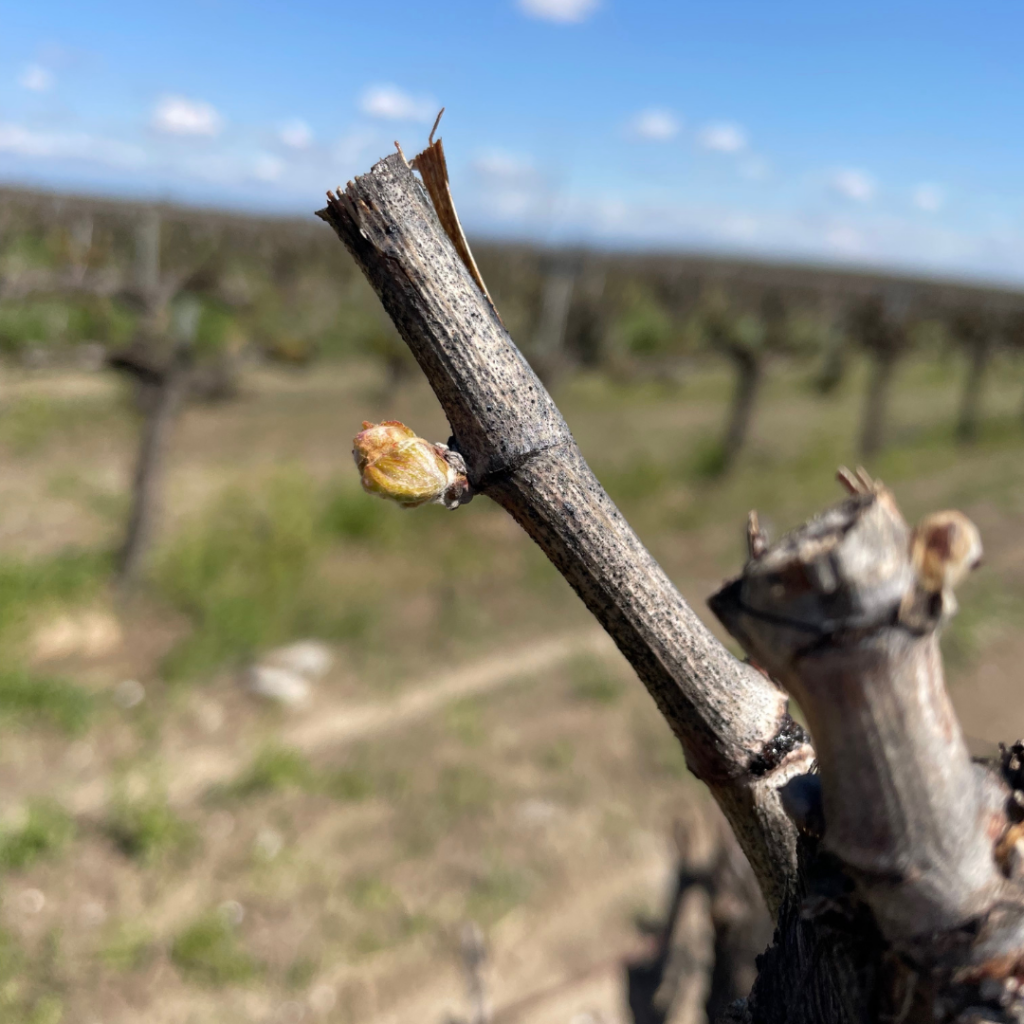
Before diving into the specific cultural and commercial application of the term, it is essential to understand the biological foundation. In the plant kingdom, a bud is a compact, underdeveloped plant part that has the potential to grow into a flower, a leaf, or a new stem. Buds are composed of meristematic tissue—cells capable of active division—and are often protected by specialized leaves called bud scales.
Types of Botanical Buds
Botanists classify buds based on their location and their eventual function. Understanding these distinctions helps in identifying how a plant will develop and how it should be pruned or harvested.
- Terminal Buds: Located at the tip of a stem, these are responsible for the primary upward or outward growth of the plant. They produce hormones that often inhibit the growth of lower buds, a phenomenon known as apical dominance.
- Axillary Buds: Found in the junction (axil) between a leaf and the stem. These have the potential to become lateral branches or flower clusters.
- Adventitious Buds: These form in unusual places, such as on roots or the middle of a leaf, often as a response to injury.
In many flowering species, the "bud" is simply the precursor to the bloom. Once the environmental triggers—such as light cycles (photoperiod) or temperature—are met, the bud expands into the reproductive organs of the plant.
The Anatomy of a Cannabis Bud
When people search for "the bud" in 2026, they are almost exclusively referring to the mature flower of the Cannabis sativa or Cannabis indica plant. For consumers and cultivators alike, the bud is the most valuable part of the plant because it contains the highest density of active compounds. To understand what makes a high-quality bud, one must understand its intricate anatomy.
The Cola
The term "cola" refers to a cluster of buds that grow tightly together. While small buds grow along the lower branches, the "main cola" (or apical bud) forms at the very top of the plant. In professional cultivation, techniques like "topping" or "Low-Stress Training" (LST) are used to create multiple colas, increasing the overall yield of the "bud" material.
Bracts and Calyxes
The bract is what most people mistake for the "flower" itself. These are small, tear-shaped leaves that protect the female reproductive parts. They are covered in resin glands. Within the bract lies the calyx, a translucent layer over the ovule at the base of the flower. These structures are the building blocks of the bud’s density and weight.
Pistils and Stigmata
Pistils are the reproductive parts of the female flower, characterized by long, hair-like strands called stigmata. In the early stages of flowering, these hairs are white and upright. As the bud matures and reaches its peak potency in 2026 harvesting standards, the stigmata turn vibrant shades of orange, red, or brown and begin to curl inward. While they are visually striking, they contain very little cannabinoid content.
Trichomes: The Resin Glands
Trichomes are the "frost" or "crystals" seen on high-quality buds. These microscopic, mushroom-shaped glands produce the plant’s secondary metabolites, including cannabinoids (THC, CBD, CBG) and terpenes (myrcene, limonene, pinene). Trichomes serve a biological purpose by protecting the plant from ultraviolet light, wind, and pests. For the user, the density and maturity of these trichomes determine the potency and effects of the bud.
The Lifecycle of Bud Development
The transition from a vegetative plant to a harvestable bud is a complex physiological process. In 2026, indoor cultivation technology allows for precise control over these stages to maximize the expression of the plant's genetic potential.
- Flower Induction: In photoperiod plants, this begins when the light cycle shifts to 12 hours of darkness. The plant receives a hormonal signal to stop producing leaves and start producing reproductive structures.
- Pre-flowering: Small white hairs (stigmata) appear at the nodes. This is the first definitive sign of "the bud" forming.
- Bud Swelling: The bracts begin to stack on top of one another. The plant focuses all its energy on resin production. This is when the distinctive "weed smell" becomes prominent as terpene synthesis accelerates.
- Ripening: The trichomes change from clear to milky white, and eventually to amber. Cultivators monitor this color change closely; milky trichomes generally indicate a more "heady" or cerebral effect, while amber trichomes suggest a more sedative, "body" effect due to the degradation of THC into CBN.
Evaluating Bud Quality: The 2026 Standards
As the global market has matured, the criteria for what constitutes "good bud" have become highly standardized. Consumers no longer rely solely on "bag appeal" (visuals) but look for lab-verified data.
Visual Density and Structure
High-quality buds should be dense and "springy" to the touch. If a bud crumbles into dust, it is over-dried or aged. If it is too "squishy" or wet, it may not have been cured properly, leading to a risk of mold. The structure often reflects the genetics; Sativa-dominant buds tend to be longer and more airy, while Indica-dominant buds are typically tighter and more compact.
The Scent Profile (Terpenes)
The aroma is a primary indicator of bud health. A "hay-like" or grassy smell suggests a poor curing process where chlorophyll did not break down correctly. A pungent, complex aroma—ranging from citrus and diesel to earthy pine—indicates a rich terpene profile. In 2026, many dispensaries provide "terpene maps" that show the dominant oils present in the bud.
Cleanliness and Lab Testing
In modern legal markets, "the bud" must be free of contaminants. This includes heavy metals, pesticides, and microbial growth (mold/mildew). Lab results also provide the "Total Active Cannabinoids" (TAC) percentage, giving the user a clear idea of the potency they are purchasing.
| Quality Grade | Visual Appearance | Aroma Strength | Trichome Coverage | Typical Use Case |
|---|---|---|---|---|
| Top-Shelf (Exotic) | Deep purples/greens, vibrant orange hairs. | Extremely pungent; fills a room. | Heavy "frosting" visible to the naked eye. | Connoisseur use; high-potency medicinal. |
| Mid-Shelf (Mids) | Mostly green, healthy structure. | Noticeable and pleasant but not overpowering. | Moderate coverage; visible under light. | Daily medicinal use; casual social use. |
| Bottom-Shelf (Trim/Shake) | Loose leaf material, small "popcorn" buds. | Faint or muted scent. | Sparse; mostly internal. | Edibles, extractions, or budget smoking. |
| Industrial/Hemp | Often brownish or pale green. | Earthy, herbal, or "hempy." | Varies; focused on CBD/CBG rather than THC. | Non-intoxicating medicinal; CBD oils. |
Processing the Bud: Harvesting and Curing
The journey from a living plant to a consumable "bud" involves critical post-harvest steps. If these are skipped, even the best genetics will produce a sub-par product.
Trimming
Trimming involves removing the "sugar leaves" that surround the bud. These leaves contain some trichomes but have a higher concentration of chlorophyll, which can make the smoke harsh. "Hand-trimmed" bud is generally preferred over "machine-trimmed" because it preserves the delicate trichome heads.
Drying
Buds are typically hung upside down in a dark, climate-controlled room (60°F and 60% humidity is a common 2026 standard). This process takes 7 to 14 days. Drying too fast traps starches and nitrates, while drying too slow risks botrytis (bud rot).
Curing: The Final Transformation
Curing is the process of storing dried buds in airtight containers to allow for the slow breakdown of chlorophyll and the stabilization of terpenes. This can take anywhere from two weeks to several months. Proper curing enhances the flavor, smooths out the smoke, and ensures the bud can be stored for long periods without losing potency.
FAQs
What is the difference between a bud and a flower?
In the context of cannabis, they are the same thing. "Bud" is the colloquial term for the flower of the female plant. In broader botany, a bud is the precursor to a flower, but in the cannabis industry, the terms are used interchangeably once the plant has reached maturity.
Does "the bud" grow on male cannabis plants?
No. Male cannabis plants produce pollen sacs, which look like small clusters of bells or bananas. If a male plant is allowed to grow near females, it will pollinate them, causing the female buds to produce seeds. This significantly reduces the quality and potency of the "bud," which is why "sensimilla" (seedless) cultivation is the industry standard.
Why are some buds purple or different colors?
The color of a bud is determined by genetics and environmental factors. Pigments called anthocyanins can turn the bud shades of purple, blue, or even pink when the plant is exposed to cooler temperatures during the flowering stage. This does not necessarily mean the bud is more potent, but it is often highly desired for its aesthetic appeal.
Is hemp "bud" the same as marijuana "bud"?
They look and smell almost identical because they are the same species (Cannabis sativa). The primary difference is chemical composition. Under legal definitions used in 2026, hemp buds must contain less than 0.3% Delta-9 THC on a dry-weight basis. They are grown primarily for CBD, CBG, or industrial fiber.
What are "popcorn buds"?
Popcorn buds are small, pea-sized flowers that typically grow on the lower branches of the plant. They don't receive as much light as the top colas, so they remain small and less dense. While they have the same chemical profile as the larger buds from the same plant, they are usually sold at a discount.
Summary and Next Steps
Understanding "the bud" requires looking past the surface to the complex biological and chemical structures that make it unique. Whether you are viewing it as a botanical specimen or a commercial product, the bud represents the pinnacle of the plant's life cycle.
For those looking to explore the world of cannabis or botany further, the next logical step is to research terpene profiles. Learning how different scents correlate with specific effects can help you choose a variety that aligns with your needs, whether you are seeking relaxation, focus, or pain relief. Always ensure that any bud you consume has been verified by a third-party laboratory to guarantee it is free of contaminants and accurately labeled for potency.
Image Gallery