Choose the Best Vacuum for Fine Dust with Confidence
Choosing the right vacuum for fine dust requires prioritizing High-Efficiency Particulate Air (HEPA) filtration, sealed system design, and specialized suction dynamics to prevent microscopic particles from re-entering your living space...
Choosing the right vacuum for fine dust requires prioritizing High-Efficiency Particulate Air (HEPA) filtration, sealed system design, and specialized suction dynamics to prevent microscopic particles from re-entering your living space. Standard household vacuums often exhaust sub-micron debris back into the air, making an informed, specification-driven selection essential for allergy sufferers, woodworkers, and deep-cleaners.
Contents
Understanding Fine Dust and Why Standard Vacuums Fail
Fine dust consists of microscopic particles typically measuring less than 10 microns in diameter. Common sources include drywall dust, fireplace ash, fine silica from concrete work, microscopic allergens, pet dander, and fine sawdust generated by sanding operations. Because these particles are extremely light and tiny, they remain suspended in the air for hours when disturbed, posing significant indoor air quality and respiratory concerns.
Standard household vacuums rely on porous filter bags or low-grade foam inserts. While these components capture visible dirt, pet hair, and large debris, they allow sub-micron particles to pass right through the media. Furthermore, if a vacuum cleaner body lacks proper seals around the motor and casing, fine dust bypasses the filtration system entirely and blows directly back into the room through the exhaust vents. This process inadvertently aerosolizes settled dust, increasing airborne particle concentrations rather than reducing them.
To clean fine dust effectively, a vacuum must capture particles on the initial intake and retain them permanently. This requires looking past marketing buzzwords and evaluating mechanical engineering specifications, specifically filtration ratings and airflow dynamics.
Key Technical Specifications for Fine Dust Filtration
Navigating the market for specialized cleaning equipment demands a firm grasp of filtration standards. When evaluating models, certain technical specifications serve as the baseline for true fine dust containment.
True HEPA Filtration vs. HEPA-Type Filters
A true HEPA filter—specifically certified to standards such as EN 1822 (H13 or H14) or standard DOE-2029 specifications—must trap a minimum of 99.97% of particles that are 0.3 microns in size. The 0.3-micron threshold is known as the Most Penetrating Particle Size (MPPS), representing the hardest size of particle for a filter media to capture. True HEPA filters achieve this using a dense, randomly arranged mat of fibers, typically made of fiberglass.
Conversely, "HEPA-like" or "HEPA-type" filters use inferior materials, lack certified testing metrics, and allow a higher percentage of fine particulate matter to escape. For fine dust mitigation, a true certified HEPA filter is non-negotiable.
The Importance of Sealed Systems
A high-efficiency filter is useless if air can leak around it. A fully sealed system (often referred to as a "sealed HEPA system") ensures that 100% of the air drawn into the vacuum passes through the HEPA filter before being exhausted. Manufacturers achieve this by using rubber gaskets, O-rings, and precision-molded housing components. Without a sealed system, internal air leaks bypass the filter entirely, rendering even an H14-grade filter ineffective.
| Feature / Specification | Standard Household Vacuum | Fine Dust Specialized Vacuum |
|---|---|---|
| Filter Certification | Foam, cloth, or unrated paper | True HEPA (H13/H14 rating) |
| System Sealing | Unsealed or partially gasketed | 100% sealed airflow path |
| Dust Containment | Standard bags or unsealed bins | Self-sealing bags or cyclonic cyclone locks |
| Primary Application | General daily surface cleaning | Heavy debris, construction dust, allergies |
Matching the Vacuum Type to Your Specific Environment
Different environments generate unique types of fine dust. Selecting the correct machine configuration depends heavily on where and what you are cleaning.
Residential Living Spaces and Allergy Management
For homes dealing with everyday fine dust, tracked-in soil, and heavy allergen loads, upright or canister vacuums with sealed HEPA systems are ideal. Canister vacuums often offer better maneuverability on hard floors and stairs, while high-end upright models provide powerful direct-drive agitation for low-pile and medium-pile carpets. Look for models utilizing self-sealing disposable bags, which prevent dust clouds from escaping when you empty the unit. Bagless vacuums, while economical, often release trapped fine dust back into the air when the collection canister is emptied into a household trash can.
Workshops, Construction, and Renovation Sites
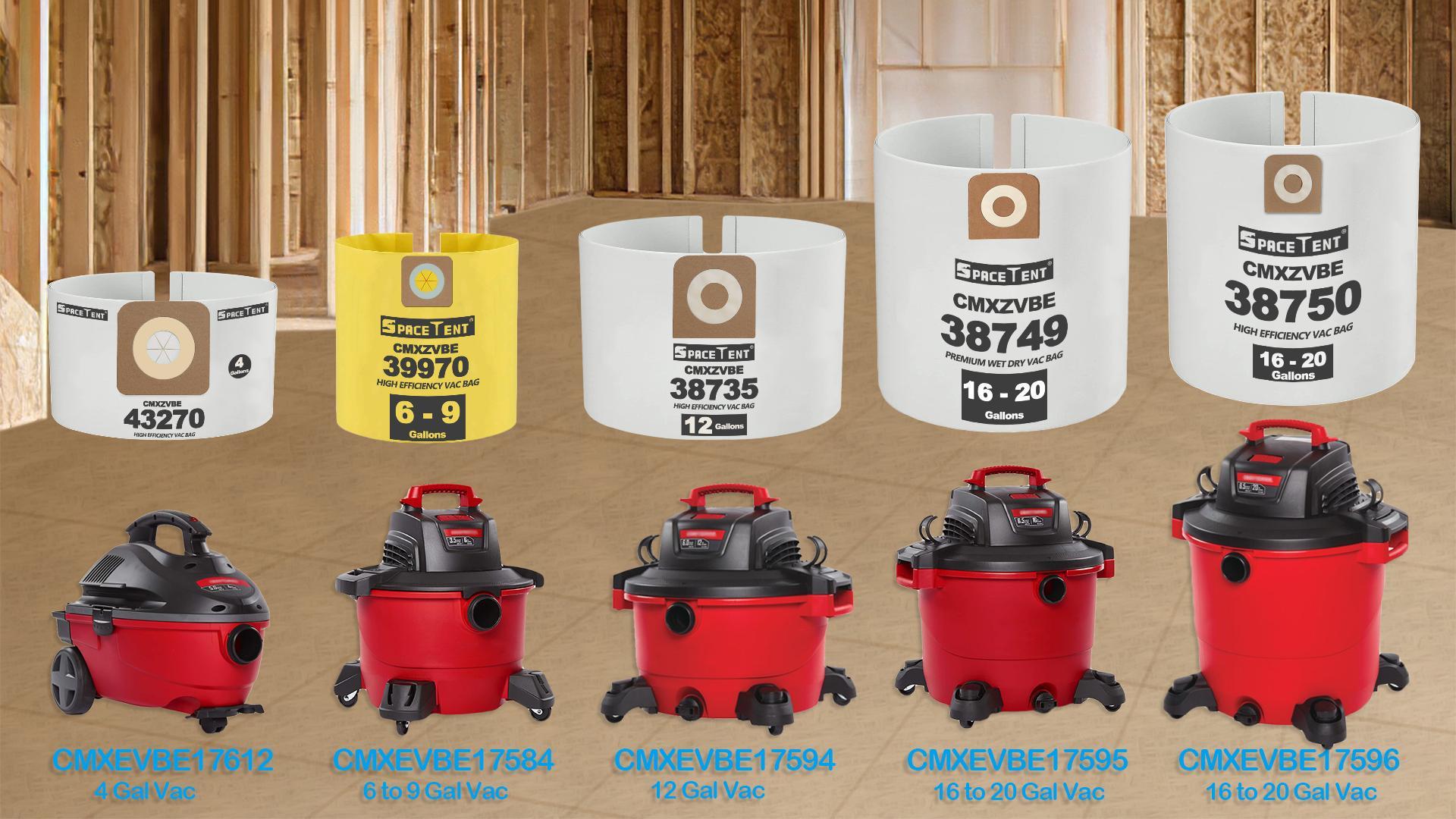
Woodworking shops, drywall remodeling sites, and masonry projects generate abrasive fine dust that can quickly destroy standard household motors. These environments demand dedicated shop vacuums (wet/dry vacs) equipped with fine-dust cartridge filters and fleece collection bags.
In a workshop setting, fine wood dust requires a two-stage dust collection system or a specialized dust extractor rather than a standard shop vac. Dust extractors feature high static lift, automatic filter-cleaning mechanisms, and power-tool actuation outlets that turn the vacuum on automatically when you start your sander or saw.
Evaluating Practical Performance, Suction, and Maintenance
Beyond filtration ratings, daily usability and long-term operating costs dictate whether a vacuum will perform reliably over time.
Airflow versus Sealed Suction (Water Lift)
Manufacturers frequently highlight amperage or wattage, but these metrics measure electrical consumption rather than cleaning performance. Instead, look at two key aerodynamic measurements:
- Airflow (CFM - Cubic Feet per Minute): Measures the volume of air moving through the vacuum. High CFM is essential for picking up larger debris and moving air rapidly.
- Sealed Suction (Water Lift / Inches of Water): Measures the vacuum's ability to lift heavy fine particles against gravity. High water lift is critical for fine dust, heavy dirt, and vertical suction tasks.
Filter Maintenance and Ongoing Costs
Fine dust clogs filter pores rapidly. If you choose a bagless vacuum, you will need to wash or tap out pre-filters frequently, which exposes you to the dust you just cleaned. Bagged systems protect the primary filter by using multi-layered disposable bags that act as the first stages of filtration. While bagged vacuums incur ongoing replacement costs, they offer superior hygiene and protect the motor from abrasive fine dust particles that can cause premature wear.
Common Mistakes to Avoid When Buying a Fine Dust Vacuum
Purchasing cleaning equipment without verifying core metrics often leads to buyer's remorse and persistent indoor air quality issues.
- Assuming bagless means maintenance-free: Emptying bagless fine dust canisters indoors invariably creates a secondary dust cloud, spilling fine particles back onto surrounding surfaces.
- Confusing "HEPA-style" with certified HEPA: Always verify that the manufacturer explicitly states the entire machine is sealed and tested to meet HEPA standards, rather than merely stating the filter media itself is HEPA-grade.
- Using standard shop vacuums for fine drywall or concrete dust: Unfiltered or poorly filtered shop vacs exhaust ultra-fine silica dust directly into the workspace, where it remains airborne and hazardous to inhale. Always use fine-dust fleece bags and specialized fine-particle cartridge filters in shop vacuums.
Frequently Asked Questions
Can I use a regular vacuum for drywall or fireplace ash fine dust?
No. Standard vacuums lack the filtration and sealing required to trap fine ash or drywall dust. Fine ash particles can also pose a fire hazard if hot embers are present, and drywall dust will quickly clog standard filters and destroy unsealed motors.
How often should I replace a HEPA filter in a fine dust vacuum?
Most manufacturers recommend replacing certified HEPA filters every 6 to 12 months, depending on usage frequency and the density of the dust collected. If you notice reduced suction or a persistent musty odor during operation, inspect the filter immediately.
Are bagged vacuums really better for fine dust than bagless models?
Yes, for fine dust applications. Bagged systems enclose the debris securely within a self-sealing pouch, eliminating exposure to airborne particles during disposal. Bagless models require manual emptying, which frequently releases trapped fine particulates back into your environment.
Do I need a professional dust extractor for home DIY projects?
If you are performing extensive drywall sanding, tile cutting, or masonry work, renting or purchasing an OSHA-compliant dust extractor with automatic filter cleaning and HEPA filtration is strongly recommended to protect your respiratory health.
Next Actions for a Confident Purchase
To finalize your decision, audit your specific cleaning requirements: identify the exact types of fine dust you generate, verify that your shortlisted models feature a certified sealed HEPA system, and weigh the convenience of bagged containment against bagless operating costs. By anchoring your purchase in technical specifications rather than marketing claims, you can invest in equipment that reliably protects your indoor environment.
Image Gallery