The Definitive Guide to Humidity Resistant Hair Spray: Achieving Style Longevity in 2026
Humidity resistant hair spray is a specialized cosmetic formulation engineered with moisture-wicking polymers and hydrophobic resins designed to encapsulate the hair shaft, preventing atmospheric water vapor from penetrating the cuticl...
Humidity resistant hair spray is a specialized cosmetic formulation engineered with moisture-wicking polymers and hydrophobic resins designed to encapsulate the hair shaft, preventing atmospheric water vapor from penetrating the cuticle. By creating a physical barrier against hydrogen bond disruption, these sprays maintain the integrity of a hairstyle, preventing frizz, reversion, and limpness in high-dew-point environments.
Contents
The Chemistry Behind Humidity Resistance
Understanding why hair loses its shape in humid conditions requires a look at the molecular structure of keratin. Hair is highly hygroscopic, meaning it readily absorbs water from the air. When water molecules enter the hair shaft, they disrupt the temporary hydrogen bonds formed during styling, causing the hair to revert to its natural texture—often resulting in expansion, frizz, or a complete loss of hold.
Humidity resistant sprays function by utilizing specific synthetic polymers, most commonly PVP/VA copolymers, acrylates, or silicone-based derivatives. These ingredients form a film on the hair surface that acts as a microscopic raincoat. In 2026, the gold standard for high-performance formulas involves multi-polymer complexes that offer flexible hold without sacrificing the "repellent" barrier.
Selecting the Right Formulation for Your Hair Type
Not all humidity resistant sprays are created equal. The efficacy of the product depends on the balance between hold strength and weight. A product that is too heavy will cause fine hair to collapse, while a product that is too light will fail to control thick or coarse textures.
| Hair Type | Recommended Resin Concentration | Key Formulation Requirement |
|---|---|---|
| Fine / Thin | Low to Moderate | Lightweight, fast-drying volatiles |
| Medium | Moderate | Flexible, memory-retaining polymers |
| Thick / Coarse | High | Heavy-duty hydrophobic moisture barriers |
| Chemically Treated | Moderate | UV filters and conditioning humectants |
Proper Application Techniques for Maximum Shielding
The primary mistake users make with humidity resistant products is failing to ensure an even distribution. Because these sprays form a physical barrier, any "missed" patch on the hair shaft provides a gateway for moisture to enter.
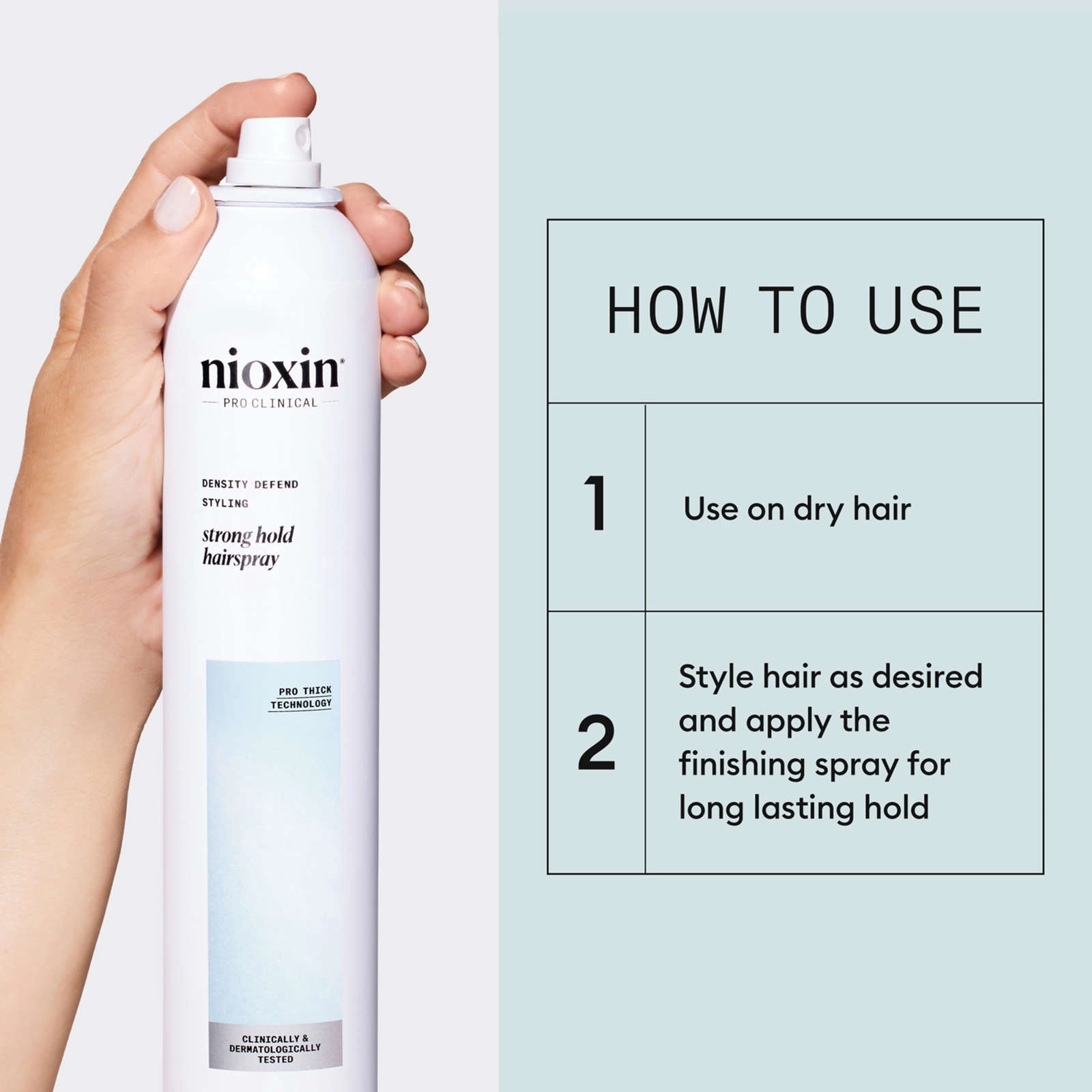
- Pre-Style Prep: Always apply your humidity-blocking spray to clean, dry hair. If your hair is damp, the product cannot form an effective film because the moisture is already inside the shaft.
- Layering Strategy: If you use a heat protectant, ensure it is fully dry before applying the hair spray.
- The 10-Inch Rule: Hold the nozzle at least 10 to 12 inches away from the head. This allows the propellant to dissipate correctly and ensures a fine, even mist rather than localized "wet" spots that can cause clumping.
- Sectioning: For thick hair, lift sections and spray the underside of the hair. Humidity often impacts the nape of the neck first, as perspiration from the skin adds a second layer of moisture.
Evaluating Performance Metrics: What to Look for in 2026
When shopping for high-performance hair care in 2026, industry standards for "humidity resistance" are measured by the curl retention test in a controlled humidity chamber (typically 90% relative humidity at 25°C).
Important Formulation Considerations
Avoid High Alcohol Content: While alcohol helps a spray dry quickly, excessive denatured alcohol can dehydrate the hair, making it more porous. Increased porosity leads to higher moisture absorption, which is exactly what you are trying to prevent.
Silicone Efficacy: Look for ingredients such as Dimethicone or Phenyl Trimethicone. These are highly effective at providing a hydrophobic seal that also imparts high-shine, which is often lost in humid conditions.
Managing Common Frizz Triggers Beyond Humidity
Even the best hair spray cannot compensate for improper internal hair health. If the hair cuticle is significantly damaged or over-processed, the microscopic gaps in the cuticle will allow moisture in regardless of the exterior coating.
- The Protein-Moisture Balance: If your hair feels brittle and frizzy even in dry weather, it likely requires protein treatments to fill the gaps in the cuticle, creating a smoother canvas for your humidity resistant spray.
- Ionic Charge Neutralization: High humidity often creates a static charge that exacerbates frizz. Many 2026 formulations include anti-static agents to neutralize these charges, preventing the "halo" effect.
Frequently Asked Questions
Does humidity resistant hair spray expire? Yes, most professional hair sprays have a shelf life of approximately 24 to 36 months when stored in a cool, dry environment. Over time, the propellant gases can leak or degrade, which affects the spray pressure and the evenness of the polymer distribution, rendering the humidity-blocking properties ineffective.
Can I brush through my hair after applying the spray? Generally, no. Brushing through hair treated with a strong-hold, humidity resistant spray will break the polymer film you just created. This not only destroys the "seal" that keeps humidity out but also causes the product to flake, leaving white residue on the hair.
Will humidity resistant sprays cause buildup? High-performance resins are designed to be water-insoluble to resist humidity, which means they can accumulate on the scalp and hair over time. It is essential to use a clarifying shampoo at least once a week to remove these deposits and reset the hair’s ability to absorb moisture-locking treatments.
Is "Humidity Resistant" the same as "Waterproof"? No, these terms are distinct in hair care. Humidity resistant products are formulated to block ambient water vapor in the air. Waterproof products (typically heavy pomades or waxes) are designed to withstand liquid water immersion, which would require much heavier, less flexible ingredients.
Do these sprays work on naturally curly hair? They are highly effective for curly textures, as they prevent the "expansion" associated with humidity. However, you should look for formulas labeled as "flexible" or "touchable" to avoid the crunchy texture that can lead to breakage in fragile curly strands.
Final Recommendations for Your 2026 Routine
To maintain your style regardless of the forecast, integrate a humidity-blocking regimen that starts in the shower. Utilize sulfate-free cleansers that don't strip the hair's natural oils, as stripped hair is more prone to moisture absorption. When selecting your spray, prioritize products that list "copolymer" early in the ingredient list, as this indicates a higher concentration of the barrier-forming agents required to stand up to extreme weather conditions. If you reside in a region with consistently high dew points, layering a lightweight anti-humidity serum underneath your hair spray will provide a dual-defense system that covers both the cuticle health and the surface seal.
Image Gallery