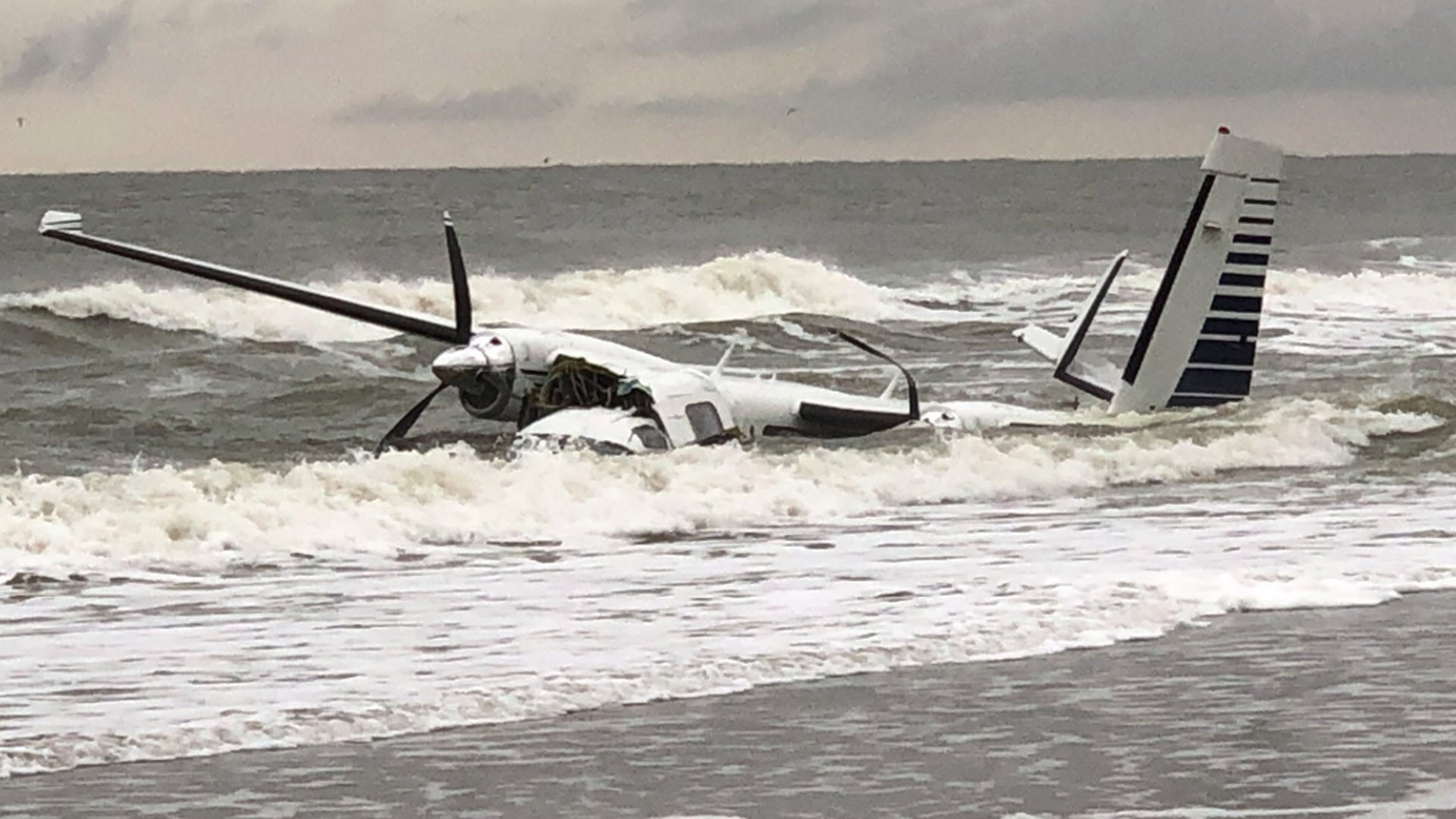
How Plane Crashes in Water Improve Aviation Safety and Engineering
When an aircraft is forced to ditch or crashes into a body of water, the event triggers an exhaustive multi-agency investigation that fundamentally shapes modern aviation safety, structural engineering, and emergency evacuation protoco...
When an aircraft is forced to ditch or crashes into a body of water, the event triggers an exhaustive multi-agency investigation that fundamentally shapes modern aviation safety, structural engineering, and emergency evacuation protocols.
Contents
Understanding how plane crashes in water affect safety requires looking past the immediate tragedy to examine how naval recovery operations, flight recorder data analysis, and hydrodynamic stress studies translate into mandatory airworthiness directives. While water impacts are statistically rare compared to land-based accidents, they present unique survivability challenges—ranging from severe structural break-up due to high-density fluid resistance to complex cabin submersions. Regulators like the Federal Aviation Administration (FAA) and the International Civil Aviation Organization (ICAO) utilize data from these rare events to refine flotation standards, redesign emergency exit paths, and mandate advanced underwater locator beacons.
The Unique Dynamics of Water Impacts
Water acts as a non-compressible fluid, meaning that high-speed impacts generate extreme deceleration forces and structural shear loads that differ fundamentally from impacts on terra firma. When an aircraft strikes water, the kinetic energy dissipation happens almost instantaneously, often tearing fuselage panels away from structural frames.
The angle of impact dictates whether an aircraft skips across the surface or decelerates catastrophically. Controlled ditching—where a pilot deliberately lands on water with engines shut down—relies on calm surface conditions and precise pitch control. However, uncontrolled descents into oceans or deep lakes subject the airframe to localized hydraulic pressure spikes. These spikes routinely cave in the cockpit floorboards, rupture cargo holds, and compromise cabin integrity before water even begins to flood the interior.
Hydrodynamic Loading and Airframe Integrity
Engineering teams analyze recovered fuselage sections to map hydrodynamic loading patterns. Unlike soil or concrete, which absorbs impact energy through crushing and displacement, water forces its way through seams, rivets, and emergency exits.
- Skin Panel Separation: High-pressure water rushes into the forward underbelly, shearing skin panels outward and exposing structural stringers.
- Engine Separation: Wing-mounted engines experience immense rotational drag upon water entry, frequently shearing off at the pylons to prevent catastrophic wing-spar rupture.
- Floor Beam Deflection: Downward hydrostatic pressure pushes upward against the cabin floor, buckling passenger seats and jamming evacuation slide mechanisms.
Investigations and Underwater Recovery Operations
Retrieving wreckage and flight data recorders from deep water demands specialized marine salvage operations, underwater robotics, and sophisticated acoustic tracking. The insights gained from these deep-water recoveries directly drive regulatory changes in aircraft design.
Locating and Recovering Black Boxes
The search for flight data recorders (FDRs) and cockpit voice recorders (CVRs) in oceanic environments relies on Underwater Locator Beacons (ULBs) attached to the recorders. These beacons emit acoustic pings at 37.5 kHz, which are detected by towed pinger locators or autonomous underwater vehicles (AUVs).
Historically, ULB batteries lasted roughly 30 days, prompting regulatory amendments following landmark deep-water accidents to extend beacon battery life to 90 days and mandate low-frequency, long-range beacons on wide-body aircraft. Once located, marine salvage teams utilize deep-sea submersibles to map debris fields and safely hoist fragile electronic components to the surface without destroying magnetic media or solid-state memory chips.
Comparative Analysis of Land vs. Water Accident Investigations
| Investigation Parameter | Land-Based Accidents | Water-Based Accidents | Primary Safety Impact |
|---|---|---|---|
| Wreckage Preservation | High fragmentation; fire damage is common. | Lower thermal damage; higher hydrostatic fragmentation. | Preserves unburned cabin materials for flammability and toxicity studies. |
| Recorder Recovery | Readily accessible from the fuselage tail section. | Requires deep-sea marine salvage and acoustic tracking. | Led to extended ULB battery mandates and real-time flight data streaming concepts. |
| Human Factors Evidence | Forensic analysis focuses on thermal injuries and blunt force trauma. | Forensic analysis must differentiate impact trauma from drowning and hypothermia. | Informs modern life vest design, raft deployment mechanisms, and cold-water survival guidelines. |
Cabin Submersion and Human Survivability
Survival in a water crash is heavily dictated by post-impact events: how rapidly the cabin floods, the orientation of the aircraft upon settling, and the passengers' ability to navigate dark, inverted, or submerged environments.
When a fuselage breaches below the waterline, air pockets form near the luggage bins, but these compress and disappear as water levels rise. Passengers face immediate disorientation, freezing temperatures, and the psychological barrier of unbuckling in a submerged, upside-down cabin.
Emergency Evacuation and Flotation Innovations
Post-accident analyses of water landings have driven substantial improvements in cabin safety equipment and evacuation standards. Certification requirements now mandate that transport category aircraft demonstrate the complete evacuation of a fully loaded cabin in 90 seconds, utilizing half of the available emergency exits, with specific testing protocols for slide-raft deployments.
- Slide-Raft Hybrids: Modern evacuation slides double as multi-person life rafts, equipped with automatically deployed canopy covers, sea anchors, and survival kits containing desalinators and thermal protective aids.
- Emergency Lighting: Floor-proximity escape path lighting systems are now required to operate on independent battery backups, ensuring visibility when primary electrical systems fail upon water immersion.
- Seat Cushion Flotation: Federal airworthiness regulations mandate that passenger seat cushions utilize buoyant materials, allowing them to be detached and used as personal flotation devices in an emergency.
Regulatory Evolution and Engineering Countermeasures
Every major water accident serves as a catalyst for rule-making changes implemented by aviation authorities globally. These changes target structural vulnerabilities, electrical safety, and crew training methodologies.
Following deep-water incidents, airframe manufacturers modified structural drain valves and outflow valves to prevent uncommanded flooding during minor water contact. Furthermore, electrical bus-tie logic was redesigned to automatically shed non-essential loads upon immersion, minimizing the risk of passenger electrocution inside a flooded cabin.
Dynamic Safety Improvements Triggered by Water Crashes
- Mandatory Ditching Checklists: Flight crews undergo rigorous simulator training for water ditching, factoring in wind shear, wave height, and weight distribution.
- Structural Reinforcement: Keel beams and lower fuselage frames are reinforced to withstand localized hydrodynamic loads without buckling into the passenger compartment.
- Enhanced Life-Saving Equipment Standards: Technical Standard Orders (TSOs) for life vests and rafts are continuously updated to improve durability, inflation speed, and visibility in high-sea states.
Frequently Asked Questions
What happens to an airplane when it crashes into water?
An airplane crashing into water experiences severe deceleration and hydrodynamic loading. The non-compressible nature of water often causes the fuselage to break apart, shear off engines, and flood rapidly, depending on the impact angle and speed.
How do investigators find plane black boxes underwater?
Investigators use specialized vessels equipped with towed pinger locators and autonomous underwater vehicles to listen for the 37.5 kHz acoustic signals emitted by the Underwater Locator Beacons attached to the flight recorders.
Are airplanes designed to float on water?
Commercial airliners are not designed to float indefinitely like boats. However, sealed cargo holds, empty fuel tanks, and structural air pockets provide temporary buoyancy during a controlled ditching, giving occupants time to evacuate.
How long do underwater locator beacon batteries last?
Modern international regulations mandate that underwater locator beacons on commercial flight recorders must have batteries capable of operating for a minimum of 90 days after activation.
What is the primary cause of fatalities in water plane crashes?
While impact forces cause initial trauma, fatalities in survivable water crashes are frequently attributed to rapid cabin flooding, disorientation during evacuation, trauma sustained during violent water entry, and subsequent hypothermia.
Conclusion and Next Actions
Plane crashes in water remain catastrophic events, but analyzing their mechanics has yielded some of the most profound safety advancements in aviation history. From the structural hardening of lower fuselages to the global standardization of 90-day underwater locator beacons and dual-purpose slide-rafts, every facet of modern air travel is influenced by maritime mishap data. For aviation professionals, engineers, and researchers, consulting official investigative reports from bodies like the National Transportation Safety Board (NTSB) provides the definitive technical baseline for understanding ongoing safety modifications.
Image Gallery