The Cast of Wuthering Heights 2026: Full Ensemble and Lockwood’s Role
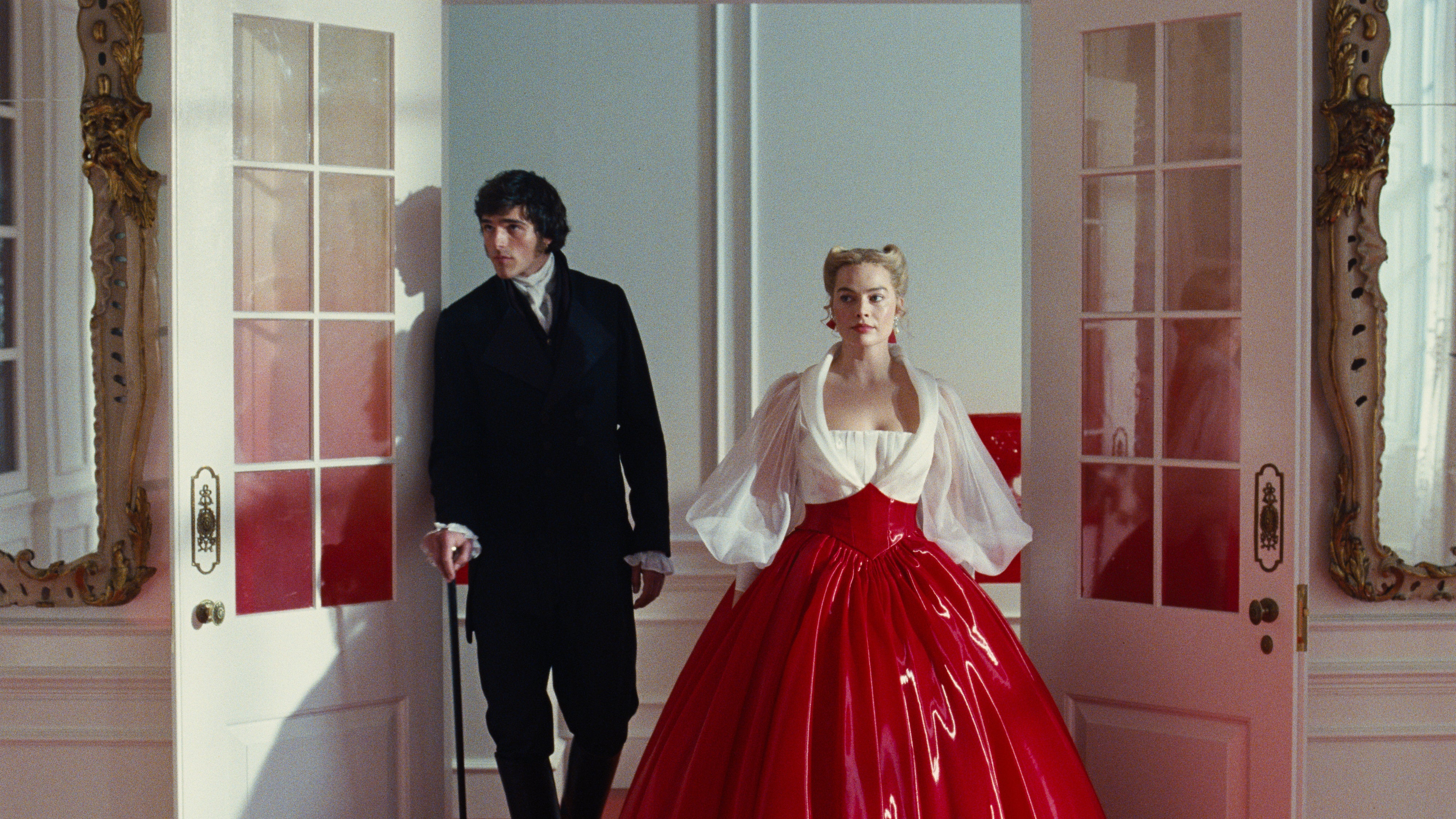
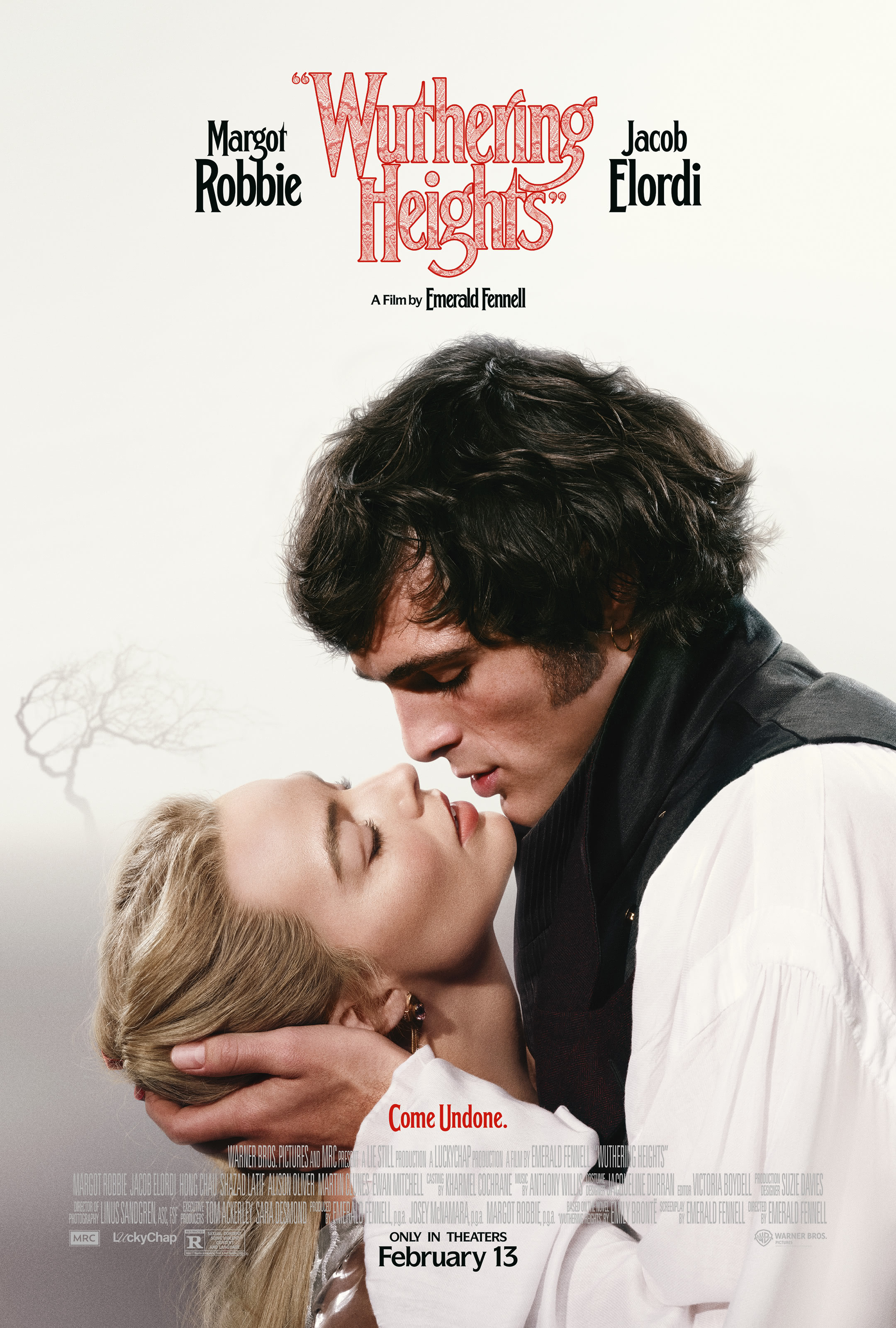
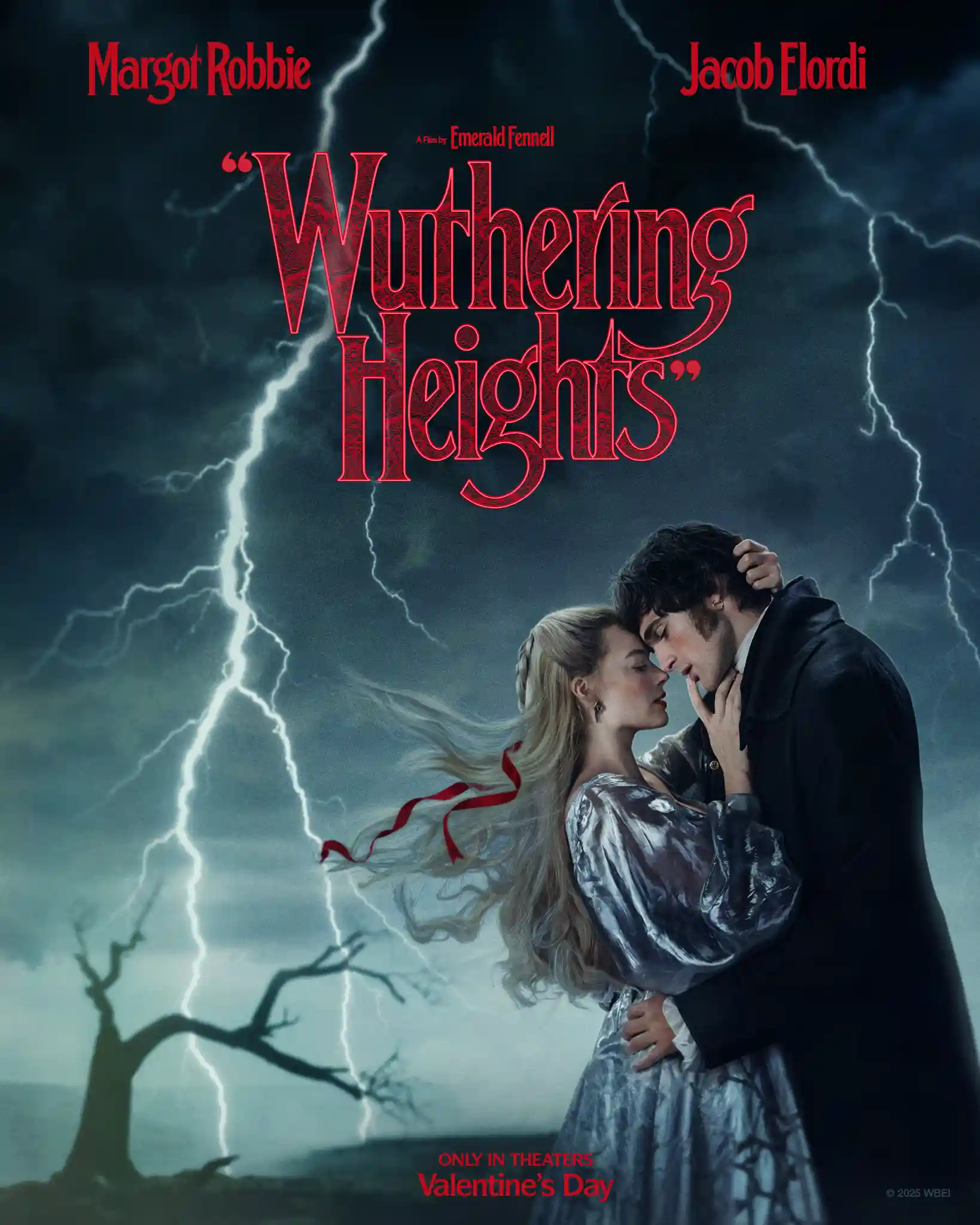
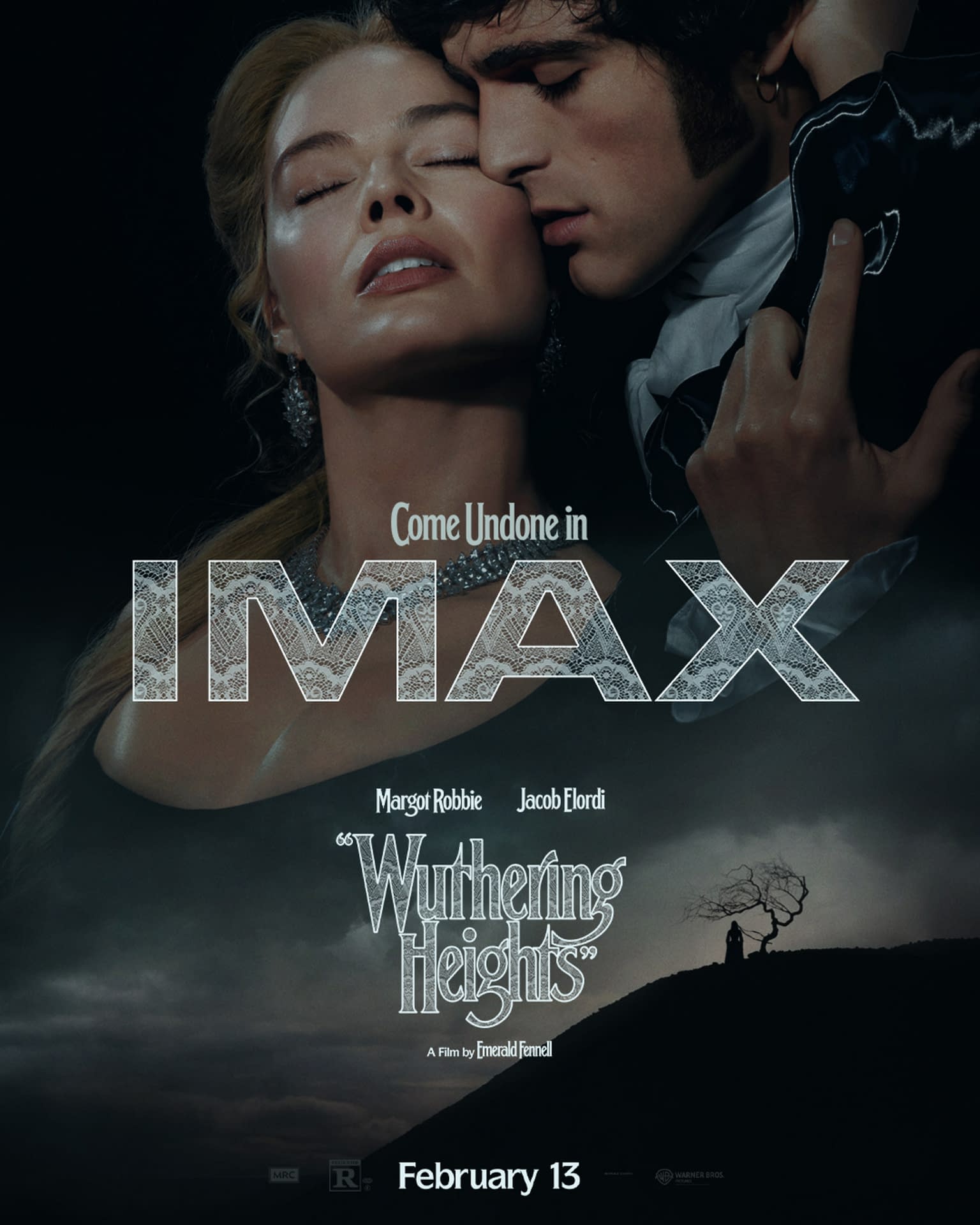
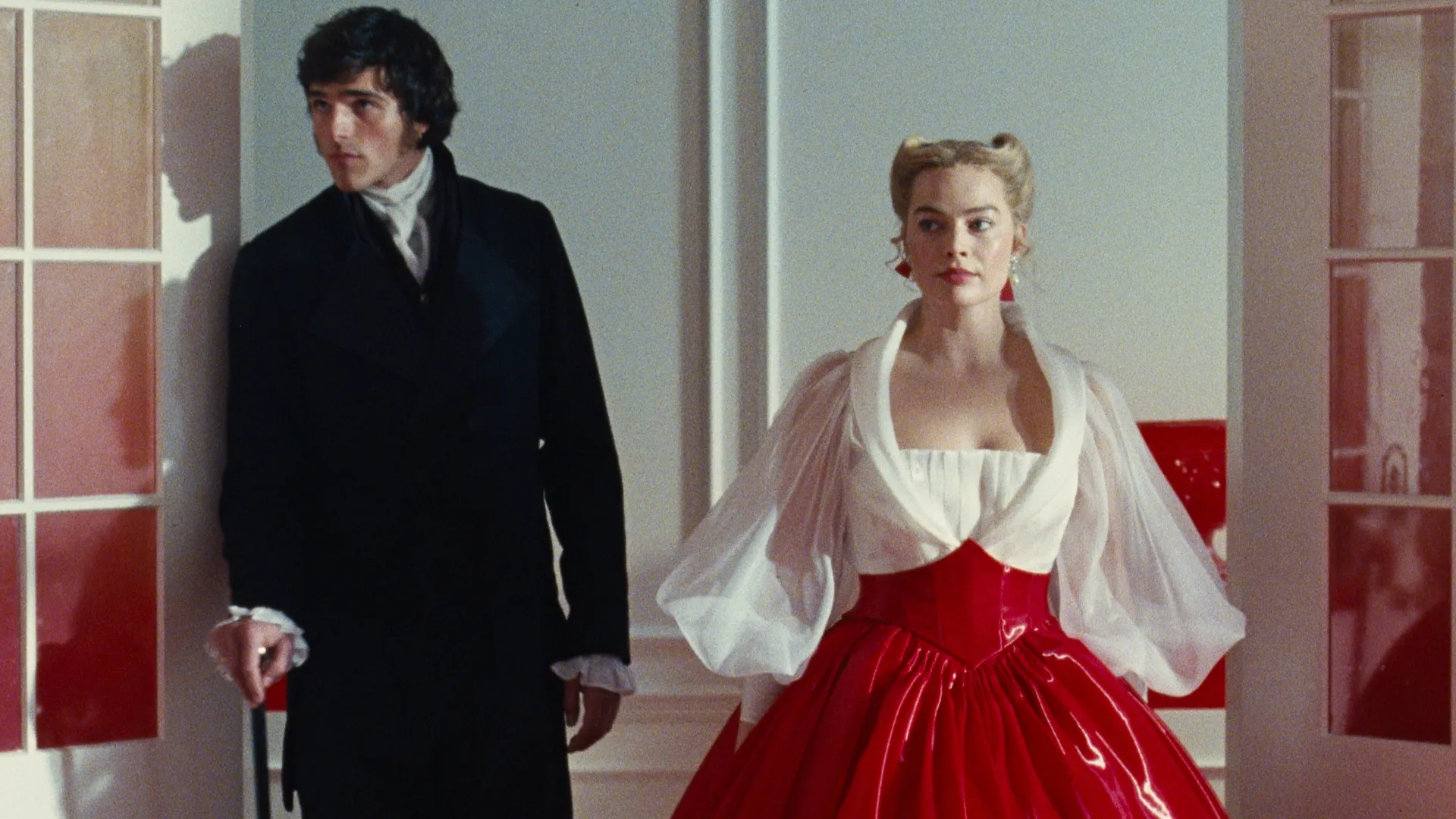
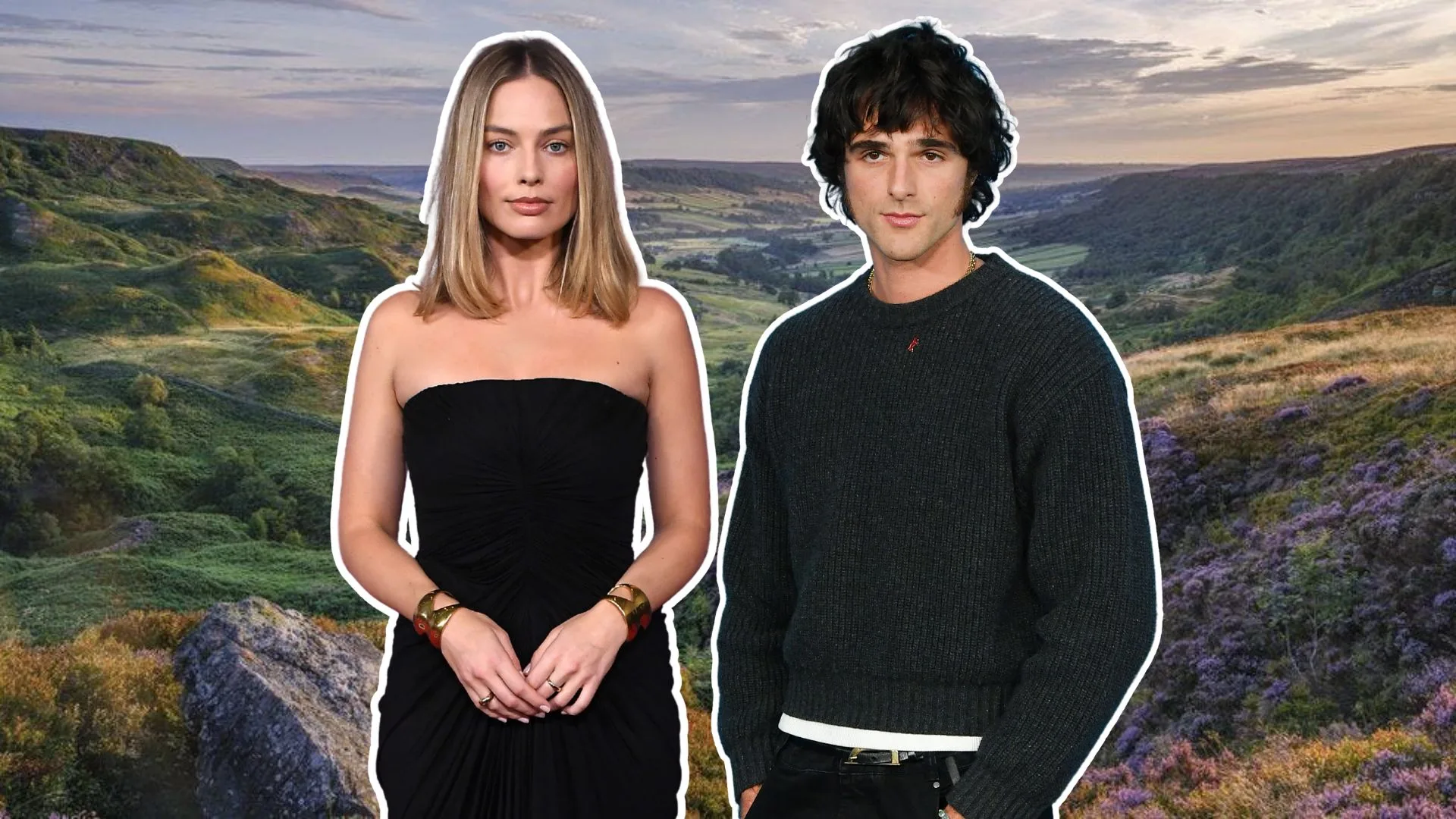
In the 2026 cinematic adaptation of Emily Brontë’s Wuthering Heights, directed by Emerald Fennell, the cast is led by Margot Robbie as Catherine Earnshaw and Jacob Elordi as Heathcliff. This production is notable for restoring the char...
In the 2026 cinematic adaptation of Emily Brontë’s Wuthering Heights, directed by Emerald Fennell, the cast is led by Margot Robbie as Catherine Earnshaw and Jacob Elordi as Heathcliff. This production is notable for restoring the character of Mr. Lockwood as the central framing narrator, a role often minimized in previous film versions.
Contents
Emerald Fennell’s Wuthering Heights has become one of the most discussed literary adaptations of the decade. Produced by LuckyChap and distributed by Warner Bros. Pictures, the film seeks to capture the "gothic obsession" and raw psychological violence of the 1847 novel. Unlike the 1939 classic or the 1992 Paramount version, the 2026 film leans heavily into the unreliable narration provided by Mr. Lockwood, the tenant of Thrushcross Grange who first encounters the ghost of Catherine.
The Lead Pairing: Margot Robbie and Jacob Elordi
The casting of Margot Robbie and Jacob Elordi as the central tragic lovers, Catherine and Heathcliff, has been a cornerstone of the film’s 2026 marketing strategy. This pairing marks a significant departure from traditional period-drama casting, bringing two of Hollywood's most prominent contemporary stars to the bleak Yorkshire moors.
Margot Robbie as Catherine Earnshaw
Margot Robbie, who also serves as a producer on the film through her company LuckyChap, portrays a Catherine Earnshaw that aligns with Brontë's original description: wild, headstrong, and deeply conflicted. In this 2026 version, the focus is on Catherine’s descent into madness and her existential connection to the moors. Critics have noted that Robbie’s performance emphasizes the character's selfishness and volatility, moving away from the "tragic victim" archetype often seen in older adaptations.
Jacob Elordi as Heathcliff
Jacob Elordi’s casting as Heathcliff sparked significant debate regarding the character's ethnicity and the novel's descriptions of him as "dark-skinned" or a "Lascar." Fennell’s direction utilizes Elordi’s height and brooding physicality to emphasize Heathcliff’s status as an outsider and a physical threat to the established order of Gimmerton. The 2026 script focuses on Heathcliff’s transition from a victimized child to a vengeful, wealthy landlord, with Elordi portraying the character’s cruelty with a modern, psychological edge.
The Critical Role of Mr. Lockwood in the 2026 Adaptation
One of the most frequent questions regarding the 2026 production is the inclusion of Mr. Lockwood. In the original novel, Lockwood is the sophisticated but somewhat oblivious outsider who rents Thrushcross Grange from Heathcliff. He serves as the audience’s entry point into the story, recording the history of the Earnshaws and Lintons as told to him by the housekeeper, Nelly Dean.
Many previous film adaptations (such as the 1939 version starring Laurence Olivier) completely omit Lockwood to focus on the romantic elements of the first half of the book. However, Emerald Fennell has prioritized the "story within a story" structure. By including Lockwood, the 2026 film maintains the gothic framing device, highlighting the theme of how trauma and obsession are passed down through storytelling.
The actor portraying Lockwood in this version provides a stark contrast to the ruggedness of Heathcliff. Lockwood represents the "civilized" world of London, and his inability to truly understand the primal nature of the moors serves as a commentary on the class divide that permeates the narrative.
The Supporting Ensemble: Lintons and Earnshaws
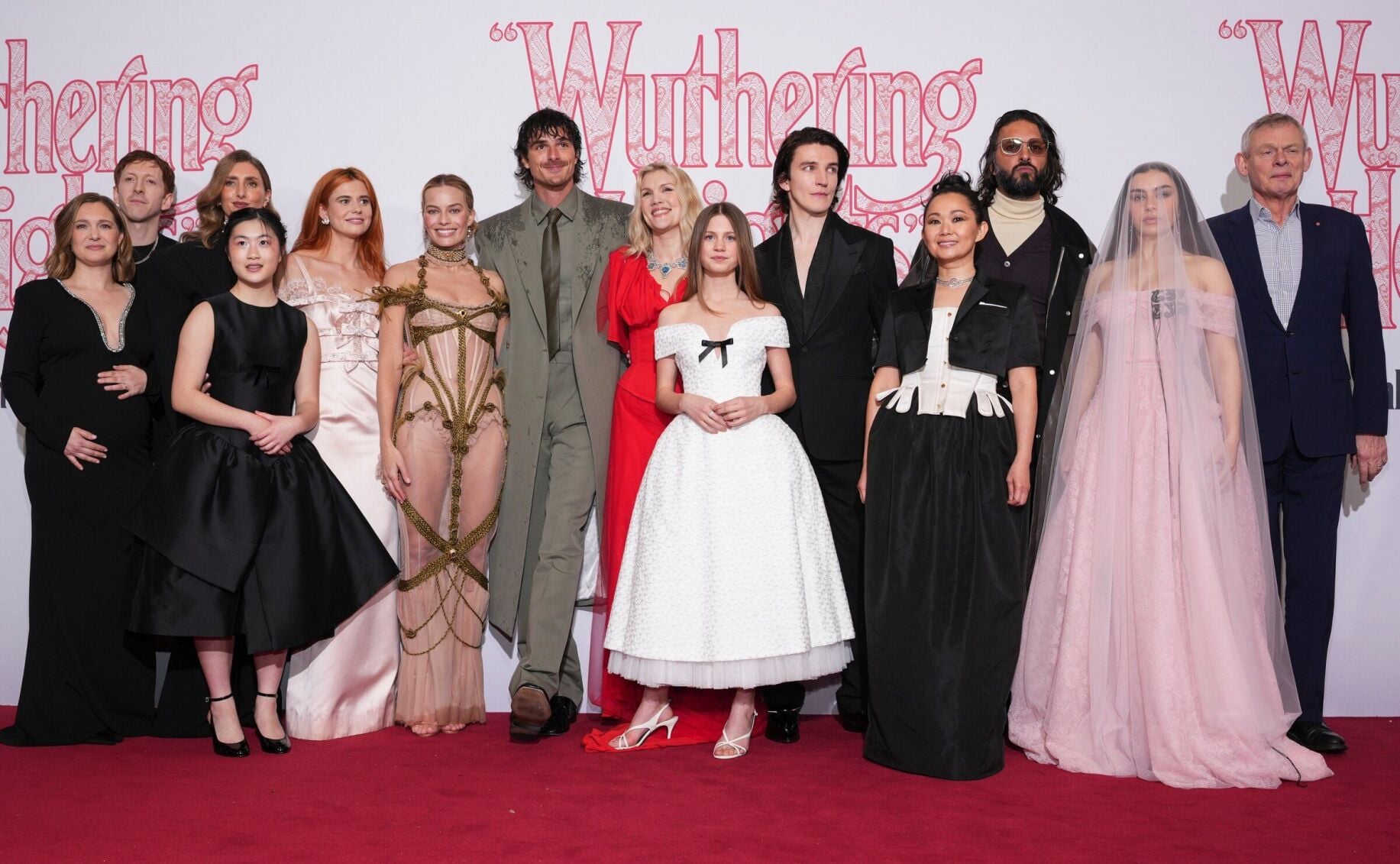
The strength of the Wuthering Heights 2026 cast extends beyond the leads. The film meticulously populates the two houses—Wuthering Heights and Thrushcross Grange—to showcase the generational decay inherent in the plot.
- Nelly Dean: As the secondary narrator, Nelly Dean is the character who provides Lockwood with the details of Catherine and Heathcliff’s childhood. In the 2026 version, Nelly is portrayed with a complex morality, suggesting that her interference may have contributed to the tragedy.
- Edgar Linton: The antithesis to Heathcliff, Edgar is the refined, wealthy master of Thrushcross Grange whom Catherine chooses to marry. The casting focuses on Edgar’s genuine kindness, which makes Catherine’s eventual betrayal and emotional abandonment all the more devastating.
- Isabella Linton: Edgar’s sister, who falls victim to Heathcliff’s vengeful charms, is played with a shift from naive socialite to a broken, resilient survivor. This arc is given more screen time in 2026 than in previous iterations, emphasizing the cycle of domestic abuse.
- Hindley Earnshaw: Catherine’s brother and Heathcliff’s tormentor. The 2026 production explores Hindley’s alcoholism and grief following the death of his wife, Frances, providing a more humanized look at his descent into villainy.
Cast and Character Breakdown
| Actor | Character | Role Description |
|---|---|---|
| Margot Robbie | Catherine Earnshaw | The passionate and self-destructive heroine of the moors. |
| Jacob Elordi | Heathcliff | The vengeful protagonist whose obsession transcends death. |
| To Be Confirmed | Mr. Lockwood | The narrator and tenant of Thrushcross Grange. |
| TBA | Nelly Dean | The housekeeper who recounts the history of the families. |
| TBA | Edgar Linton | Catherine’s husband and the master of the Grange. |
| TBA | Isabella Linton | Edgar’s sister who marries Heathcliff to her regret. |
| TBA | Hindley Earnshaw | Catherine’s brother whose cruelty fuels Heathcliff’s fire. |
| TBA | Hareton Earnshaw | The disenfranchised son of Hindley, part of the second generation. |
Production Vision: Why 2026?
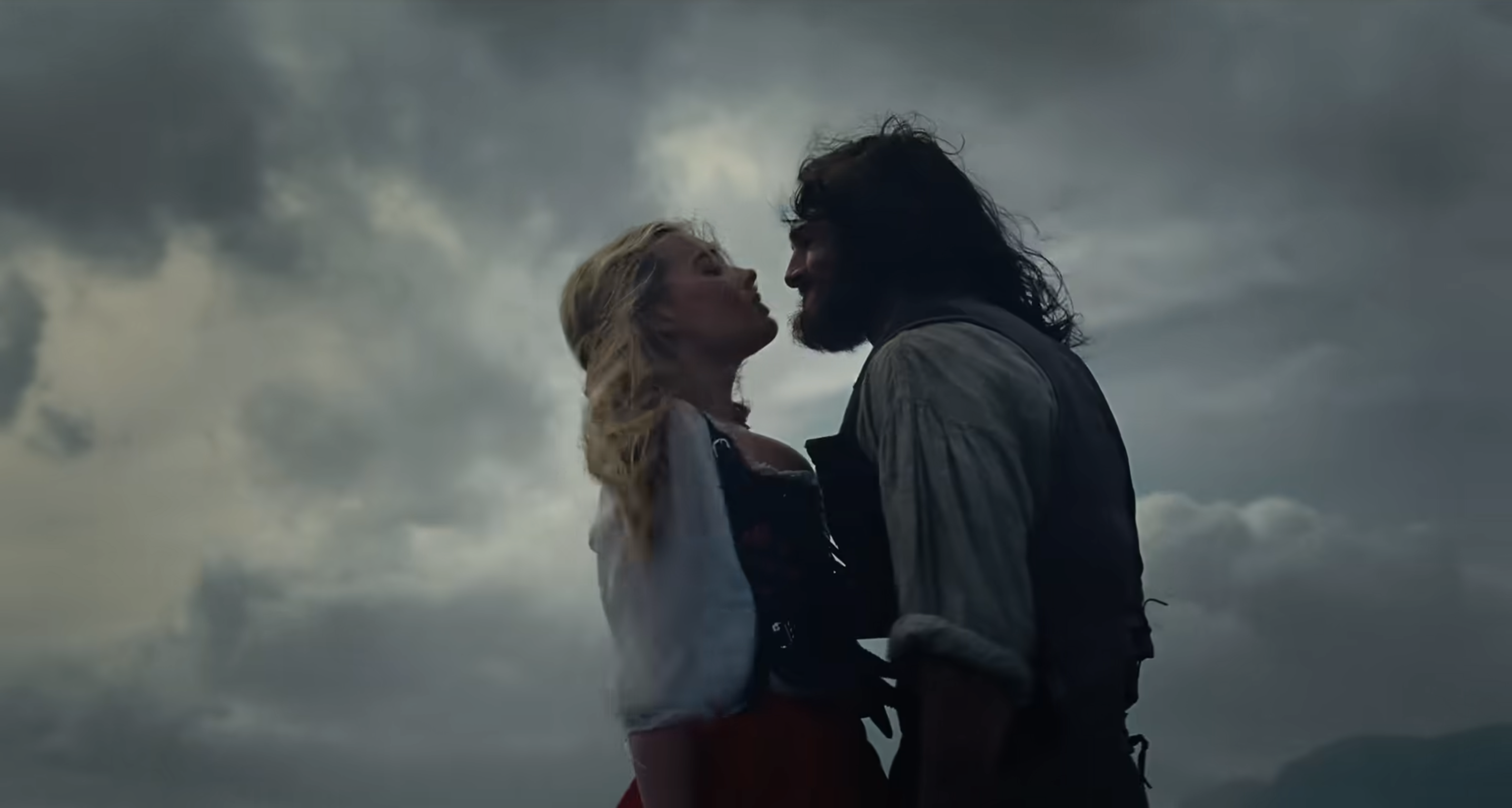
The release of Wuthering Heights in 2026 follows a resurgence of "Gothic Noir" in cinema. Director Emerald Fennell, fresh from the success of Saltburn, has brought a stylized, almost feverish aesthetic to the production. Filmed on location in the UK, particularly across the Yorkshire Dales, the movie utilizes the natural landscape to evoke the "wuthering" (stormy) atmosphere described by Brontë.
The 2026 adaptation also benefits from modern technical standards. The cinematography by Linus Sandgren (a frequent collaborator of Fennell’s) uses a mix of 35mm and 65mm film to capture the vastness of the moors versus the claustrophobia of the Heights. The costume design avoids the overly pristine look of traditional BBC adaptations, opting instead for textiles that look weathered, lived-in, and appropriately period-accurate for the late 18th century.
The Focus on the Second Generation
A common critique of Wuthering Heights movies is the exclusion of the "second half" of the book, which follows the children of the original characters (Young Catherine, Linton Heathcliff, and Hareton Earnshaw). The 2026 film is structured as an epic that includes these characters, ensuring that the resolution of the Earnshaw/Linton feud is fully realized. Lockwood’s presence is essential here, as he witnesses the final redemption of the family line through Hareton and Young Catherine.
Comparison with Historic Castings
To understand the impact of the 2026 cast, it is helpful to look at how these roles have been interpreted in the past.
- 1939 (Samuel Goldwyn): Merle Oberon and Laurence Olivier. This version is iconic but cuts the second generation and Lockwood's framing entirely, turning the story into a standard Hollywood romance.
- 1992 (Paramount): Juliette Binoche and Ralph Fiennes. This version included the second generation (with Binoche playing both Catherines) and featured a brief appearance by Lockwood, though it was criticized for its pacing.
- 2009 (ITV): Charlotte Riley and Tom Hardy. A television miniseries that focused heavily on the chemistry between the leads, which famously translated into a real-life marriage between the actors.
- 2011 (Ecosse Films): Kaya Scodelario and James Howson. Directed by Andrea Arnold, this version was praised for its gritty realism and for casting a Black actor as Heathcliff, though it stripped away much of the dialogue and the Lockwood narrator.
The 2026 cast bridges the gap between these versions by maintaining the star power of the 1939 film while adhering to the dark, complete narrative structure of the 1992 and 2011 versions.
Frequently Asked Questions
Who plays Lockwood in the 2026 version of Wuthering Heights?
While the primary focus of the marketing has been on Margot Robbie and Jacob Elordi, the role of Lockwood is played by a supporting actor chosen to reflect the character's status as a refined, urban outsider. His role is central to the film's structure as he provides the perspective through which the audience views the tragedy.
Is the 2026 Wuthering Heights faithful to the book?
Yes, Emerald Fennell's adaptation is noted for its fidelity to the book’s structure, including the presence of Mr. Lockwood and the full "second generation" plotline involving Hareton Earnshaw and Young Catherine. It moves away from the "romance" angle to focus on the darker themes of revenge and social class.
Where was the 2026 Wuthering Heights filmed?
The production was filmed on location in Yorkshire, England. Specific sites include the rugged landscapes near Haworth (the home of the Brontës) and various historic estates that served as the inspiration for Wuthering Heights and Thrushcross Grange.
Does Margot Robbie play two characters in the film?
In many adaptations that include the second generation, the actress playing Catherine Earnshaw also plays her daughter, Catherine Linton. In the 2026 version, Fennell utilizes this tradition to highlight the cyclical nature of the story, though with distinct styling to differentiate the two women.
Why is Jacob Elordi's casting as Heathcliff controversial?
The controversy stems from the novel's description of Heathcliff as "dark-skinned" and possibly of Romani or South Asian descent. Some fans felt the 2026 production missed an opportunity for more accurate representation, while others argued that Elordi’s performance captures the character's internal intensity and status as a social pariah.
Final Recommendation for Viewers
For those planning to watch the 2026 adaptation, it is highly recommended to revisit the opening chapters of Emily Brontë’s novel. Understanding the role of Lockwood and the way he filters the story through his own biases will greatly enhance the viewing experience. This film is not a traditional romance; it is a gothic psychological thriller. Expect a visceral, visually stunning exploration of obsession that honors the source material's darkness while utilizing the immense talent of its modern cast.
Image Gallery