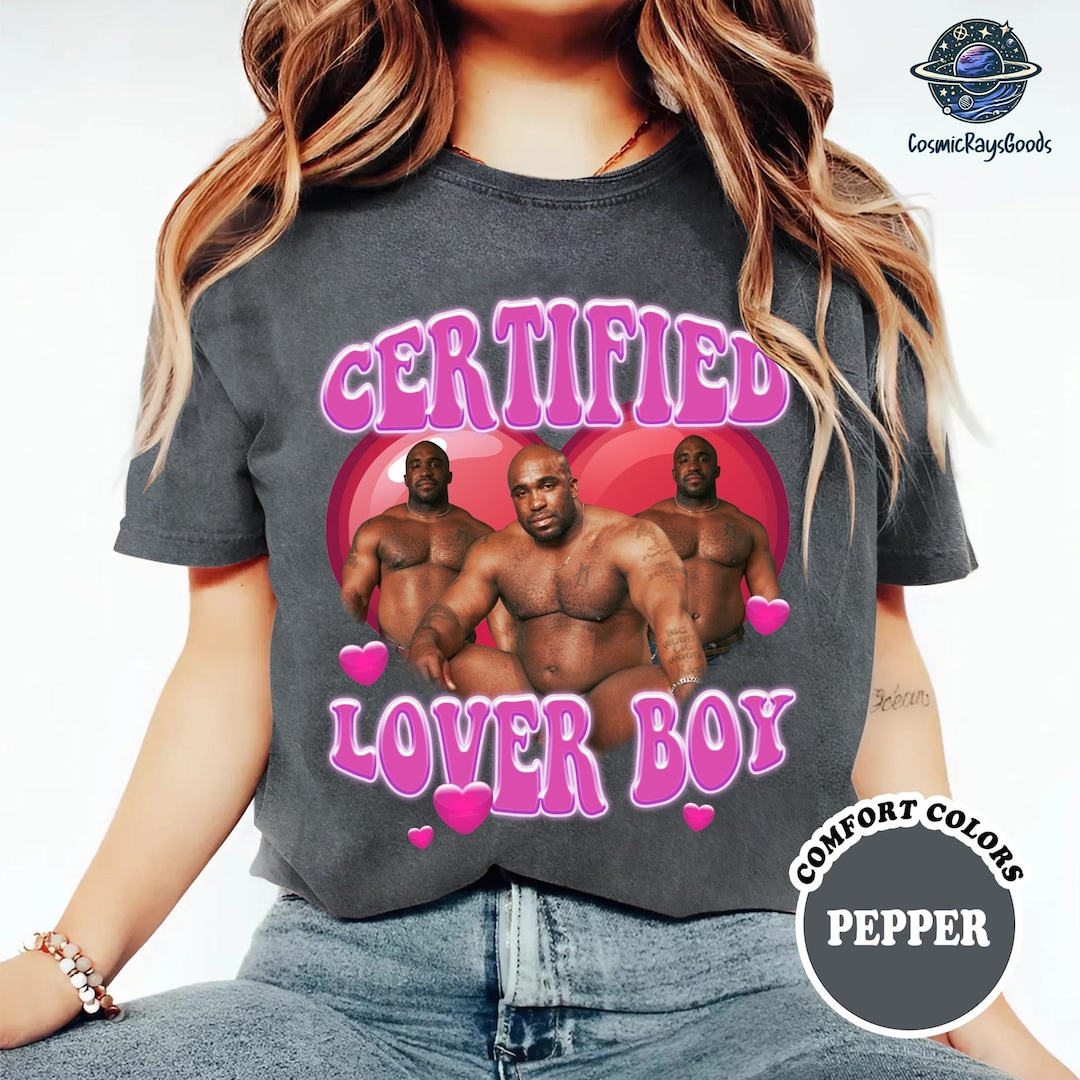
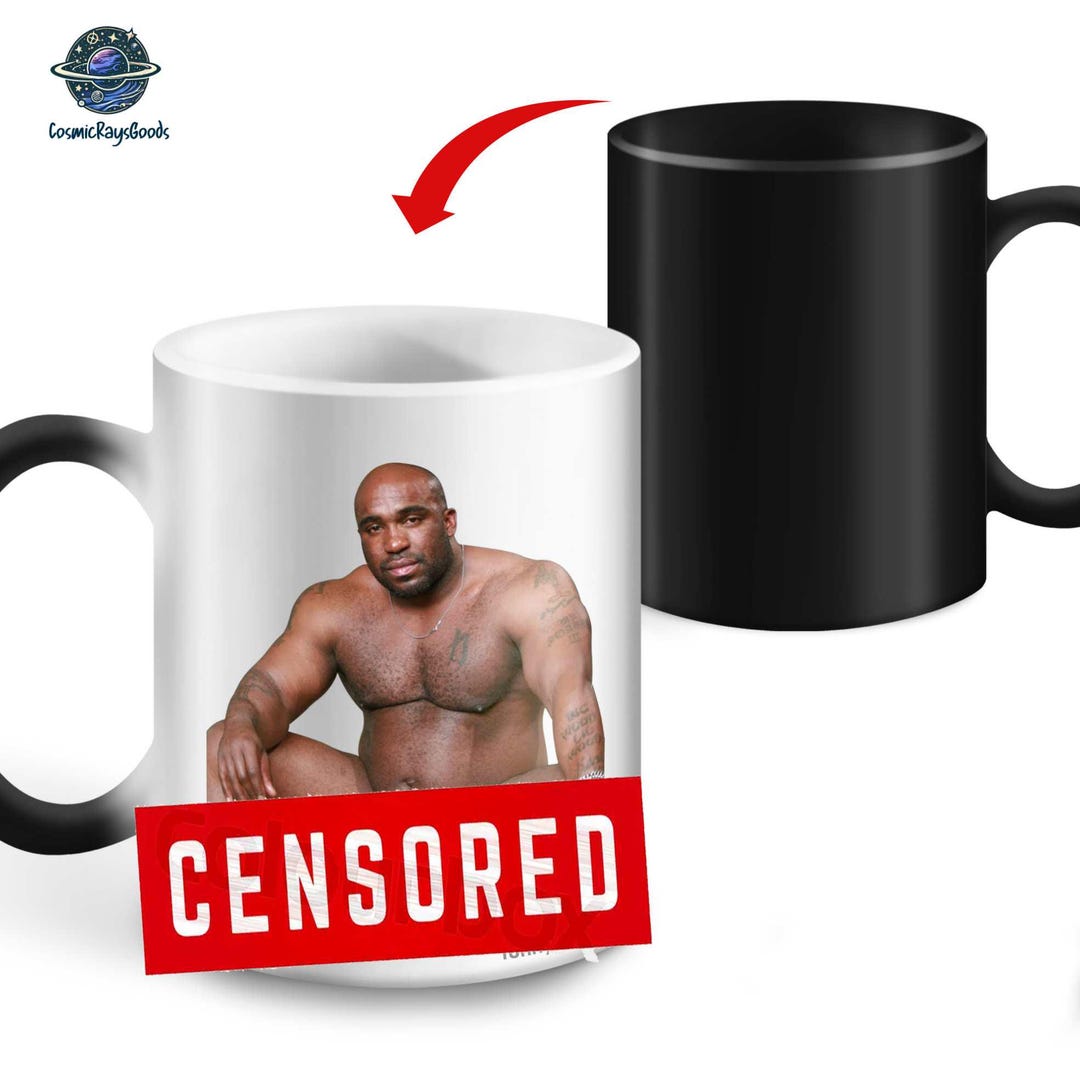
Understanding the Phenomenon of Barry Wood Sitting on Bed Full Image
The iconic meme featuring Barry Wood sitting on a bed in full display became a viral internet sensation due to its widespread shock value and unexpected ubiquity across digital platforms. This phenomenon highlights how viral media spre...
The iconic meme featuring Barry Wood sitting on a bed in full display became a viral internet sensation due to its widespread shock value and unexpected ubiquity across digital platforms. This phenomenon highlights how viral media spreads rapidly through social networks, turning specific imagery into enduring internet culture references by 2026.
Contents
The Origins and Rise of the Barry Wood Internet Phenomenon
The trajectory of the image involving Barry Wood began in private adult entertainment spaces before breaching mainstream social media channels. Understanding its ascension requires looking at how digital communities consume, share, and repurpose shock media into memes.
Initially circulated on niche forums, the image transitioned into mainstream platforms like Twitter, Reddit, and Discord. Users quickly realized the disruptive potential of the uncropped, full-image format. By leveraging the element of surprise, internet users began embedding the photograph into innocent-looking hyperlinks, calendar invites, and document shares. This tactic transformed a static picture into a pervasive digital practical joke.
The meme's longevity stems from its surreal nature and the collective participation of online communities. Rather than fading quickly like standard viral trends, the joke endured through self-referential humor, endless variations, and its role as a rite of passage for new internet users navigating unsuspecting spaces.
Technical Anatomy and Formats of the Viral Media
Analyzing the technical specifications and distribution vectors of the image explains how it maintained such high visibility across various online architectures.
| Media Aspect | Technical Description | Impact on Virality |
|---|---|---|
| Resolution & Format | Typically high-contrast JPEG or PNG files, often compressed for rapid sharing. | Ensures quick loading times across messaging apps and web browsers. |
| Embedding Methods | Hyperlinks disguised as normal URLs, document previews, or image embeds. | Triggers immediate visual engagement before the recipient can process the context. |
| Platform Distribution | Spanned across Slack, Discord, Microsoft Teams, and standard text messaging. | Targets both casual social environments and professional digital workspaces. |
| Censorship & Moderation | Triggered automated content filters and NSFW (Not Safe For Work) flags on strict platforms. | Created a cat-and-mouse dynamic between moderators and meme participants. |
The technical delivery mechanism relies heavily on preview generation in modern chat applications. When a user pastes a direct link without markdown text, applications like Slack or Discord automatically fetch and render the image preview. This automated feature inadvertently became the primary weapon for propagating the joke.
Cultural Impact and Digital Safety Considerations
While the meme is largely treated as harmless humor within certain online circles, it introduces significant questions regarding digital etiquette, consent, and workplace safety.
Digital Workplace Etiquette The integration of shock imagery into professional communication channels poses real risks to employment and digital hygiene. Organizations increasingly rely on strict content moderation and endpoint security to prevent inappropriate media from disrupting business operations.
Consent in Digital Sharing The distribution of explicit media without prior warning highlights ongoing ethical debates within internet culture regarding digital consent, privacy, and the boundaries of public versus private content circulation.
Navigating these digital trends requires an understanding of how automated content filtering works. Modern platforms utilize advanced image recognition algorithms to detect and blur explicit content automatically, mitigating accidental exposure in professional or academic environments.
Comparison of Viral Shock Memes Across Decades
To understand the unique space occupied by the Barry Wood meme, it helps to compare it with other monumental shock-value trends from previous internet eras.
| Meme / Phenomenon | Primary Era | Delivery Method | Cultural Persistence |
|---|---|---|---|
| Rickrolling | Mid-2000s | Disguised hyperlinks to YouTube | High; universally recognized musical bait. |
| Goatse | Early 2000s | Direct URL sharing on forums | Moderate; largely faded due to stricter web filtering. |
| Barry Wood on Bed | Late 2010s to Present | Chat app link previews and calendar invites | Very High; sustained through shock-humor persistence. |
| The Game | 1990s to Present | Mental reminders passed via text or speech | High; psychological and text-based endurance. |
While Rickrolling relies on auditory bait and a catchy 1980s pop song, the Barry Wood phenomenon relies on visual shock and the mechanics of modern chat client link unfurling. This evolution demonstrates how internet pranks adapt to the underlying technology of the era.
Frequently Asked Questions Regarding the Phenomenon
What is the origin of the Barry Wood sitting on bed image?
The image originated from adult entertainment content featuring performer Barry Wood, which was subsequently isolated and weaponized as a viral internet prank. Its unexpected nature led to widespread meme status across mainstream social networks.
Why did the image become such a widespread meme?
The meme gained traction due to its shock value and the comedic potential of tricking unsuspecting friends or colleagues. The surprise element drove its rapid adoption across platforms like Discord, Twitter, and professional chat tools.
How do chat applications trigger the image preview accidentally?
Many modern messaging applications automatically generate thumbnail previews when a raw URL is pasted into a chat window. Pranksters exploit this feature by sending direct links that bypass manual image uploads, forcing the app to render the graphic content automatically.
Are there safety filters to block this type of content?
Yes, most enterprise communication platforms and social networks employ automated AI-driven image recognition filters. These systems detect explicit visual content and either blur the image or block transmission entirely to maintain workplace compliance.
How has internet culture changed regarding shock media?
Internet culture has shifted toward more meta-ironic and self-aware humor, where the shock value is often subverted by the sheer absurdity of how the joke was delivered, rather than solely relying on the content of the image itself.
Navigating Digital Spaces Safely
As digital communication continues to evolve, maintaining awareness of link previews and practicing cautious browsing habits remain essential skills for modern internet users. Understanding the mechanics behind viral phenomena like the Barry Wood image helps individuals recognize digital traps, protect professional environments, and navigate online spaces with greater awareness.
Image Gallery