Understanding MBI Coverage for Students: A Comprehensive Guide to Mechanical Breakdown Insurance
MBI coverage for students refers to Mechanical Breakdown Insurance, a policy that pays for repairs to a vehicle’s major systems—such as the engine, transmission, and electrical components—resulting from mechanical failure rather than a...
MBI coverage for students refers to Mechanical Breakdown Insurance, a policy that pays for repairs to a vehicle’s major systems—such as the engine, transmission, and electrical components—resulting from mechanical failure rather than an accident. It provides a vital financial buffer for students driving older cars, ensuring that unexpected repair costs do not interrupt their education or deplete their savings.
Contents
Defining Mechanical Breakdown Insurance (MBI)
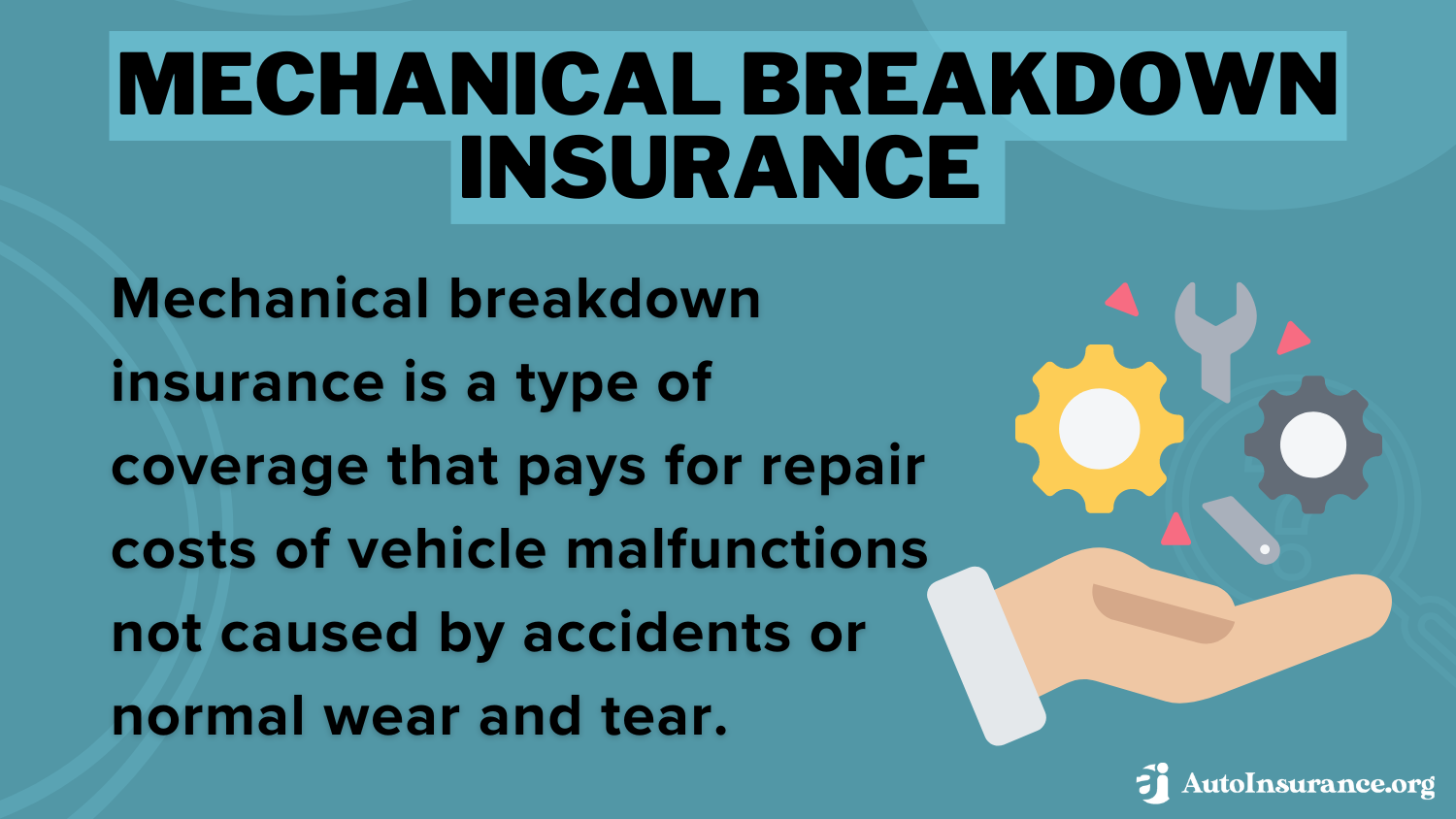
Mechanical Breakdown Insurance (MBI) is a specific type of insurance policy designed to cover the costs of repairing or replacing parts of a vehicle that fail due to mechanical or electrical defects. Unlike standard auto insurance, which focuses on damage resulting from collisions, theft, or environmental factors (comprehensive), MBI is strictly concerned with the internal health of the machine.
For a student in 2026, MBI functions as an alternative to a traditional dealer-sold extended warranty. Because students often drive used vehicles that may be nearing the end of their original manufacturer’s warranty, MBI serves as a bridge, protecting against the high costs of powertrain or electronic failures. It is important to note that MBI is a regulated insurance product, typically overseen by state insurance departments, which offers a layer of consumer protection that third-party "service contracts" might lack.
While the primary focus of MBI is automotive, the term occasionally appears in the context of high-end electronics or specialized medical equipment insurance. However, for the vast majority of students, MBI is an add-on to their personal auto policy or a standalone vehicle protection plan.
MBI vs. Extended Warranties: Key Distinctions
Students and parents often confuse MBI with extended warranties or Vehicle Service Contracts (VSC). While they serve the same fundamental purpose—paying for repairs—their structure, cost, and regulation differ significantly.
Regulatory Oversight
MBI is an insurance product. This means it is subject to the same stringent regulations as your car or renters insurance. In many jurisdictions, the rates must be filed with and approved by the state's Department of Insurance. Extended warranties, or VSCs, are often considered service agreements and are not always subject to the same level of financial solvency requirements as insurance companies.
Payment Structure
One of the most appealing aspects of MBI for students is the payment flexibility. Most MBI policies allow the premium to be added to the monthly auto insurance bill or paid in small installments. In contrast, extended warranties are frequently sold as a lump sum at the point of vehicle purchase, often rolled into a high-interest auto loan, which can cost the student more in the long run.
Choice of Repair Facility
MBI policies generally allow the policyholder to take their vehicle to any licensed repair facility in the United States or Canada. Some dealer-specific warranties may restrict repairs to certain franchises or "authorized" shops, which can be a major inconvenience for a student who goes to college in a different state from where the car was purchased.
Why MBI is Particularly Relevant for Students in 2026
The economic landscape of 2026 has made vehicle reliability a top priority for those in higher education. With the rising costs of tuition and housing, a sudden $2,500 transmission failure can be a catastrophic event for a student’s budget.
The Used Car Reality
Most students do not drive brand-new vehicles. They are more likely to operate cars that are five to ten years old—the exact window when major mechanical components begin to fail. MBI provides a "fixed cost" for vehicle ownership. By paying a small monthly premium, the student replaces the risk of a massive, unpredictable repair bill with a predictable, manageable expense.
Technological Complexity
Modern vehicles, even those from the early 2020s, are essentially computers on wheels. A failure in the infotainment system, sensors, or the electronic control unit (ECU) can be just as expensive as a mechanical engine issue. MBI policies in 2026 are increasingly comprehensive, covering these complex electronic systems that older, basic warranties might have excluded.
What Does Student MBI Typically Cover?
Understanding the "scope of coverage" is the most critical step before signing a policy. MBI is not a "bumper-to-bumper" solution for everything that goes wrong with a car; it is targeted at major failures.
Core Systems (The Powertrain)
The "heart" of the car is the primary focus. This includes the engine (blocks, pistons, oil pumps), the transmission (gears, torque converters), and the drive axle (axle shafts, universal joints). These are the most expensive parts to fix and the primary reason a student would seek MBI.
Climate Control and Cooling
For students attending school in extreme climates—whether the heat of the Southwest or the winters of the Northeast—the cooling system (radiator, water pump) and the air conditioning (compressor, evaporator) are vital. MBI typically covers these components, which are prone to failure after 60,000 miles.
Electrical and Steering
This includes the alternator, starter motor, and power steering assemblies. As vehicles age, these electrical components often give out without warning. MBI ensures that a car that won't start on the morning of a final exam can be towed and repaired without the student bearing the full brunt of the cost.
Common Exclusions
It is equally important to understand what is not covered. MBI does not cover:
- Routine Maintenance: Oil changes, tire rotations, and brake pads.
- Wear and Tear Items: Windshield wipers, light bulbs, and upholstery.
- Pre-existing Conditions: If the car was already making a "knocking" sound before the policy was purchased, the claim will likely be denied.
- Damage from Neglect: If a student fails to change the oil for two years and the engine seizes, MBI will not cover the repair.
Eligibility and Enrollment Requirements
Students cannot simply buy MBI the moment their car breaks down. There are strict eligibility windows that must be met.
- Vehicle Age and Mileage: Most insurers require that a vehicle be less than a certain age (often 15 months) and have fewer than a specific number of miles (usually 15,000) at the time the MBI policy is first initiated. However, some specialized providers offer "Used Vehicle MBI" for older cars, though the premiums are higher.
- Continuous Coverage: Once enrolled, the coverage can often be renewed until the vehicle reaches a much higher limit, such as 100,000 miles or seven years. If a student lets the coverage lapse, it can be very difficult to reinstate.
- Inspection Requirements: For older used cars, an insurer may require a mechanical inspection to verify there are no pre-existing issues before the policy becomes active.
Comparing Vehicle Protection Options for Students
The following table compares the three most common ways students protect themselves against mechanical failures.
| Feature | Mechanical Breakdown Insurance (MBI) | Manufacturer Extended Warranty | Third-Party Service Contract |
|---|---|---|---|
| Provider | Insurance Company (e.g., GEICO) | Vehicle Manufacturer (e.g., Toyota) | Independent Company |
| Regulation | High (State Insurance Dept.) | Moderate | Varies (often low) |
| Payment | Monthly Premium | Upfront or Rolled into Loan | Upfront or Installments |
| Repair Shop | Any Licensed Mechanic | Usually Dealer Only | Network-dependent |
| Cancellation | Prorated Refund usually available | Often difficult | Varies by contract |
| Cost | Typically Lower (approx. $30-$100/yr) | High ($1,500 - $4,000 total) | Moderate to High |
How to File a Claim: A Step-by-Step for Students
When a mechanical failure occurs, the process of using MBI is different from filing a claim for a car accident.
- Stop Driving Immediately: To prevent further damage (which might not be covered), pull over if a warning light appears or the car behaves strangely.
- Contact the Insurer First: Before any work begins, the student must contact the MBI provider. They will provide a claim number and may have specific towing services they prefer.
- Diagnosis: Take the car to a licensed mechanic. The mechanic will diagnose the problem and provide an estimate.
- Authorization: The mechanic must speak with the insurance adjuster to get the repair authorized. Do not authorize repairs yourself until the insurer confirms they will cover the cost.
- Pay the Deductible: Most MBI policies have a deductible (often $250). The student pays this to the shop, and the insurance company pays the remainder of the bill directly to the mechanic.
Cost-Benefit Analysis: Is MBI Worth It for a Student?
Whether MBI is "worth it" depends on the student’s financial situation and the vehicle's reliability history. If a student has a robust emergency fund that can easily cover a $2,000 repair, they might choose to "self-insure" and skip the premiums.
However, for most students, the math favors MBI. A typical MBI premium might cost less than $100 per year. Over a four-year degree, that is a $400 investment. If the car suffers even one major failure—such as a failed alternator or a leaking radiator—the policy has essentially paid for itself multiple times over. Furthermore, the peace of mind of knowing that a mechanical disaster won't lead to a "transportation crisis" is often worth the small monthly cost.
Frequently Asked Questions
Can I get MBI if I am already at college in a different state?
Yes. As long as your vehicle meets the age and mileage requirements of the insurer, you can typically add MBI to your policy regardless of your current location within the U.S. or Canada. Ensure your insurance company is aware of the "garaging address" where the car is kept during the semester.
Does MBI cover my laptop or phone if they break?
Generally, no. Standard MBI is for vehicles. For electronics, you would look for "Personal Technology Insurance" or "Electronic Device Protection" plans, which are often offered as endorsements to a renters insurance policy. These operate similarly to MBI by covering internal mechanical or electrical failure of the device.
Is there a waiting period after I buy the policy?
Most MBI policies have a small waiting period, such as 30 days and 1,000 miles, before you can file your first claim. This is to prevent people from buying the insurance only after they realize their car is about to break down.
Will MBI pay for a rental car while mine is in the shop?
Many comprehensive MBI policies include "Rental Reimbursement" or "Transportation Expense" coverage. This is particularly helpful for students who need a way to get to campus or work while their primary vehicle is being repaired. Check your specific policy for daily limits and duration.
Can I transfer my MBI if I sell the car?
In many cases, yes. MBI can often be transferred to the new owner, which can actually increase the resale value of your car. Alternatively, if you trade the car in, you can cancel the MBI and may be eligible for a prorated refund of the unused premium.
Recommendation for Students
If you are a student driving a vehicle that is no longer covered by its original manufacturer’s warranty, or if that warranty is set to expire soon, obtaining MBI is a highly recommended financial move. Start by checking with your current auto insurance provider to see if they offer a Mechanical Breakdown Insurance endorsement. If they do not, compare quotes from reputable third-party MBI specialists. Prioritize policies with a low deductible and a "disappearing deductible" feature if you use their preferred repair network.
Image Gallery