Understanding the Russia Economy Growth Trend in 2026
The Russian economy in 2026 is characterized by a high-pressure environment defined by substantial fiscal spending on the industrial sector, labor shortages, and a pivot toward non-Western trade partners. Growth is primarily driven by...
The Russian economy in 2026 is characterized by a high-pressure environment defined by substantial fiscal spending on the industrial sector, labor shortages, and a pivot toward non-Western trade partners. Growth is primarily driven by state-led investment, which has shifted the structural composition of the economy toward military-industrial production and import substitution, creating both short-term output gains and long-term inflationary risks.
Contents
Structural Drivers of Current Economic Performance
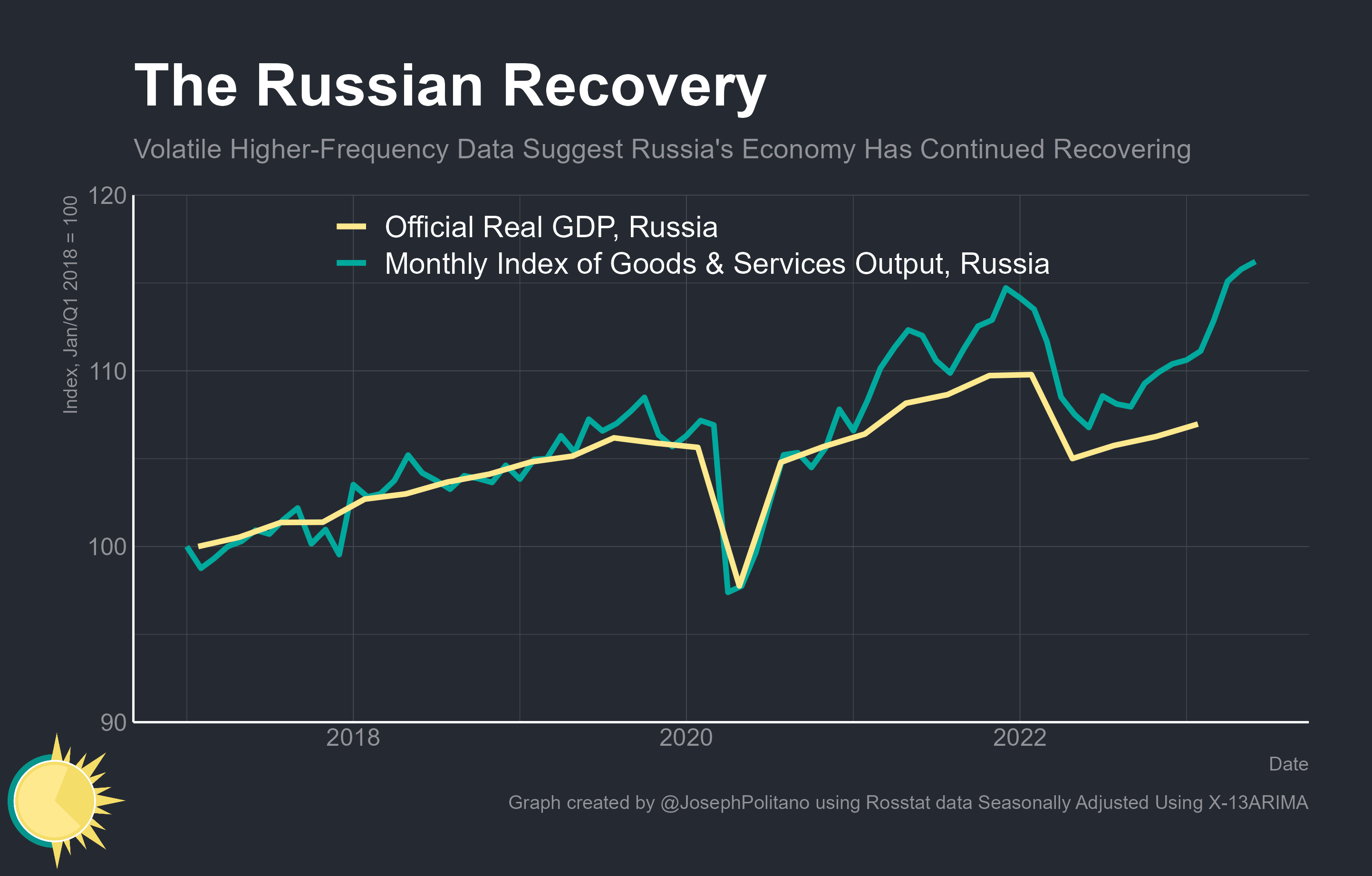
To understand the trajectory of Russia’s economic growth, one must look at the transition from a consumption-led model to a state-driven investment model. Since 2022, the Russian government has significantly increased fiscal expenditure. By 2026, this spending remains concentrated in defense, infrastructure, and heavy industry. This influx of capital has catalyzed industrial output, particularly in sectors related to metal fabrication, machinery, and logistics.
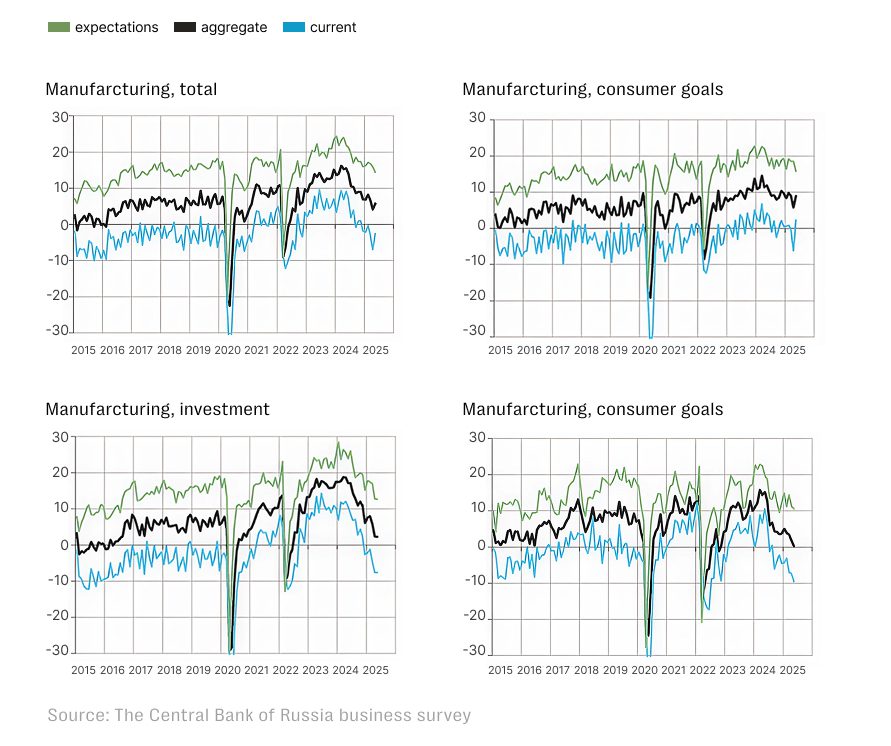
However, this growth is not uniform. While the industrial sector reports high capacity utilization, the civilian consumer sector faces constraints. The redirection of financial and human capital toward state priorities has led to a "bifurcation" of the economy: industries directly or indirectly supported by state contracts exhibit expansion, while sectors reliant on imported high-tech components or consumer demand struggle with rising costs and supply chain complexities.
The Role of Labor Constraints and Demographic Shifts
A defining feature of the Russian economic landscape in 2026 is the acute tightness of the domestic labor market. Years of demographic decline, combined with shifts in workforce participation and the emigration of skilled professionals, have resulted in record-low unemployment rates. While low unemployment is typically viewed as a sign of economic health, in the current Russian context, it acts as a primary bottleneck for growth.
Employers across various industries report significant difficulties in recruiting specialized labor. This competition for workers has triggered rapid wage growth, which, while beneficial for individual households, contributes to "wage-push" inflation. Companies are increasingly forced to raise prices to offset higher labor costs, complicating the Central Bank of Russia’s efforts to stabilize the ruble and control consumer price inflation. Businesses are now prioritizing automation and efficiency, though the availability of necessary technological upgrades remains hindered by restrictive trade environments.
Fiscal Policy and Inflation Management
The Central Bank of Russia faces the difficult task of managing an overheating economy. The monetary policy stance as of 2026 remains restrictive, characterized by high key interest rates intended to mop up excess liquidity and dampen inflationary pressures. The divergence between fiscal policy (expansive) and monetary policy (restrictive) creates a unique environment for domestic businesses.
Economic Factors Comparison 2026
| Factor | Current Trend | Impact on Growth |
|---|---|---|
| Fiscal Spending | High (State-Led) | Strong stimulative effect on industry |
| Key Interest Rate | Elevated | Constrains private credit and investment |
| Labor Market | Extreme Scarcity | Limits production capacity and adds wage costs |
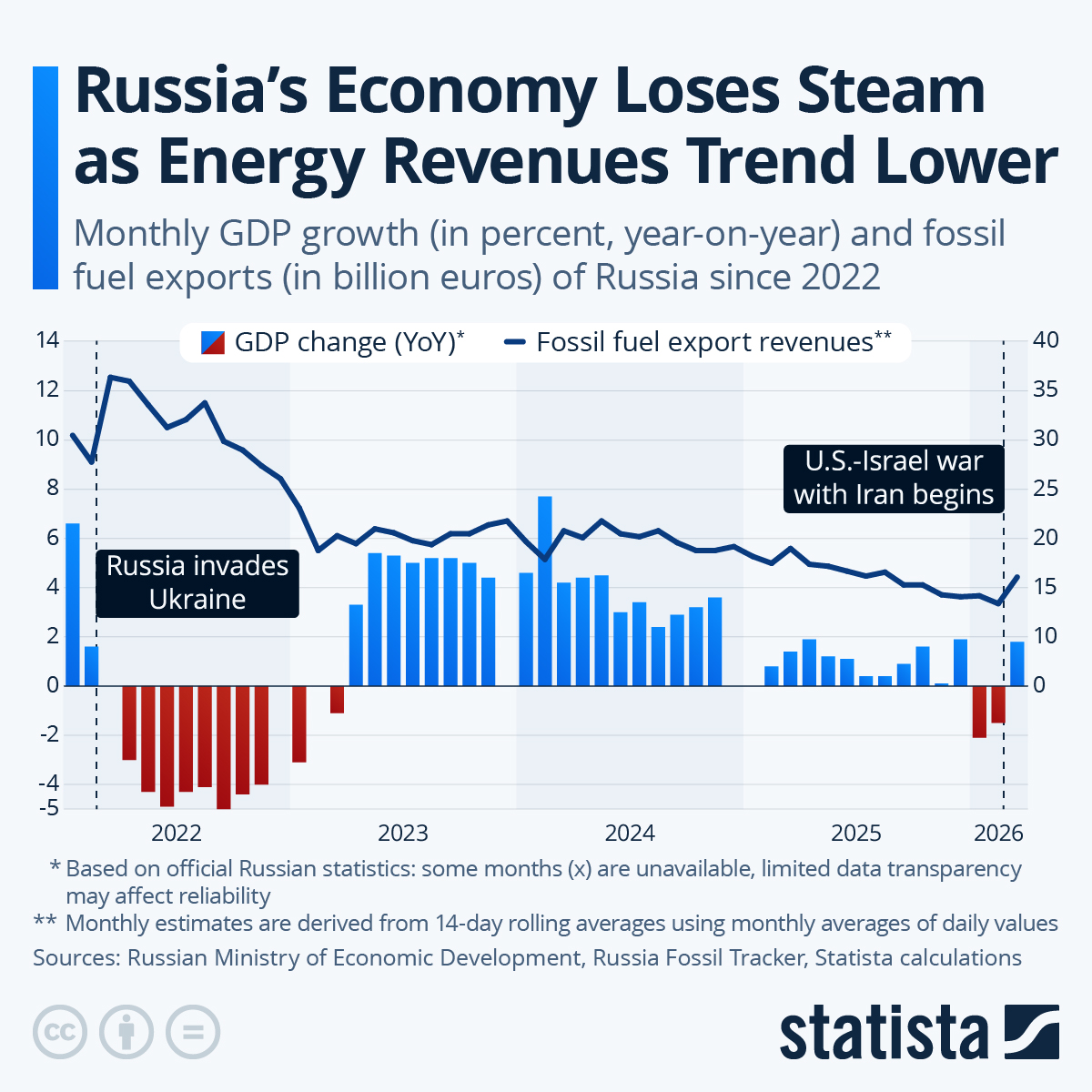
| Export Markets | Pivot to Asia/Global South | Sustains energy and commodity revenue flows |
This table illustrates the tension between government-backed investment and the necessity for monetary discipline. While the high interest rates are designed to protect the national currency and stem inflation, they simultaneously make borrowing prohibitively expensive for small and medium-sized enterprises (SMEs) that are not beneficiaries of state procurement.
Reorientation of Trade and Supply Chains
A critical aspect of the current economic trend is the comprehensive pivot in trade relationships. With limited access to traditional Western financial systems and technology markets, Russia has reoriented its logistics and trade architecture toward partners in Asia, the Middle East, and the Global South. This shift has necessitated substantial investment in new transport corridors and financial settlement mechanisms.
The reliance on non-convertible or alternative currencies for trade settlements has increased. This transition involves significant transaction costs and requires the development of new banking correspondent networks. While this has allowed for the continued flow of critical imports—ranging from electronics to raw materials—it has also introduced inefficiencies compared to the pre-2022 globalized trade environment. The 2026 growth trend is therefore heavily dependent on the sustainability of these alternative trade routes and the ability of the banking sector to facilitate cross-border transactions under pressure.
Risks to Sustained Growth
While the headline indicators may show growth, analysts often point to the risks inherent in a state-led investment cycle. These include:
- Productivity Stagnation: A lack of access to frontier technology may lead to a long-term decline in total factor productivity.
- Fiscal Dependency: The economy’s reliance on sustained high levels of government spending makes it vulnerable to sudden changes in commodity prices or state revenue.
- Capacity Limits: Without an expansion of the workforce or significant technological breakthroughs, the economy may hit a "hard ceiling" where further spending merely causes inflation rather than additional output.
Frequently Asked Questions
1. How is inflation affecting Russian economic growth?
Inflation serves as a primary drag on household purchasing power. While wages are rising, they are often outpaced by the cost of consumer goods, which are affected by both domestic supply constraints and the increased cost of importing goods through secondary markets.
2. Is the current growth trend considered sustainable?
Sustainability is debated. Many economists argue that the current growth is "reactive" rather than "structural." It relies on temporary fiscal stimulus and resource extraction, which does not necessarily build the base for long-term innovation or diverse export growth.
3. What is the impact of high interest rates on local businesses?
High interest rates increase the cost of debt, which stifles capital investment for firms that do not have access to state-subsidized loans. This creates a two-tiered economy where large, state-aligned corporations survive, but smaller businesses struggle to scale.
4. How are trade sanctions impacting the growth trend?
Sanctions have necessitated an expensive, complex, and time-consuming reorganization of supply chains. This has increased the cost of doing business and limited access to high-end technology, which acts as a structural anchor on potential industrial growth.
5. Does the labor shortage pose a long-term threat?
Yes. Without an increase in immigration or significant improvements in labor productivity through technology, the structural labor shortage will continue to suppress potential GDP growth by limiting the output of even the most efficient firms.
Next Actions for Observers
For those monitoring the Russian economic trajectory, the most critical data points to track remain the monthly inflation reports, the Central Bank of Russia’s interest rate decisions, and changes in federal budget allocations. Observance of trade balance data with emerging market partners will also clarify the extent to which the current pivot in supply chains can maintain the necessary flow of capital goods and intermediate products required to sustain industrial activity.
Image Gallery