Understanding the Coldest Ocean in the World: The Southern Ocean
The Southern Ocean, also known as the Antarctic Ocean, is officially recognized as the coldest ocean in the world. It encircles the continent of Antarctica, with its surface temperatures typically ranging from -2°C (28.4°F) to 10°C (50...
The Southern Ocean, also known as the Antarctic Ocean, is officially recognized as the coldest ocean in the world. It encircles the continent of Antarctica, with its surface temperatures typically ranging from -2°C (28.4°F) to 10°C (50°F). Its extreme temperature is driven by its unique location, the influence of the Antarctic Circumpolar Current, and its isolation from warmer tropical currents.
Contents
Defining the Southern Ocean
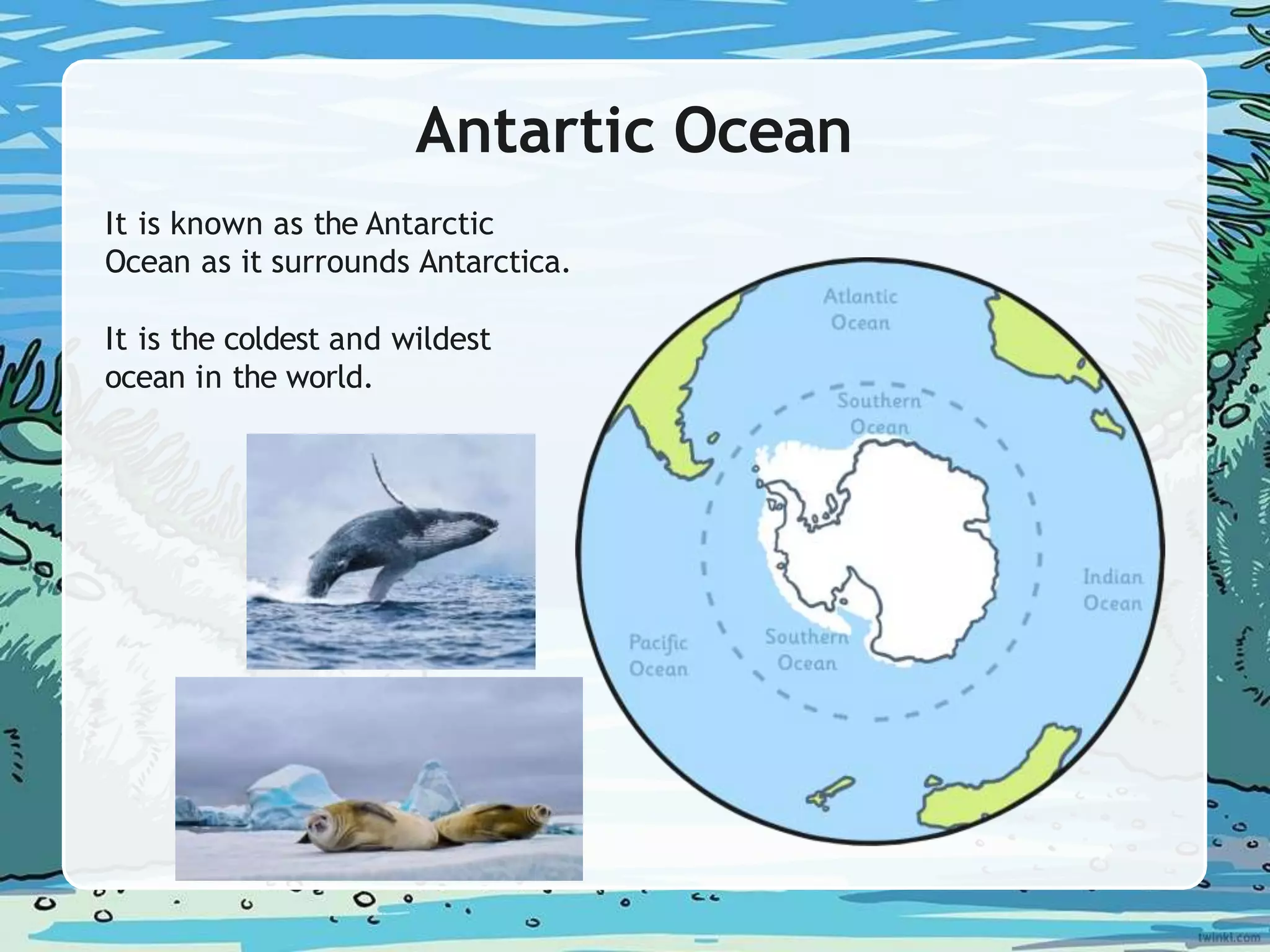
While many historical texts and older navigational charts refer to the four traditional oceans—the Atlantic, Pacific, Indian, and Arctic—the scientific community and international bodies have reached a consensus regarding the Southern Ocean. In 2021, the National Geographic Society officially recognized the Southern Ocean as the fifth ocean on Earth, distinguished not by continents, but by the Antarctic Circumpolar Current (ACC).
The Southern Ocean encompasses the waters surrounding Antarctica, extending from the continent's coastline to 60 degrees south latitude. This boundary is defined by the Antarctic Treaty System, which dictates that this region is managed for peaceful, scientific, and environmental purposes. By excluding the landmass of Antarctica, this ocean acts as a massive thermal sink that regulates global climate patterns through the constant circulation of deep, cold, nutrient-rich water.
Why the Southern Ocean Remains the Coldest
The primary reason for the Southern Ocean's status as the coldest body of water is the Antarctic Circumpolar Current. This massive, wind-driven current flows clockwise around Antarctica, effectively isolating the continent from the warmer waters of the Pacific, Atlantic, and Indian Oceans. Because the ACC creates a continuous, unbroken loop, it prevents the mixing of warm equatorial waters into the Antarctic region.
Additionally, the phenomenon of "downwelling" plays a significant role. When seawater in the Southern Ocean becomes extremely cold and salty due to ice formation—a process called sea ice exclusion—it becomes denser and sinks toward the seafloor. This creates the Antarctic Bottom Water (AABW), the coldest and densest water mass on the planet. This water then spreads across the global ocean basins, carrying the frigid characteristics of the Southern Ocean deep into the heart of the world’s other oceans.
Comparing Global Ocean Temperatures
To understand the temperature extremes of the Southern Ocean, it is helpful to compare it against the other four oceans. While the Arctic Ocean is also defined by frigid temperatures and extensive ice coverage, the presence of the Southern Ocean’s circular current and its proximity to the vast Antarctic ice sheet give it a more stable and consistently lower average temperature profile.
| Ocean | Average Temperature (Approx.) | Primary Climate Driver |
|---|---|---|
| Southern | -2°C to 10°C | Antarctic Circumpolar Current |
| Arctic | -1.8°C to 7°C | Sea ice and land-locked basin |
| Atlantic | 4°C to 28°C | Gulf Stream and surface wind |
| Pacific | 0°C to 29°C | Equatorial currents and ENSO |
| Indian | 15°C to 28°C | Seasonal monsoon influence |
Note: The temperatures provided represent annual surface averages. Deep-ocean temperatures globally hover near 0°C to 3°C, but the Southern Ocean's surface and near-surface temperatures remain consistently lower year-round compared to temperate basins.
The Role of Sea Ice and Thermal Dynamics
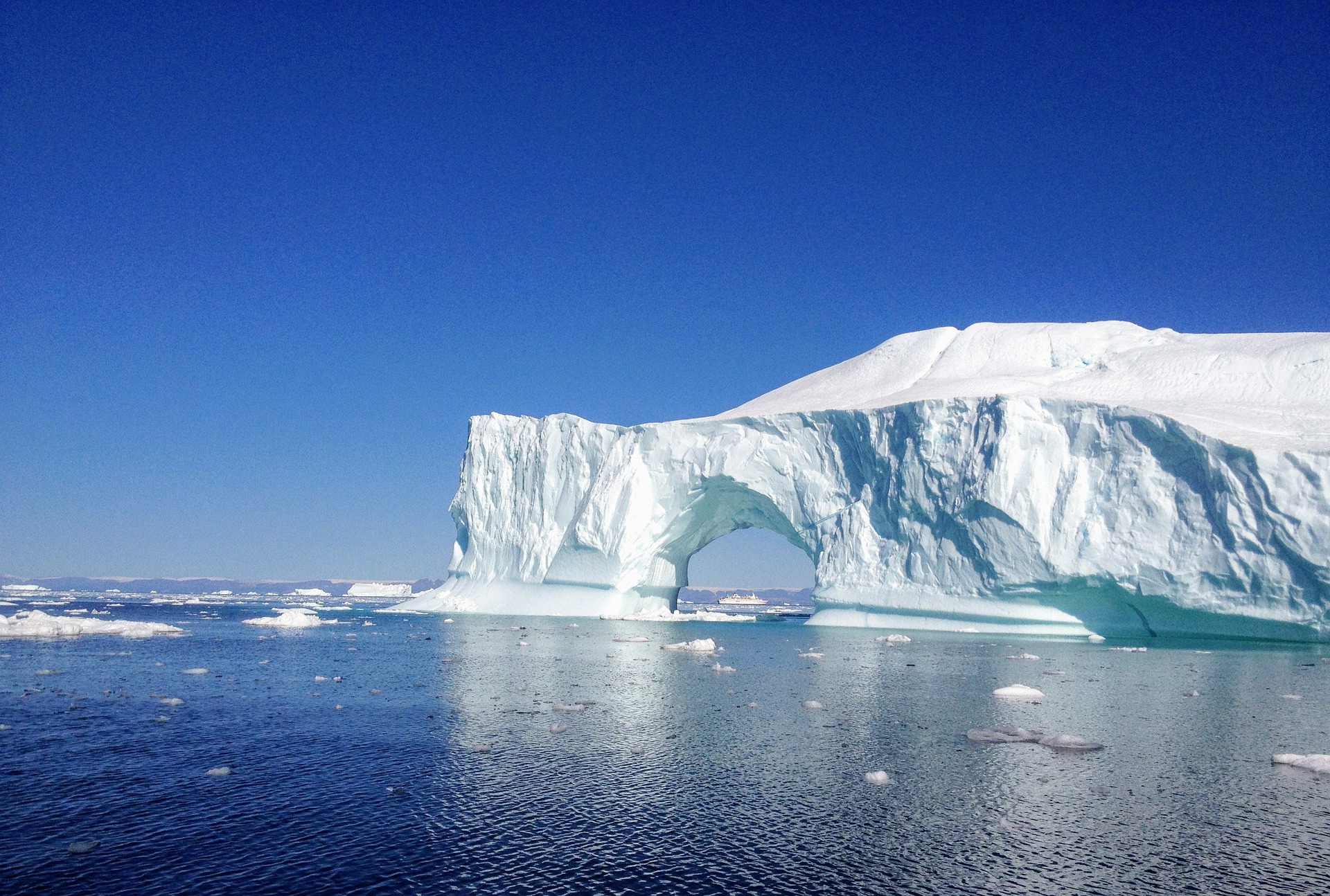
The Southern Ocean is fundamentally shaped by the formation and melting of sea ice. During the austral winter (roughly June to September), the sea ice extent expands dramatically, covering millions of square kilometers. This ice reflects a significant portion of incoming solar radiation back into space, a phenomenon known as the albedo effect. This process prevents the water from absorbing heat, thereby maintaining the freezing temperatures necessary for the ecosystem to thrive.
Furthermore, the lack of shallow, land-enclosed basins (unlike the Arctic) allows the Southern Ocean to experience intense wind systems known as the "Roaring Forties," "Furious Fifties," and "Screaming Sixties." These winds prevent the thermal stratification that might otherwise allow surface waters to warm up significantly during the summer months. The constant turbulence ensures that cold water is continuously brought to the surface, maintaining a low-temperature equilibrium that is unmatched by any other oceanic region.
Ecological Impact of the Extreme Cold
The extreme cold of the Southern Ocean is not just a meteorological curiosity; it is the lifeblood of a unique marine ecosystem. The cold water is highly oxygenated and rich in dissolved nutrients, such as nitrogen and phosphorus, which have been recycled from the depths. When this nutrient-dense water is brought to the surface, it fuels massive blooms of phytoplankton.
These phytoplankton form the base of an extensive food web that supports krill, which in turn sustain larger predators such as penguins, seals, whales, and various species of toothfish. Because of the extreme cold, metabolic rates for many species are slower, and the ecosystem is highly sensitive to even minor temperature fluctuations. Research conducted in the 2020s suggests that warming trends, even at a fraction of a degree, could disrupt the reproductive cycles of keystone species like Antarctic krill, which are heavily dependent on the stability of the sea ice environment.
Challenges for Exploration and Research
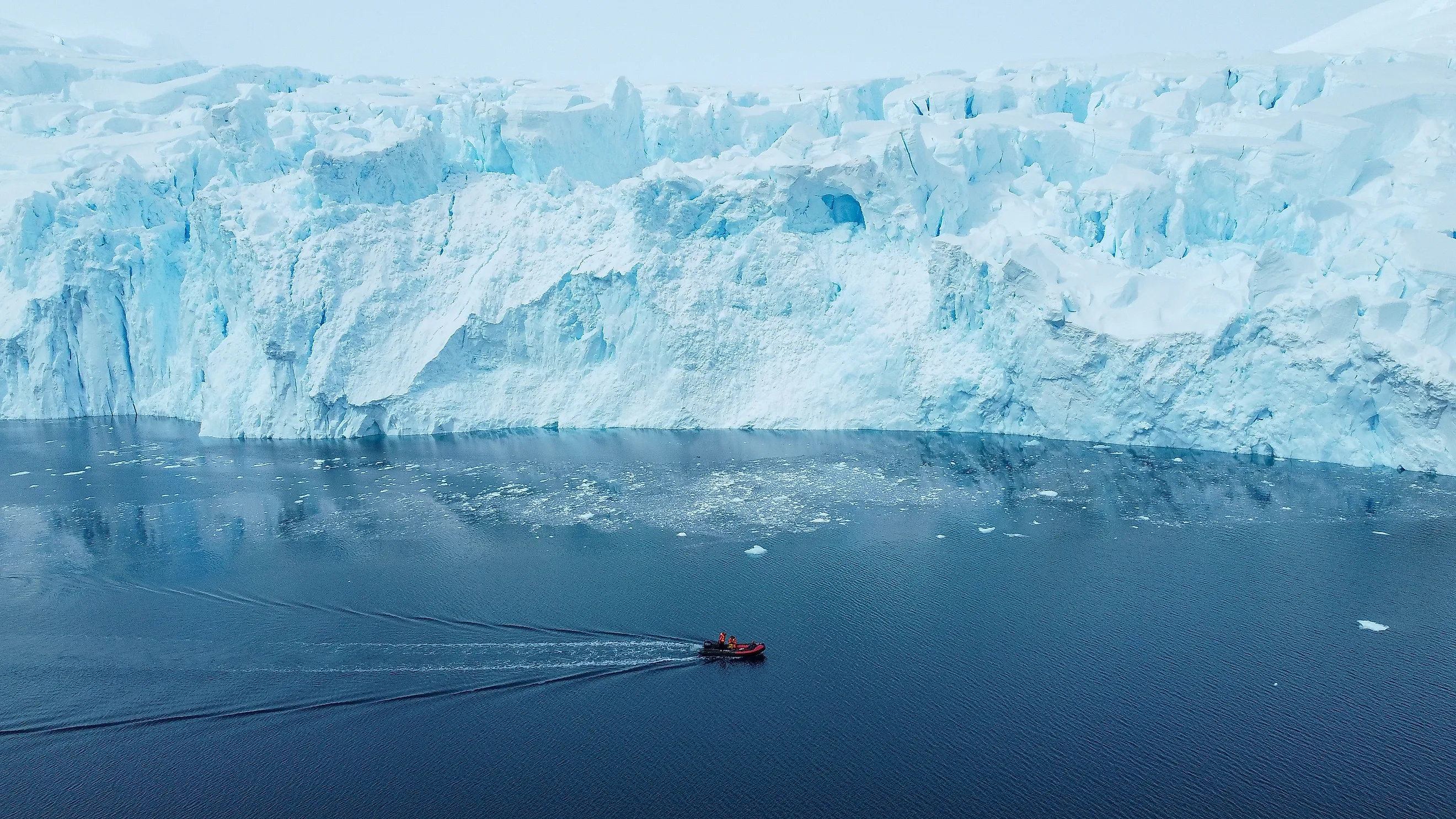
Operating within the Southern Ocean is one of the most difficult logistical challenges for modern science. The combination of freezing air temperatures, extreme gale-force winds, and massive floating icebergs makes it a hostile environment for conventional research vessels. Research teams must utilize ice-strengthened vessels and, increasingly, autonomous underwater vehicles (AUVs) to gather data.
In 2026, technological advancements in remote sensing and underwater robotics have allowed scientists to map the bathymetry—the underwater topography—of the Southern Ocean with unprecedented accuracy. These tools allow researchers to track the flow of Antarctic Bottom Water and monitor shifts in sea ice extent without putting human lives at risk during the harshest winter months.
Frequently Asked Questions
Is the Arctic Ocean colder than the Southern Ocean?
While both are polar oceans, the Southern Ocean is generally considered the coldest overall. The Arctic is an enclosed basin surrounded by land, which can allow for some warming from river discharge and proximity to northern continents. The Southern Ocean is a vast, uncontained body of water dominated by the Antarctic Circumpolar Current, which keeps it consistently cold year-round.
Why is the Southern Ocean so important for the climate?
The Southern Ocean acts as a "global conveyor belt" moderator. It absorbs a significant portion of the heat and carbon dioxide that humans release into the atmosphere. By sinking, this carbon-heavy water is removed from the atmosphere for centuries, making the ocean a critical buffer against global warming.
Can ships navigate through the Southern Ocean?
Navigation is extremely restricted and dangerous. Only specialized ice-strengthened vessels, such as research icebreakers, can operate in the region. Most commercial shipping lanes avoid the Southern Ocean entirely due to the unpredictable weather, massive icebergs, and the lack of port infrastructure near the Antarctic coast.
What are the "Roaring Forties"?
The "Roaring Forties" refer to the powerful westerly winds that blow in the Southern Hemisphere, mostly between the latitudes of 40 and 50 degrees south. These winds are unimpeded by landmasses, allowing them to create massive swells and maintain the energetic, cold circulation patterns of the Southern Ocean.
Does the Southern Ocean have a specific border?
The northern boundary is defined as 60 degrees south latitude. This is the boundary set by the Antarctic Treaty, which separates the Southern Ocean from the Atlantic, Pacific, and Indian Oceans. In oceanographic terms, the boundary is often marked by the Antarctic Convergence, where cold, northward-flowing Antarctic waters meet the warmer, sub-Antarctic waters.
Next Steps for Understanding Polar Environments
To gain a deeper understanding of the Southern Ocean, readers are encouraged to consult official reports from the Scientific Committee on Antarctic Research (SCAR). These records provide the most accurate, peer-reviewed data on current temperature trends, sea ice extent, and marine biodiversity updates. For those interested in the environmental status of the region, the Antarctic Treaty Secretariat provides comprehensive documentation on the protocols protecting this unique, freezing expanse of the planet.
Image Gallery