The Truth Behind Diana’s Dance: Analyzing the Royal Performance for Prince Charles
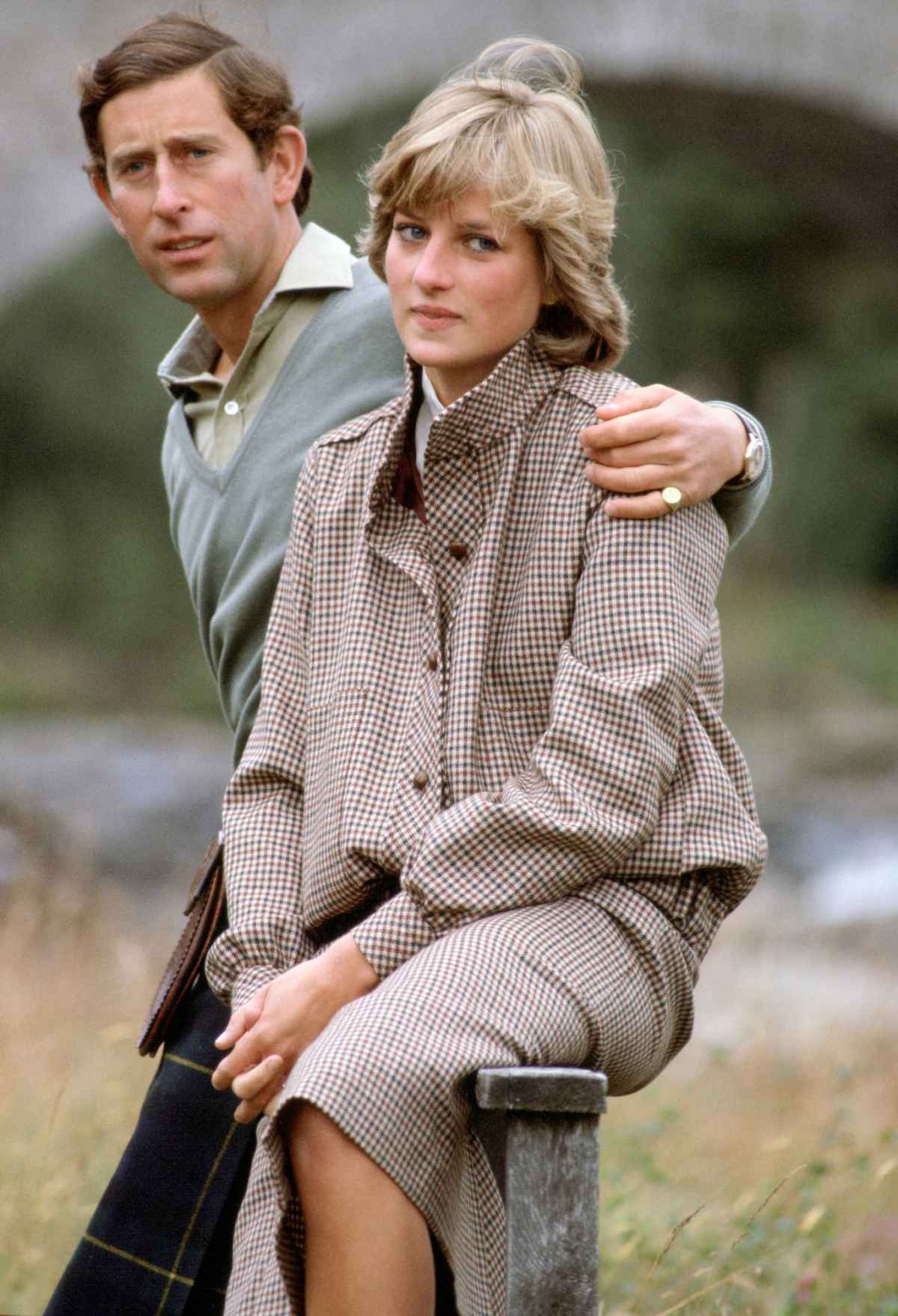
Diana, Princess of Wales, famously performed a surprise dance for Prince Charles during a private gala at the Royal Opera House in London in December 1985. The performance, set to Billy Joel’s hit song "Uptown Girl," saw the Princess j...
Diana, Princess of Wales, famously performed a surprise dance for Prince Charles during a private gala at the Royal Opera House in London in December 1985. The performance, set to Billy Joel’s hit song "Uptown Girl," saw the Princess join professional ballet dancer Wayne Sleep on stage in a choreographed routine that left the royal audience and her husband, Prince Charles, visibly stunned.
Contents
The Context of the 1985 Royal Opera House Performance
The event was an exclusive gala held by the Friends of Covent Garden. While such events were common fixtures in the royal calendar, this particular evening was orchestrated to celebrate the arts. Princess Diana, a noted patron of the arts and an enthusiast of dance, had spent weeks secretly rehearsing with Wayne Sleep, the first male dancer to graduate from the Royal Ballet School’s Upper School.
The intent behind the performance was never intended to be a public spectacle. It was a gift—a private gesture designed to surprise and delight the Prince of Wales at a venue he held in high regard. The rehearsals were conducted in complete secrecy, with Diana utilizing a rehearsal studio in West London to ensure that news of the collaboration did not leak to the press or the royal household.
Analyzing the Performance and Creative Choice
The choice of "Uptown Girl" was both culturally significant and thematically playful. Released in 1983, the song was at the height of its popularity in the mid-1980s. The song’s lyrics, which describe a high-society woman dating a man from a "downtown" background, provided a lighthearted juxtaposition to the status of the Royal Family.
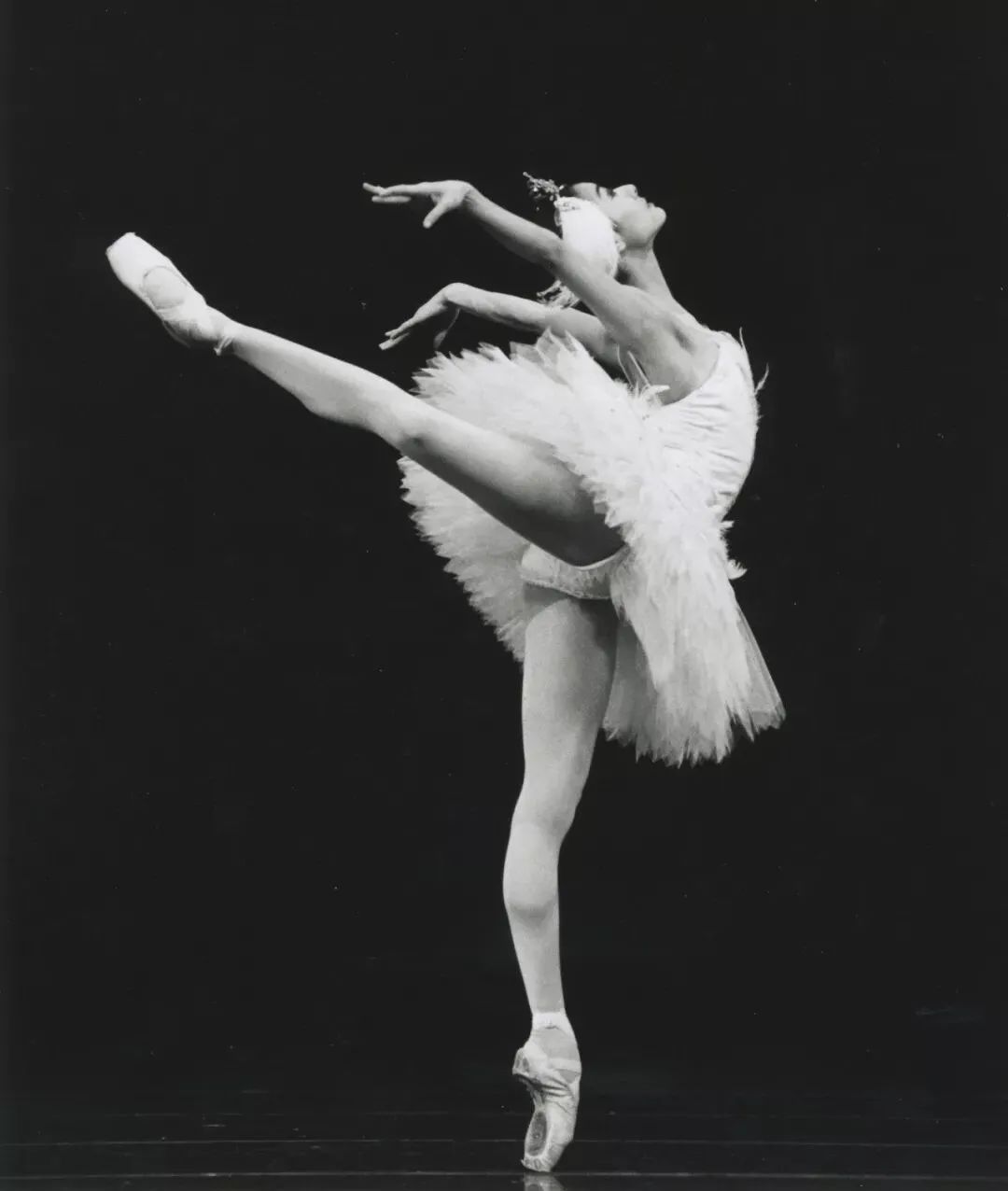
Diana’s performance was characterized by technical proficiency, as she had trained in dance during her youth. Wayne Sleep, tasked with choreographing the routine, later described the Princess as a "natural" who possessed a genuine feel for jazz and contemporary movement. The choreography included high kicks and energetic leaps that moved away from the rigid formalities typically associated with royal appearances.
Reactions Within the Royal Household
The response to the dance remains one of the most debated moments of the mid-1980s. While the audience at the Royal Opera House—who were initially unaware of the Princess’s involvement—responded with thunderous applause and standing ovations, the reaction of Prince Charles was characterized by a mixture of shock and, according to various accounts, a degree of unease.
Historians and royal commentators have often interpreted this moment as a point of divergence in the couple’s public-facing persona. While the public viewed the dance as an act of spontaneity and charm, royal courtiers and those close to the Prince of Wales reportedly viewed the performance as a breach of protocol. The rigid structure of the British monarchy at the time expected a level of reserve that the Princess’s exuberant stage presence directly challenged.
Historical Perspective: Why It Matters
The 1985 dance serves as a critical case study in the intersection of celebrity culture and the British monarchy. It highlighted the Princess’s desire to connect with the public in ways that felt personal and human, rather than institutional.
| Feature | Details |
|---|---|
| Year of Event | 1985 |
| Location | Royal Opera House, Covent Garden, London |
| Partner | Wayne Sleep (Professional Dancer) |
| Musical Track | "Uptown Girl" by Billy Joel |
| Primary Intent | Surprise gift for the Prince of Wales |
Prerequisites and Technical Demands of the Performance
To execute a routine on the stage of the Royal Opera House, the Princess required not only physical conditioning but also the ability to navigate the complex logistics of a professional stage. The performance required:
- Choreographic Adaptation: Sleep had to tailor the routine to the Princess’s height and range of movement, ensuring the choreography remained polished yet safe for a non-professional performer.
- Discretion Protocols: The logistical planning necessitated moving the Princess in and out of rehearsal spaces without triggering security alerts or paparazzi interest.
- Audience Management: The performance was integrated into a pre-existing program, requiring coordination with the stage management of the Royal Opera House to ensure the element of surprise was maintained until the music began.
Comparing Royal Engagement Styles
The dance remains a reference point for comparing how the Princess engaged with the public compared to other senior royals of the era. The following table summarizes the differences in approach between the "traditional" expectation and the "modernized" approach exemplified by the 1985 performance.
| Approach | Traditional Royal Protocol | Princess Diana’s Approach |
|---|---|---|
| Public Interaction | Formal, distant, observational | Personal, physical, expressive |
| Use of Media | Restricted to state duties | Engaging with pop culture/arts |
| Artistic Expression | Passive patronage | Active participation |
| Protocol Adherence | Strict adherence to hierarchy | Selective disregard for rigid optics |
Addressing Common Misconceptions
A recurring question regarding this event is whether the dance was a "rebellion." In the years since 1985, observers have framed the performance as an early sign of the fracturing relationship between Diana and Charles. However, it is essential to distinguish between emotional intent and historical outcome. At the time of the performance, the Princess expressed her desire for the dance to be an entertaining and thoughtful surprise for her husband. Attributing later marital developments to a single, choreographed dance is a common narrative device, but evidence suggests the act was motivated primarily by her love for dance and a desire to perform in a space she admired.
Next Steps for Understanding Royal History
For those interested in exploring the role of the Princess of Wales in the British arts, the following avenues provide further context:
- Reviewing Patronage Records: The Royal Collection Trust maintains detailed archives regarding the Princess’s official patronage of organizations like the English National Ballet, which provides insight into her long-term relationship with professional dance.
- Analyzing Media Coverage of the 1980s: Examining digitized newspapers from December 1985 reveals the immediate public reaction, which was overwhelmingly positive and underscored the Princess’s "People's Princess" image.
- Consulting Biographies of Peers: The memoirs of individuals who worked closely with the Princess, such as her protection officers and artistic associates, often contain specific, corroborated anecdotes about her preparations for such events.
Frequently Asked Questions
1. Was the dance for Charles actually performed at the Royal Opera House? Yes. The performance took place on the stage of the Royal Opera House in Covent Garden during a private gala in December 1985. It was a surprise addition to the evening's scheduled performances.
2. Did Prince Charles know about the dance beforehand? No. The performance was kept a secret to ensure that the surprise for the Prince of Wales remained intact. Princess Diana rehearsed the routine with Wayne Sleep in private locations to maintain this secrecy.
3. Why did the Princess choose "Uptown Girl"? While the Princess did not leave an official record explaining the song choice, "Uptown Girl" was a prominent pop song in 1985. Its lyrics, which playfully address social class differences, resonated with the public's perception of the Princess's transition into the royal family.
4. How long did the Princess train for the routine? The Princess worked with Wayne Sleep for several weeks leading up to the gala. This involved dedicated rehearsal time that was carefully managed to avoid public scrutiny.
5. Is there footage of the performance available? While cameras were present at the gala, official footage was not released for public distribution at the time. However, the event was well-documented by photographers and attendees, and the narrative of the event has been preserved in historical archives.
Final Recommendation
To gain a complete understanding of this event, it is recommended to view it not as an isolated incident, but as part of the broader pattern of the Princess’s involvement with the performing arts. Exploring the archives of the Royal Opera House and the English National Ballet will offer a more technical look at her contributions to the cultural landscape of the 1980s.
Image Gallery