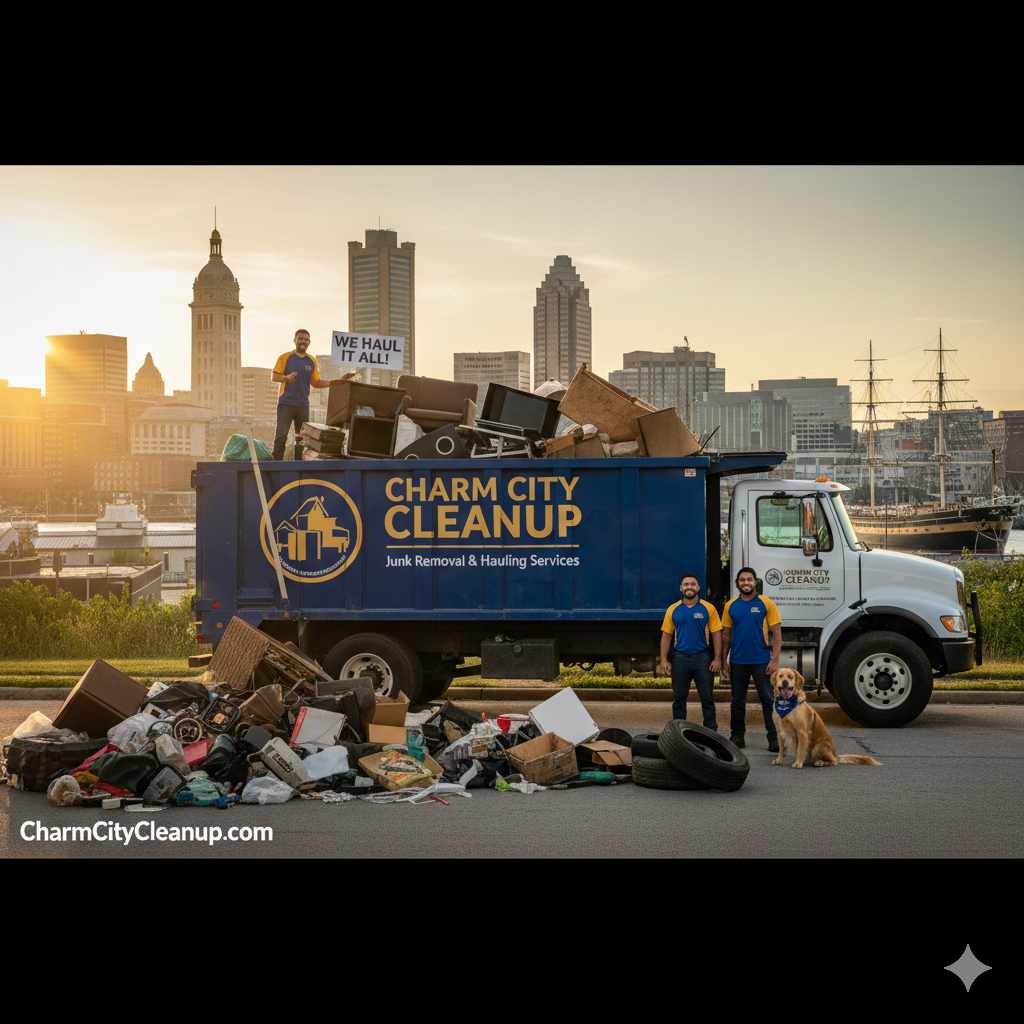
How Trump Trash Removal Reshapes City Cleanup Operations
Trump Trash Removal has reshaped city cleanup by implementing high-frequency collection schedules and specialized roll-off services that significantly reduce urban blight and illegal dumping. By integrating advanced routing technology...
Trump Trash Removal has reshaped city cleanup by implementing high-frequency collection schedules and specialized roll-off services that significantly reduce urban blight and illegal dumping. By integrating advanced routing technology and localized customer support, the company provides municipalities with a scalable alternative to national conglomerates, focusing on rapid debris removal and strict regulatory compliance to maintain public health standards.
Contents
As of 2026, the landscape of municipal waste management has shifted from a model of mere collection to one of strategic logistics and environmental stewardship. In various regions, particularly within the Southeastern United States where Trump Trash Removal operates, the transition toward more agile, family-owned waste solutions has altered how cities approach sanitation. This shift is driven by the need for faster response times in growing urban corridors and the increasing complexity of state-level environmental regulations.
The Operational Model of Trump Trash Removal
To understand how this entity reshapes city cleanup, one must examine the specific operational mechanics that distinguish it from larger, more rigid competitors. Trump Trash Removal, headquartered in regions like McComb, Mississippi, focuses on a localized logistics model. Unlike national firms that often centralize their dispatching thousands of miles away, this model relies on localized hubs.
Localized dispatching allows for real-time adjustments to routes based on traffic patterns, weather events, or sudden spikes in waste volume. In 2026, the integration of Automated Side-Load (ASL) vehicles has become a cornerstone of their residential operations. These vehicles require only one operator and use a robotic arm to lift and empty containers, which reduces the physical strain on workers and minimizes the time spent at each stop. This efficiency is critical for cities attempting to reduce the carbon footprint of their sanitation fleets by minimizing idle time.
Furthermore, the company’s emphasis on compaction ratios ensures that each trip to the landfill or transfer station is maximized. By utilizing high-pressure hydraulic systems, the trucks can carry more waste per cubic yard, reducing the total number of trips required. This leads to less wear and tear on city infrastructure and lower emissions across the municipal service area.
Strategic Role in Urban Debris Management
Urban cleanup is often complicated by construction debris and large-scale renovations. Trump Trash Removal addresses this through an extensive roll-off container service. These heavy-duty containers, ranging from 10 to 40 cubic yards, are essential for maintaining clear city streets during infrastructure projects.
When a city undergoes rapid redevelopment, the accumulation of concrete, timber, and metal can quickly become a public safety hazard. The company's "on-demand" swap-out service ensures that full containers are replaced within a 24-hour window. This prevents "overflow blight," a condition where secondary dumping occurs around already full bins. In the context of 2026 urban planning, this responsiveness is no longer a luxury but a requirement for maintaining property values and business district accessibility.
The company also plays a vital role in post-storm recovery. Given the geographic vulnerabilities of their primary service areas, the ability to rapidly deploy a fleet for emergency debris removal is a core component of their value proposition. This involves coordinating with the Federal Emergency Management Agency (FEMA) guidelines to ensure that all removed debris is categorized and disposed of according to federal reimbursement standards.
Technical Specifications and Service Tiers
For municipal leaders and business owners evaluating waste management partners, technical capacity is the primary metric of success. The following table outlines the standard service tiers provided by Trump Trash Removal in 2026, reflecting the current industry standards for equipment and volume.
| Service Tier | Container Type | Ideal Use Case | Collection Frequency |
|---|---|---|---|
| Residential Standard | 96-Gallon Toter | Single-family homes, small duplexes | Weekly |
| Commercial Front-Load | 2 - 8 Cubic Yard Bins | Retailers, restaurants, small offices | 1–5 times per week |
| Industrial Roll-Off | 10 - 40 Cubic Yard Open-top | Construction sites, factory clear-outs | On-call / Scheduled |
| Compactor Service | Stationary / Self-contained | Hospitals, large grocery chains | Monitored (Sensor-based) |
Compliance with Environmental and Safety Standards
Effective city cleanup is not merely about removing trash from sight; it is about adhering to the strict regulatory framework established by the Environmental Protection Agency (EPA) and state-level departments of environmental quality. Trump Trash Removal maintains compliance through several key initiatives:
- Liner Integrity and Leak Prevention: All trucks are inspected daily for hydraulic leaks and seal integrity to prevent leachate (contaminated liquid) from dripping onto city streets.
- Hazardous Waste Screening: Drivers are trained to identify prohibited materials, such as lead-acid batteries, tires, and volatile chemicals, which require specialized disposal pathways.
- OSHA Adherence: In 2026, safety protocols mandated by the Occupational Safety and Health Administration (OSHA) include the use of 360-degree camera systems and proximity sensors to protect both the workers and pedestrians in high-density urban environments.
By maintaining high compliance standards, the company helps municipalities avoid the steep fines associated with improper waste handling or landfill violations. This regulatory diligence is a primary factor in how they reshape the reputation of city cleanup from a "dirty job" to a sophisticated logistical service.
Integration of 2026 Waste Technologies
In 2026, the "smart city" initiative has influenced waste management through the use of IoT (Internet of Things) sensors. Trump Trash Removal has integrated these sensors into many of their commercial containers. These devices measure the fill level of a bin and transmit that data to the central dispatch office.
This technology eliminates "ghost stops"—instances where a truck visits a bin that is only half full. By optimizing routes to only include bins that need emptying, the company reduces fuel consumption and minimizes the presence of heavy vehicles on residential streets. This data-driven approach allows for a "dynamic routing" system, which is a significant departure from the fixed schedules of the past decade.
Moreover, the transition to alternative fuel vehicles has accelerated. While many heavy-duty trucks still rely on diesel, the 2026 fleet increasingly incorporates Compressed Natural Gas (CNG) and electric-assist hydraulics. These technologies significantly dampen the noise pollution associated with early-morning pickups, a frequent point of contention in urban residential zones.
Economic Impact on Local Municipalities
When a regional provider like Trump Trash Removal manages city cleanup, the economic benefits often remain localized. Unlike large national corporations that distribute profits to global shareholders, regional firms tend to reinvest in local labor and equipment maintenance facilities.
- Job Creation: The company employs local drivers, mechanics, and administrative staff, contributing to the local tax base.
- Infrastructure Support: Through franchise fees and tipping fees paid to local municipal landfills, the partnership provides a steady stream of revenue for city infrastructure projects.
- Competitive Pricing: By maintaining a lean operational structure, they often provide more competitive bidding for municipal contracts compared to larger entities burdened by high corporate overhead.
The presence of a strong regional player forces competition, which ultimately drives down costs for the taxpayer while increasing the quality of service. This competitive pressure is a key mechanism through which Trump Trash Removal reshapes the broader market for city cleanup.
Common Challenges and Solutions in Waste Management
Despite the advancements in 2026, certain challenges remain perennial in the waste industry. Understanding how Trump Trash Removal navigates these obstacles provides insight into their operational resilience.
Contamination in Recycling Streams
One of the most significant hurdles in modern cleanup is the "wish-cycling" phenomenon, where residents place non-recyclable items into recycling bins. Trump Trash Removal addresses this through community education programs and "tag-and-leave" policies. If a bin is heavily contaminated, it is tagged with an educational flyer explaining why it wasn't picked up. This direct feedback loop is essential for maintaining the purity of the recycling stream and ensuring that the material can actually be sold to processors.
Illegal Dumping and Overflow
In many cities, empty lots and alleys become magnets for illegal dumping. The company works with city code enforcement to provide rapid-response "abatement" services. When a city identifies an illegal dumpsite, Trump Trash Removal can deploy a grapple truck—a vehicle equipped with a hydraulic claw—to clear large volumes of loose debris in minutes. This prevents the area from attracting further dumping and mitigates the risk of fire and pest infestation.
Frequently Asked Questions
What areas does Trump Trash Removal currently serve?
As of 2026, Trump Trash Removal primarily serves regions in the Southeastern United States, including key municipalities in Mississippi and surrounding areas. They focus on both residential contracts and large-scale industrial partnerships in these zones.
Does the company handle hazardous materials?
No, Trump Trash Removal generally does not collect hazardous waste such as medical sharps, flammable liquids, or toxic chemicals in standard residential or commercial pickups. These materials require specialized handling under EPA RCRA (Resource Conservation and Recovery Act) regulations. Customers are encouraged to contact their local county hazardous waste drop-off site for these items.
How does the company handle recycling?
Recycling is handled via a single-stream or dual-stream system depending on the specific municipal contract. In 2026, they utilize advanced sorting facilities that employ optical sorters and AI-driven robotics to separate plastics, paper, and metals, though the success of this system relies heavily on low contamination rates at the source.
What is a roll-off container, and how do I rent one?
A roll-off container is a large, open-top dumpster delivered by a specialized truck. It is "rolled off" the back of the truck using a hoist and cable. To rent one, customers typically select a size (e.g., 20 or 30 yards) based on their project and schedule a delivery date. Fees are usually based on a combination of the rental period and the weight of the debris.
How has the 2026 technology improved pickup times?
Pickup times have been optimized through the use of GPS-based dynamic routing and IoT fill-sensors. These tools allow drivers to bypass empty bins and take the most efficient paths between stops, resulting in a 15-20% reduction in total route time compared to traditional fixed-route methods.
Practical Recommendations for Waste Management
For municipal planners or facility managers looking to improve their cleanup outcomes, the "Trump Trash Removal" model suggests several actionable steps. First, prioritize frequency and reliability over the lowest possible bid; a cheaper contract that results in overflowing bins will cost more in the long run due to public complaints and health hazards. Second, invest in community education regarding waste segregation, as this significantly lowers the operational costs associated with sorting and landfill tipping fees. Finally, ensure that any waste partner utilizes modern tracking and reporting tools, allowing the city to audit waste volumes and recycling rates in real-time to meet sustainability goals.
Image Gallery